Prague Weather Guide: Climatological Dynamics & Seasonal Strategies
Escrito por
Nils Johansson | Fundador
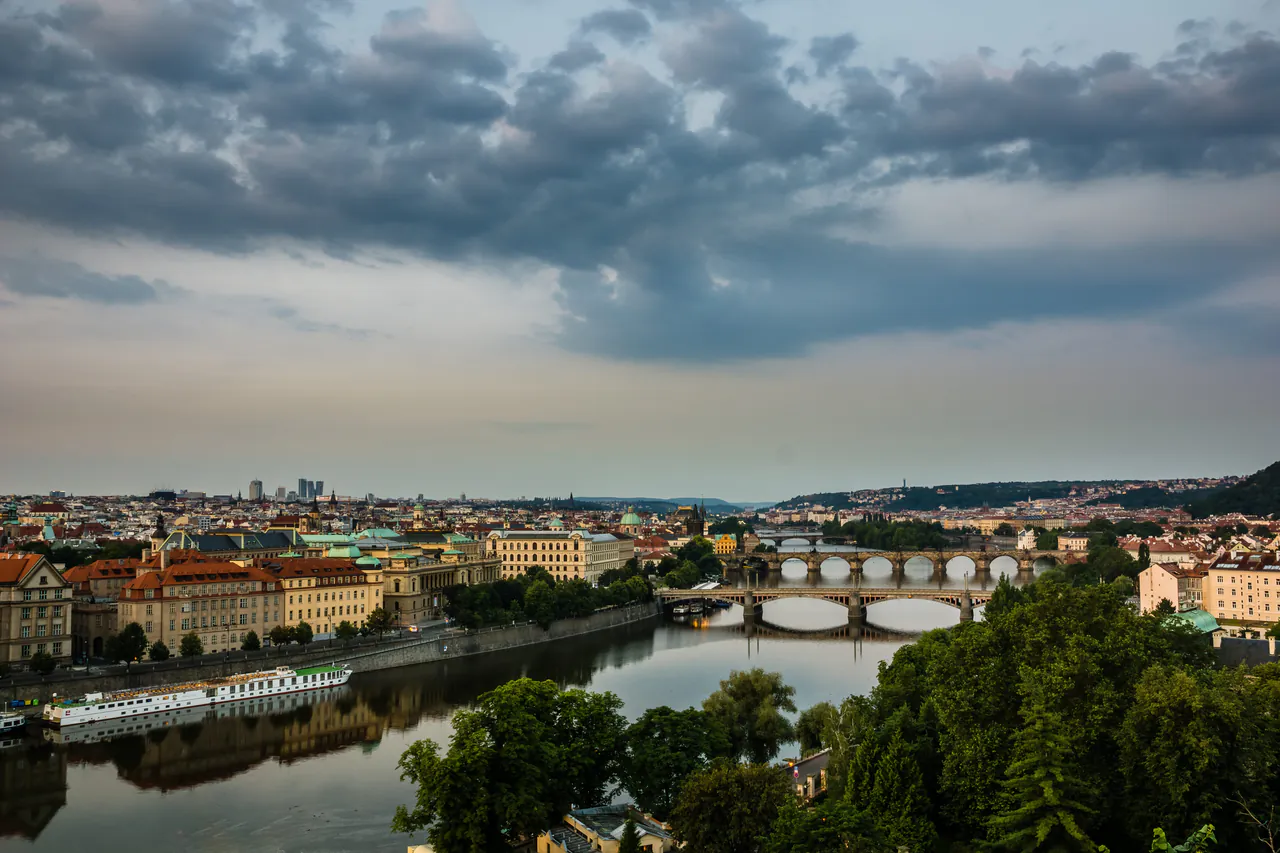
Prague sits in a shallow basin split by the Vltava River. You'll deal with a classic Central European climate here. Expect sharp seasons. One month, you're shivering through thick fog beneath Gothic spires. The next, you're nursing a cold pilsner in a shaded beer garden. Weather runs this city. It dictates the rhythm of the streets. In January, nights bottom out at -3°C. It's cold. But by May, the gloom breaks for cherry blossoms on Petřín Hill. June brings 16 hours of daylight. Watch for the afternoon storms. They hit hard and fast. Autumn is better. You get golden light, vineyard harvests, and fewer crowds. Walking is the only way to see the UNESCO core. But these are ancient cobblestones. They get slick in the rain. Pack solid waterproof shoes. Don't compromise on the soles. Whether you're here for the history or the beer, check the forecast first. It makes or breaks the trip. Strategic planning pays off here. Winter rates are low, but the wind bites. Summer is beautiful but packed. Pick your poison.
Fotos
Climatological Rhythms: The Seasonal Anatomy of Prague
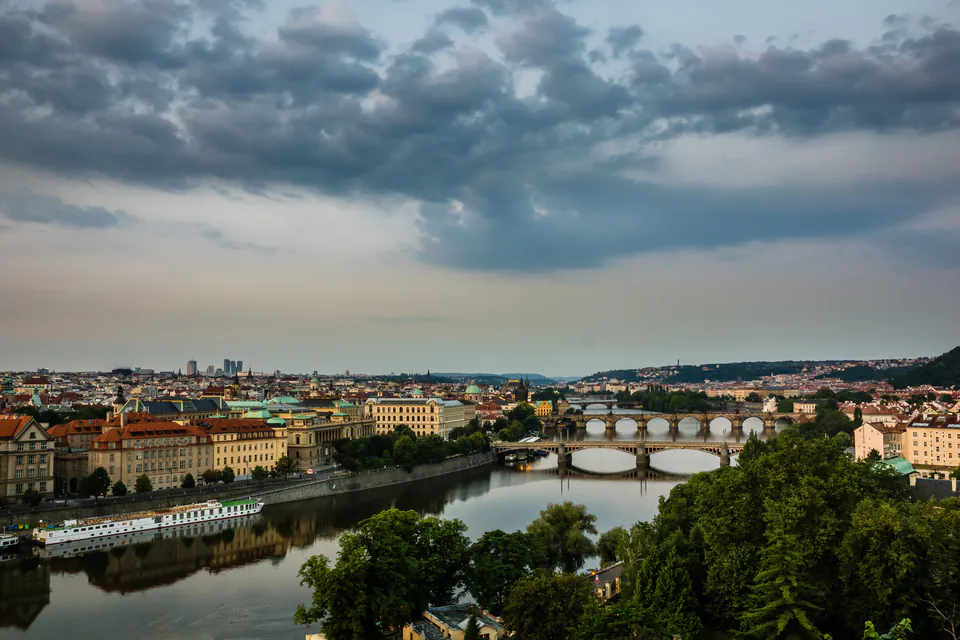
You need to plan for shifts. Prague doesn't do steady. Spring starts in March, but it's basically still winter then. By May, things heat up to 18°C. But don't get comfortable. May is actually the wettest month of the year with 69mm of rain. Carry a coat. Summer is when everyone shows up. It hits 25°C regularly. You'll have light until 21:00. It's great for long walks. But the storms are fierce. June averages ten days of rain. Most of it comes in heavy afternoon bursts. Then there's winter. January is the worst of it. Nights hit -3°C and days rarely pass 2°C. Pack your heaviest coat. Thermal insulation isn't optional. You'll need it when the damp wind comes off the Vltava.
Meteorological History: The Clementinum Legacy and Hydrological Resilience
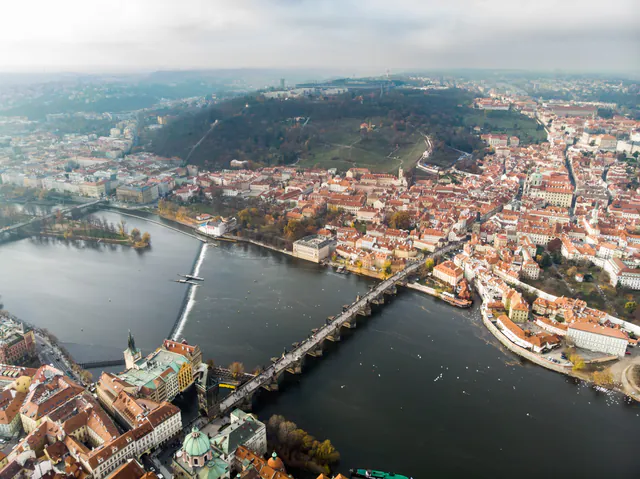
They've watched the sky here for a long time. The Clementinum has tracked weather since 1752. It’s one of the oldest records on earth. These logs show things are heating up. For instance, 2018 was the hottest year ever recorded in Prague. It beat records held for centuries. The river is the bigger threat. In August 2002, a massive flood wrecked the Karlín district. They had to move 50,000 people out fast. It was a disaster. Now, the city has 19 kilometers of defenses. They use clever mobile barriers in the center. This keeps the views clear but keeps the water out. It's smart engineering. They can put them up in hours based on river models. It keeps the history safe.
The Cultural Calendar: Aligning Travel with Seasonal Festivities
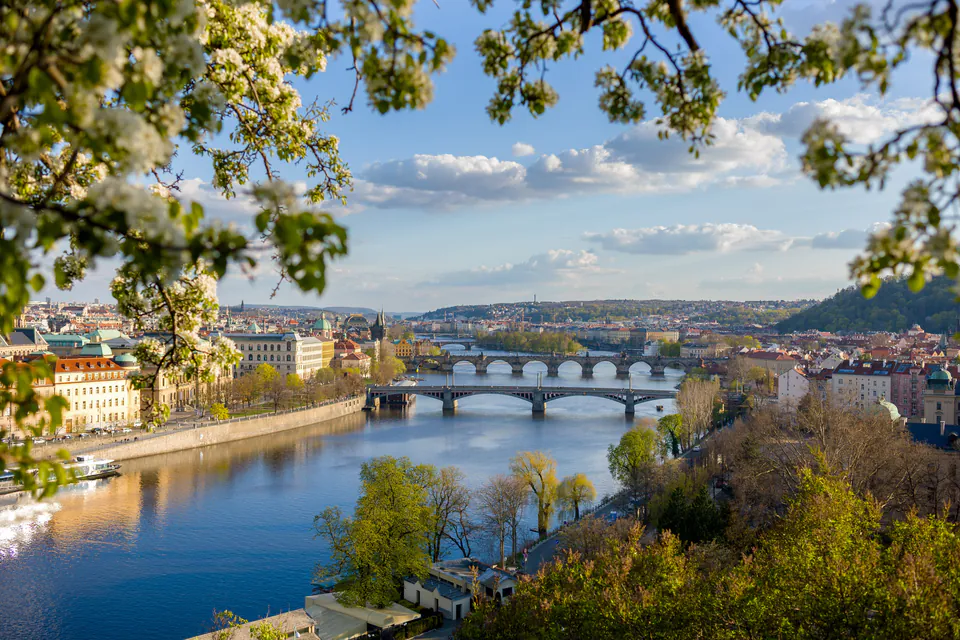
Time your trip right. Spring kicks off with Easter Markets in Old Town Square. You'll see hand-painted eggs and local street food. It's a good time to try woven willow whips. Then May brings the Prague Spring music festival. It’s the city's big cultural moment for classical fans. When the heat drops, the wine comes out. September is for Vinobraní. That's the harvest festival season. Go find some burčák (young wine) and listen to folk music. If you come in winter, it's all about the Christmas Markets. The air is freezing. But a cup of svařák (hot mulled wine) fixes that. Grab some roasted chestnuts and keep moving. The atmosphere is worth the cold.
Economic Seasonality: Strategic Budgeting and Accessibility Dynamics
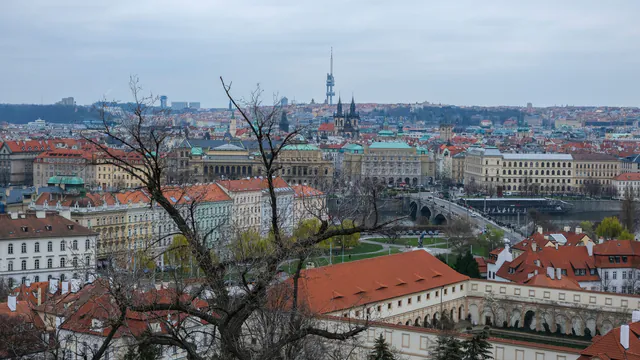
Summer is expensive. From June to August, prices skyrocket. Book your room two months early or you'll pay a premium. If you're on a budget, look for university dorms. They open up for cheap in the summer months. It's a smart move for backpackers. Winter is the real bargain. Come between January and March to save big. Prices drop by 40% compared to summer peaks. It’s cold, but your wallet will thank you. Get a Prague Visitor Pass if the weather turns. It gets you into museums and onto the heated trams. Use the transport to stay warm. It’s a solid value play. You'll see the same spires for a fraction of the cost.
Consejos prácticos
- 1Adquiere un pase de transporte público de 72 horas por 330 CZK para evitar las agotadoras caminatas largas durante los climas estacionales extremos.
- 2Programa las exploraciones al aire libre más exigentes, como el empinado ascenso al Prague Castle, para las primeras horas de la mañana durante los meses de temporada alta de verano.
- 3Prioriza el calzado impermeable y de suela gruesa por encima de las opciones estéticas para recorrer con seguridad los adoquines resbaladizos e irregulares.
- 4Viste con capas fáciles de quitar para gestionar cómodamente los cambios bruscos de temperatura entre los interiores históricos con calefacción y las gélidas calles invernales.
- 5Sube a la Old Town Hall Tower o a las torres del Charles Bridge para capturar las mejores fotografías y escapar de las densas multitudes de turistas a nivel de calle.
- 6Busca alojamiento en residencias universitarias en julio y agosto para conseguir tarifas de verano económicas desde solo 550 CZK por noche.
Principales atracciones
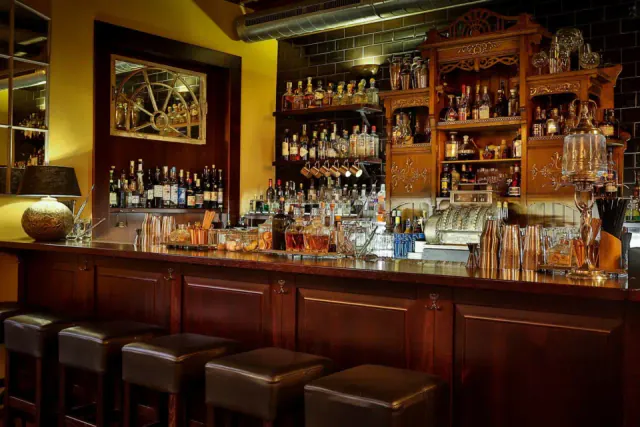
Hemingway Bar Praha
Olvídate de las ruidosas despedidas de soltero en el casco antiguo. Hemingway Bar es un refugio para adultos a los que les importa lo que hay en su copa. Todo e
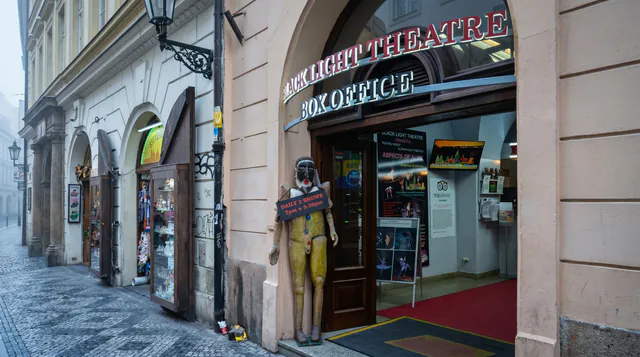
Divadlo Ta Fantastika
Encontrarás Divadlo Ta Fantastika en Karlova Street, el camino principal entre la Old Town Square y el Charles Bridge. Busca el edificio Palác Unitaria; aquí es
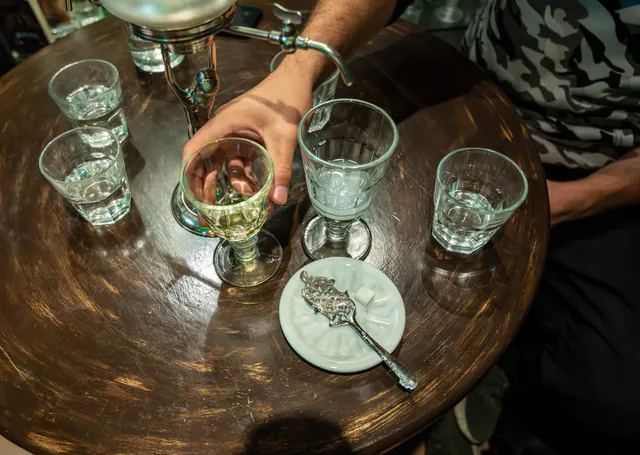
Absintherie Jilská
Sáltate las trampas de luces de neón que venden aguardiente falso a las despedidas de soltero. Encontrarás Absintherie Jilská en una tranquila calle lateral en
Dónde comer
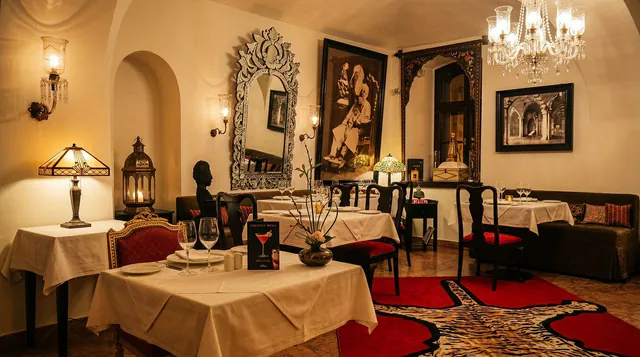
K The Two Brothers
Encontrarás K The Two Brothers Prague justo en el antiguo St. Peter's Quarter de New Town. Se sitúa directamente frente a las oscuras agujas góticas de St. Pete
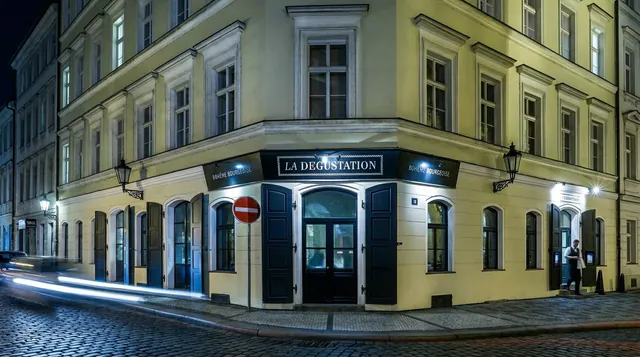
La Degustation Bohême Bourgeoise
Diríjase a la calle Haštalská en Old Town para encontrar La Degustation Bohême Bourgeoise. Es ampliamente considerado el mejor restaurante checo de Prague para

Restaurante Indio Sangam
Dirígete a Karlín. Encontrarás Sangam en la calle Sokolovská, justo en el centro del distrito tecnológico de Prague, donde las oficinas de fachada de cristal co
Preguntas frecuentes
¿Cuál es la mejor época del año para visitar Prague y disfrutar de un clima agradable y menos aglomeraciones?
¿Cuánto suele costar el alojamiento durante la temporada alta de verano en comparación con la temporada baja de invierno?
¿Qué debo hacer si una fuerte inversión térmica invernal atrapa el smog sobre la ciudad?
¿Es el Prague Visitor Pass una buena inversión si viajo durante los cálidos meses de verano?
¿Son las históricas calles adoquinadas seguras y accesibles para visitantes con movilidad reducida?
¿Dónde puedo encontrar alivio inmediato del intenso efecto de isla de calor urbano durante una ola de calor en julio?
Guías relacionadas
- Accessible Travel Guide to Prague: Old Town Hall & Beyond
- Prague Budget Travel & Old Town Hall Expert Guide 2026
- Emergency Contacts & Services in Prague: A Comprehensive Healthcare and Security Guide
- Prague Border Survival Guide: Visas, EES Biometrics, and Entry Requirements for 2026
- The Definitive Guide to Healthcare & Pharmacies in Prague
- Comprehensive Internet and Mobile Connectivity Guide: Prague
- Linguistic Immersion and Heritage at the Old Town Hall
- Luggage Storage Infrastructure and Urban Mobility Logistics in Prague
Calculadora de presupuesto de viaje
Consigue una estimación realista del coste de tu viaje a Budapest en segundos.
PruébaloEtiquetas
Lugares en Prague
Atracciones, hoteles y otros lugares relacionados.