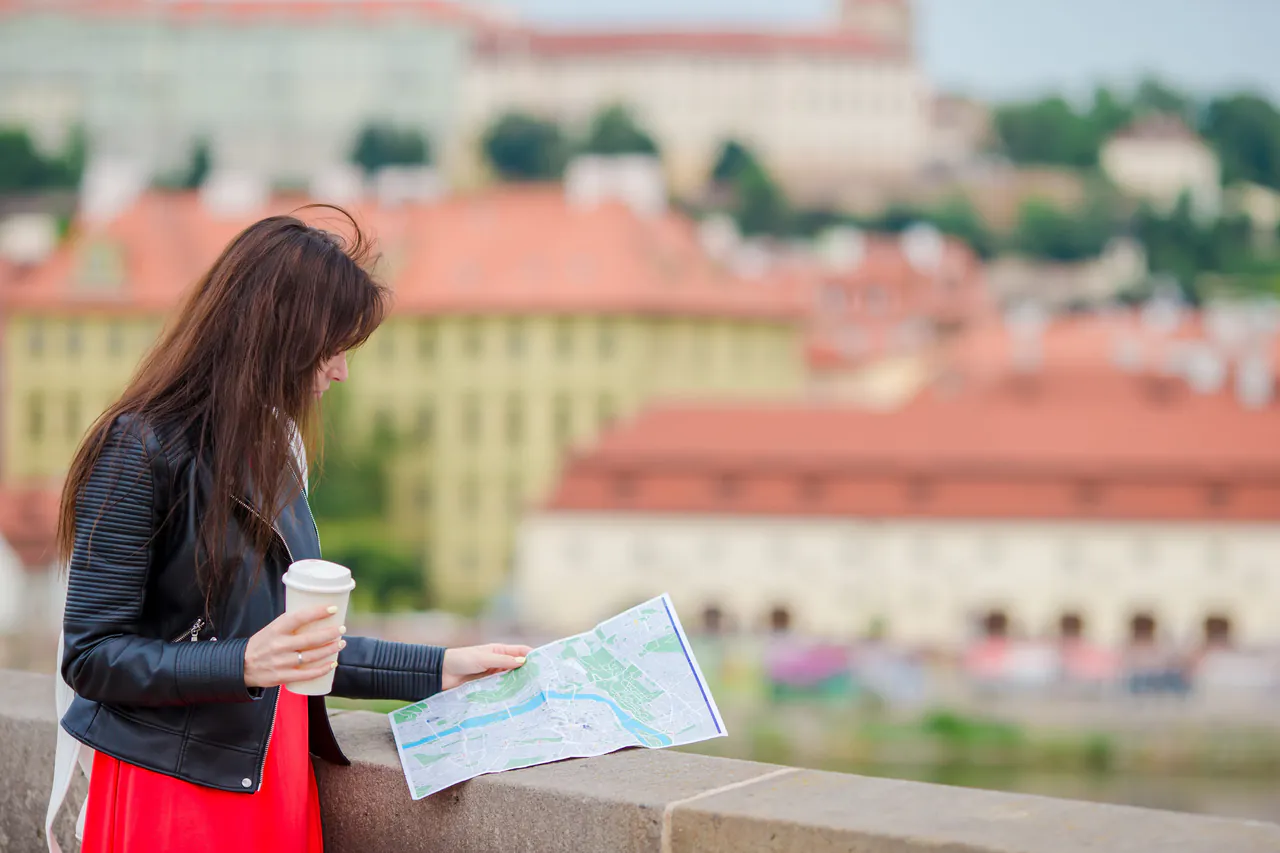
Strategic 72-Hour Prague Itinerary
Escrito por
Nils Johansson | Fundador
You don't visit Prague to tick boxes. You come to walk. The city is a thicket of Romanesque cellars and Gothic spires that feel more like a film set than a functioning capital. It’s loud. It’s heavy. It can feel deeply moody when the clouds roll in. You'll spend your days crossing the Vltava River, moving between Baroque palaces and sharp Cubist corners. Forget the sanitized tourist tracks. Instead, get out early when the mist hangs over the water and the bridges are empty. That’s when you’ll feel the ghosts of Kafka and Dvořák.
It’s a serious workout for your legs. The hills are steep and the cobblestone pavements are notoriously uneven. But every exhausting climb pays off with a view of red-tiled roofs and golden domes. You shouldn't waste your energy in the commercial squares at noon. That’s when the crowds are at their thickest and the magic starts to thin out. Use that time to push into the periphery. Head to the art hubs in Holešovice or the old ramparts at Vyšehrad. These spots reward you with a version of the city that hasn't been polished for postcards. Prague demands your stamina, but it compensates you at every intersection with a detail you’ll never forget. It’s a place for people who want to understand the history, not just take a photo of it.
Fotos
The Staré Město and Josefov Heritage Corridor
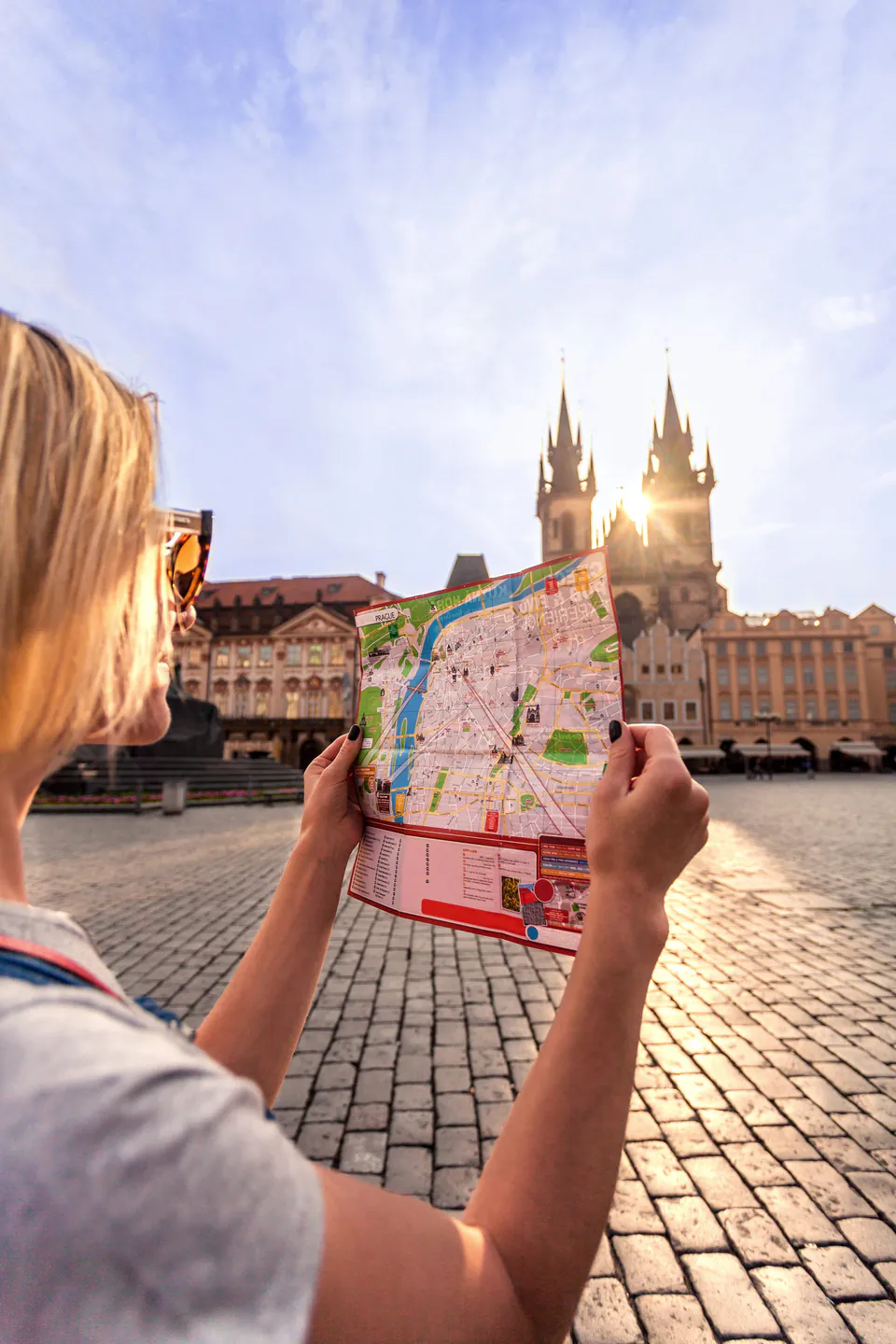
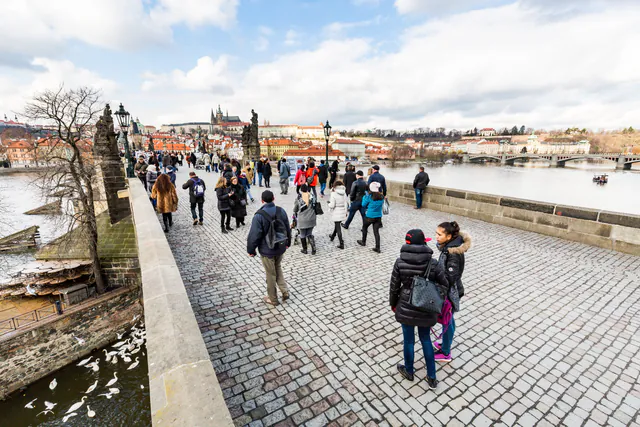
Start your first 24 hours at dawn on Charles Bridge. It’s the only way to beat the crushing crowds that arrive by 09:00 AM. Once the mist clears, walk to Old Town Square for the Astronomical Clock. Look up at the dark Týn Church spires. The Jewish Quarter is right next door. It’s home to the oldest active synagogue in Europe and a haunting cemetery. Buy your tickets for the Spanish Synagogue in advance. You'll want time here to actually think. In the afternoon, walk south along the river toward Náplavka. This is where the locals hang out. You can't miss the Dancing House. It looks like it’s melting. End the day at Café Louvre or Café Slavia. They’ve been serving coffee and history since the First Republic.
Hradčany, Malá Strana, and Imperial Architecture
Day two is for the heights. Head up to the Castle District. Prague Castle is massive. It’s a mix of palaces and churches that takes hours to see. St. Vitus Cathedral is the centerpiece. Get the 'Circuit B' ticket. It covers the Old Royal Palace and the tiny houses of Golden Lane. Then walk down into Malá Strana. It’s full of red-tiled roofs and quiet gardens. Duck into the Vrtba Garden. It’s a masterclass in Baroque design with some of the best views in the city. Find a quiet square near St. Nicholas Church. Later, take the funicular up Petřín Hill. There’s a lookout tower there that looks like a mini Eiffel Tower. Climb it at sunset. You’ll see why they call this the City of a Hundred Spires.
Vyšehrad, Urban Parks, and the Modern Czech Renaissance
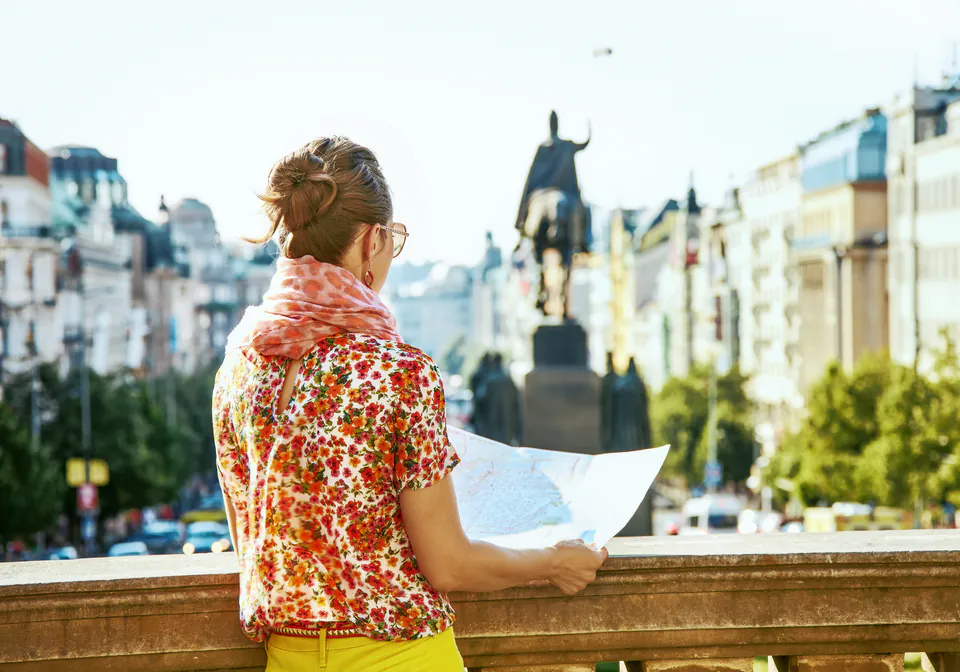
Leave the tourist center behind on your final day. Start at Vyšehrad. It’s a fortress on a cliff and the mythological birthplace of the city. It’s much quieter than the main castle. Walk the ramparts and visit the cemetery. You'll find the graves of famous Czechs like Dvořák here. Next, head to Holešovice. It’s an old industrial area turned art hub. Check out Vnitroblock. It’s a gritty, creative space that shows you what modern Prague is about. It’s a sharp contrast to the medieval core. Finish your trip at Letná Park. The views of the river bridges are unbeatable. Grab a beer at the Letná beer garden. Sit with the locals and watch the sun go down over the Old Town.
2026 Urban Developments, Culture, and the Culinary Scene
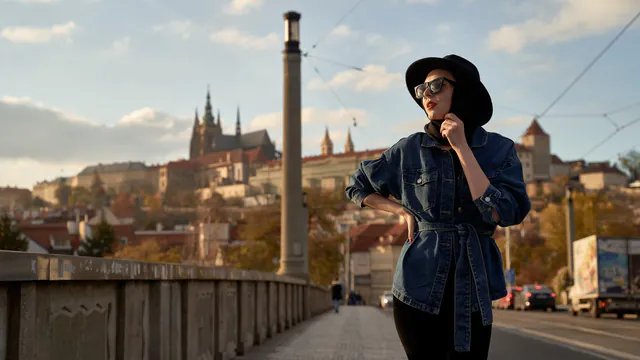
Prague in 2026 is changing. New infrastructure like the Dvorecký Bridge now connects Smíchov and Podolí. It’s a great spot for public art. The Müller Villa is open again with better digital guides. Don't miss the Museum of Prague. It just finished a huge renovation and is free for all of 2026. The Langweil model is still the star of the show. The food scene is also evolving. You'll find great third-wave coffee in almost every neighborhood now. For a classic experience, go to Café Savoy. It feels like 1920. If you’re on a budget, eat at Havelská Koruna. It’s a traditional canteen where the food is cheap and honest.
Consejos prácticos
- 1Descarga la aplicación móvil oficial 'PID Lítačka' antes de tu viaje para comprar billetes de transporte digital con descuento y evitar la trampa de la validación analógica.
- 2Explora el Charles Bridge y la Old Town Square antes de las 08:00 AM para disfrutar de una experiencia tranquila y fotogénica antes de que comience el turismo de masas.
- 3Rechaza la Conversión de Moneda Dinámica (DCC) en cajeros automáticos o terminales de venta y elige siempre que se te cobre en la moneda local Czech Koruna.
- 4Consulta si las cestas de pan no solicitadas o el agua premium que coloquen en tu mesa son gratuitos para evitar recargos innecesarios en la cuenta.
- 5Asegura tus objetos de valor en un cinturón de dinero oculto, especialmente al recorrer el Charles Bridge, la Old Town Square o el Tram 22.
- 6Evita los establecimientos muy concurridos en Prague 1 que impongan una política estricta de solo efectivo, ya que suelen estar relacionados con prácticas abusivas.
Principales atracciones
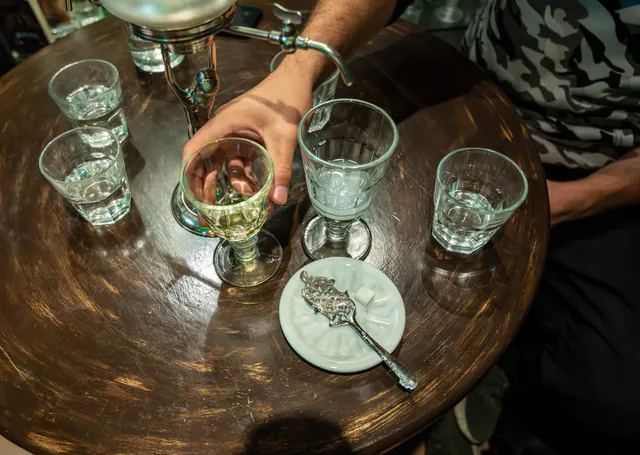
Absintherie Jilská
Sáltate las trampas de luces de neón que venden aguardiente falso a las despedidas de soltero. Encontrarás Absintherie Jilská en una tranquila calle lateral en
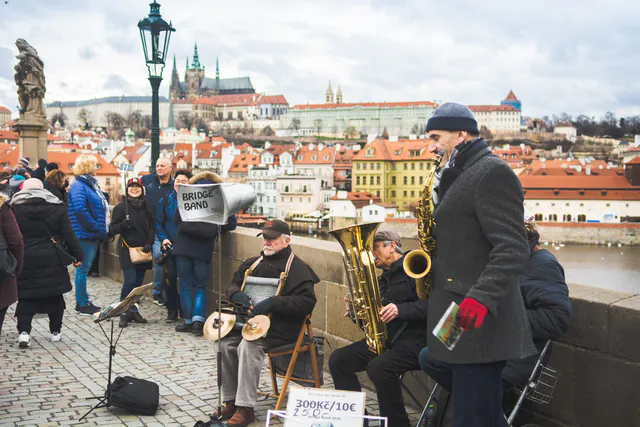
Alternative Prague Tours
Si estás cansado del ambiente de "Disneylandia" en Old Town, sal del centro. El núcleo histórico de Prague es bonito, pero también es una trampa comercial. Alte
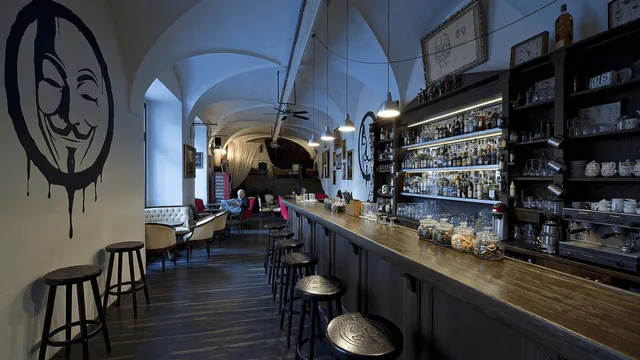
AnonymouS Bar
Olvida las típicas trampas para turistas y las cervezas caras. AnonymouS Bar es un refugio oscuro y de alto concepto escondido en las entrañas de Staré Město. N
Dónde comer
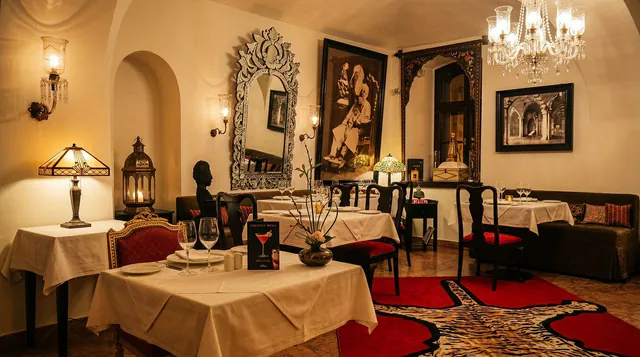
K The Two Brothers
Encontrarás K The Two Brothers Prague justo en el antiguo St. Peter's Quarter de New Town. Se sitúa directamente frente a las oscuras agujas góticas de St. Pete
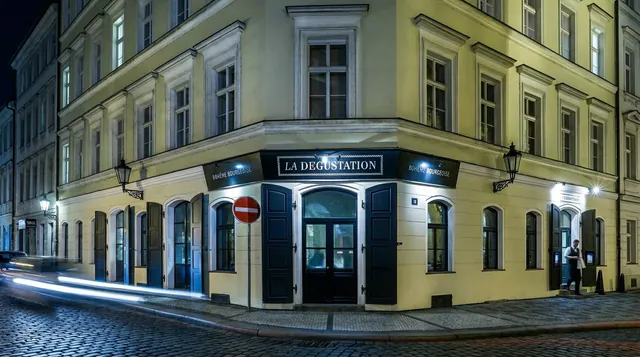
La Degustation Bohême Bourgeoise
Diríjase a la calle Haštalská en Old Town para encontrar La Degustation Bohême Bourgeoise. Es ampliamente considerado el mejor restaurante checo de Prague para
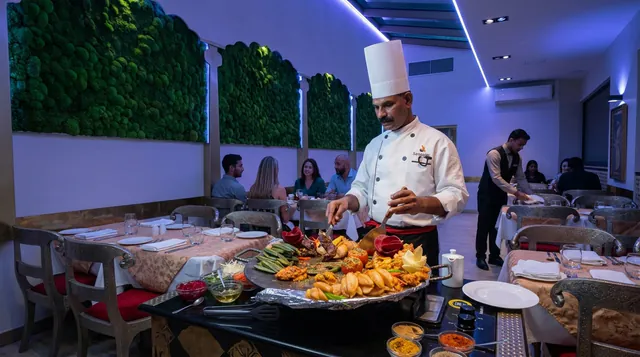
Restaurante Indio Sangam
Dirígete a Karlín. Encontrarás Sangam en la calle Sokolovská, justo en el centro del distrito tecnológico de Prague, donde las oficinas de fachada de cristal co
Preguntas frecuentes
¿Cuánto presupuesto diario debo considerar para un viaje de gama media a Prague?
¿Cuál es la mejor época del año para realizar este itinerario de 72 horas?
¿Es necesario comprar las entradas para el Prague Castle antes de llegar?
¿Cuáles son las consecuencias de olvidar validar un billete de transporte de papel?
¿Qué tan accesible es este itinerario para viajeros con movilidad reducida?
¿Dónde puedo encontrar una experiencia local auténtica lejos del concurrido núcleo histórico?
Guías relacionadas
- The Ultimate 1-Day Prague Itinerary: Navigating the Royal Route and Historic Centre
- Ultimate 5-Day Prague Itinerary
- Prague Budget Guide: Old Town Hall & Local Itineraries
- The Ultimate Family-Friendly Itinerary in Prague: Conquering Petřín Hill and Beyond
- Romantic Prague: An Exhaustive Itinerary Through Petřín Hill and Malá Strana
- Accessible Travel Guide to Prague: Old Town Hall & Beyond
- Václav Havel Airport Prague Guide
- Staroměstská radnice and the Comprehensive Prague Autumn Travel Guide
Planificador de ruta
Elige tus intereses. Nosotros armamos tu día.
PruébaloEtiquetas
Lugares en Prague
Atracciones, hoteles y otros lugares relacionados.