Uncorking Vienna: The Ultimate Local Guide to Urban Vineyards, Heurigen, and Wine Bars
Written by
Nils Johansson | Founder
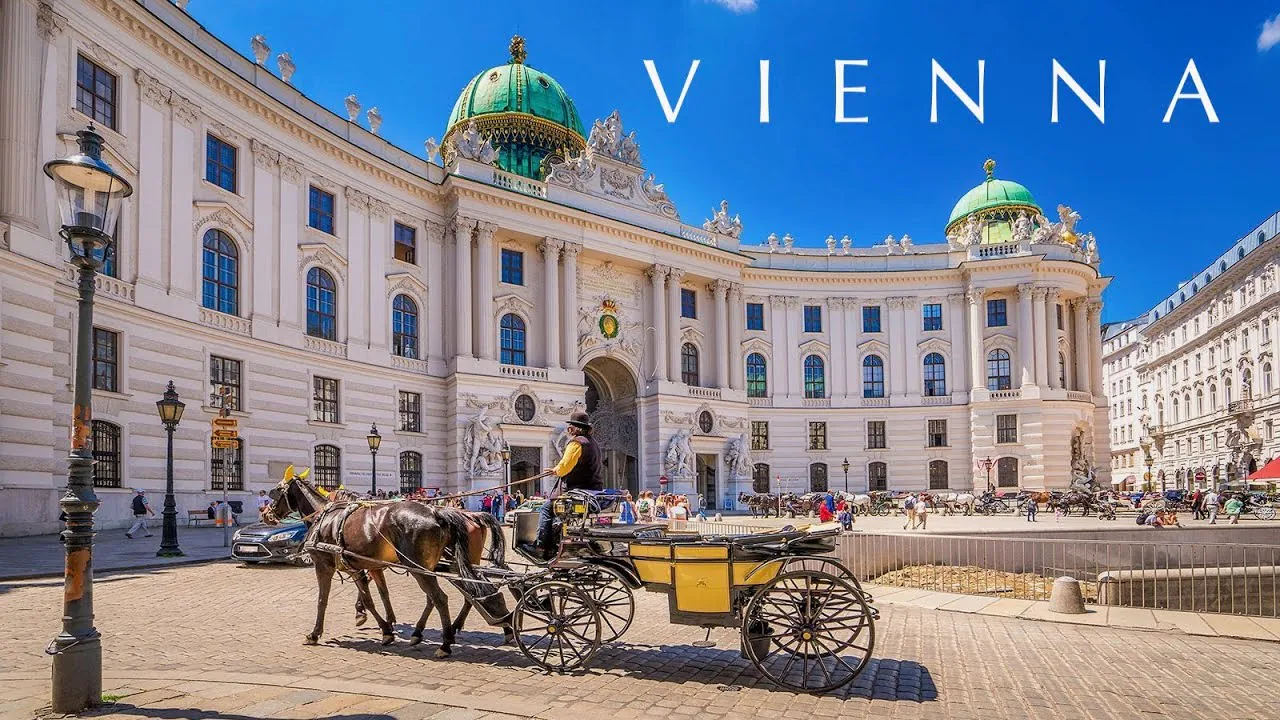
Vienna is the only global capital producing serious amounts of wine within its city limits. Forget the imperial palaces and coffeehouses for a moment. The real local culture lives in the 700 hectares of urban vineyards. You will find them on the limestone slopes of the Nussberg and the sandy cellar alleys of Stammersdorf. Understanding vienna wine is the only way to truly understand the Viennese soul. We don't just drink; we ritualize. We beat the heat in a rustic Heuriger (wine tavern) under a canopy of vines. In autumn, we hunt for cloudy, fermenting Sturm. In winter, we hide in low-lit inner-city bars where sommeliers pour biodynamic vintages. This guide skips the tourist traps. It's your roadmap to decoding historic menus, tracking down the best field blends, and navigating the new wave of natural wine bistros.
Photos
The Birthplace of Urban Wine: A Brief History
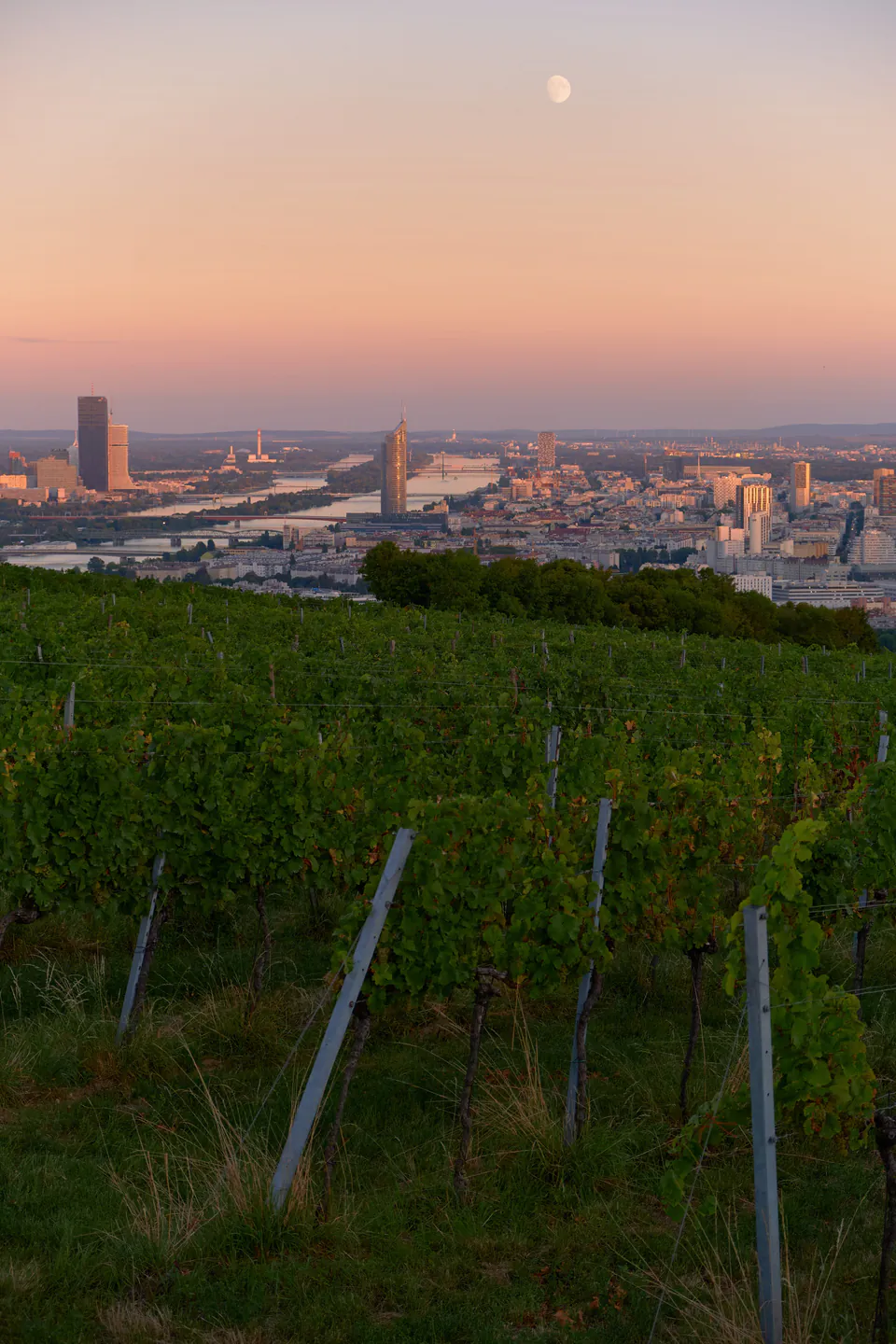
To appreciate your glass, you need to thank Emperor Joseph II. In 1784, he decreed that winemakers could sell their own food and wine directly to the public without a permit. This created the Heuriger. It’s a word that describes both the tavern and the young wine itself. While other cities paved over their fields, Vienna kept its hills green. Today, 600 producers work 700 hectares inside the city borders. It isn't a hobby. They churn out 2.4 million liters annually. About 85% is white. Districts like Döbling offer mineral-heavy whites from limestone soil. Over the Danube in Stammersdorf, the black earth produces rounder profiles and bold reds like Zweigelt. You can be at St. Stephen’s Cathedral and reach a working farm in 20 minutes via tram. Watch for tractors sharing the road with Porsches. It’s a farm-to-table system that has been running for two centuries. Functional. Ancient. Deeply local.
Decoding Gemischter Satz: Tasting Vienna in a Glass
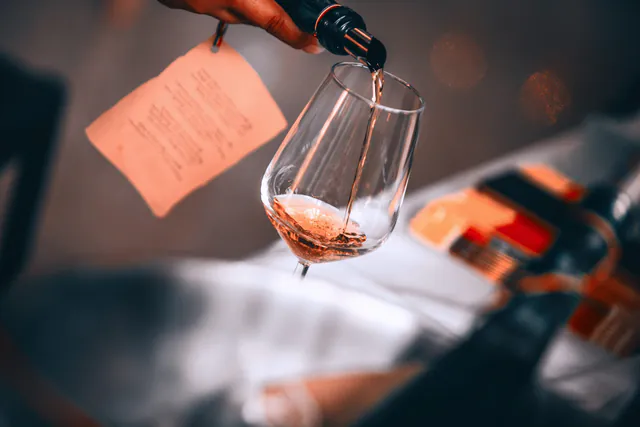
Wiener Gemischter Satz is the city's liquid mascot. It used to be a cheap table wine for thirsty hikers. Then, in the 1990s, winemakers like Fritz Wieninger saw its potential. Now, it has protected DAC status and a Slow Food seal. It isn't a standard blend. It's a field blend. Winemakers plant different varieties like Grüner Veltliner, Riesling, and Chardonnay side-by-side in one vineyard. They harvest and press them all at once. By law, there must be at least three varieties. The largest can't exceed 50%. The third largest must be at least 10%. It captures the exact mood of a single plot. Expect a copper glow and scents of rose and peach. A top bottle runs between €15 and €35. If you're in the center, duck into Vinothek St. Stephan at Stephansplatz 6. It's the oldest wine shop in town. They know their dirt and their grapes.
The Heuriger Experience: Tradition in the Vineyards
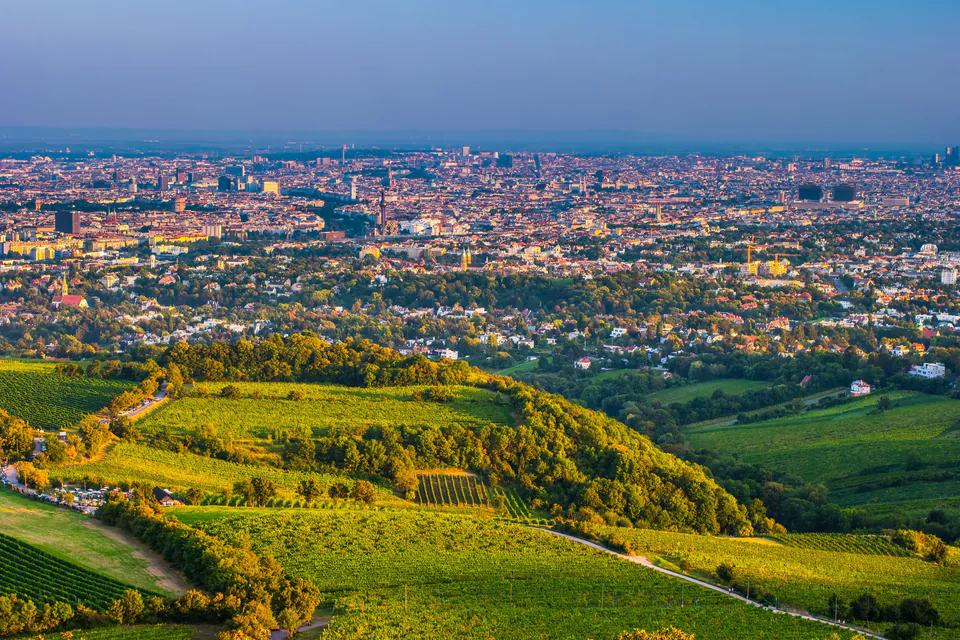
A weekend at a Heuriger is mandatory. But you have to pick the right one. Look for the 'Buschen'—a bundle of pine branches hanging over the door. That means they're open for business. Skip Grinzing; it's a magnet for tour buses. Head higher to Nussdorf or Neustift am Walde instead. In Nussdorf, go to Heuriger Sirbu. It sits right on the Kahlenberg slopes with a 180-degree sweep of the Danube. Grab a 'Brettljause' (a meat and cheese board) and some Liptauer spread. Another icon is Fuhrgassl-Huber. It has a massive, romantic garden and a loud, friendly vibe. One warning. Never order a beer. It’s an insult to the host. If you want something light, get a Weisser Spritzer. It’s half wine, half soda, and perfectly refreshing.
Across the River: Stammersdorf's Bohemian Charm
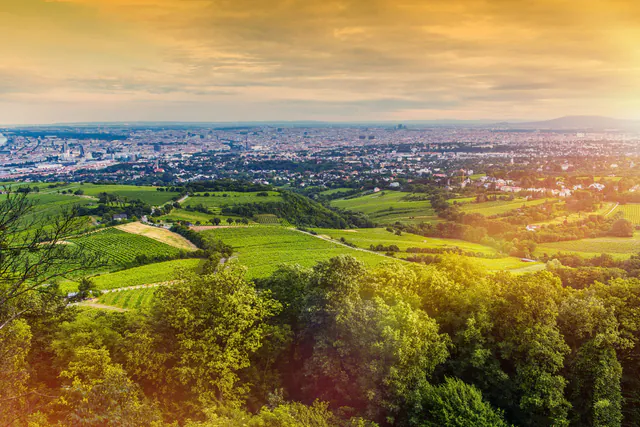
Cross the Danube to the 21st district for the real deal. Stammersdorf feels like a rural village, not a capital city. Its Kellergasse (cellar alley) is quiet and authentic. The soil here handles reds beautifully. Visit Weinhandwerk for a bohemian escape. It’s a Buschenschank, meaning they only serve cold food. Owner Martin Strobl makes incredible wild herb tapas from foraged greens. It's the best way to end a hike on the Bisamberg trails. Down the road is Heuriger Wieninger. This is the flagship for the man who saved Gemischter Satz. Try his 'Wiener Trilogie' red blend. It proves this city isn't just a one-trick pony for whites. Take Tram 31 to the end of the line. You'll find genuine 'Gemütlichkeit' without the crowds.
Inner-City Bistronomy: The Modern Wine Bar Scene
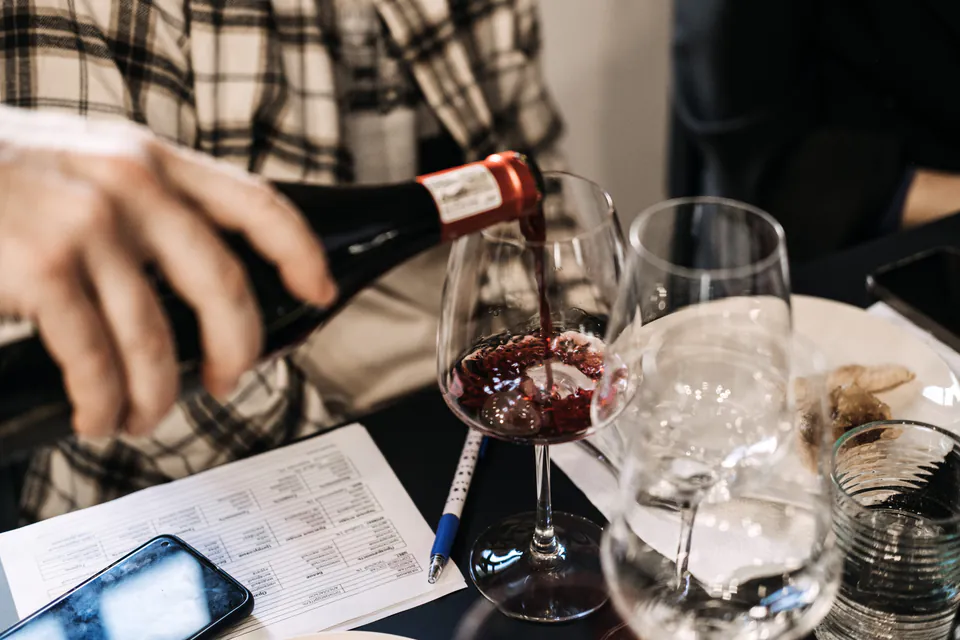
Wine culture doesn't stop at the city limits. The inner districts are currently obsessed with 'Bistronomy.' These spots pair high-end food with massive vienna wine lists. MAST Weinbistro in the 9th is the gold standard. Run by top sommeliers Matthias Pitra and Steve Breitzke, it focuses on natural, low-intervention bottles. Expect to pay €25 to €120 for something special. In the 3rd, Heunisch & Erben is a library for drinkers. They have a 68-page menu and 100 options by the glass. If you're stuck in the 1st district, find Vinothek W-Einkehr. It feels like a country inn hidden in the city. The owner, Bernard, specializes in rare reds from Carnuntum. These bars are the sleek, modern cousins to the rustic taverns on the hill.
Bubbles and Cellars: The Schlumberger Experience
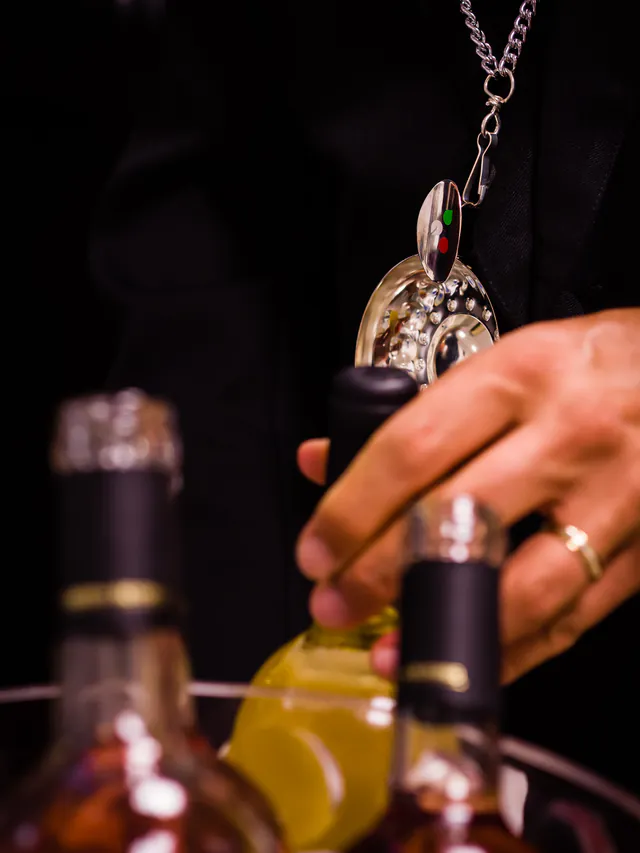
Vienna also does sparkling wine, or 'Sekt,' with serious history. Schlumberger has been at it since 1842. Their Kellerwelten in the 19th district is a 300-year-old labyrinth. For about €16, you get a self-guided tour through these cold, dark tunnels. You can even try 'hand-riddling' bottles on the racks. The ticket includes a glass of Sekt at the end. Worth every cent. If you want grower champagne, go to Dosage Bar à Champagne on Fleischmarkt. It's chic and hidden. Owner Friso Schopper serves small-batch labels you won't find elsewhere. Glasses start at €13. If you can get the secret code, their rooftop terrace is the place to be. Pair your bubbles with truffled salami and look out over the cathedral spires.
Autumn Magic: The Cult of Sturm and its Etiquette
Visit in September or October to witness the Sturm craze. This is partially fermented grape juice. It's cloudy, sweet, and kicks like a mule. Because it's still fermenting, the bottles can't be sealed or they'll pop. You'll see locals clutching open bottles on the U-Bahn. But be careful. There are rules. Since Sturm isn't 'official' wine yet, you cannot say 'Prost.' Don't clink your glasses either. Look your friends in the eye and say 'Mahlzeit' instead. And use your left hand. Use your right hand or say the wrong thing and you're buying the next round. It's a rigid, hilarious tradition. And it's exactly how we celebrate the harvest.
Practical Tips
- 1Take the tram, not a taxi. Use Tram 38 for Grinzing, Tram D for Nussdorf, or Tram 31 for Stammersdorf. A ride costs €2.40.
- 2Look for the 'Ausg'steckt' sign and a bundle of pine branches (the Buschen) to confirm a tavern is actually open.
- 3Ordering beer at a Heuriger is a rookie mistake. It insults the winemaker. Stick to the house white or a Weisser Spritzer.
- 4Traditional taverns use self-service buffets. Order your drinks at the table, then walk to the counter for your food.
- 5Autumn visitors: drink Sturm with your left hand, don't clink, and say 'Mahlzeit'. Break the rule and you buy the round.
- 6Budget €5 to €9 for a glass in the city center. A solid bottle of natural wine usually starts around €25.
- 7The Schlumberger cellar tour is a steal at €16 (roughly $18 USD). It lasts 50 minutes and includes a tasting.
- 8Buy your souvenirs at Vinothek St. Stephan. It's been there since 1976 and has the best selection of rare Austrian spirits.
Tours & Experiences
Book popular tours in Vienna
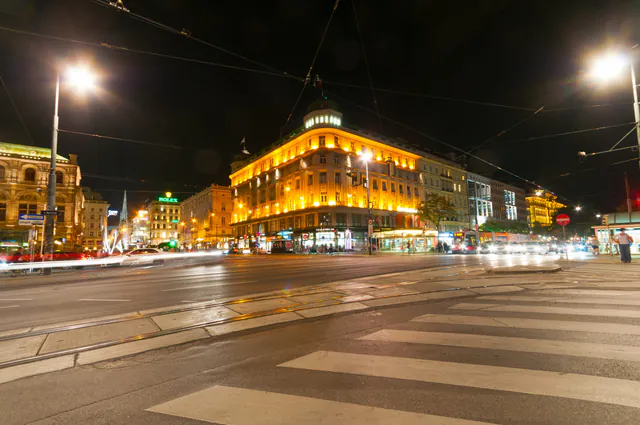
Top Attractions
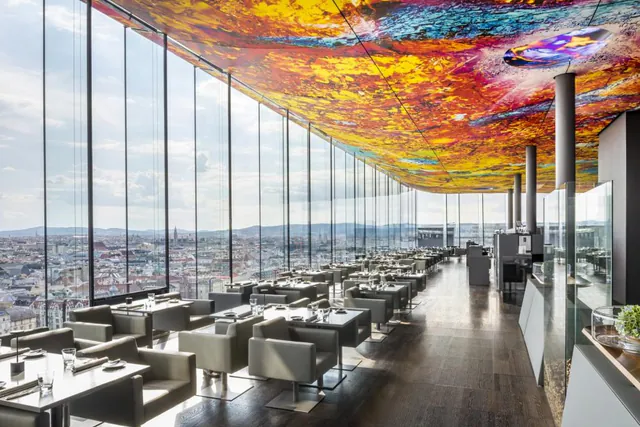
Das Loft Bar & Lounge
Perched 18 floors above the Leopoldstadt pavement, Das Loft Bar & Lounge is the city's undisputed heavyweight champion for sky-high views. You won't find dusty
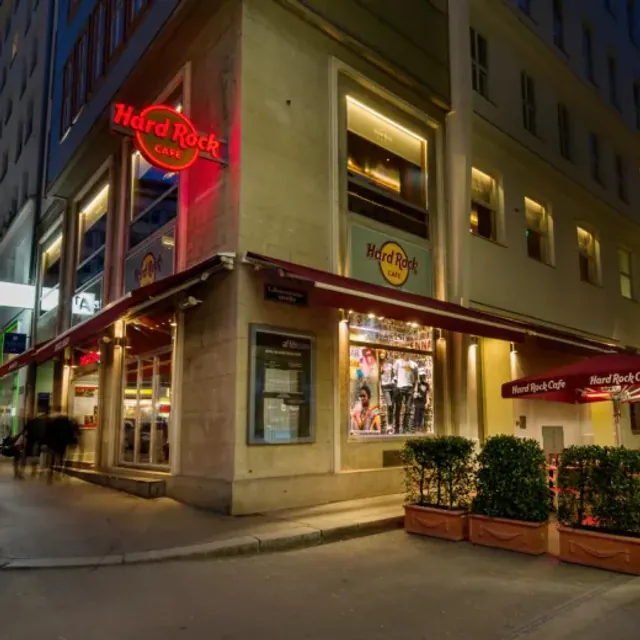
Hard Rock Cafe Vienna
Drop into the First District and you'll find the Hard Rock Cafe Vienna parked on Rotenturmstraße, a short walk from the spikes of St. Stephen’s Cathedral. It's
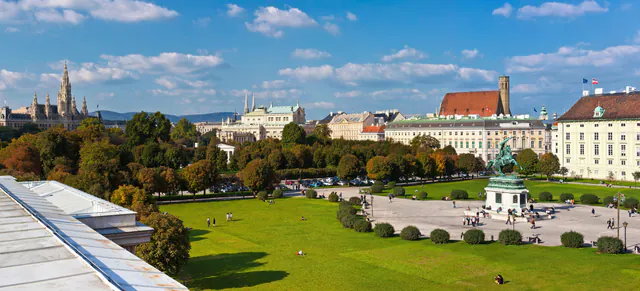
Wolfy's Adventures
Forget the dry, scripted lectures of standard walking tours. Wolfy's Adventures is the cure for the common tourist trap, offering a deep dive into Vienna throug
Frequently Asked Questions
What exactly is a Viennese Heuriger?
What is the most famous wine to try in Vienna?
When is the best time of year to visit Vienna for wine?
Do I need to tip at wine bars and Heurigen in Vienna?
Is it expensive to drink wine in Vienna?
What is the difference between a Heuriger and a Buschenschank?
Related Guides
- Vienna Craft Beer Guide: Microbreweries, Taprooms, and Local Pints
- Vienna Dining Etiquette & Tipping: A Comprehensive Local Guide
- Vienna's Culinary Crown Jewels: The Must-Try Local Dishes
- Vienna After Dark: The Ultimate Local Nightlife Guide
- Vienna Plant-Based: The Ultimate Local's Guide to Vegetarian & Vegan Dining
- Vienna Sachertorte & Pastry Guide: The Ultimate Sweet Tooth Itinerary
- The Perfect 24 Hours in Vienna: An Insider's 1-Day Itinerary
- The Ultimate 3-Day Vienna Itinerary: Imperial Grandeur to Hidden Heurigen
Restaurant Finder
Filter restaurants by cuisine, price, and more.
Try itTags
Places in Vienna
Related attractions, hotels, and more.