Vienna's Culinary Crown Jewels: The Must-Try Local Dishes
Written by
Nils Johansson | Founder
Vienna doesn't just have a history; it eats it. This is the only city on earth with an entire cooking style named after it—Viennese cuisine—and it's a serious business. You'll hear the rhythmic thud of veal being tenderized in imperial kitchens and smell the steam rising from late-night sausage stands. It's a masterclass in staying power. I've spent years figuring out which spots are overpriced traps and which are genuine temples to the craft. This guide isn't just a list of what to eat. It's the 'how' and 'where' that matters. Whether you're cracking the marrow out of a bone at a copper-pot table or arguing over the correct frying fat for a schnitzel, dining here is a ritual. Forget the generic fluff. Grab a Thonet chair and let's get into the real addresses and unwritten rules of Austria's capital.
Photos
The Imperial Ritual: Mastering Tafelspitz
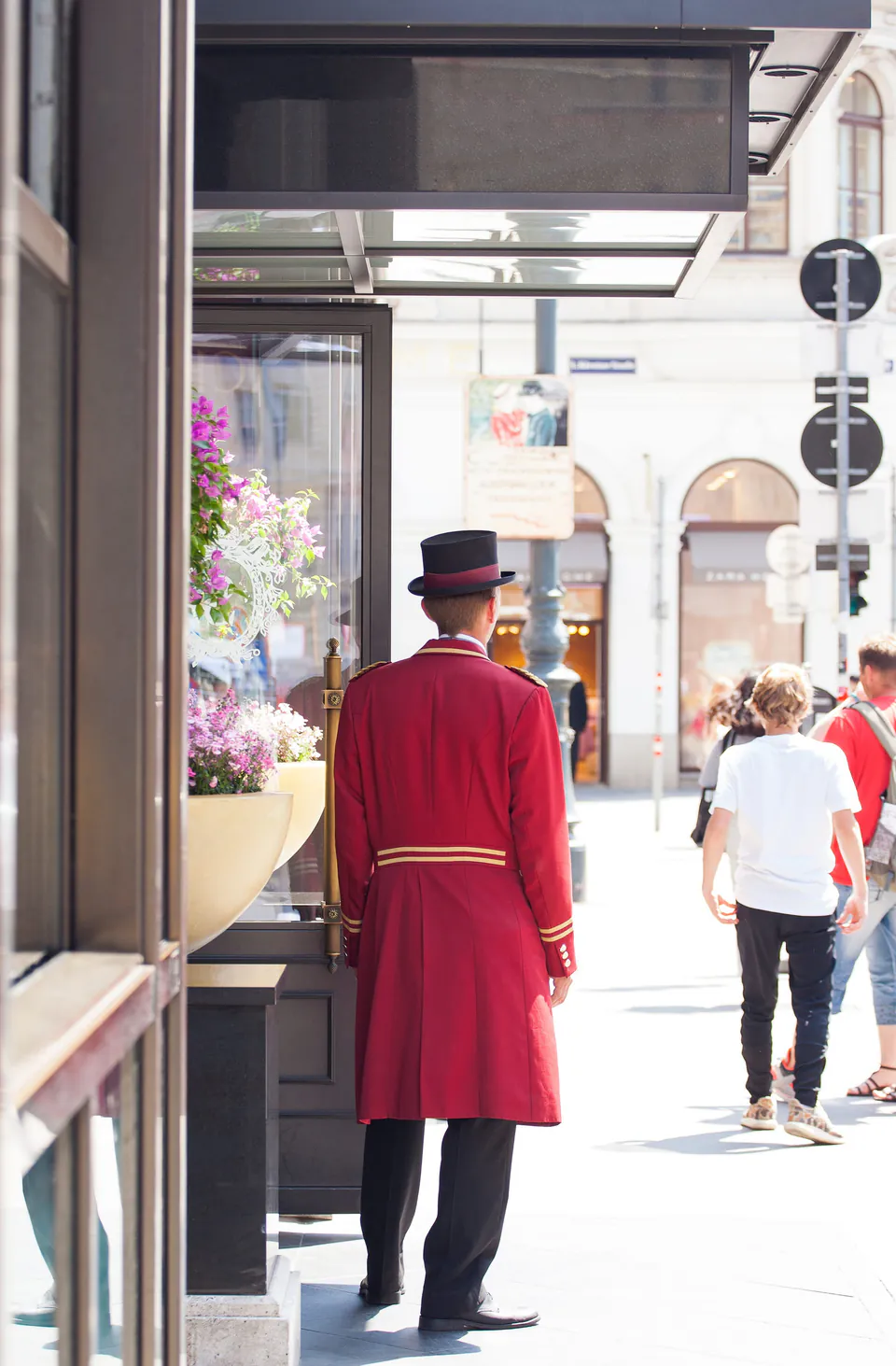
Emperor Franz Joseph ate this every single day. But Tafelspitz is more than boiled beef; it's a secular religion. The high priest of the craft is Plachutta Wollzeile in the First District. It's a theater of silver and copper where CEOs rub elbows with tourists. When you order here, a waiter brings a heavy pot of beef and root vegetable broth. Don't touch the meat yet. First, you ladle the broth over Frittaten (sliced pancakes). Then comes the marrow. Scoop it out, spread it thick on toasted rye, and hit it with coarse salt. Finally, eat the beef. It should be tender enough to cut with a spoon. Pair it with crispy rösti, creamy spinach, and Apfelkren (apple-horseradish). I suggest ordering the 'Gustostückerl' cut for better fat marbling. You'll pay €38 to €42 for the beef, plus extra for sides and a small cover charge. It's expensive. It's also worth every cent.
The Symphony of the Wiener Schnitzel
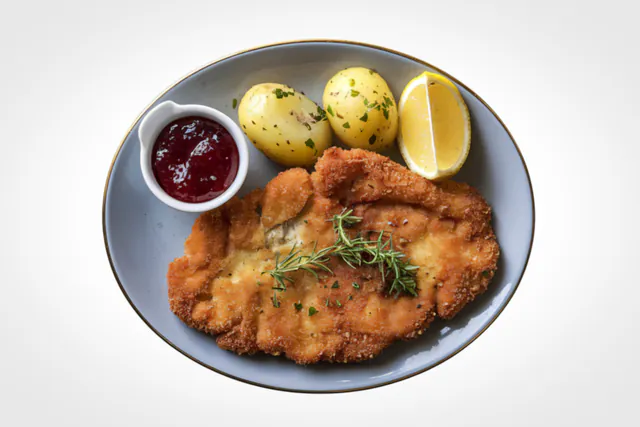
The heartbeat of a Viennese kitchen is the sound of a meat mallet. For the gold standard, head to Meissl & Schadn on the Schubertring. It's an elegant room with high ceilings that avoids feeling like a museum. They have an open kitchen where you can watch chefs pound veal into submission before the 'soufflé' fry. This is where the breading puffs up like a cloud, separating slightly from the meat. You have to choose your fat here. Go with vegetable oil, clarified butter, or traditional pork lard. Sigmund Freud chose the lard, and you should too. At €28.90, the schnitzel is a splurge, and the potato salad costs extra. But it's a flawless execution of the national dish. Order it 'mit allen Schikanen' to get the proper garnish of parsley, capers, egg, and anchovy. This is a core part of any real vienna food guide.
Street Food Royalty at the Würstelstand
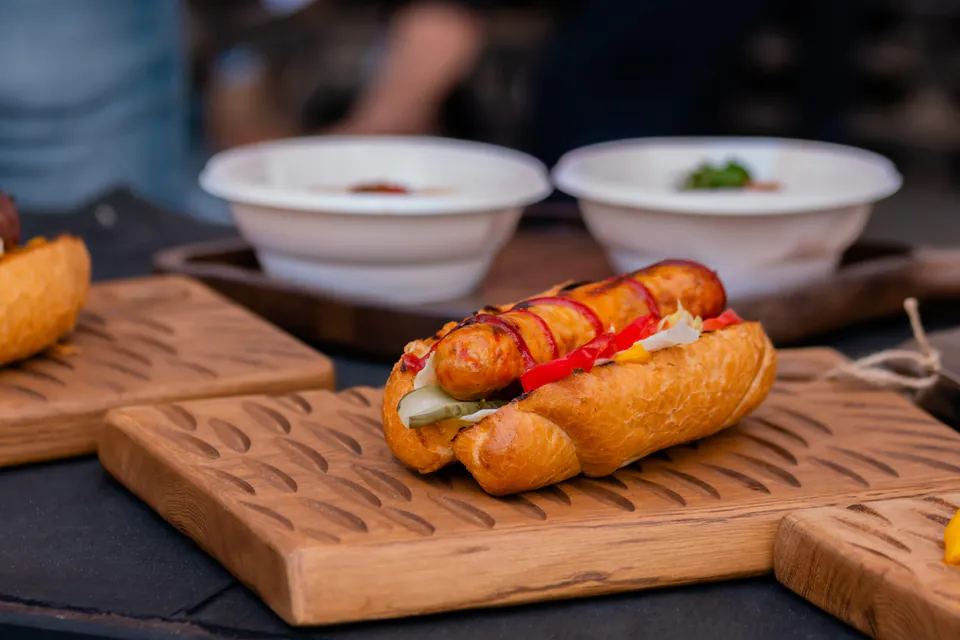
You haven't seen the real Vienna until you've eaten a sausage off a paper plate at 1:00 AM. The Würstelstand is so vital that UNESCO protected it as cultural heritage in 2024. Bitzinger, the stand with the green rabbit by the Albertina Museum, is the one to beat. Order the Käsekrainer. It's a smoked pork sausage stuffed with Emmental cheese that melts and forms a crunchy crust on the grill. They'll chop it up and serve it with sharp mustard and fresh horseradish for about €6.00. It's the ultimate social equalizer. You'll see guys in tuxedos standing next to street cleaners and club kids. Skip the standard hot dog. Grab a Waldviertler sausage and a cold Zwettler beer. If you're feeling flashy, they even sell Moët by the glass to drink on the sidewalk.
A Slice of History: The Original Sachertorte
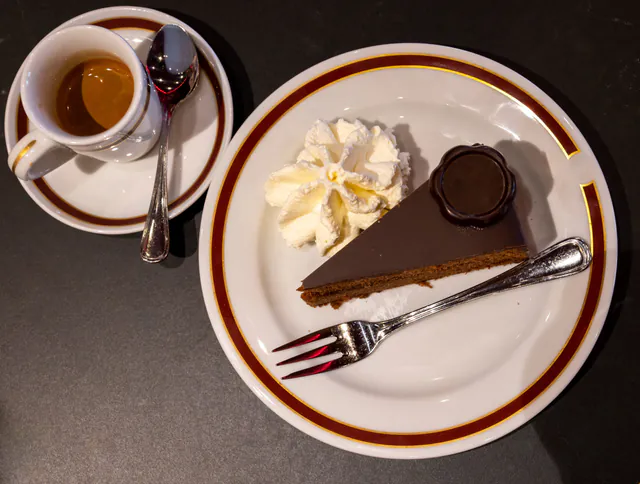
Franz Sacher was only 16 when he invented this in 1832. Now it's the most famous cake on earth. The recipe is a state secret: dense chocolate sponge, a thin streak of apricot jam, and a stiff bittersweet glaze. To get the real thing, go to Café Sacher on Philharmoniker Straße. The room is all red velvet and crystal chandeliers. A slice costs about €10.50 and comes with a round chocolate seal. People complain it's dry. They're wrong. It's a historical recipe designed to be eaten with a massive dollop of unsweetened whipped cream and a strong coffee. That combination is the point. The line outside is usually a nightmare, so show up at 8:00 AM when they open. You'll get the same cake without the 45-minute wait.
Comfort in a Bowl: The Fiakergulasch
Schnitzel gets the postcards, but Gulasch runs the city. The Viennese version, Saftgulasch, uses an equal weight of onions to beef, slow-cooked until the onions disappear into a thick, dark gravy. Go to Gulasch & Söhne at the Grand Ferdinand hotel. It's a sharp, modern bistro that does a mean Fiakergulasch. This 'coachman's' version comes topped with a fried egg, a sausage, and a pickle. A large bowl is roughly €9.00, which is a steal on the Ringstraße. It's the perfect high-low experience. You sit in a fancy marble-heavy room but eat a messy, comforting bowl of stew. Pair it with a 'Pfiff' (a tiny beer) or their house champagne. They're open from 8:00 AM until midnight. It's the best pit stop in the city for a quick, heavy hit of local flavor.
Practical Tips
- 1Book your table weeks out. Places like Plachutta and Meissl & Schadn don't have 'lucky' walk-ins. Use their sites or The Fork app.
- 2Learn the law of the meat. A real 'Wiener Schnitzel' is veal. If the menu says 'Wiener Art,' it's pork. It's cheaper, but it's not the real deal.
- 3Don't leave cash on the table. When the bill comes, tell the waiter the total including the tip (round up 5-10%). If it's €28, say '31' while handing over your card or cash.
- 4Order like a local at the sausage stand. A Käsekrainer is an 'Eitrige.' Get it with 'Schwarzbrot' (dark rye) and 'scharfem Senf' (spicy mustard).
- 5Skip the Sacher queue. If you want the cake without the heatstroke, arrive at Café Sacher at 8:00 AM. Breakfast cake is a valid Viennese choice.
- 6Expect the 'Gedeck.' Upscale spots charge €3.00 to €4.00 per person for bread and the table setting. It's not optional, so don't argue about it.
Where to Eat
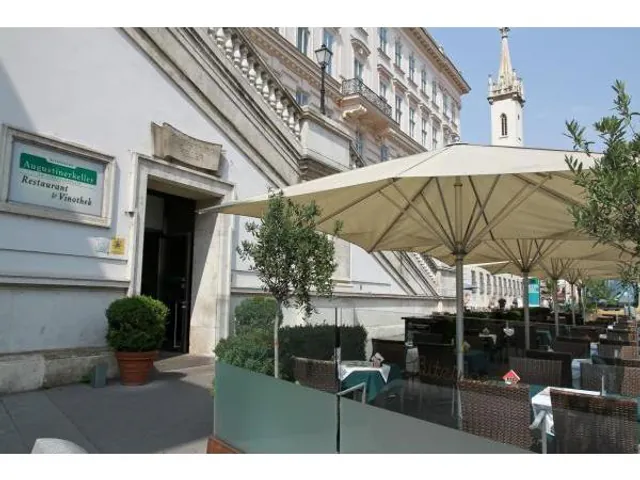
Bitzinger Augustinerkeller
Forget the sterile museum cafes. Duck beneath the Albertina in Vienna's 1st district to find the Bitzinger Augustinerkeller, a massive subterranean cellar that
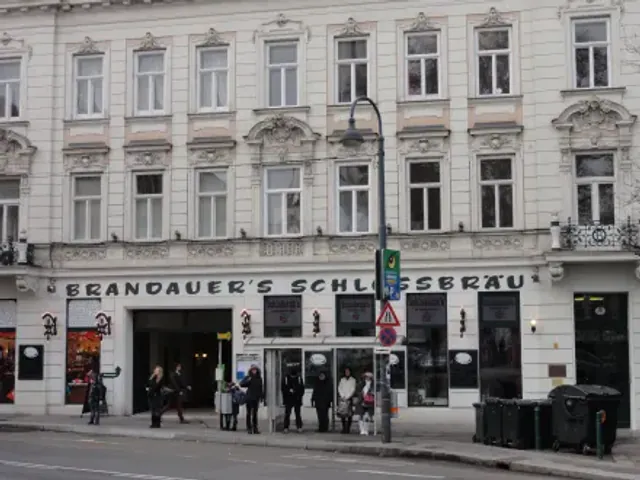
Brandauer Schlossbräu
Don't settle for the overpriced tourist traps surrounding Schönbrunn Palace. Walk a few minutes to Am Platz 5 and duck into Brandauer Schlossbräu instead. This
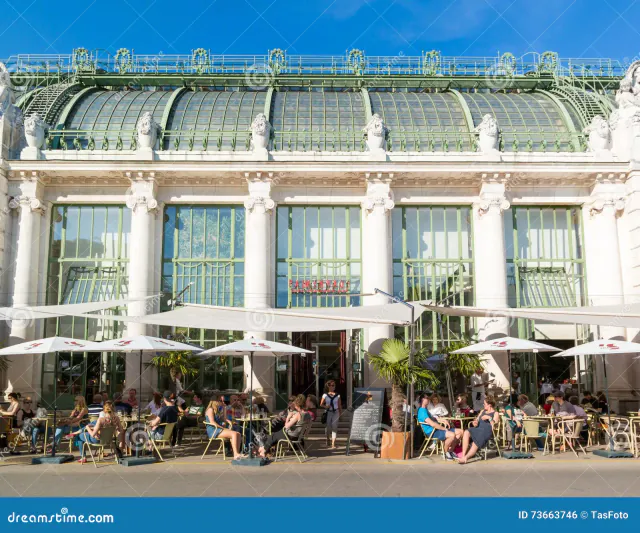
Brasserie Palmenhaus
Drop into the Burggarten and you cannot miss it. Brasserie Palmenhaus is a massive 19th-century glasshouse built for Emperor Franz Joseph I. It is easily one of
Frequently Asked Questions
What is the difference between Wiener Schnitzel and regular Schnitzel?
Do I need to dress up to eat at traditional restaurants in Vienna?
Can I share a dish at Viennese restaurants?
Is tap water free in Vienna restaurants?
Why is the Sachertorte served with unsweetened cream?
What is the best time to visit a Würstelstand?
Related Guides
- Vienna Craft Beer Guide: Microbreweries, Taprooms, and Local Pints
- Vienna Dining Etiquette & Tipping: A Comprehensive Local Guide
- Vienna After Dark: The Ultimate Local Nightlife Guide
- Vienna Plant-Based: The Ultimate Local's Guide to Vegetarian & Vegan Dining
- Vienna Sachertorte & Pastry Guide: The Ultimate Sweet Tooth Itinerary
- Uncorking Vienna: The Ultimate Local Guide to Urban Vineyards, Heurigen, and Wine Bars
- The Perfect 24 Hours in Vienna: An Insider's 1-Day Itinerary
- The Ultimate 3-Day Vienna Itinerary: Imperial Grandeur to Hidden Heurigen
Restaurant Finder
Filter restaurants by cuisine, price, and more.
Try itTags
Places in Vienna
Related attractions, hotels, and more.