Viennale (Vienna International Film Festival)
Film Festival
About This Event
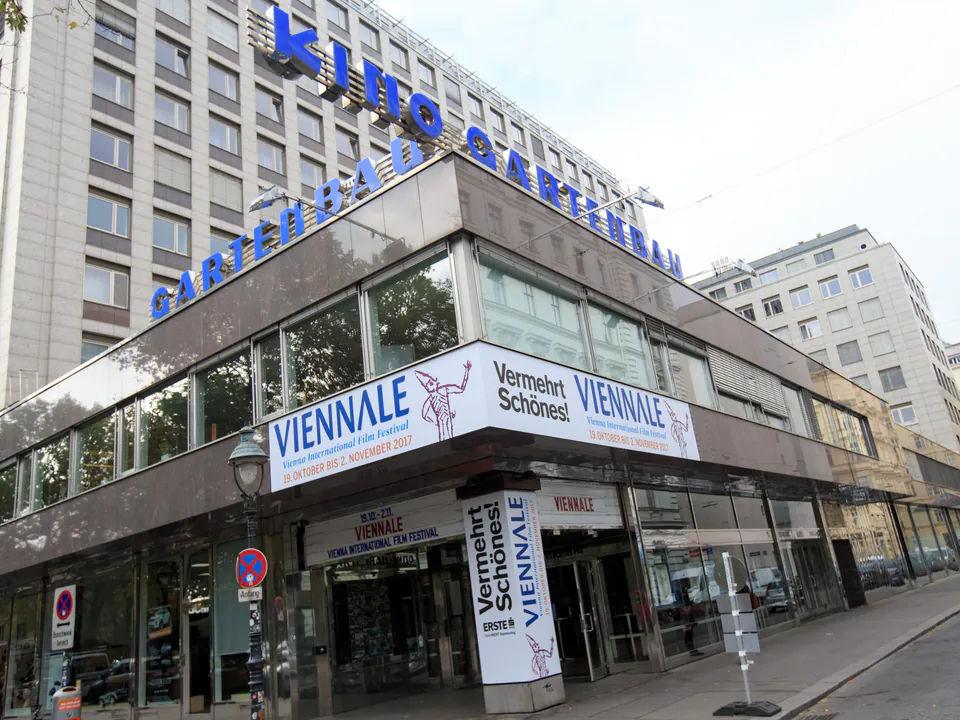
When October's chill hits the Ringstraße, Vienna stops being a museum and starts being a cinema. The Viennale is Austria's heavy-hitter film event, but it lacks the ego of Cannes or the frantic industry-churn of Berlin. It's built for people who actually like movies. For two weeks, the city fills with a sharp mix of indie features, blunt political documentaries, and experimental shorts. You won't find these films at your local multiplex. The festival ditches generic mall theaters for grand, single-screen icons like the Gartenbaukino. This 1960s landmark is the festival hub, where you can still see 70mm film projected onto a massive screen. Every international flick plays in its original language with subtitles. It's smart, communal, and unpretentious. You'll catch a premiere at night and then find yourself debating the director's choices at a nearby bar until 2 AM. It's a total immersion into global storytelling.
History
A handful of film journalists started this whole thing in 1960. Back then, it was a scrappy, unsubsidized DIY project called the 'International Festival of the Most Interesting Films of the Year 1959.' They only had 18 films and zero cash. It almost died in 1961 due to a lack of funds, but the City of Vienna stepped in to pay the bills a year later. By 1978, it settled into its current 14-day October slot. Now it's a behemoth that screens 300 films and hands out the prestigious Vienna Film Prize. It turned cinema from a weekend hobby into a serious Austrian art form.
The Programme
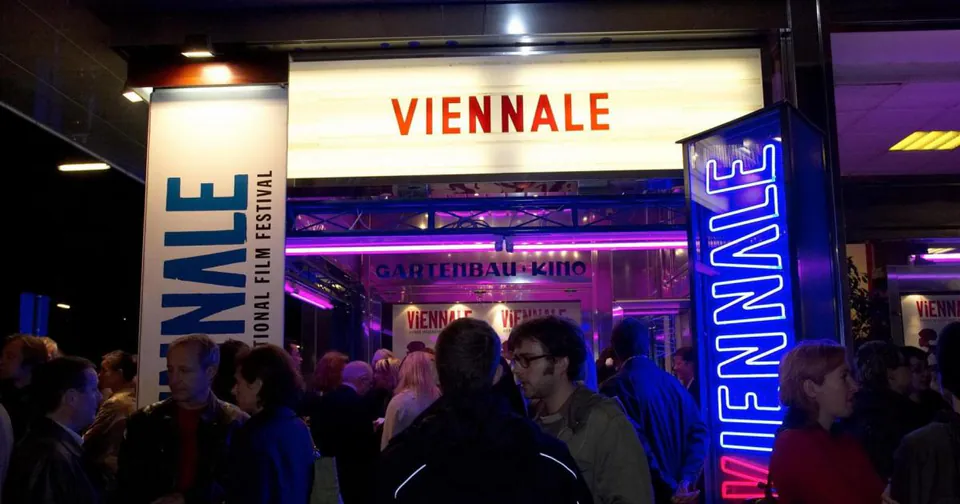
The lineup is a curated middle finger to the Hollywood box office. You're looking at 300 films that range from gritty documentaries to avant-garde experiments. It's the best place in Europe to see auteur works that never get a wide release. And it isn't just about the new stuff. The festival teams up with the Austrian Film Museum for massive retrospectives. One year might focus on the comedy of Elaine May, the next on Med Hondo's African roots. These aren't just screenings. They're lessons in film history. Stick around after the credits. Most shows end with live Q&As or heated panel discussions. You'll get to hear directors and actors defend their work in real time. It's a conversation, not just a viewing.
Key Venues
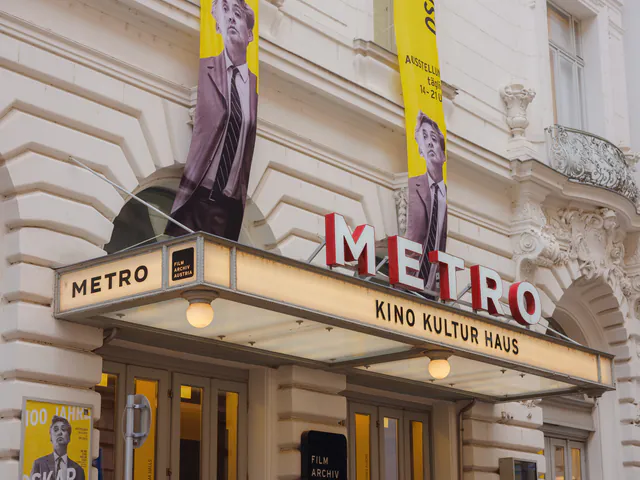
The theaters are half the draw. You won't find any sticky-floored multiplexes here. The Gartenbaukino is the undisputed king. Built in 1919 and given a cool mid-century makeover in 1960, it seats over 700 people. Watching a 70mm print here is a visceral experience. The red and gold curtain alone is worth the price of admission. Beyond the Ringstraße, you'll find the Metro Kinokulturhaus. Its wood-paneled auditorium is tight and intimate, perfect for director talks. The Stadtkino and the Urania round out the circuit. They're all close together, making it easy to sprint from one screening to the next. These old-school rooms force you to focus. No phones, no distractions, just a room full of people watching the same light. It's how movies were meant to be seen.
Tickets & Scheduling
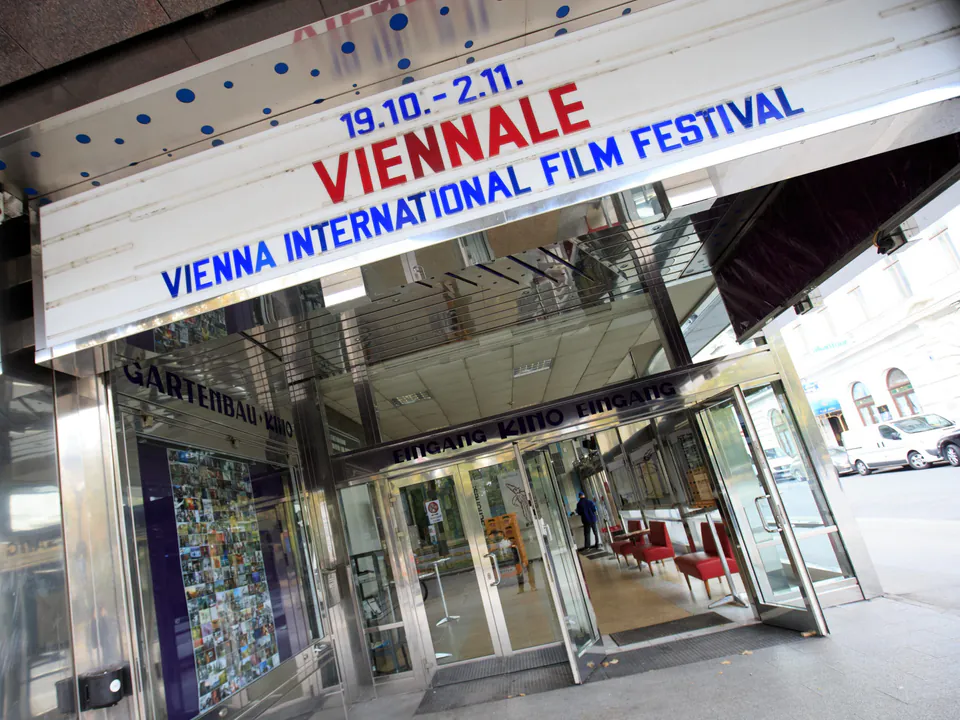
Getting Viennale tickets is a sport. The schedule drops in early October, and you have about a week to plot your moves before the box office opens around October 11th. Popular premieres vanish in hours. Go online or head to the Gartenbaukino presale office early. A standard seat is €10.50. It's a bargain for a major festival. If you're under 27, it's even better. The 'Vermehrt Schönes!' program slashes prices to €7.50 for any show starting before 5:30 PM. Don't panic if a show looks sold out. Show up at the venue 30 minutes early and grab a waiting number. People always flake, and uncollected seats go to the folks in line. You'll likely end up talking shop with the person next to you while you wait anyway.
Getting There
Public Transport
Take the U-Bahn line U3 to the Stubentor station or the U4 to the Stadtpark station. Alternatively, use tram line 2 to the Weihburggasse stop. The Gartenbaukino is a short 3- to 5-minute walk from any of these stops.
By Car
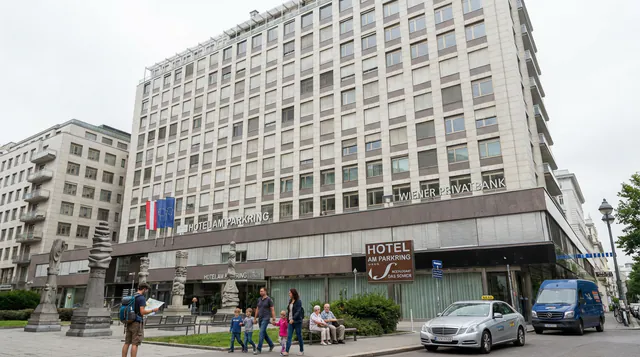
Parking in Vienna's 1st district is highly restricted and requires a short-term parking ticket (Kurzparkzone). It is strongly advised to use Park & Ride facilities at the city outskirts (like U4 Hütteldorf) or park at the WIPARK Parkring garage if driving is essential.
By Taxi / Rideshare
Taxis can drop you off directly on Parkring in front of the Gartenbaukino. A typical fare from Vienna Central Station (Hauptbahnhof) is €12-€15. Ride-hailing apps like Bolt and Uber operate reliably in the city.
Tips
- •Public transportation is by far the most efficient way to navigate between the various festival cinemas.
- •Purchase a 24, 48, or 72-hour Vienna City Card for unlimited rides on public transit during the festival.
Event Location
Venue
Gartenbaukino
Address
Parkring 12, 1010 Wien
Tips & What to Know
Check the subtitles. Films play in their original tongue. Ensure the subtitles are in a language you actually speak before booking.
Join the waitlist. Sold out doesn't always mean full. Arrive 30 minutes early for a waiting number and you'll likely get in.
Hunt for the bag. Every year there's a specific, limited-edition messenger bag. You can't buy it, so look for festival contests to snag one.
Stay for the Q&A. Don't bolt for the door. The best insights happen during the 20-minute chats with directors after the film.
Do the history. The retrospectives at the Austrian Film Museum are world-class. Use them to see how old classics influenced the new indie hits.