Prague Communism History and Nuclear Bunker Tour
Walking Tour
Duration
2h 20min
The Experience
Forget the romantic spires and cobblestone charm for a few hours. Prague has a grittier side hidden just below the surface. This Prague communism history and nuclear bunker tour takes you into the reality of life behind the Iron Curtain. You won't just hear dates and names. You'll walk the paths of the secret police and see the spots where revolutions started. It’s a deep look into Cold War paranoia and the struggle for freedom. You'll see exactly where citizens prepared for the end of the world.
You'll start by tracing the steps of the StB secret police and visiting their former cells. The tour moves to Wenceslas Square, the site of the 1968 Soviet invasion and the 1989 Velvet Revolution. But the real highlight is the Bezovka bunker in Žižkov. You'll descend 16 meters underground through heavy steel doors. It’s a massive complex built to survive a nuclear strike. This is essential for anyone who wants to understand the city's modern soul. It's blunt and heavy. Worth every forint.
Experience the Tour
The Urban Geography of Repression: Tracing the StB and the Velvet Revolution
The Prague Communism History and Nuclear Bunker Tour maps decades of trauma onto the streets you walk. You'll start in the Old Town and New Town, away from the usual postcard views. This isn't about pretty facades. It’s about the Státní bezpečnost (StB) and the grim cells where they held "enemies of the state." You'll walk down Národní třída where police beat student protesters in 1989. That event sparked the end of the regime. Then there's Wenceslas Square. This was the stage for the 1968 Warsaw Pact invasion and the later 1989 revolution. You'll stand exactly where the tanks rolled and where Havel spoke. You will see how the secret police operated in the shadows of the historic buildings. It’s a gritty lesson in power. It's a heavy walk. But it's the only way to understand how the city's urban fabric was shaped by fear and resistance.
Descending into the Cold War: Engineering the Bezovka Complex
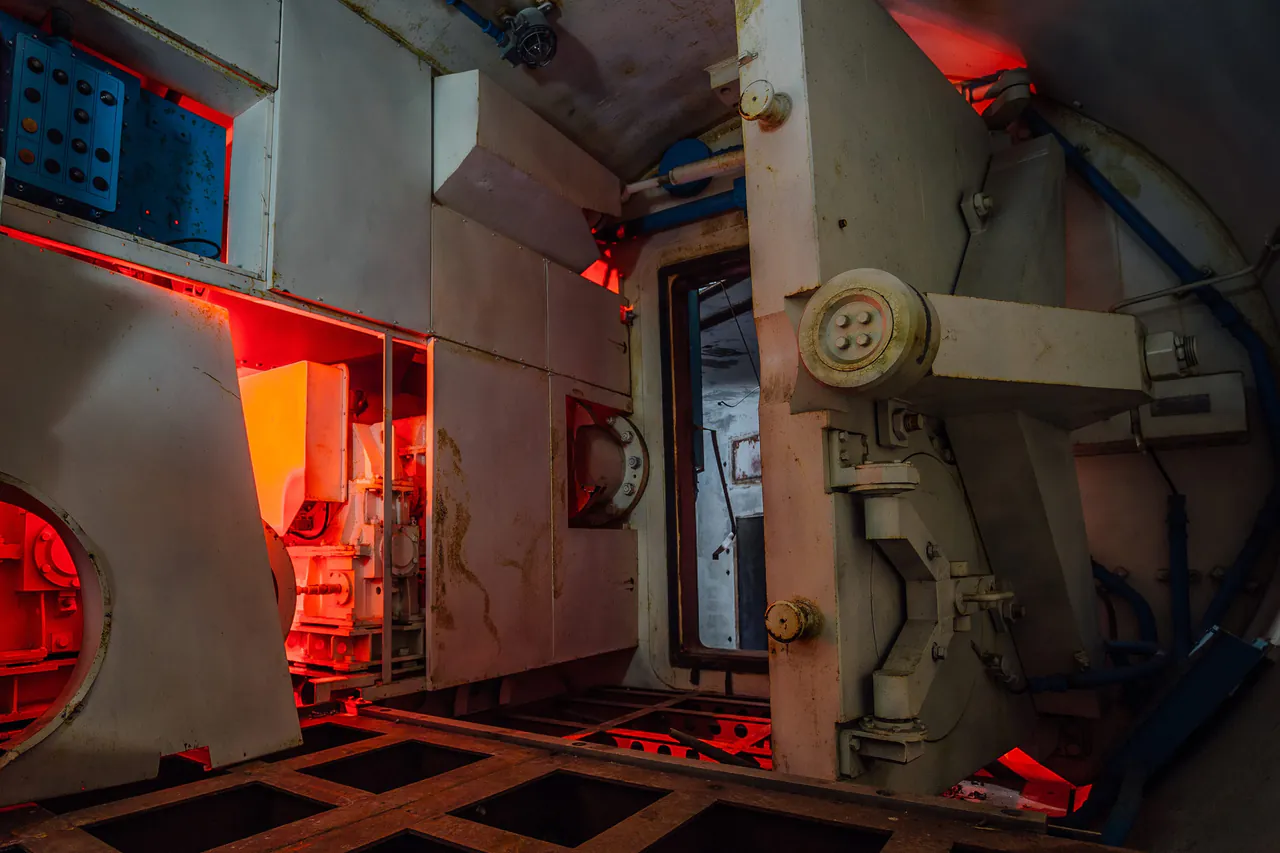
You'll leave the historic center and catch a tram to Žižkov. This is where the tour gets visceral. Parukářka Park looks like any other green hill until you spot the concrete vents sticking out of the grass. Underneath sits the Bezovka complex. It's a massive engineering feat built between 1950 and 1955. The plan was to keep 5,000 people alive for two weeks after a nuclear hit. You have to walk down a 100-foot spiral staircase to reach the bottom. That's 16 meters deep into the earth. The air turns cold fast. And the walls are raw, unpolished concrete. It’s an authentic look at survival architecture without the usual museum polish. Much of the gear is still ready for use today. You'll see the diesel generators and the chemical filtration systems that kept the air breathable.
The Curated Apocalypse: Artifacts and Psychological Atmosphere
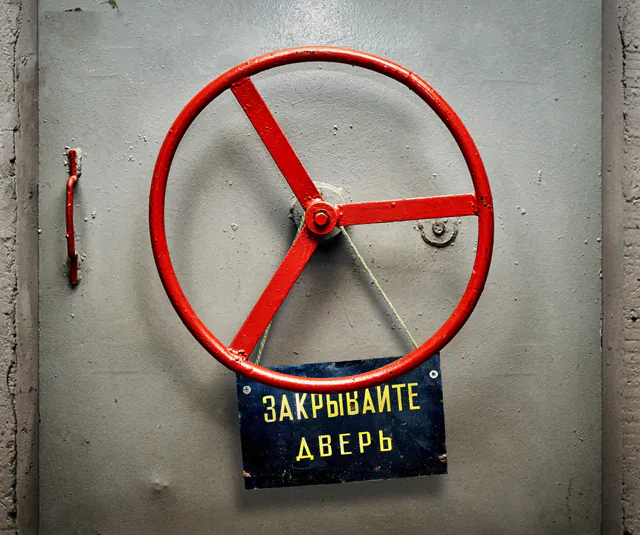
Inside the Bezovka complex, the museum feels like a curated apocalypse. The walls are gray concrete or institutional green. Huge steel blast doors with heavy locking wheels separate the living from the dead. You'll see rows of Soviet gas masks hanging on the walls. Some are tiny. Those were meant for children. It's a haunting sight. There are old telecommunications switchboards and chemical analyzers used to check for radiation. The guides use these artifacts to show how the state kept people in a constant state of panic. You'll see dioramas of medical triage and decontamination rooms too. It's a chilling reminder of how the threat of destruction was used as a tool of control. The damp air and low lights add to the sense of dread.
Dark Tourism and the Commodification of Totalitarian Memory
This tour takes you off the sanitized paths and into the preservation of totalitarian memory. It's about psychological terror. The guides make the history work. They tell personal stories about food shortages and being watched by the secret police. It isn’t just a history lesson. It’s their lives. Interestingly, parts of the Bezovka bunker have lived other lives as underground music clubs or art spaces. It shows how the modern Czech Republic deals with its communist legacy. You'll leave the bunker with a better grip on the Cold War. And you'll probably have a deep respect for the resilience of the people who lived through it. It's a tangible connection to a dark era. You won't look at the city the same way again.
Discover More in Staré Město
Nearby Attractions
Nearby Hotels
Nearby Restaurants
Frequently Asked Questions
What is the cancellation policy for the Prague Communism History and Nuclear Bunker Tour?
What should I wear for the Prague Communism History and Nuclear Bunker Tour?
Are children welcome on the Prague Communism History and Nuclear Bunker Tour?
Does the Prague Communism History and Nuclear Bunker Tour run if it is raining?
Are food or drinks provided during the Prague Communism History and Nuclear Bunker Tour?
Is the Prague Communism History and Nuclear Bunker Tour wheelchair accessible?
Experience Starts At
Location Guide
Staré Město (Old Town)
Explore Staré Město