The Definitive Guide to Healthcare & Pharmacies in Prague
Written by
Nils Johansson | Founder
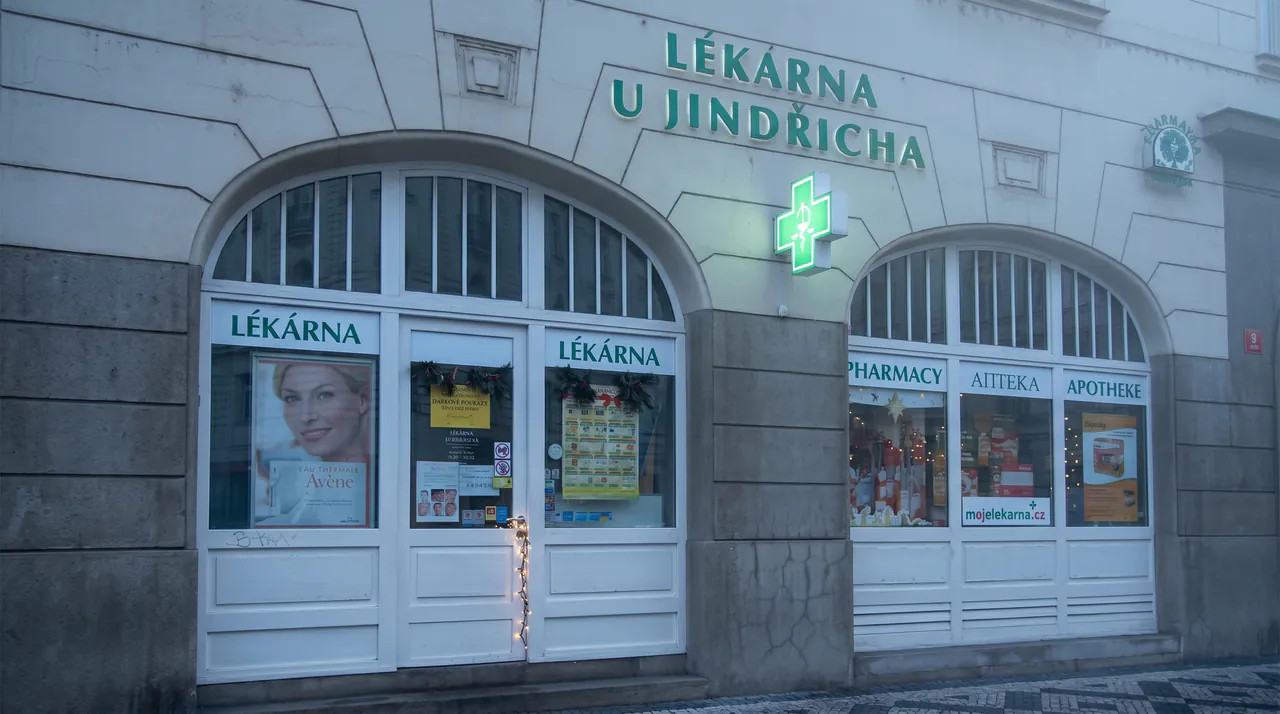
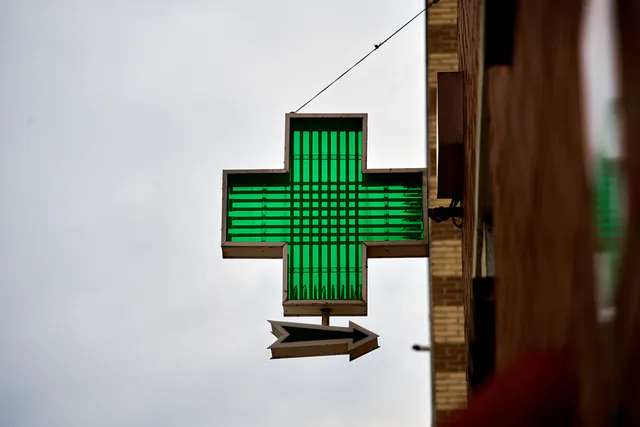
Getting sick in a foreign city is never fun. You're stuck in Nové Město with a fever and no idea where to go. Prague handles this well with a network of pharmacies called a lékárna. Look for the glowing green cross. Lékárna Palackého is your 24-hour anchor in the city center. It doesn't look like a drugstore back home. It's clinical and professional. The staff speak great English. They won't just sell you pills. They'll give you actual medical advice. When night falls, the main doors lock. You'll have to use the small night window (pohotovostní okénko) on the street. Ring the bell. A pharmacist will help you through the glass. It’s a lifesaver when you’ve lost your luggage or need a midnight prescription.
The Structure and Financial Mechanics of the Czech Healthcare System
The Czechs use the Bismarck model of social insurance. It's efficient. If you're from the EU, bring your EHIC card. This gets you the same rates as locals for accidents or sudden illnesses. Register it with VZP if you're staying a while. But non-EU travelers need a different plan. You'll rely on travel insurance. If you're here longer than 90 days, you must buy a comprehensive plan like PVZP. Emergency visits cost 90 CZK. You pay this at the window or the hospital desk. It's waived if they actually admit you to a ward. And don't worry about hidden fees. The Ministry of Health is cracking down on doctors who charge illegal registration fees for insured care. You might pay more for a private English consultation. But basic access isn't a paywall for those in the system.
Navigating Pharmacies: Legalities, Etiquette, and Over-The-Counter Regulations
You won't find aspirin in a supermarket here. Only a lékárna can sell medicine. Even basic painkillers require a trip to the counter. It's a legal monopoly. This means you get a mini-consultation with every purchase. Don't look for Tylenol or Advil. Ask for Paralen or Ibalgin. If you need cold meds like Modafen, bring your passport. Anything with pseudoephedrine is tracked in a national database. They'll scan your ID before handing it over. Most doctors use e-prescriptions now. You'll get a QR code on your phone. Take it to the 'recept' queue. If you just need throat lozenges, stay in the 'bez receptu' line. It's faster. Use the street-facing night window after hours. Just ring the bell. Be ready for the small service surcharge.
Major Hospitals, Emergency Care, and Medical Tourism Infrastructure
For serious trouble, head to Motol University Hospital in Prague 5. It's massive. They have a specific Foreigners' Department (Oddělení péče o samoplátce). You'll find English-speaking staff there to help with the paperwork. Be ready to pay a 5,000 CZK deposit if you're a self-payer from outside the EU. They'll settle the bill after you're treated. Na Homolce is the spot for heart or brain issues. It's very friendly to EHIC holders. Or try the Central Military Hospital (ÚVN) in Prague 6. They're top-tier. Dial 112 in a real crisis. The operators speak English and can track your phone. Local ambulances are usually covered by insurance. But you might need to flag a tram driver to lower a ramp if you have mobility issues.
The Architectural and Historical Legacy of Prague's Apothecaries
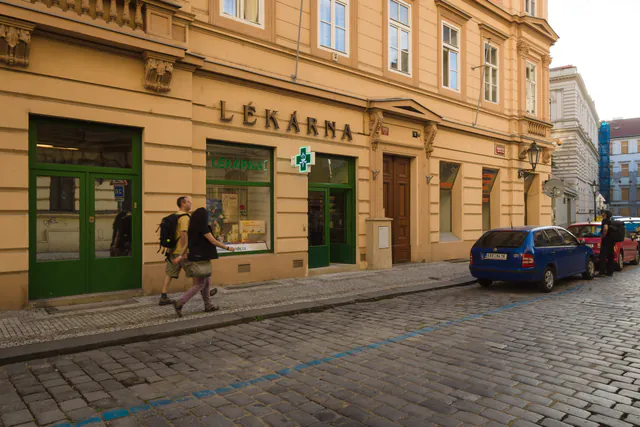
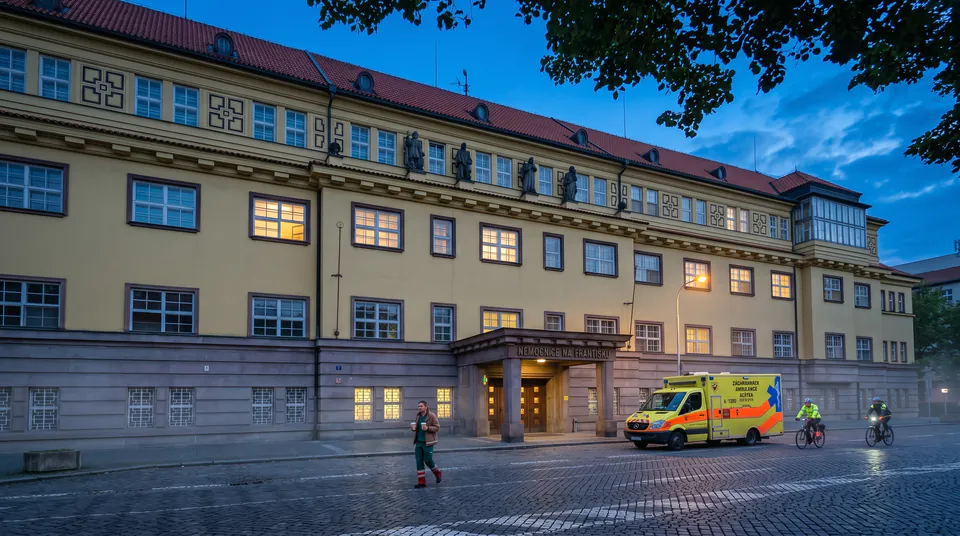
Medicine in Prague started in monasteries. Nemocnice Na Františku has been running since 1354. It's the oldest in the country. The monks used to grow their own herbs for remedies. Their motto was Per corpus ad animam. It means healing the soul through the body. You can see this history at the Kuks Hospital museum. Their 'At the Pomegranate' pharmacy has original wooden jars and bronze mortars. It looks like an alchemist's lab. Even modern spots have style. Adamova lékárna on Wenceslas Square is a Cubist landmark. Look for the world's only Cubist street lamp right outside. Lékárna Palackého keeps this tradition alive. It blends 24/7 modern service with the city's old-world bones.
Practical Tips
- 1Look for the illuminated green cross to identify a true, licensed pharmacy rather than a standard drugstore or supermarket.
- 2Join the queue marked 'bez receptu' for general purchases if you do not have a doctor's prescription.
- 3Bring a physical passport or EU ID card to purchase effective cold and flu medications containing pseudoephedrine.
- 4Prepare a small amount of physical cash (CZK) for the emergency night window in case card terminals are undergoing midnight maintenance.
- 5Direct yourself to the 'Oddělení péče o cizince' (Foreigners' Department) at major hospitals to get English-speaking administrative assistance.
- 6Dial 112 for severe medical crises to reach guaranteed English-speaking operators, rather than the local 155 number.
Frequently Asked Questions
What should I do if I need medication in the middle of the night?
Do I need to show ID to buy cold and flu medicine in Prague?
How much does it cost to visit a hospital emergency room as a non-EU tourist?
When is the best time to visit a pharmacy for general health advice?
How can I replace a lost prescription from my home country?
Are European Union citizens covered for medical emergencies in the Czech Republic?
Related Guides
- Accessible Travel Guide to Prague: Old Town Hall & Beyond
- Prague Budget Travel & Old Town Hall Expert Guide 2026
- Emergency Contacts & Services in Prague: A Comprehensive Healthcare and Security Guide
- Prague Border Survival Guide: Visas, EES Biometrics, and Entry Requirements for 2026
- Comprehensive Internet and Mobile Connectivity Guide: Prague
- Linguistic Immersion and Heritage at the Old Town Hall
- Luggage Storage Infrastructure and Urban Mobility Logistics in Prague
- Czech National Bank Visitor Centre
Trip Budget Calculator
Get a realistic cost estimate for your {city} trip in seconds.
Try it