The Ultimate 1-Day Prague Itinerary: Navigating the Royal Route and Historic Centre
Written by
Nils Johansson | Founder
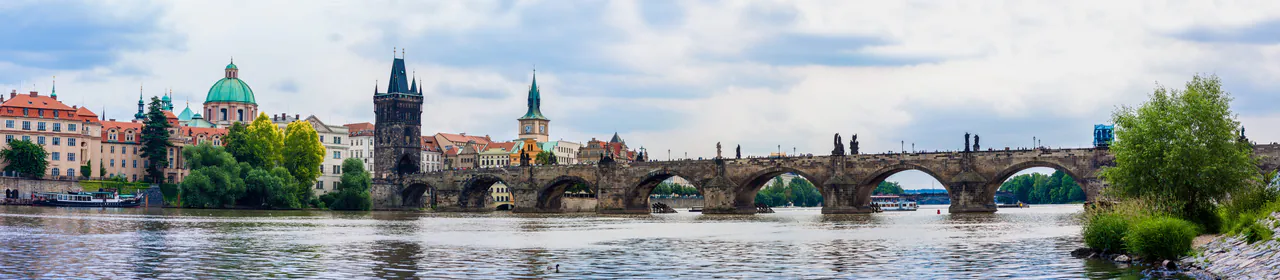
Prague is lucky. It's the only major Central European capital that didn't get flattened in World War II. Because of that, you'll see a city that looks much like it did centuries ago. If you only have one day, you have to walk the Royal Route (Královská cesta). This ancient path was the coronation route for Bohemian kings. It's a perfect cross-section of the city. You'll see Gothic foundations supporting Baroque walls. You'll walk past 20th-century modernism that still looks futuristic today. It's a long walk. You'll need good shoes. But it's worth every step. You'll start in the Old Town (Staré Město). You'll cross the Vltava river. You'll end at the massive Prague Castle (Pražský hrad) on the hill. The city's mood changes as you go. The Charles Bridge is quiet and misty at dawn. The Old Town Square is loud and packed by noon. By sunset, you'll be at the castle ramparts looking over the whole city. This path follows a deliberate script. Every stone was placed to show off the power of emperors and kings. Today, those same streets hold quiet courtyards and traditional butcheries where you can eat the same beef tartare that has sustained the city's working class for decades. You'll see the duality of the place. It's a museum that's actually alive. It's a modern capital with a very long memory. This walk is hard work. But it's the only way to find the real soul of the city.
Photos
The Dawn of the Royal Route: Old Town and Cubist Masterpieces
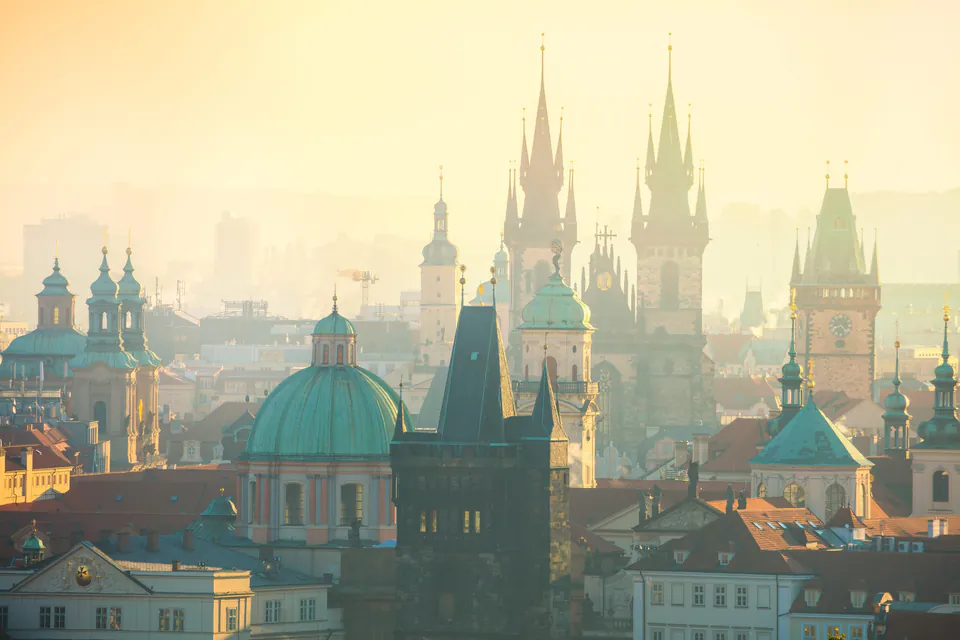
Start your morning at Republic Square (Náměstí Republiky). This is where the old Royal Court stood before the kings moved uphill. You'll see the Municipal House (Obecní dům) first. It's a gold-leafed Art Nouveau masterpiece finished between 1905 and 1912. Right next to it sits the Powder Tower (Prašná brána). It's a dark Gothic gate that used to guard the Old Town. Walk through it to follow the ancient coronation path. Before you hit the center, stop at the House of the Black Madonna (Dům U Černé Matky Boží). Josef Gočár built it in 1911. It's the birth of Czech Cubism. Architects here took Picasso's weird shapes and built them in 3D. Go upstairs to Grand Café Orient. Everything from the chairs to the coat racks follows those sharp angles. It's a weird, beautiful spot for a quick coffee.
The Heart of Staré Město: Astronomical Clocks and Klementinum
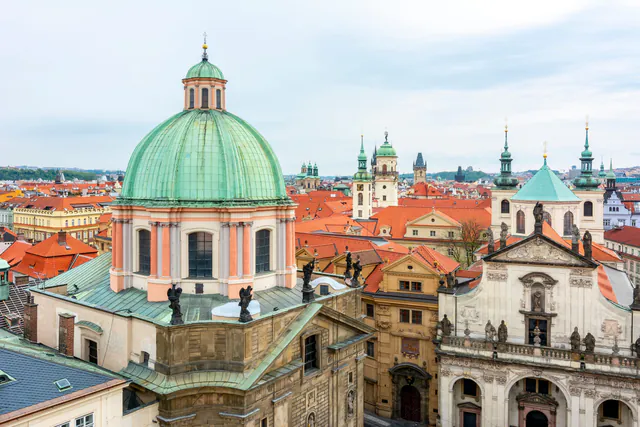
Head into the Old Town Square. The Old Town Hall has been the city's brain for centuries. Look for the Prague Orloj on the south wall. This clock was built in 1410. It shows the sun and moon. It even tracks Babylonian time. Don't just stand with the crowds below. Pay for the observation tower. There's a modern lift so you don't have to climb. You'll get the best view of the city's red roofs from the top. Afterward, walk down Karlova Street to the Klementinum. It was a Jesuit college back in 1653. Now it holds the National Library. The Baroque Library Hall is spectacular. It looks like something from a film. End the tour by climbing the 68-meter Astronomical Tower. Johannes Kepler used to work here. The view lines up perfectly with the Charles Bridge.
Bridging Epochs: Charles Bridge to the Lesser Town
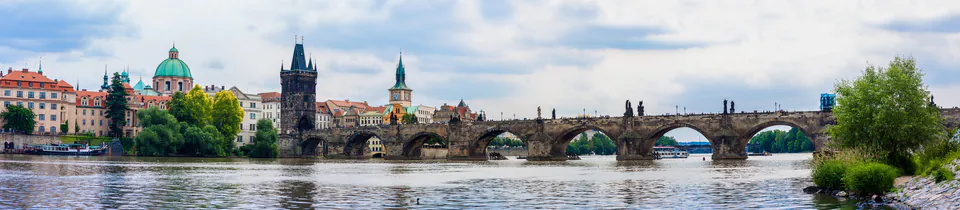
Cross the Vltava River on the Charles Bridge (Karlův most). It's the most famous bridge on earth. Peter Parler started building this 515.8-meter sandstone structure in the 1300s. The Old Town Bridge Tower guards the entrance. It's a massive Gothic arch built between 1357 and 1380. Climb the 138 steps inside for a look at the bridge's 16 arches. Thirty black statues of saints line the walkway. They watch you as you head into Malá Strana. This side of the river feels different. It's full of massive palaces and quiet corners. Duck into the Wallenstein Garden (Valdštejnská zahrada). It's free between April and October. You'll find a massive sala terrena and a strange dripstone wall. It's a good place to hide from the crowds. Then walk up Nerudova Street. Look for the painted house signs above the doors. They were the original address system before numbers existed.
The Sovereign Summit of Pražský hrad and Culinary Resolution
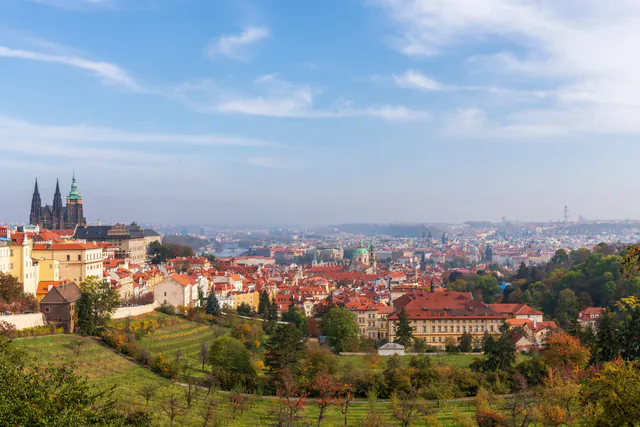
Your final stop is Pražský hrad. This is the biggest ancient castle on the planet. The complex holds palaces and courtyards. St. Vitus Cathedral is the main event. It's a Gothic giant holding the tombs of kings. Check out the Old Royal Palace and the tiny houses on Golden Lane (Zlatá ulička). Once you're done, you'll be hungry. Walk back down toward the river. Go to Lokál or Kantýna for a real meal. Order the tatarák. It's raw beef mixed with spices. Eat it on topinky (fried bread) with plenty of raw garlic. It's the ultimate Czech pub food. Pair it with a cold Pilsner. It's the perfect way to end your walk.
Practical Tips
- 1Visit the Grand Café Orient inside the House of the Black Madonna to experience morning coffee in the world's only surviving Cubist café.
- 2Wear highly supportive, flat-soled footwear to combat severe foot and joint fatigue caused by the pervasive medieval cobblestones.
- 3Purchase Prague Castle Main Circuit tickets online in advance to bypass the primary ticket office queues.
- 4Arrive at the Astronomical Clock at 08:50 AM to observe the mechanical marvel without the crushing congestion of the primary square.
- 5Allocate sufficient time for digestion before attempting strenuous walking after consuming heavy traditional dishes like raw beef steak tartare.
- 6Deviate from the main castle gates into the Nový Svět neighborhood to find local coffee shops operating outside the primary tourist gaze.
Tours & Experiences
Book popular tours in Prague
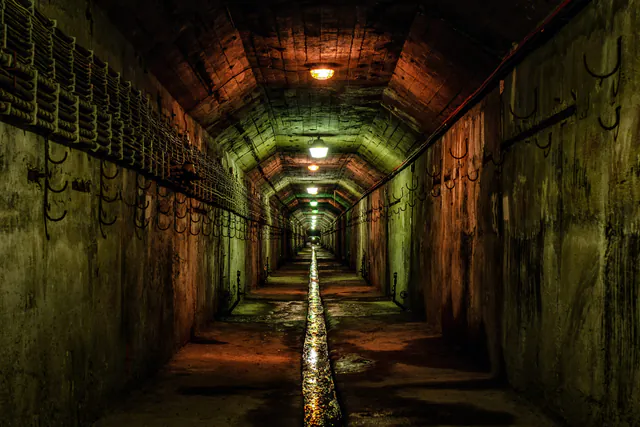
Communism and Bunker Tour with 70s Canteen Lunch
Prague looks like a fairytale of Gothic spires and Art Nouveau gold, but the 20th century left some brutal scars. This Prague walking tour by Prague Extravaganz
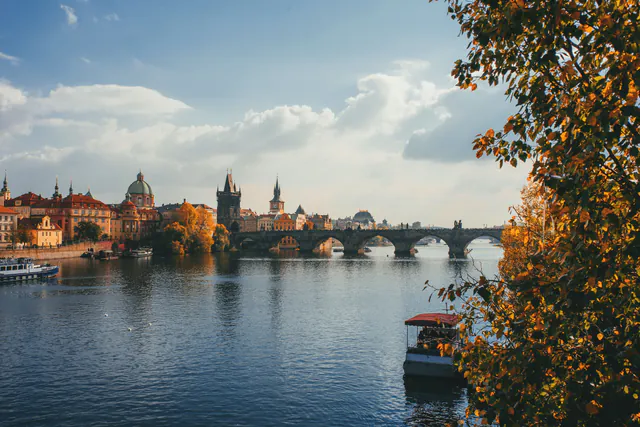
Hidden Prague Bike Tour
Forget the gridlock at Charles Bridge. This prague bike tour ditches the tourist traps for a raw look at the city's edge. You won't spend your time weaving thro
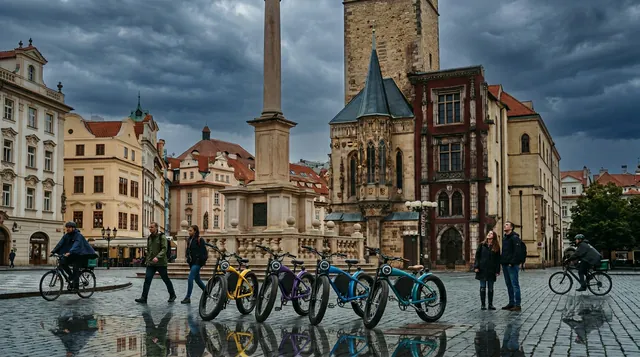
Prague E-Bike City Tour with A Local Guide
Forget the standard walk. You're in Prague to see it all, not just the crowded Old Town. This prague bike tour uses electric assist to flatten the city's brutal
Top Attractions
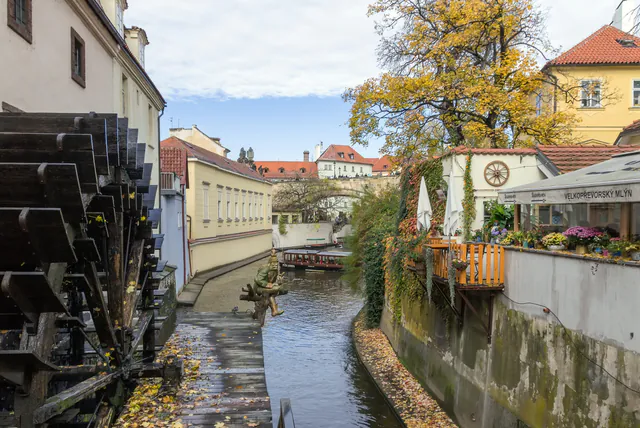
Kampa Park and Island
You'll find Kampa Island sitting quietly under the stone arches of Charles Bridge. It’s a green break from the Prague crowds. The Čertovka canal separates it fr
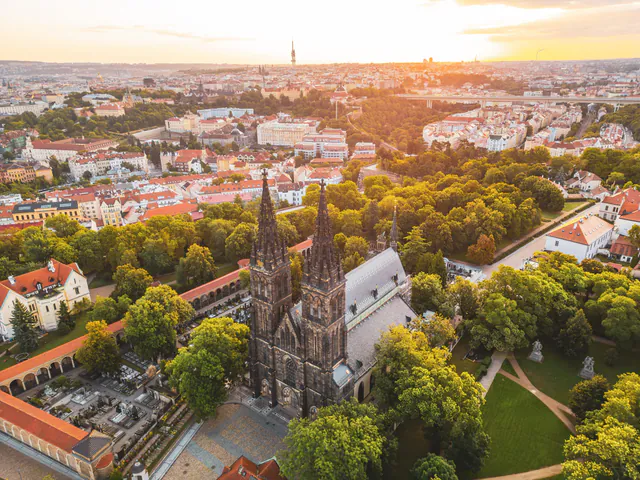
Vyšehrad Park
Perched on a rock above the Vltava, Vyšehrad is the quiet lungs of Prague. You'll find a different energy here. It's a sanctuary compared to the crush of the Ol
Where to Eat
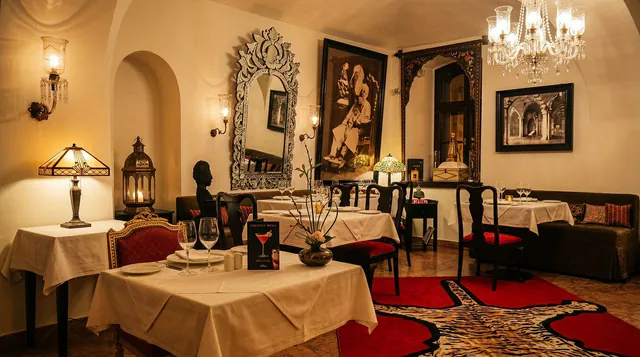
K The Two Brothers
You'll find K The Two Brothers Prague right in the old St. Peter's Quarter of New Town. It sits directly across from the dark Gothic spikes of St. Peter's Tower
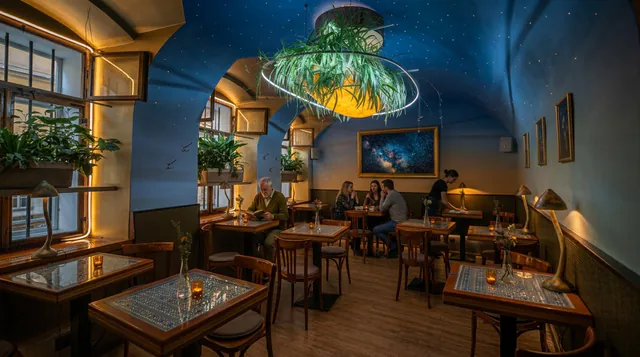
Lehká hlava
Walk two minutes from the Charles Bridge and you'll hit a wall of tourists. Duck into Boršov alley instead. This tiny cobblestone lane leads to Lehká hlava, a r
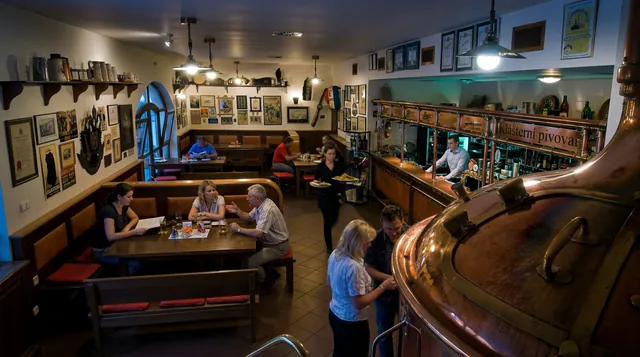
Pivovar Strahov
Walk through the heavy iron gates of the monastery and follow the smell. You'll catch the scent of boiling wort before you even see the door. This is Pivovar St
Frequently Asked Questions
How much does public transport cost for a full day of sightseeing?
Is the Royal Route suitable for wheelchair users or travelers with limited mobility?
What is an alternative to walking up the steep hill to Prague Castle?
When is the best time of year to attempt this exhaustive walking itinerary?
Can I explore the famous Baroque Library Hall in the Klementinum on my own?
Where can I find a quiet place to rest when the Lesser Town gets too crowded?
Related Guides
- Strategic 72-Hour Prague Itinerary
- Ultimate 5-Day Prague Itinerary
- Prague Budget Guide: Old Town Hall & Local Itineraries
- The Ultimate Family-Friendly Itinerary in Prague: Conquering Petřín Hill and Beyond
- Romantic Prague: An Exhaustive Itinerary Through Petřín Hill and Malá Strana
- Accessible Travel Guide to Prague: Old Town Hall & Beyond
- Václav Havel Airport Prague Guide
- Staroměstská radnice and the Comprehensive Prague Autumn Travel Guide
Day Planner
Pick your interests. We'll build your day.
Try itTags
Places in Prague
Related attractions, hotels, and more.