Vyšehrad Park
Park
About the Experience
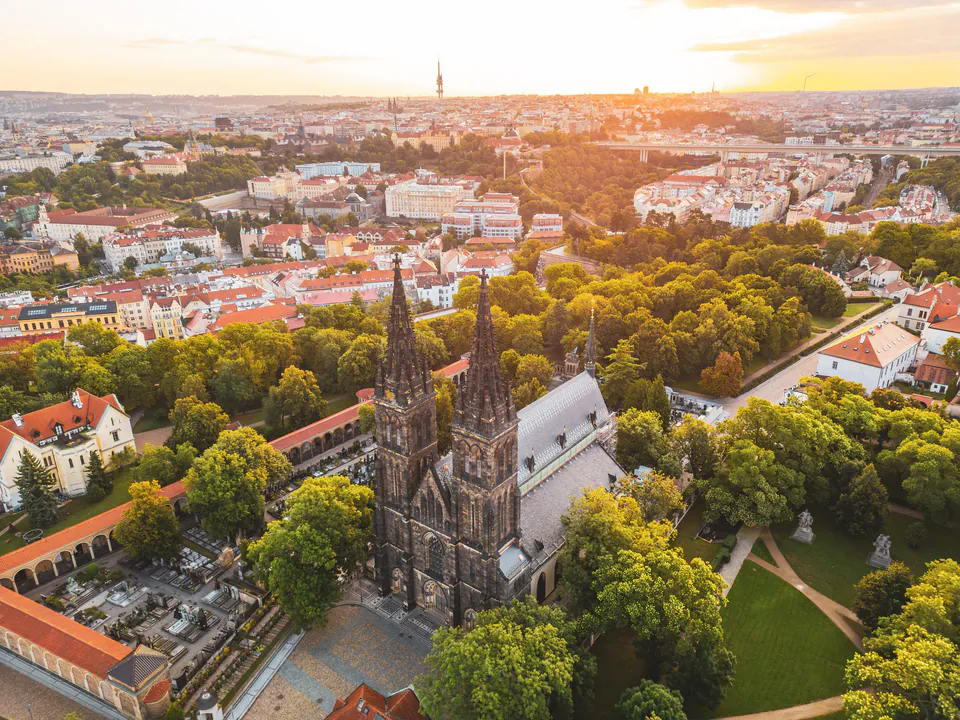
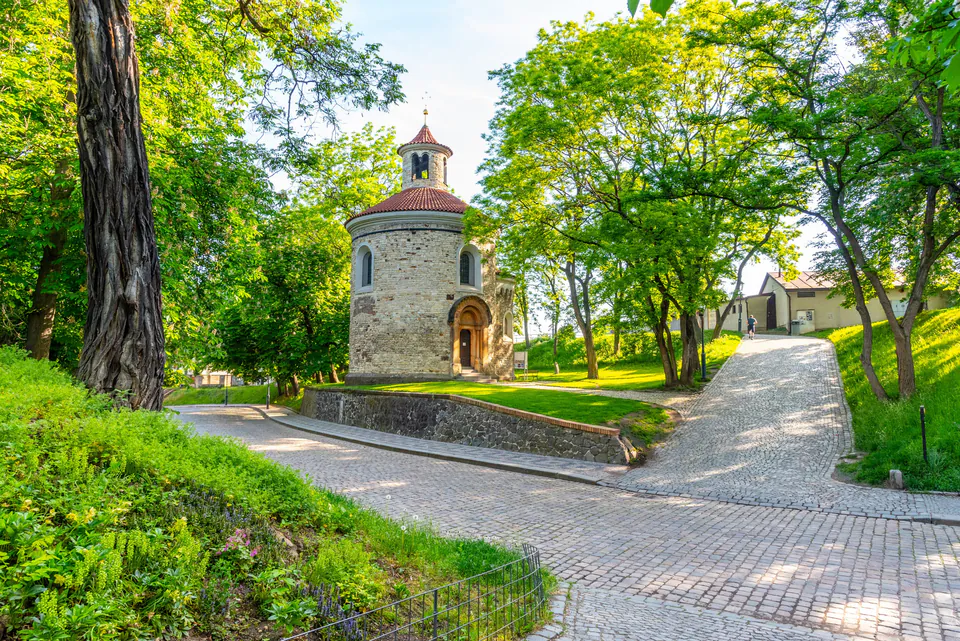
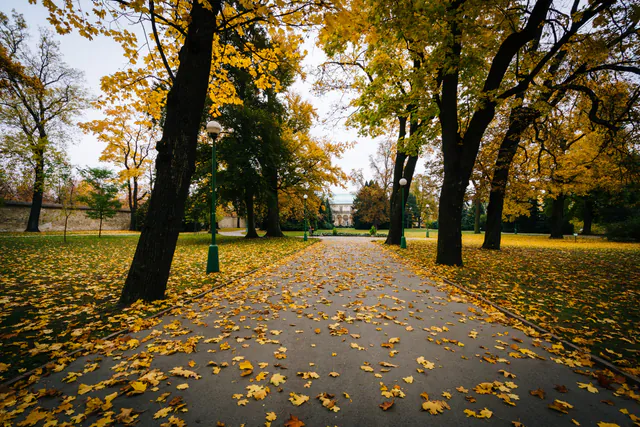
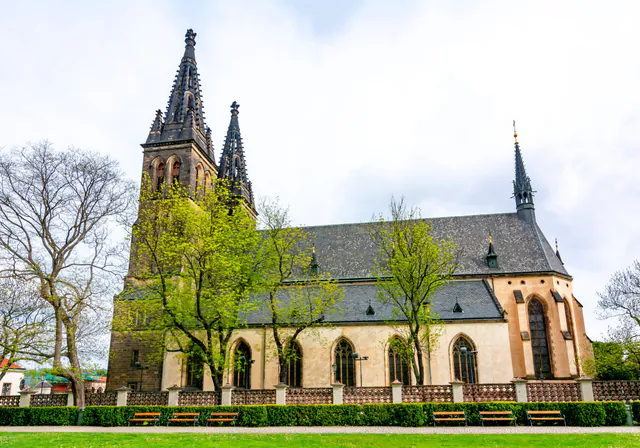
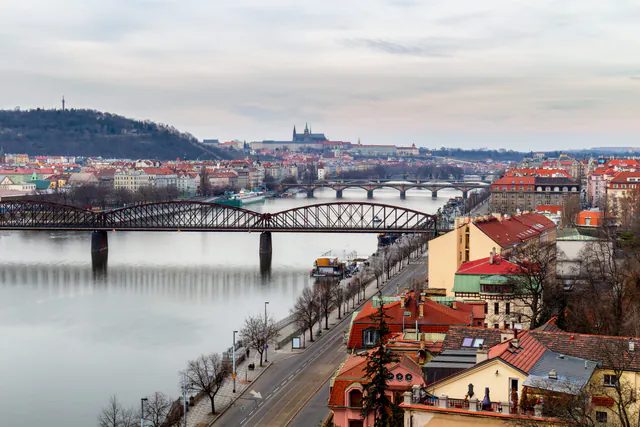
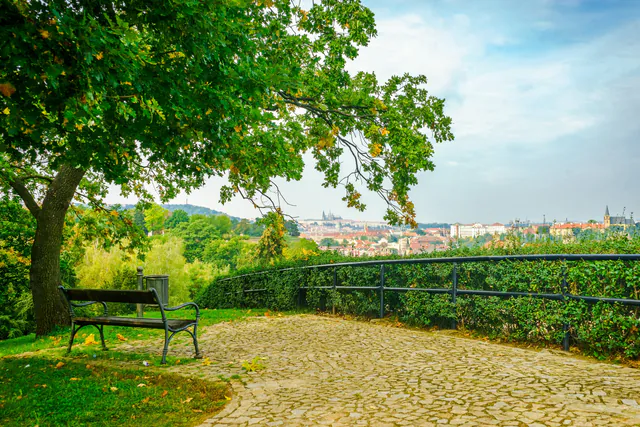
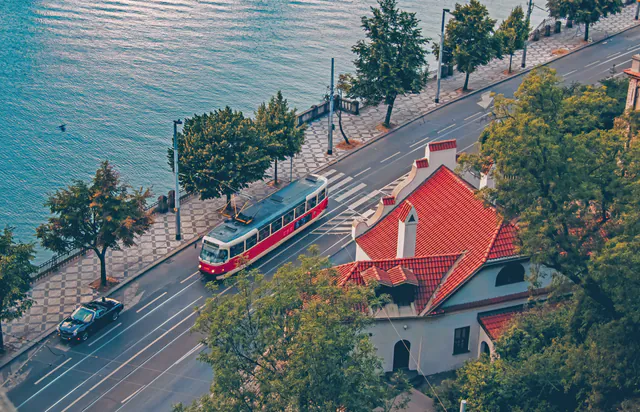
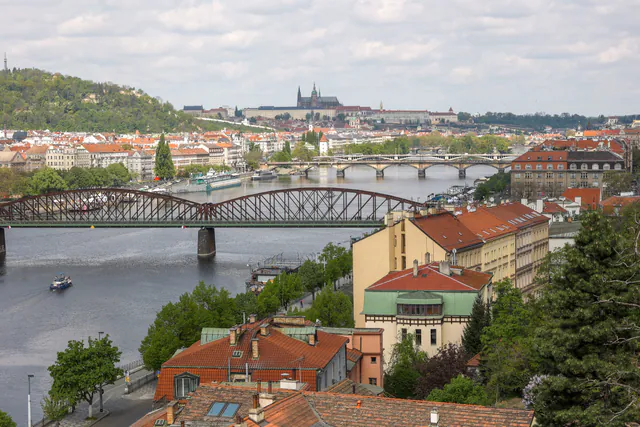
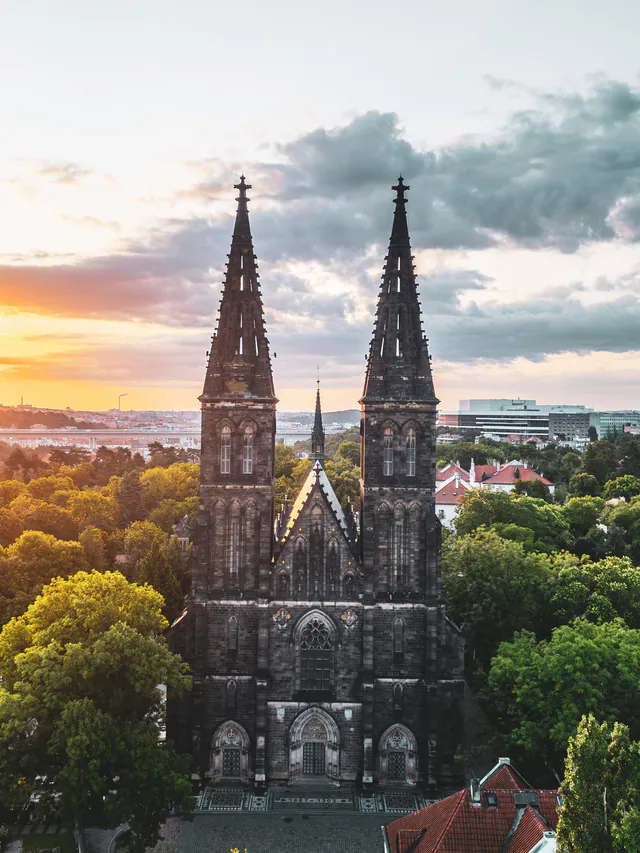
Perched on a rock above the Vltava, Vyšehrad is the quiet lungs of Prague. You'll find a different energy here. It's a sanctuary compared to the crush of the Old Town. It is much less crowded than the castle district. Walk through the Baroque Leopold Gate and you're in a different world. It’s over a thousand years of Czech history under your boots. You’ve got the 11th-century Rotunda of St. Martin side-by-side with the dark, twin spires of the Basilica of St. Peter and Paul.
Think of this as the spiritual home of Bohemia, not just a patch of grass. The site feels like a sanctuary. You can wander the brick ramparts from the 1600s and catch the river breeze. It is a place for contemplation. You can hear the bells echoing across the valley. History buffs hunt for the tomb of Dvořák while families picnic on the grass. You won't find the same tourist traps up here. The views are wide. You can see the whole river bend. It is a great spot to clear your head. Most people overlook it. That's their mistake. You should take your time. Explore the corners. The fortress walls are thick and high. They tell a story of a city that needed to defend itself.
It's calm. It's essential. Skip the castle queues and come here instead. You will see the origins of the Přemyslid dynasty. You can walk the hallowed ground of the Slavín tomb. The gardens are great for a stroll. Shaded trails offer the best spots for photos. It is the perfect escape from the urban noise. You will find it peaceful. It is the poetic heart of the city.
Photos
History & Significance
Slavic settlers built a fort here in the mid-10th century. Things got serious between 1085 and 1092. That's when King Vratislaus II moved his royal seat here from Prague Castle. It was a golden era. Charles IV gave it a massive Gothic facelift in the 1300s to honor his family. But the Hussites wrecked the place in 1420. They destroyed the palace. Fast forward to the mid-1600s. The Habsburgs turned the hill into a heavy-duty Baroque fortress. Work lasted until 1727. By 1869, the grounds became the national cemetery. Prague finally absorbed the fortress in 1883 and opened it as a public park.
From Romanesque to Neo-Gothic
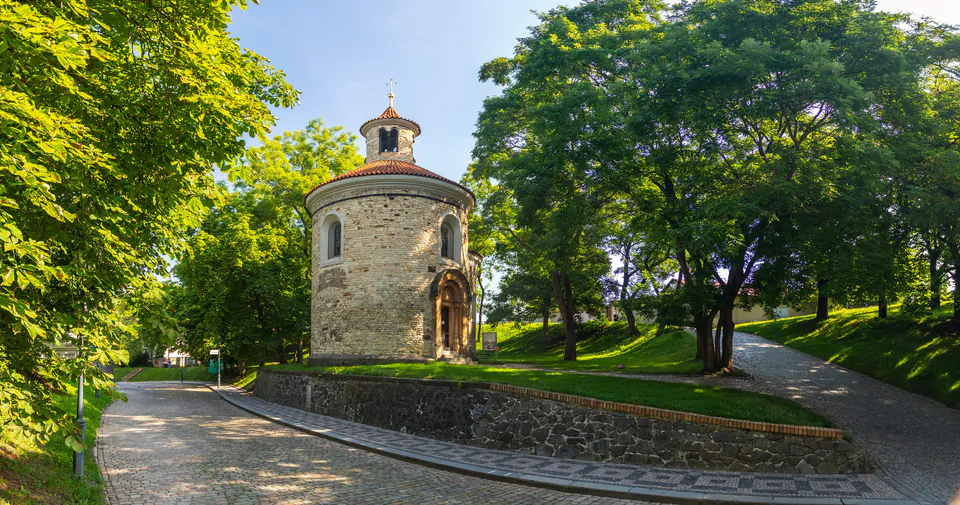
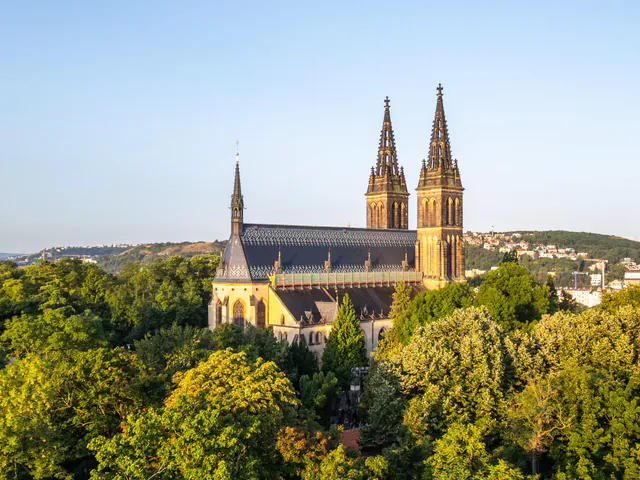
The Basilica of St. Peter and Paul is the main event. Those black spires anchor the southern skyline. It started in 1070 but looks Neo-Gothic now. Josef Mocker gave it this look in the late 1800s. Step inside. The Art Nouveau murals are a shock of gold and blue. It's a huge contrast to the dark exterior. The walls are covered in detail. Then there's the Rotunda of St. Martin. It’s tiny. It’s 11th-century Romanesque. The walls are a meter thick. It survived wars and artillery strikes. It even served as a gunpowder store for a while. Now it sits as a quiet reminder of the old royal days. The Baroque gates like Leopold Gate show the site's military side. These stone entries have heavy carvings. They show when the Habsburgs turned the hill into a fortress. You'll see fragments of the Gothic Cellar from the time of Charles IV too. It's a timeline you can walk through. It's all right there in the stone.
The National Pantheon: Slavín and the Vyšehrad Cemetery
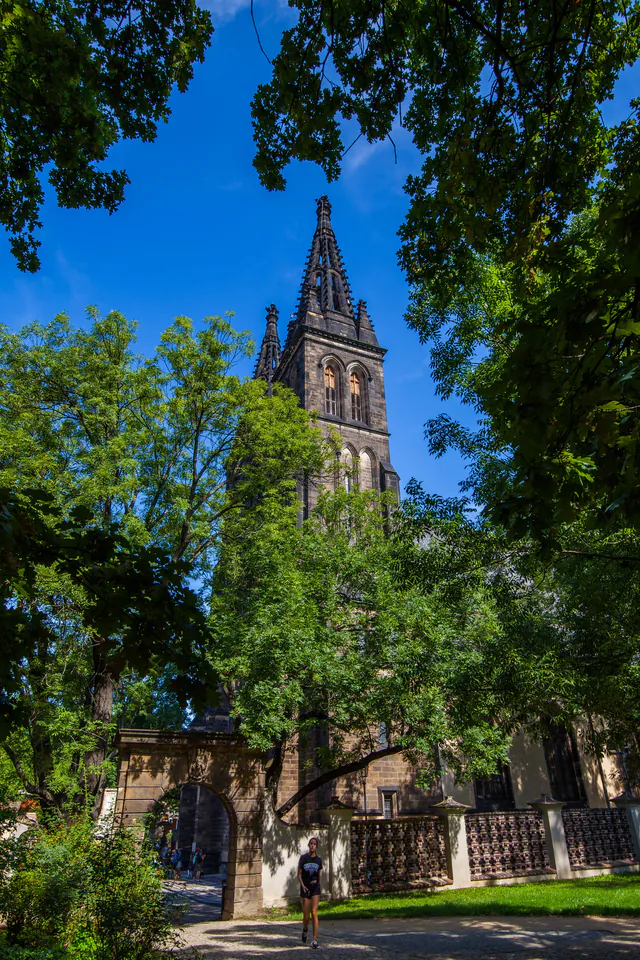
The cemetery next to the Basilica is the Czech version of Westminster Abbey. It was founded in 1869 during a surge of national pride. Walk the quiet paths. You'll see names like Smetana and Dvořák on the tombs. Even Alphonse Mucha is here. It’s an encyclopedia of Czech talent in stone. You'll see neo-Renaissance arcades and graves carved by top artists. Over 600 people are buried here. Space is tight now. You need special permission from a commission to get a spot. The Slavín tomb is the centerpiece. It was built between 1889 and 1893. It holds 56 of the nation's biggest legends. These are the people who built the culture. It’s a heavy, solemn place. You can feel the respect in the air.
The Tapestry of Bohemian Mythology: Legends and Statues
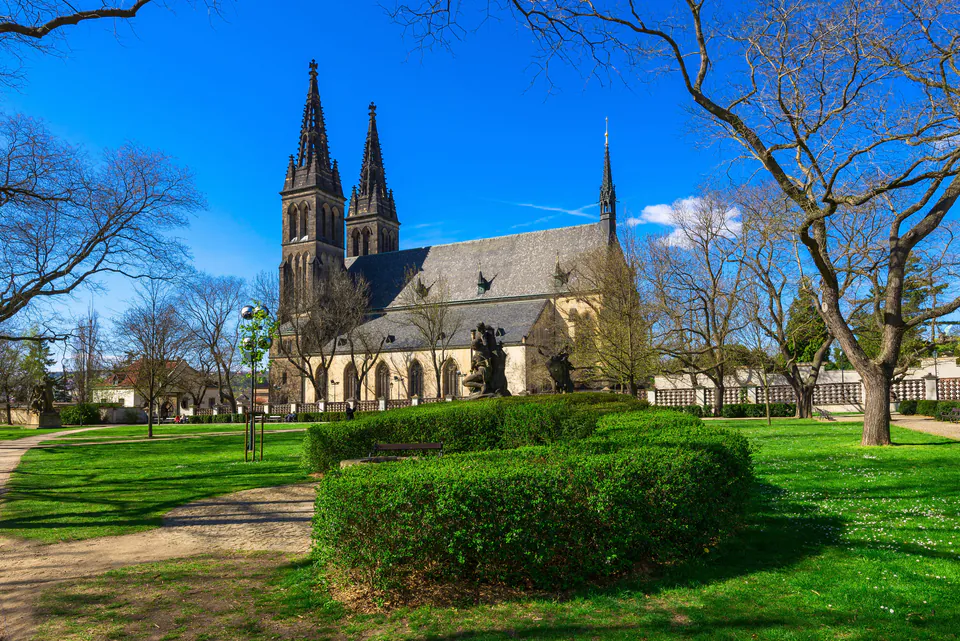
Vyšehrad is built on legends. This is where Princess Libuše lived. She was a seer. She stood on these cliffs and saw a city whose glory would reach the stars. That was Prague. She married Přemysl the Ploughman and started the first royal line. Then there's Horymír. He was sentenced to death. He supposedly jumped his horse, Šemík, over the fortress walls to escape. They landed in the Vltava. Look down from the cliffs at Libuše's Bath. You'll see why that jump is a local legend. It's a long way down. Myslbek’s huge statues bring these stories to life in the gardens. You'll see Bivoj and the warriors of the Maidens' War. These figures show the spirit of the old days. The site is a mix of hard facts and old myths. It all blends together here.
Military Engineering and Subterranean Secrets
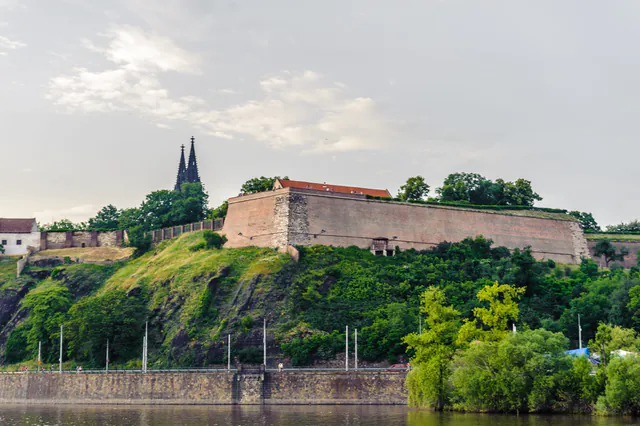
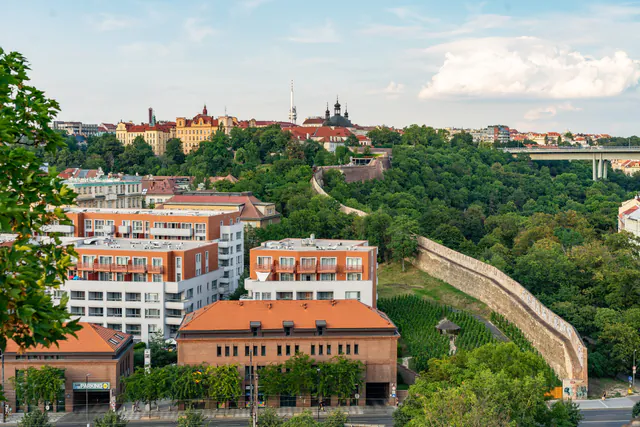
This hill is a fortress first. The Habsburgs spent 70 years building these massive brick bastions. They wanted a site that could take a heavy cannon blast. It was a key part of the city defense. Deep inside the walls are the Casemates. It's a kilometer of dark tunnels for moving soldiers. The tour ends in the Gorlice hall. It's huge. They keep the original Baroque statues from Charles Bridge here to protect them from the rain and smog. Check out the 'Rise and Fall of Vyšehrad' exhibit in the Gunpowder House. It has models of the old castle. You can see pottery from 3800 BC too. It shows the site's path from a lonely settlement to a royal home. Finally, it became a park. It’s a lot of history in one small building.
Tours & Experiences Nearby
Top-rated tours and experiences starting near Vyšehrad Park.
 experience
Essential Visitor Tips
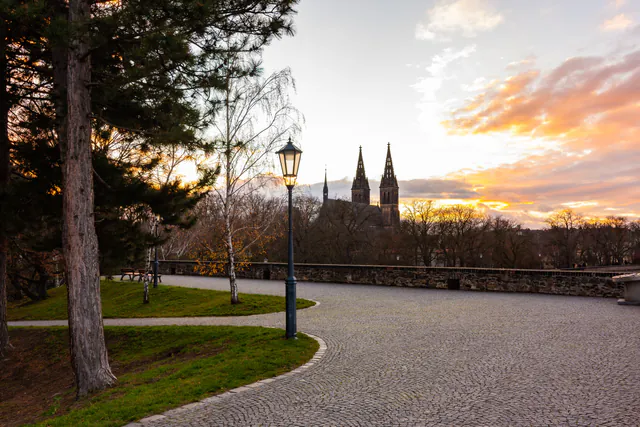
Hit the western walls an hour before the sun drops. You get the best river views in the city.
Check out the three broken stone pillars behind the Basilica. Find the mural inside that explains the devil's bet.
Grab a beer at Hospůdka Na Hradbách. It’s a local beer garden on the ramparts with great grilled meat.
Read up on Princess Libuše before you visit. Her statues by Myslbek dominate the south end of the park.
Do the Casemates tour. You'll see the original statues from the Charles Bridge hidden in a massive hall.
Best Time to Visit
"Get here for early morning or late afternoon between May and September. The light over the river is unbeatable at sunset."
Nearby Hotels
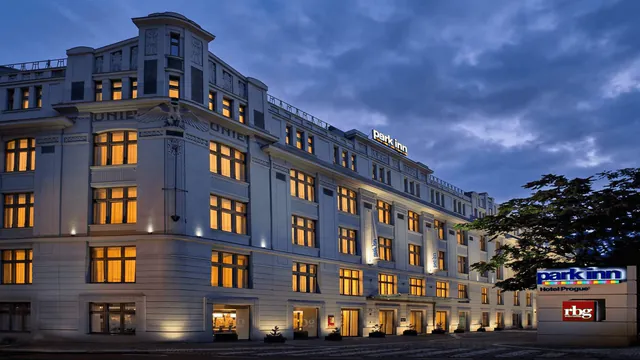
6 min walk (478m)
Spectacular 1907 Art Nouveau façade and profound cultural heritage as the former Union printing house. · State-of-the-art rooftop fitness center fully equipped with an adjoining, panoramic outdoor terrace.
Price From €110/night
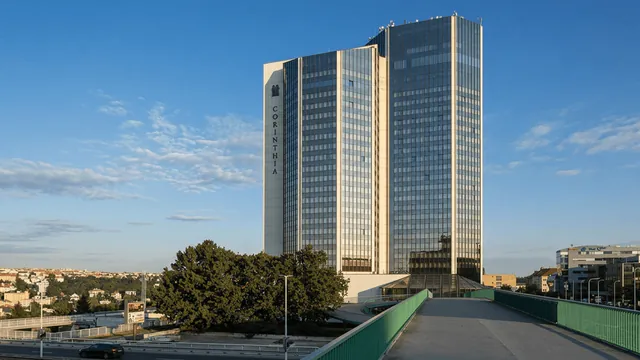
11 min walk (918m)
26th-floor Apollo Day Spa with a panoramic swimming pool · Executive Lounge with exclusive viewing terraces
Price From €85/night
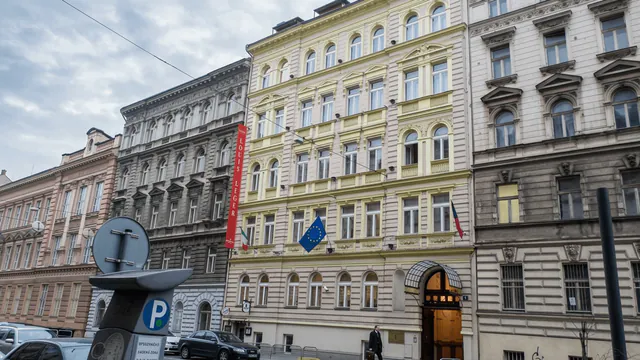
13 min walk (1.1km)
Panoramic Rooftop Terrace with Prague Castle views · Proprietary Prague Pass integration for direct bookers
Price From €65/night
Nearby Restaurants
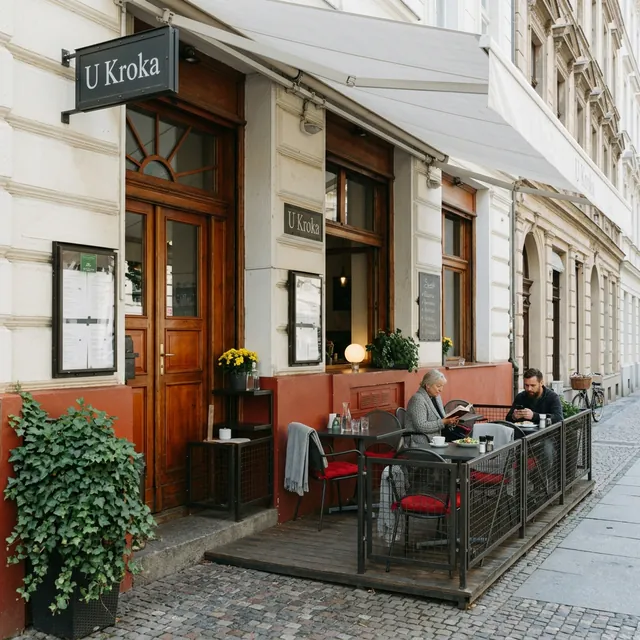
Frequently Asked Questions
How do I get to Vyšehrad Park from the Prague city center?
Where are the best photo spots in Vyšehrad Park?
Are there places to eat inside Vyšehrad Park?
Who is buried in the Vyšehrad Cemetery and Slavín monument?
Is Vyšehrad Park a good place to escape the crowds?
What can I see in the underground Casemates at Vyšehrad?
What is the legend of Libuše's Bath at Vyšehrad Park?
What should I wear for a visit to Vyšehrad Park?
What are the opening hours of Vyšehrad Park?
How much does it cost to visit Vyšehrad Park?
How long should I spend at Vyšehrad Park?
Is Vyšehrad Park wheelchair accessible?
Quick Facts
The Neighborhood
Vyšehrad: Vyšehrad
Read Guide