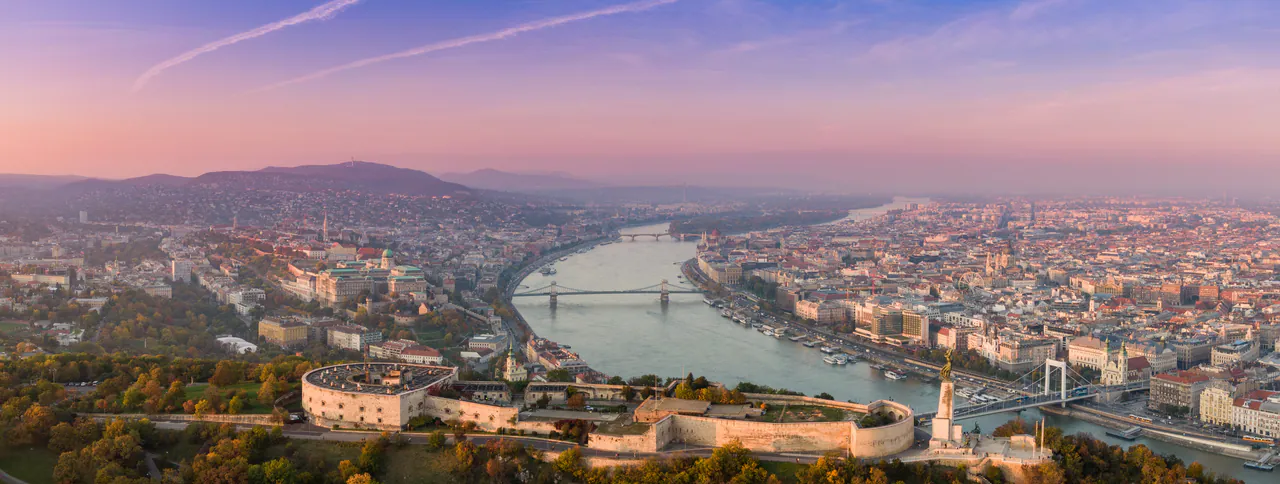
A Local’s Guide to Budapest Weather: When to Go and What to Pack
Budapest doesn’t do subtle. The atmosphere here shifts as sharply as the seasons. To get the city, you need to look past the thermometer and feel the local rhythm. We live in a continental climate. It means you'll get the full range: sweltering summers meant for outdoor spritzers and bone-dry winters where a thermal soak is a survival tactic. There's no perfect time to visit. Every season shows a different face. You might catch the frantic festival energy of August or the quiet, foggy romance of late November. But don't let the weather in Budapest Hungary fool you. A sunny March morning often ends in a hail storm. This guide breaks down the year so you know exactly what to pack for the heatwaves, the muddy boots, and those golden Danube sunsets.
Photos
Spring: The City Wakes Up (March – May)
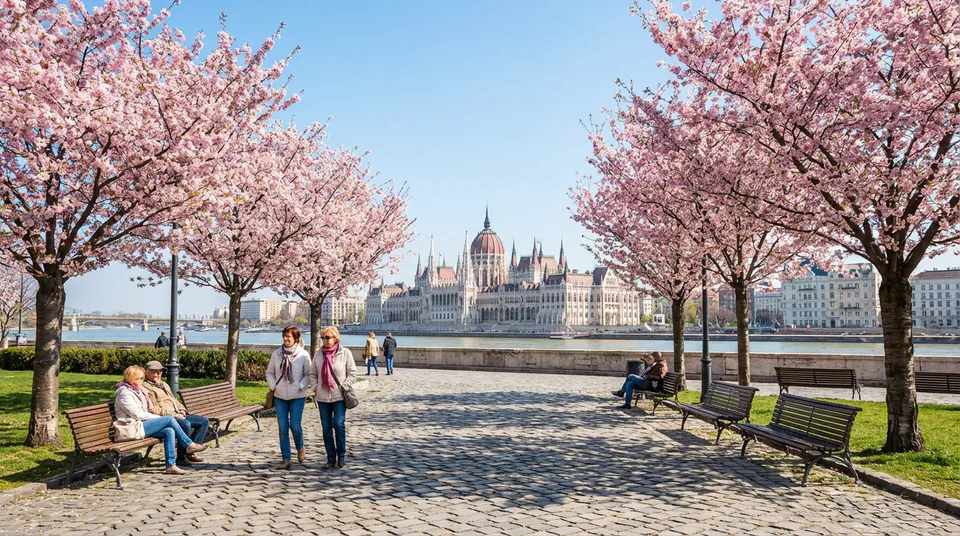
Spring is a bit of a tease. In March, the "böjti szelek" (lent winds) still bite, but you’ll see locals huddled on Liszt Ferenc tér terraces under thick blankets. By April, everything changes. Almond trees on Gellért Hill turn pink and the Great Market Hall smells of wild garlic. It's the best time for photos, but pack for a split personality. You’ll want a t-shirt at 2:00 PM and a heavy scarf by dinner. Prices in District V haven't hit their summer peak yet, which is a win. Then comes May. Budapest in May weather is legendary for its lush greens and violent afternoon thunderstorms. These downpours clear the streets in minutes. Duck into Kőleves or Szimpla Kert and wait it out. Just bring a real umbrella and waterproof shoes. You’ll need them.
Summer: Heatwaves and Festival Fever (June – August)
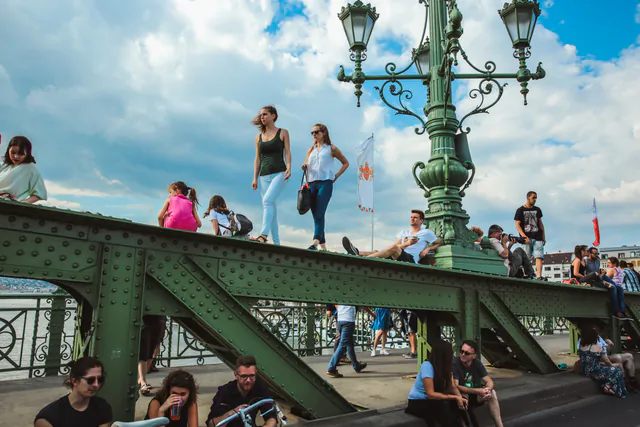
Let’s be blunt: Budapest is a furnace in July. We have no ocean to catch a breeze, and the concrete in Pest traps every bit of heat. Temperatures regularly climb past 30°C (86°F), and 35°C (95°F) isn't rare anymore. Locals flee to Lake Balaton on weekends. But the energy is unmatched if you can sweat it out. The sun sticks around until 9:00 PM. Drink "fröccs" on the promenade or hit Budapest Park. August is the real circus. The Sziget Festival takes over Óbuda Island, bringing half a million people with it. Trams 4 and 6 become rolling saunas. And don't expect AC everywhere. Many old rentals rely on thick stone walls and closed shutters to stay cool. Stick to the local plan: see the sights at dawn, hide in the Palatinus Strand pools at noon, and emerge only when the city lights up at dusk.
Autumn: The Golden Hour (September – November)
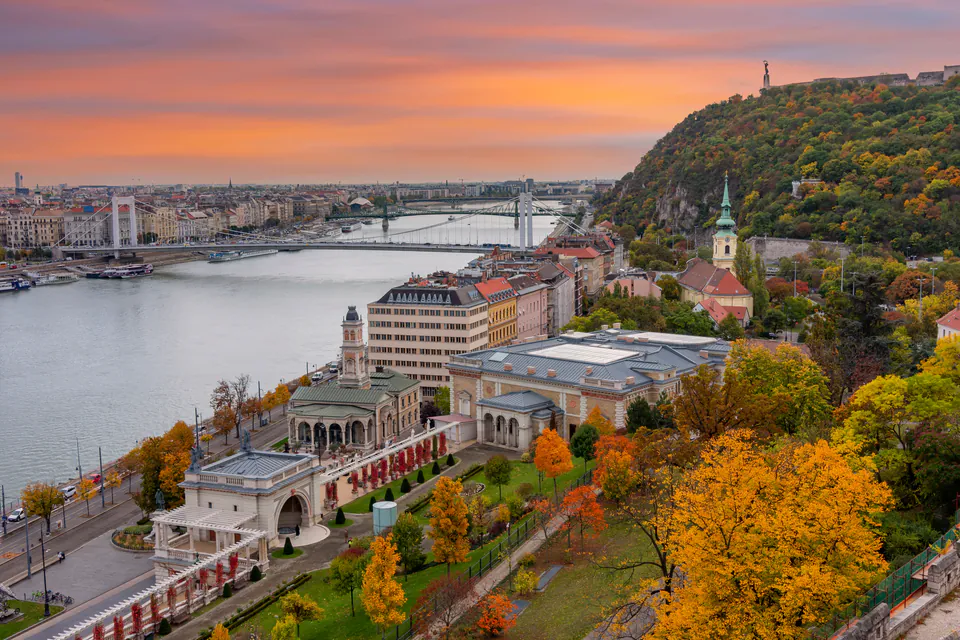
Ask a local for their favorite month. They’ll tell you September. We call it "Vénasszonyok nyara", Old Wives' Summer. The humidity of August vanishes, leaving crisp days around 23°C (73°F). The crowds at Fisherman's Bastion finally thin out. September weather in Budapest is prime for the Wine Festival at Buda Castle. The light hits the Parliament limestone at a low angle that turns the whole building gold. It’s pure magic. By November, the vibe shifts to the melancholic. The sun sets at 4:00 PM and a damp fog rolls off the river. But Budapest november weather has its perks. It's the cheapest time to fly. You can snag a table at Mazel Tov or Menza without booking weeks ahead. Just pack a proper coat. That river wind cuts right through a denim jacket.
Winter: Steam and Sparkle (December – February)
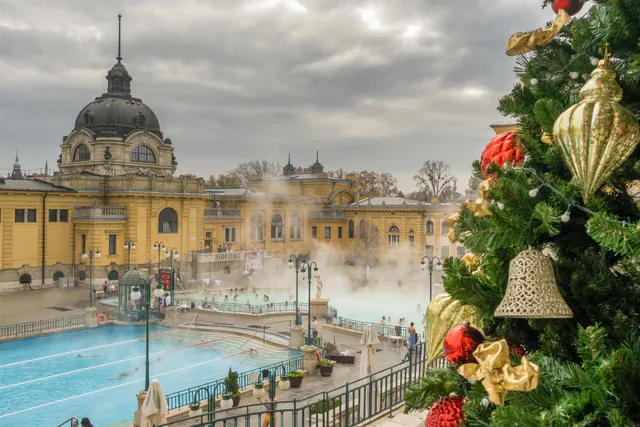
Winter is a fight between the freezing air and the heat we find to kill the chill. It hovers around 0°C (32°F). Snow is rare, but when it hits the Basilica domes, the city looks like a film set. December is packed and pricey because of the Christmas markets at Vörösmarty Square. Go for the chimney cake, but stay for the atmosphere. If you want the romance without the markup, come in January. It’s gray. It’s dark by lunch. But the city belongs to us again. This is the only time to hit the thermal baths. Nothing beats sitting in the 38°C outdoor pool at Széchenyi with steam rising while snow hits your face. Note that Gellért Bath shuts for a long renovation in late 2025. Try the Rudas instead. Bring wool socks and thermal layers. You’ll be walking more than you think.
Festivals & Key Dates to Watch

Watch the calendar or your budget will bleed. Sziget Festival (August 6-11, 2025) is the big one. Hostels triple their rates and the city gets loud. If that’s not your scene, stay away. The Formula 1 Grand Prix in late July does the same to high-end hotel prices. We take national holidays seriously. On August 20th, we throw a massive birthday party for the country with fireworks over the Danube. It’s beautiful, but you’ll be shoulder-to-shoulder with thousands. On March 15th and October 23rd, many shops and museums just shut down. Same goes for All Saints’ Day on November 1st. Even at Easter, don't assume your favorite restaurant is open on Sunday or Monday. Check the dates before you book the flight.
Practical Tips
- 1Ditch the Euro: We use the Forint (HUF). Some shops take Euros but they'll rob you on the exchange rate. Use a card for everything or hit a bank ATM like OTP. Skip those blue-and-yellow Euronet machines unless you like throwing money away.
- 2Gellért is Closing: The Art Nouveau Gellért Bath shuts for years starting October 2025. Don't build your whole trip around it. Head to Rudas Bath for the Ottoman vibes or Veli Bej if you want a quiet, local spot.
- 3Validate or Pay: Inspectors on the yellow trams are brutal. A ticket is 500 HUF. You must punch the paper or scan the QR code in the BudapestGO app the second you board. They love catching tourists with unvalidated tickets.
- 4Order a Fröccs: It’s the ultimate summer drink. Ask for a Hosszúlépés (one part wine, two parts soda). It’s cheap, cold, and keeps you hydrated. Expect to pay about 600-900 HUF at a decent bar.
- 5Lángos Logic: Don't pay 4,000 HUF for fried dough on Váci utca. Go to Retró Lángos by the Arany János utca metro. Or hit the Flórián tér underpass for the real deal at 1,500 HUF.
- 6Use the Apps: Never wave down a taxi. They see a foreigner and the price jumps. Download Bolt or Főtaxi. The rates are fixed and you won't get taken for a 'scenic' ride through the suburbs.
- 7Sunday Quiet: The center stays busy, but local pharmacies and smaller markets close on Sundays. Some shut by 2:00 PM. Get your shopping done on Saturday morning like everyone else.
Tours & Experiences
Book popular tours in Budapest
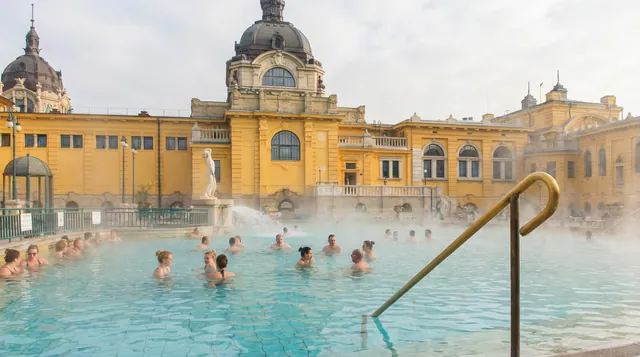
Budapest BeerSpa with Unlimited Beer and Optional Széchenyi Bath
Forget standard spa days. You're heading to the Thermal Beer Spa inside the yellow neo-Baroque walls of Széchenyi Bath for something much stranger. This is a to
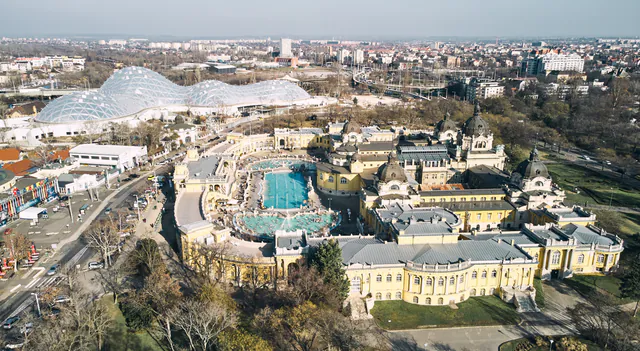
Széchenyi Thermal Spa Full-Day Ticket
Drop the idea of a standard spa day. Széchenyi is a sprawling, mustard-yellow Neo-Baroque palace dedicated to the art of the soak. Located in the middle of City
Top Attractions
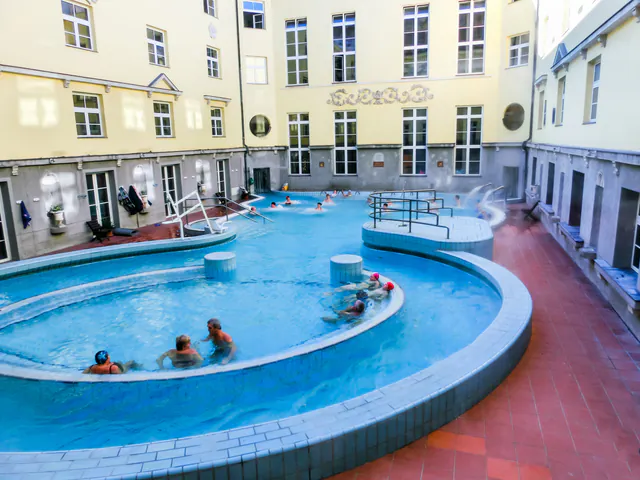
Lukács Thermal Bath and Swimming Pool
Don't come here for the gold leaf of the Gellért or the postcard crowds of Széchenyi. You come to Lukács (Szent Lukács Gyógyfürdő) for the real thing. Tucked in

Aeropark Budapest
Parked right by Terminal 2B at Ferenc Liszt International Airport, Aeropark Budapest is a hands-on graveyard of Soviet aviation that’s actually alive. Forget ve

Aquaworld Budapest
Forget the crumbling marble of the city's Turkish baths. Aquaworld Budapest Hungary is a different beast entirely. It’s a massive glass dome in the northern sub
Where to Eat
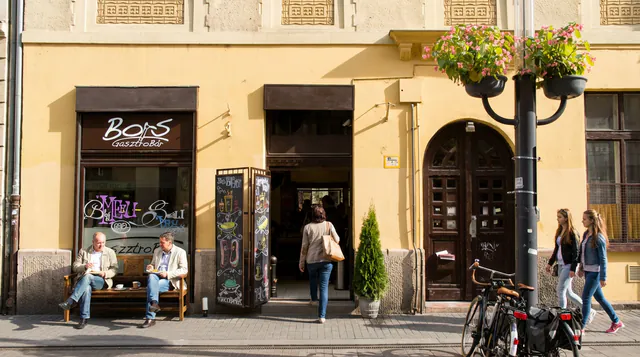
Bors GasztroBár
Don't let the Star Wars toys and thumping hip-hop fool you. Bors GasztroBár on Kazinczy utca is a serious kitchen disguised as a hole-in-the-wall. Founded by tw
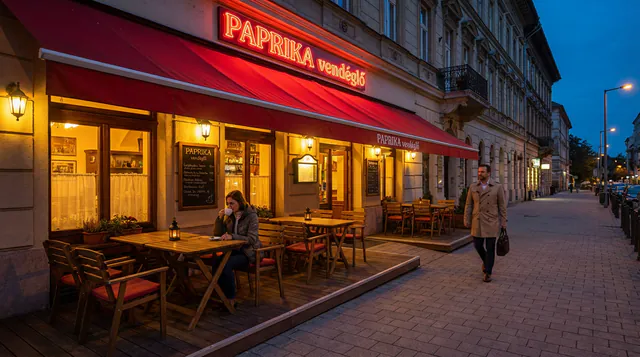
Paprika Vendéglő
Paprika Vendéglő sits a few minutes from Heroes' Square and City Park, but it feels more like a rustic farmhouse than a city eatery. Forget sleek minimalism. He
Frequently Asked Questions
What is the best month to visit Budapest for good weather?
Is Budapest expensive for tourists in 2025?
Can I drink the tap water in Budapest?
Do I need to tip in restaurants?
Is the Budapest Card worth it?
Related Guides
- Budapest Without Barriers: An Accessible Guide to the Pearl of the Danube
- The Budapest Card: The Ultimate Local's Guide to Value & Validity
- Budapest on a Budget: How to Experience the Pearl of the Danube Without Breaking the Bank
- Emergency Contacts & Services in Budapest: A Local's Safety Net
- Navigating the Red Tape: A Local’s Guide to Entering Hungary
- Navigating Healthcare & Pharmacies in Budapest: A Local’s Field Guide
- Staying Connected in Budapest: The Ultimate Internet & SIM Card Guide
- Speaking Magyar: A Traveler’s Survival Guide to the Language of Budapest
Trip Budget Calculator
Get a realistic cost estimate for your {city} trip in seconds.
Try itTags
Places in Budapest
Related attractions, hotels, and more.