The Insider’s Money Guide to Budapest: Forints, Fees, and avoiding the 'Euronet' Trap
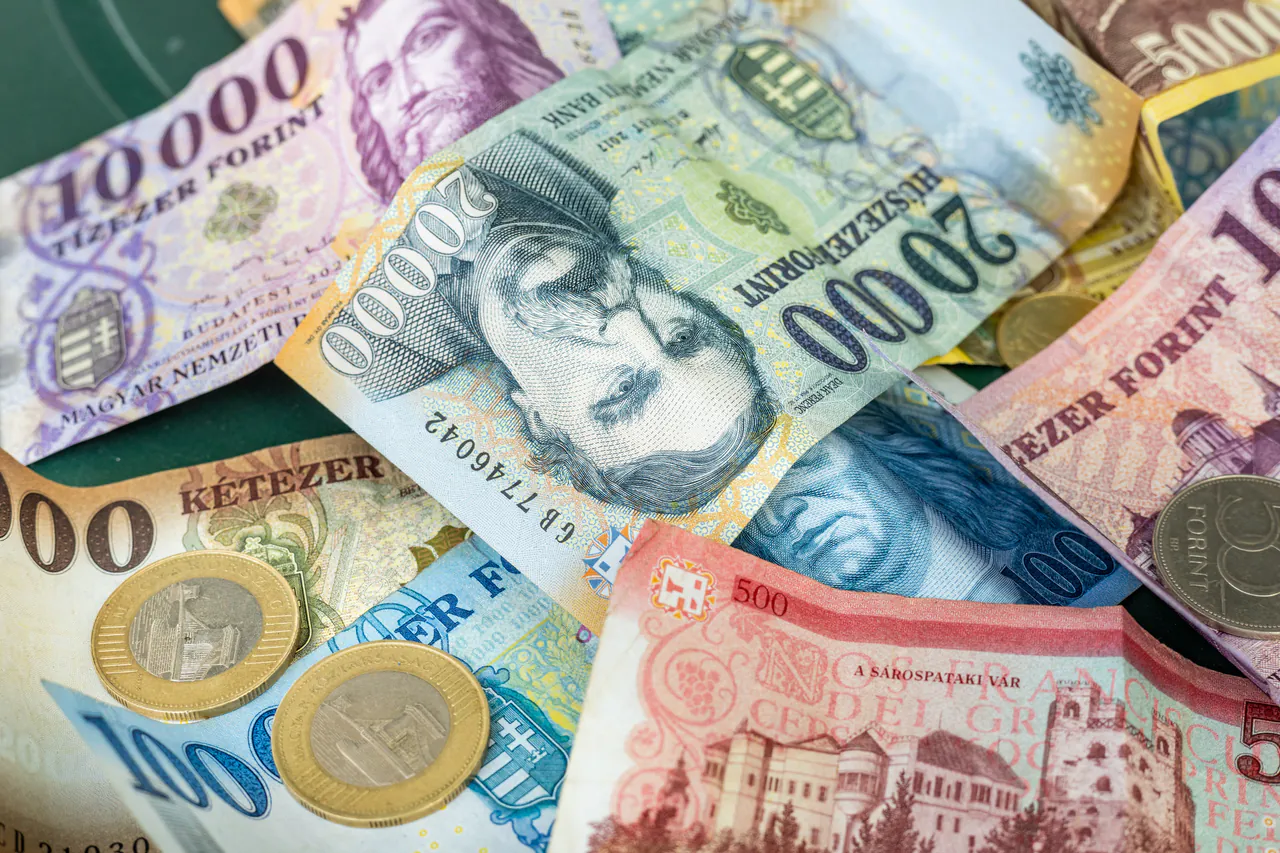
Hungary is an EU member, but it's kept the Hungarian Forint (HUF). For you, that means navigating a dual-currency world where the wrong choice costs extra. Walk down Váci utca and you'll see prices in Euros. Don't bite. Paying in Euros is a 'tourist tax' in disguise. We'll show you how to find the best currency exchange in Budapest and dodge the scams. You'll likely tap your phone for a flat white at a hip café but need a 200-forint coin for a public toilet an hour later. It's a city of high-tech terminals and old-school cash habits. From decoding the service charge on your bill to spotting the predatory ATMs, this guide ensures your money goes toward extra lángos, not bank fees.
Photos
The Forint vs. Euro Dilemma
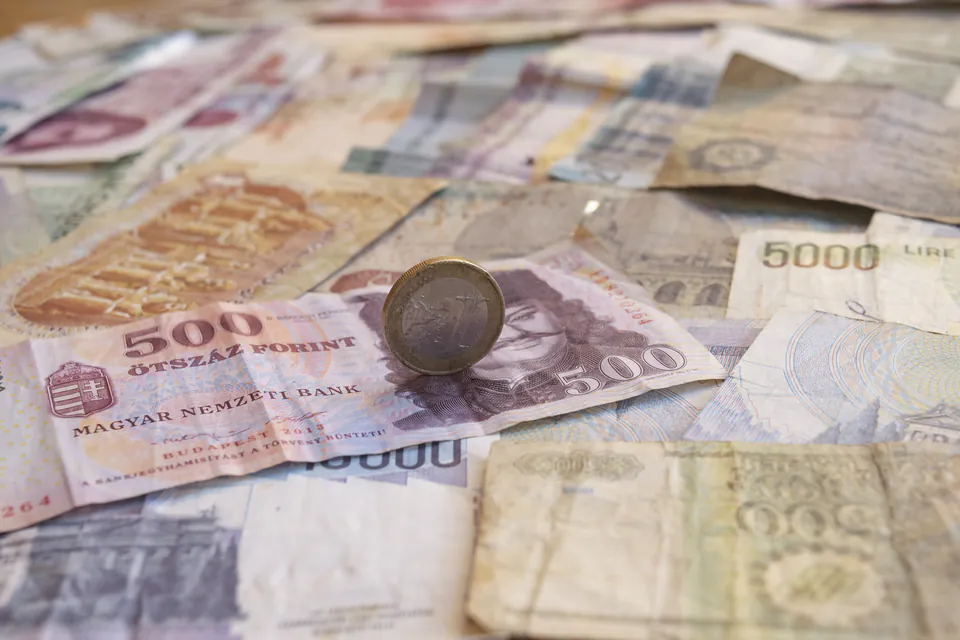
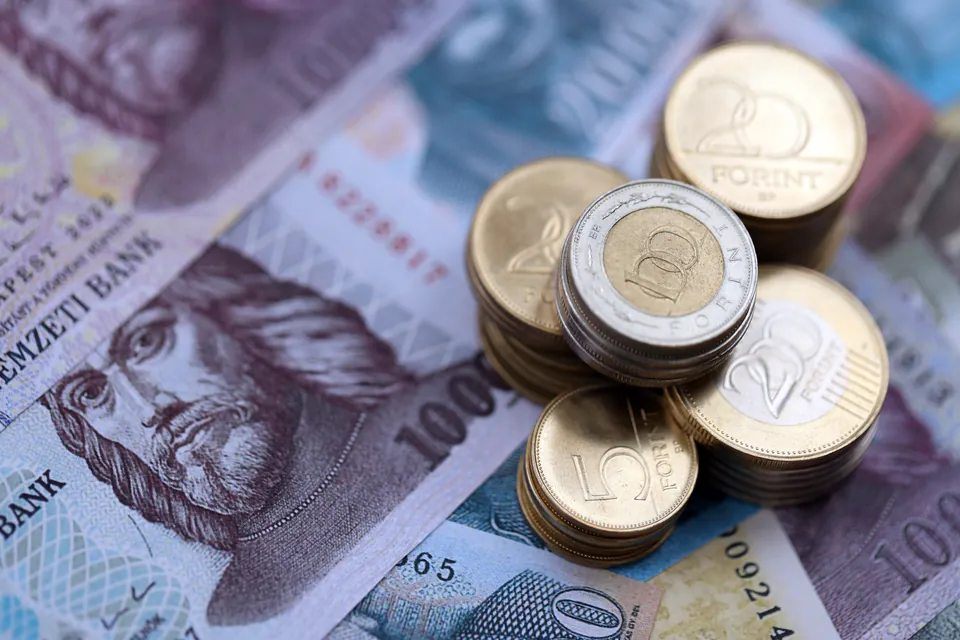
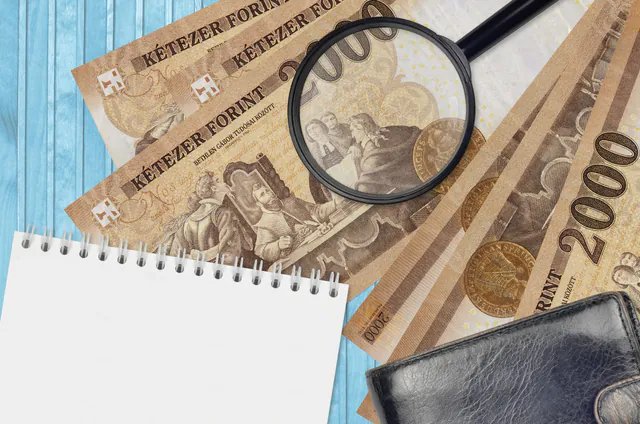
The Euro isn't your friend here. It isn't legal tender, though shops in the Castle District or on the Danube Promenade will gladly take it. They'll also use a custom exchange rate that’s 10% to 20% worse than the market mid-rate. Locals call it the 'lazy tax.' Always pay in Hungarian Forints (HUF). It’s that simple. You'll deal with colorful banknotes in 1,000, 2,000, 5,000, and 10,000 denominations. The 20,000 HUF note is worth about €50, but it's a pain to break at a small bakery. Hoard your 100 and 200 HUF coins. They aren't just shrapnel. A few of these will buy you a beer or a chimney cake at a street stall. Keep a coin purse handy for the city’s few remaining cash-only spots.
The Card Revolution and Cash Realities
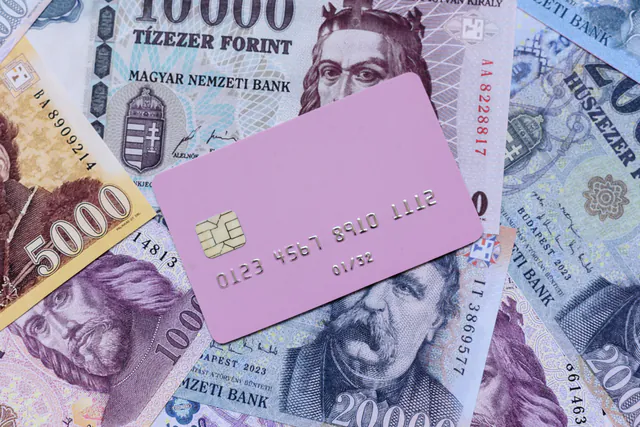
Budapest has gone digital. You can tap-to-pay for almost anything now. Even the smallest kürtőskalács stand by a metro station usually has a portable OTP terminal. By law, shops must offer an electronic payment option. You could easily survive a weekend using only Apple Pay. Use the BudapestGO app to buy transit tickets on your phone and skip the vending machines. But cash still has its place. If you're buying paprika from a grandmother at the Great Market Hall or a sausage at Lehel tér, you'll need notes. Public toilets at metro stations usually demand 200 or 300 HUF in coins. The 100E Airport Express bus takes cards, but the machines sometimes fail. Carry 10,000–15,000 HUF as a safety net.
ATM Strategy: Avoiding the Blue & Yellow Trap
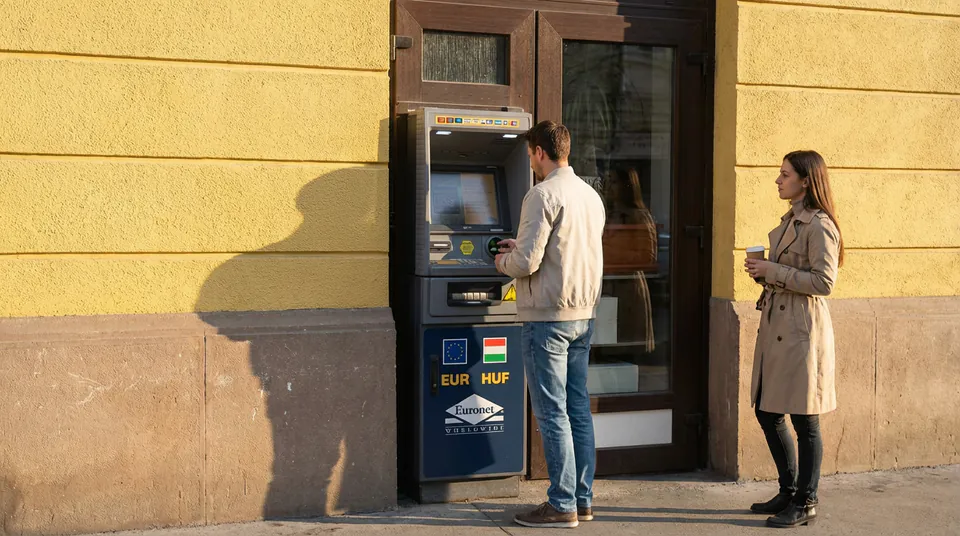
Avoid blue and yellow 'Euronet' ATMs like the plague. They're everywhere, ruin bars, supermarkets, and the airport arrivals hall. These machines thrive on massive withdrawal fees and terrible rates. They'll try to trick you into Dynamic Currency Conversion (DCC), charging your home account in USD or GBP at a huge markup. Only use ATMs attached to real banks. Look for OTP Bank, Erste Bank, Raiffeisen, K&H, or CIB. They're secure and offer fair market rates. When the machine asks to perform the conversion for you, hit 'Decline Conversion' or 'Charge in HUF.' Let your home bank handle the math. One wrong click at a tourist ATM can literally cost you the price of a decent lunch.
The Art of Tipping (Borravaló)
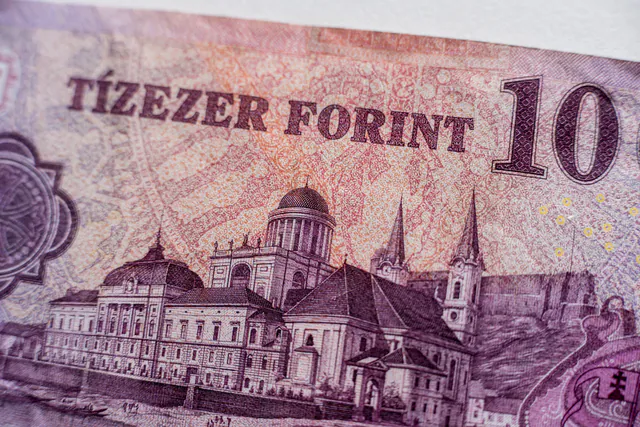
Tipping here is a specific dance. First, check your bill for 'szervizdíj' (service charge). Most spots in the 5th and 7th districts add 10% to 15% automatically. If it’s there, you're done. No extra tip needed. If there's no service charge, 10% is the standard. But don't just leave cash on the table and walk out. It’s considered rude. Instead, tell the waiter the total amount you want to pay before they swipe your card. If the bill is 4,500 HUF, make eye contact and say, 'Make it 5,000, please.' They'll enter 5,000 into the terminal and you tap. If you’re paying cash with a 10,000 note, say 'Five thousand back.' This verbal confirmation is the local way to handle the transaction.
Exchange Offices: The Good, The Bad, and The Airport
The airport currency exchange booths are notorious. Those orange InterChange kiosks will eat 20% of your money through bad spreads. Skip them. The booths on Váci utca or near Keleti station often scream '0% Commission' but hide terrible rates in the fine print. For the best place to exchange currency in Budapest, look for 'Correct Change.' They're the gold standard for expats and locals. You'll find a branch on Erzsébet körút near the Corinthia Hotel and another by Szent István körút. Gold Change is another solid bet. Check the current currency budapest exchange rate on your phone first. If the spread is more than 3-4 forints per Euro, keep walking. Bring your passport if you're exchanging more than 300,000 HUF.
Budgeting in 2025: What Things Actually Cost
Budapest isn't the dirt-cheap steal it was a decade ago, but it’s still great value. A flat white at a specialty café costs 1,000 to 1,400 HUF. A pint of Dreher beer in a ruin bar is about 1,200 to 1,600 HUF. Craft beers hit 2,500 HUF quickly. Dining is a mixed bag. A lángos at a market hall is 1,500–2,500 HUF. Dinner for two with wine at a bistro like Menza or Két Szerecsen will run you 25,000–35,000 HUF (€60–€85). Thermal bath prices have climbed too; a weekend ticket at Széchenyi is now roughly 13,000–15,000 HUF. Public transport is still a bargain. A 100E Airport Express ticket is 2,500 HUF. Budget 20,000 HUF (€50) per day for a comfortable trip without the stress.
Practical Tips
- 1Use the REpont bottle return system for store credit Hungary’s new deposit system (REpont) means plastic and glass bottles cost an extra 50 HUF. Don't bin them. Take them to machines at Lidl, Aldi, or Spar for a voucher you can spend at the checkout.
- 2The magic word for card payments is 'PayPass' If a shopkeeper looks confused when you wave your phone at the terminal, just say 'PayPass.' It's the local shorthand for contactless. They'll tap a button and the terminal will wake up.
- 3Toilet coins are essential survival gear Most public toilets in parks and metro stations are automated and demand 200 or 300 HUF in coins. Keep a few heavy coins in your pocket so you aren't caught short.
- 4Validate your 100E Airport Bus ticket digitally Bought your 2,500 HUF ticket on the BudapestGO app? You must scan the QR code sticker on the outside of the bus door before you board. Show the animation on your screen to the driver.
- 5Verify the 'Szervizdíj' before tipping Look at the bottom of the receipt. If 'Szervizdíj: 12%' is there, your tip is already included. If you only see 'VAT' or 'ÁFA,' that’s just tax, you still need to add 10%.
- 6Download BudapestGO for cashless travel Skip the ticket machine queues. The BudapestGO app handles single tickets, 24-hour passes, and the airport shuttle. It’s instant, digital, and saves you hunting for paper slips.
- 7Correct Change is the king of exchanges For the best currency exchange in Budapest, go to a 'Correct Change' branch like Erzsébet krt 41. Their rates are remarkably fair, usually within 1% of the mid-market rate.
Top Attractions

Where to Eat
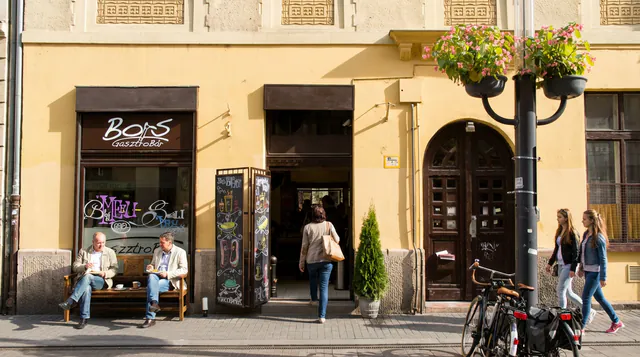
Bors GasztroBár
Don't let the Star Wars toys and thumping hip-hop fool you. Bors GasztroBár on Kazinczy utca is a serious kitchen disguised as a hole-in-the-wall. Founded by tw
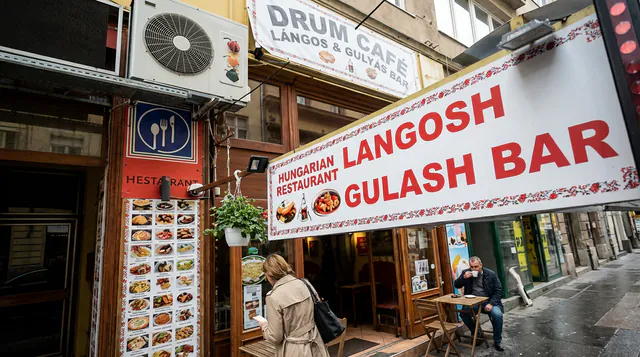
Drum Cafe Langosh & Gulash Bar
You'll find Drum Cafe sitting right at the entrance to the Jewish Quarter on Dob utca. It's a loud, unpretentious spot that takes two Hungarian heavyweights, lá
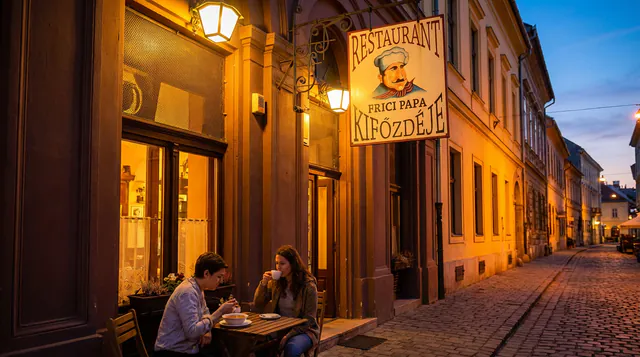
Frici Papa Kifőzdéje
While the rest of the 7th District chases neon lights and craft cocktails, Frici Papa Kifőzdéje remains a stubborn relic of the 1990s. This is the ultimate Hung
Frequently Asked Questions
Can I pay with Euros everywhere in Budapest?
Is cash or card better in Budapest?
How much is the 100E airport bus ticket?
Do I need to tip taxi drivers in Budapest?
Which ATMs should I use in Budapest?
Is the Budapest Card worth the money?
Related Guides
- Budapest Without Barriers: An Accessible Guide to the Pearl of the Danube
- The Budapest Card: The Ultimate Local's Guide to Value & Validity
- Budapest on a Budget: How to Experience the Pearl of the Danube Without Breaking the Bank
- Emergency Contacts & Services in Budapest: A Local's Safety Net
- Navigating the Red Tape: A Local’s Guide to Entering Hungary
- Navigating Healthcare & Pharmacies in Budapest: A Local’s Field Guide
- Staying Connected in Budapest: The Ultimate Internet & SIM Card Guide
- Speaking Magyar: A Traveler’s Survival Guide to the Language of Budapest
Trip Budget Calculator
Get a realistic cost estimate for your {city} trip in seconds.
Try itTags
Places in Budapest
Related attractions, hotels, and more.