St. Gellért Thermal Bath and Swimming Pool
Thermal Bath
About the Experience
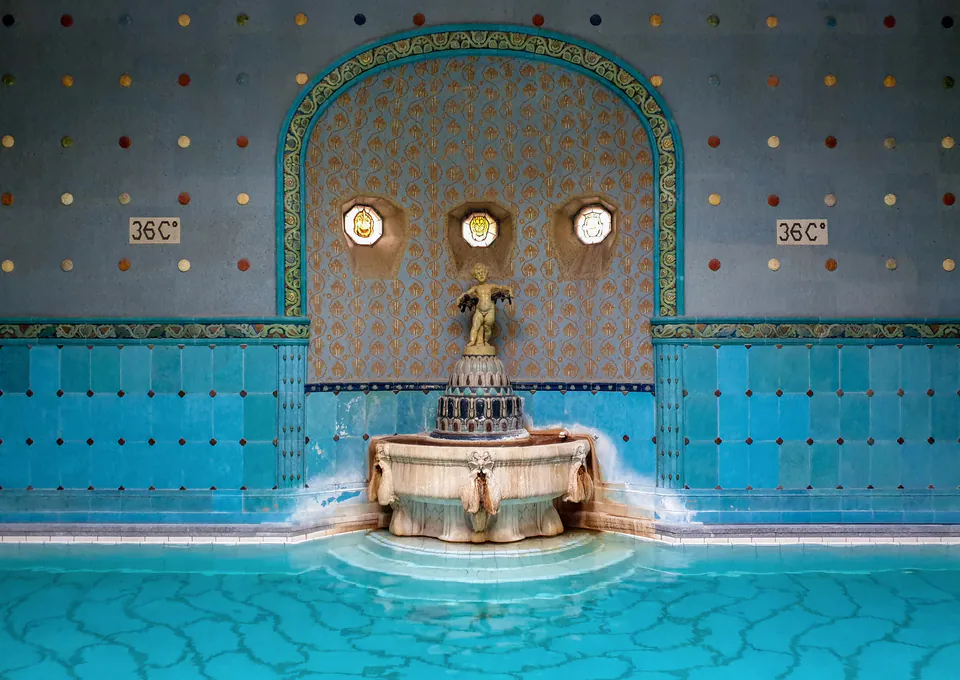
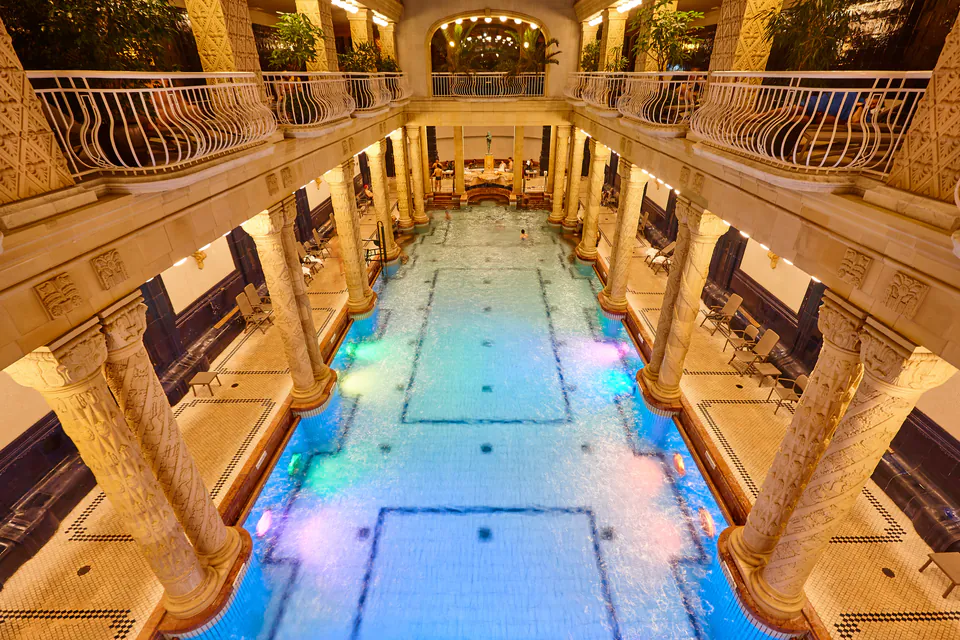
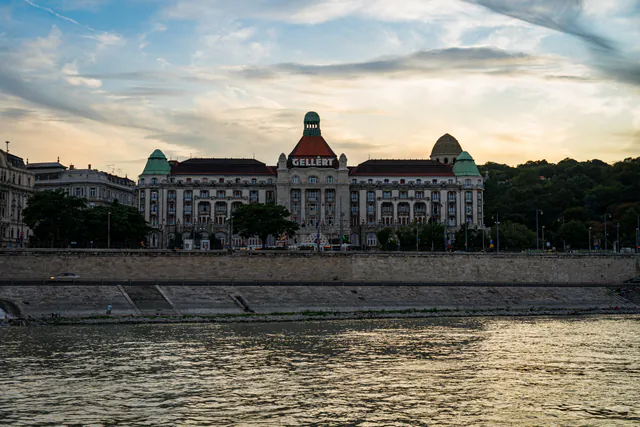
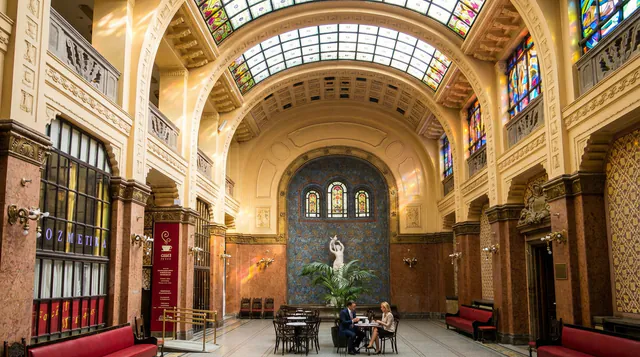
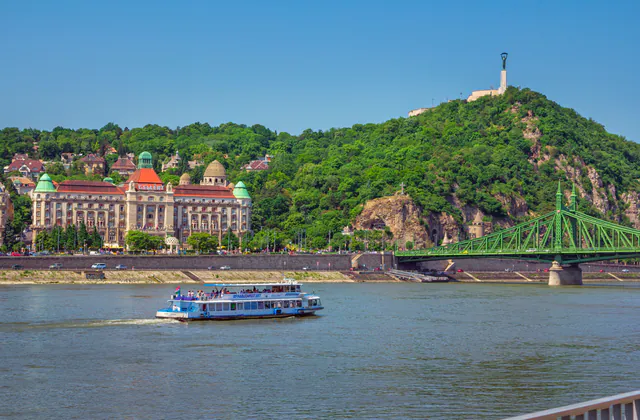
Call it the Palace of Baths. It's the most striking spa in Budapest, and it isn't even close. Located inside the grand Hotel Gellért at the base of Gellért Hill, this Art Nouveau masterpiece feels like a cathedral for swimming. You'll walk into a main hall topped by a soaring glass roof and lined with marble columns. Stained glass windows cast a deep gold light over the turquoise water of the lap pool. It's grand. It's moody. It's exactly where you want to be on a rainy Tuesday.
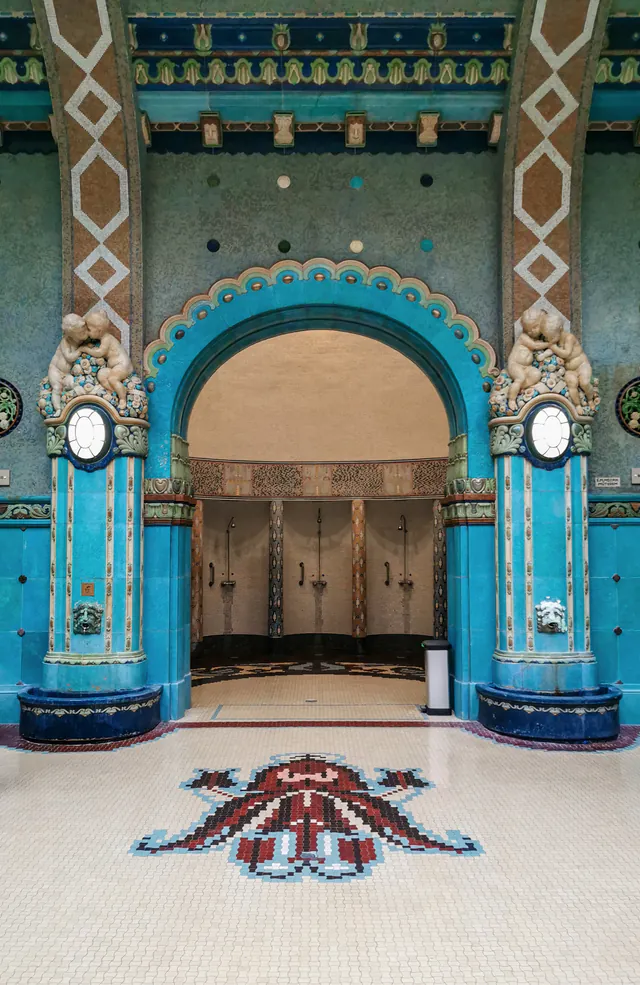
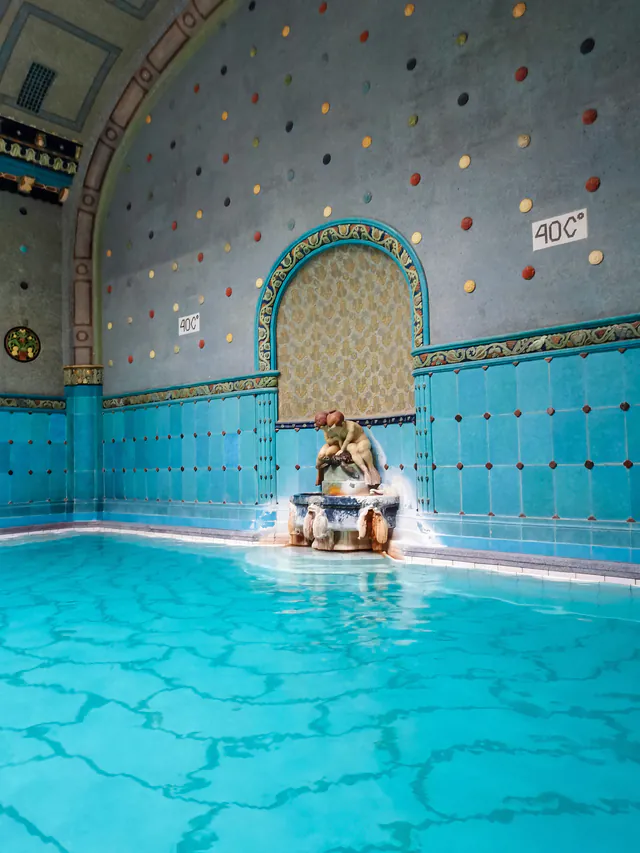
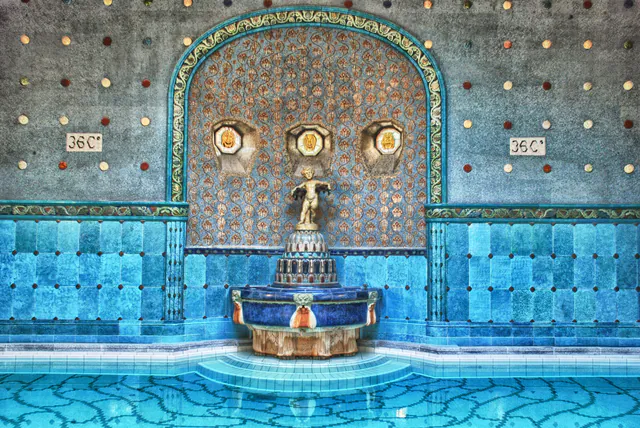
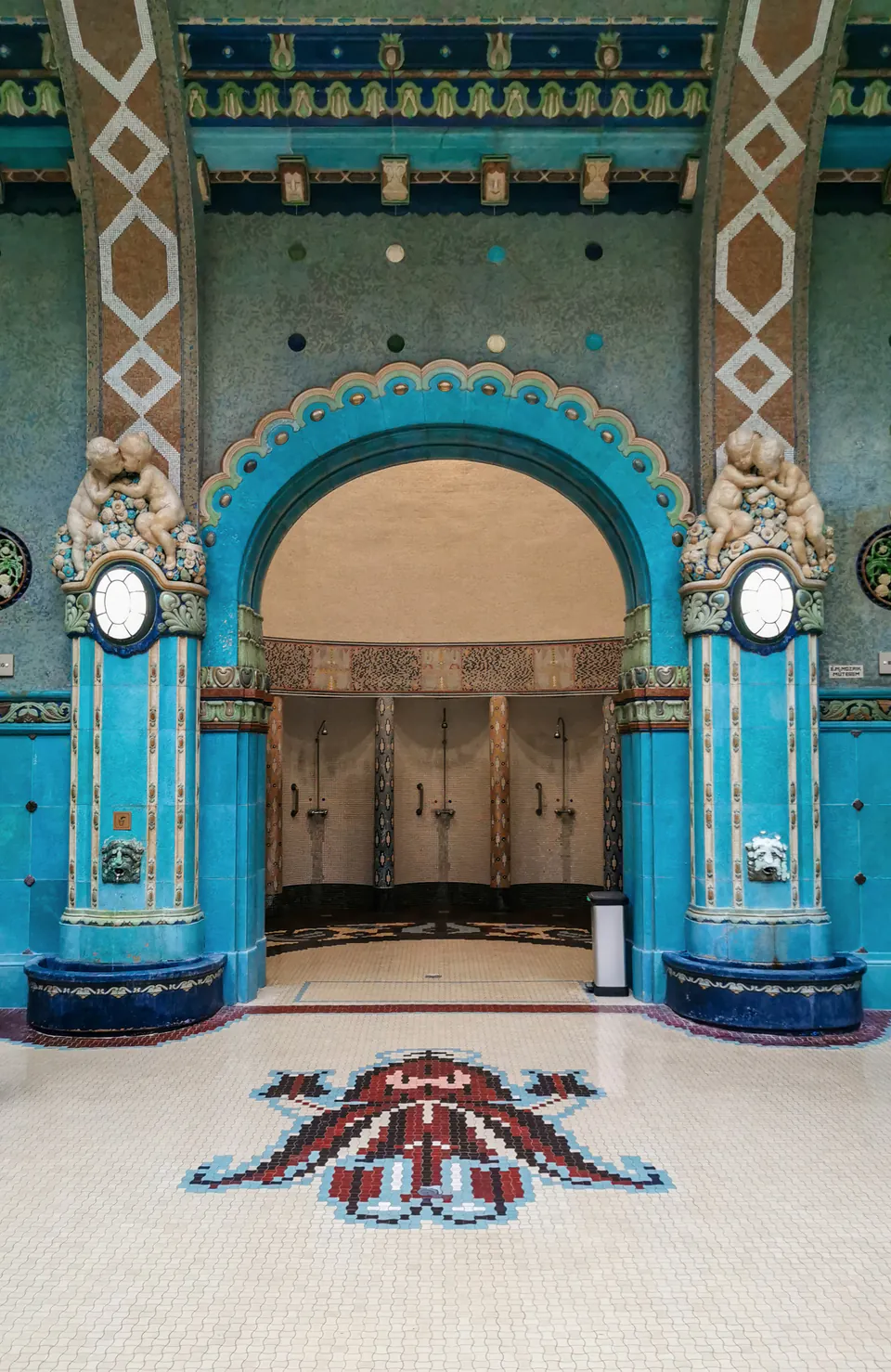
Once you leave the main pool, you're in a labyrinth. Tiled corridors lead to steam rooms and thermal chambers. Look at the walls. Those deep blue and green ceramics are Zsolnay pyrogranite tiles, punctuated by gargoyle spouts and intricate mosaics. People have soaked in these mineral springs for centuries. They come for the healing waters, but they stay for the design.
Summer changes the vibe. You'll head out to the terraced garden on the hillside to find the world's first wave pool. It's been running since 1927. It's noisy and nostalgic, providing a sharp contrast to the hushed, steamy elegance of the indoor baths. Go for the architecture, stay for the soak, and soak up a slice of 20th-century Budapest grandeur.
Photos
History & Significance
The current Art Nouveau building opened in 1918, but these springs have a much longer story. The Knights of St. John ran a hospital here in the 13th century. Later, during the Ottoman occupation, locals called it Sárosfürdő, or the Muddy Bath. They weren't being poetic. Mineral-rich silt used to settle at the bottom of the pools. Architects Artúr Sebestyén, Ármin Hegedűs, and Izidor Sterk designed the modern complex between 1912 and 1918. It was a bold statement of Budapest’s golden age wealth.
World War II wasn't kind to the building. The women's section took a direct hit and stayed in a stripped-down state until a proper 2008 restoration. A major milestone hit in 1927 when the facility installed the world's first wave pool mechanism. It still works. Heads up: the entire complex is slated for a massive engineering overhaul starting in October 2025, so get your visit in before the doors close for renovation.
Architecture & Design
St. Gellért is a temple of Hungarian Secessionist style. The architects didn't just build a pool; they built a palace. In the main hall, ten marble columns hold up a retractable glass roof that floods the space with light. Wrought-iron railings and sculpted stone details make you feel like you've stepped back to 1905. It's dense with detail.
But the thermal halls are the real prize. These rooms are covered in Zsolnay tiles from the famous factory in Pécs. The walls shimmer with emerald, turquoise, and gold. Look up at the spouts. They're shaped like mythical gargoyles spitting thermal water. Miksa Róth designed the stained glass windows, which illustrate scenes from Hungarian epics.
Even the lobby is a showstopper. You'll find a domed ceiling and mosaic floors before you even change. Unlike the sprawling, open-air feel of Széchenyi, Gellért is intimate and ornate. From the porcelain statues to the heavy wooden changing cabins, every inch is designed to impress.
The Pools & Thermal Waters
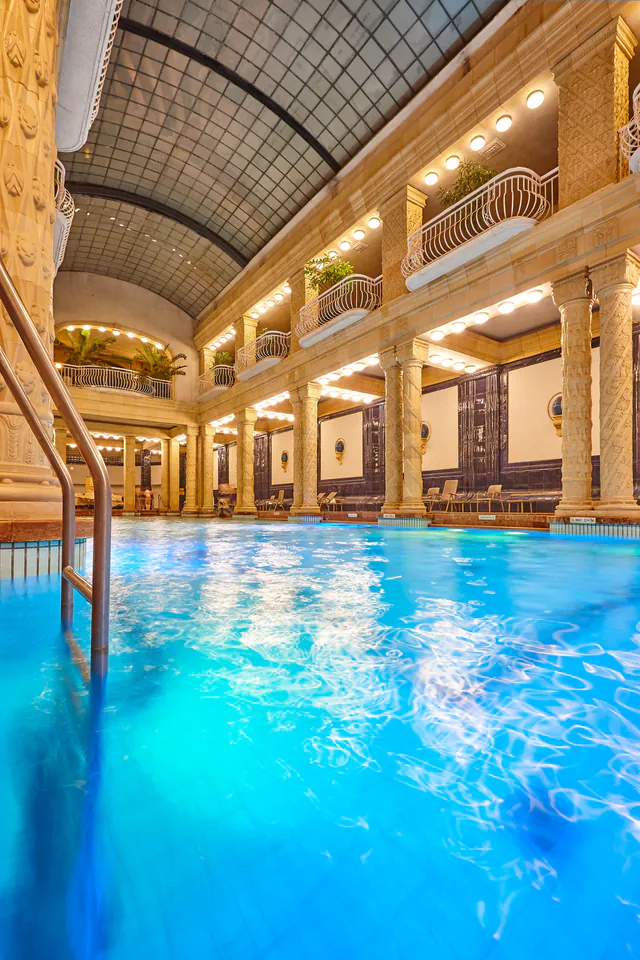
You have plenty of choices here. The temperatures range from a brisk plunge to a 40°C (104°F) soak. The indoor swimming pool stays at 27°C (81°F). Off to the sides, you'll find the thermal zones. These used to be gender-segregated, but they're co-ed now. These pools hold the medicinal water that made the hill famous.
The water comes from deep under Gellért Hill. It's packed with calcium, magnesium, and sulfate. Locals swear by it for joint pain and circulation. You'll see them alternating between the hot chambers and the freezing immersion pools to get the blood moving. It's a ritual.
Outside, the garden has two distinct spots. There's a thermal sitting pool for soaking in the fresh air, which is great when it's snowing. Then there's the 1927 wave pool. When the buzzer sounds in the summer, the machine kicks on and turns the pool into a choppy sea. It's loud, it's fun, and it's a total time capsule.
Wellness & Treatments
Gellért isn't just about floating in hot water. It's a full-scale medical spa. You can sweat it out in Finnish saunas or duck into steam rooms scented with herbs. These are great for your lungs, but the real focus is on the massage rooms. You can book a quick 20-minute aroma massage or go all-in on a medical treatment.
They still do mud packing here. It uses the mineral-heavy silt that gave the bath its original name. It's messy but effective for inflammation. If you're feeling flush, you can book a private bath. These are separate, ornate tubs for couples that often include a bottle of champagne.
There's a serious medical side too. The complex has an inhalatorium for asthma and respiratory issues. This isn't just a tourist attraction. It's a functioning healthcare facility with a very fancy coat of paint.
Tours & Experiences Nearby
Top-rated tours and experiences starting near St. Gellért Thermal Bath and Swimming Pool.
 cooking class
 food tour
 river cruise
 walking tour
Essential Visitor Tips
- Cap up
You only need a swimming cap for the central lap pool. Don't worry about them in the thermal pools, but the lifeguards will blow a whistle if you try to swim lanes without one.
- Flip-flops are mandatory
You need shoes to walk between pools and through the locker rooms. If you show up barefoot, you'll be forced to buy a cheap pair at the gift shop.
- Hunt for the Blue Room
This place is a labyrinth. Find the 'Blue Room' in the thermal section. It has the best Zsolnay mosaics and the most impressive atmosphere in the whole building.
- Mind the waves
The outdoor wave pool only runs from May to October. In the winter, you can still use the outdoor thermal pool, which is a great place to watch the snow fall while you stay warm.
- Pay for the cabin
You'll have a choice between a tiny locker or a private cabin. Spend the extra for the cabin. It gives you a private place to change and much more room for your bags.
Best Time to Visit
"Get there at 09:00 on a Tuesday. You'll beat the crowds and get clean shots of the architecture. It's a zoo on Saturday afternoons."
Nearby Hotels
19m
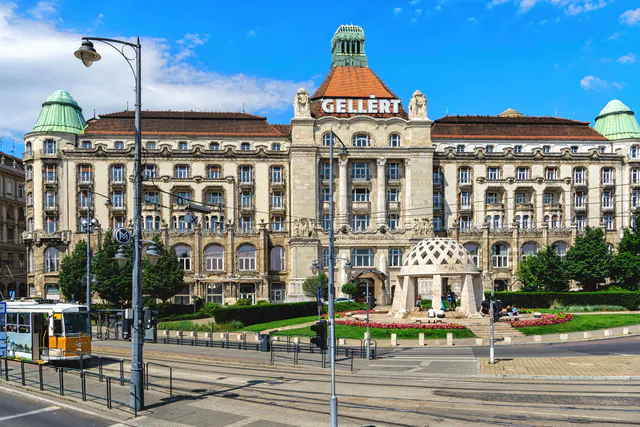
Masterpiece of Hungarian Art Nouveau architecture opened in 1918 · Historic direct private elevator access to the Gellért Thermal Baths
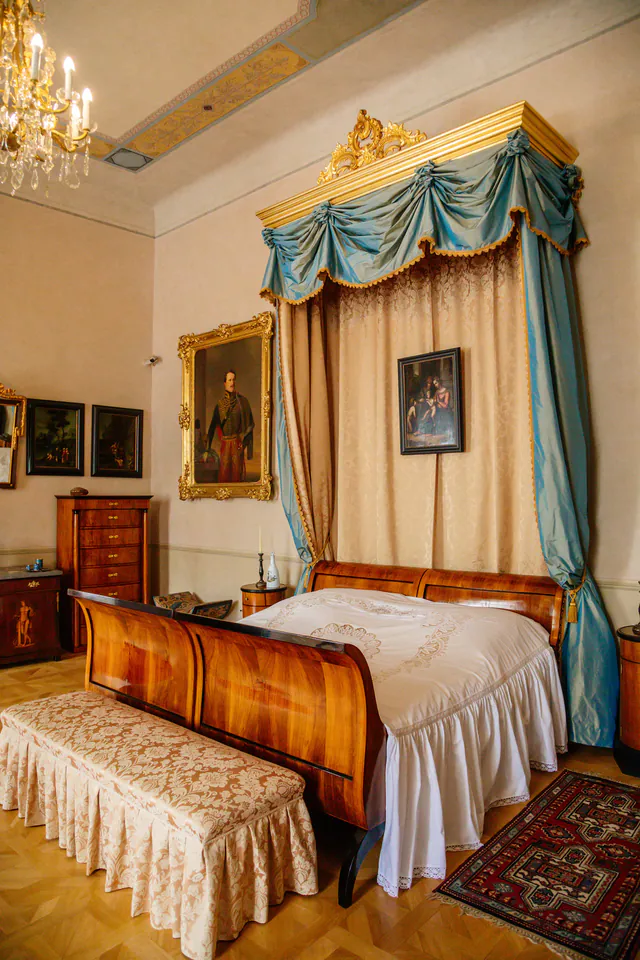
1 min walk (61m)
Direct access to the legendary Gellért Thermal Bath · Art Nouveau landmark building from 1918
Price From €140/night
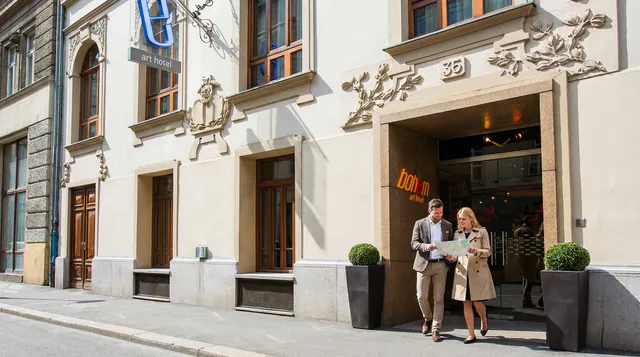
7 min walk (536m)
Housed in the historic 1905 Szénásy Stationery Factory · Interiors featuring original works by young Hungarian artists
Price From €95/night
Nearby Restaurants
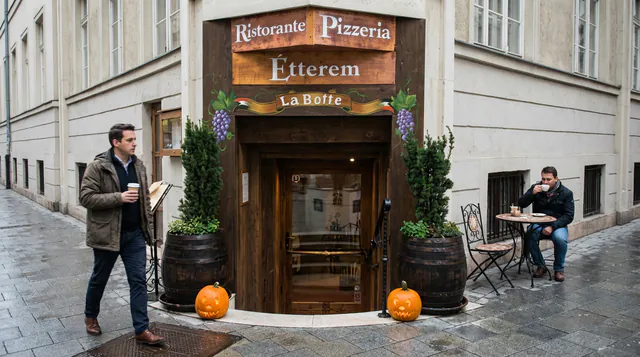
Ristorante La Botte
Italian Casual • Moderate
You'll find Ristorante La Botte at the quiet southern tail of Váci utca. It sits...

Fatál Étterem
Hungarian Casual • Moderate
Fatál Étterem isn't for the faint of heart or the small of stomach. Tucked into ...
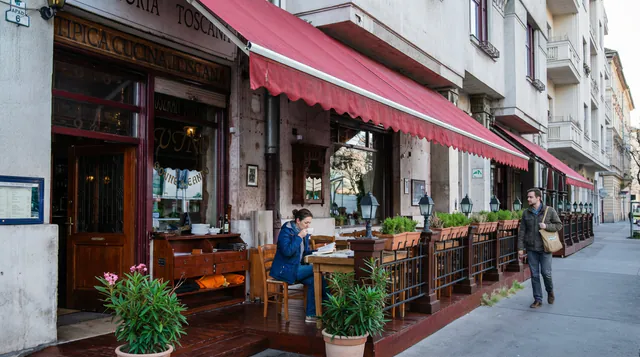
Trattoria Toscana
Italian Bistro • Moderate
Don't come to Trattoria Toscana just for a quick pizza. Located on Belgrád rakpa...
Frequently Asked Questions
What should I bring to St. Gellért Thermal Bath and Swimming Pool?
Are the pools at St. Gellért Thermal Bath and Swimming Pool co-ed?
What is the best way to get to St. Gellért Thermal Bath and Swimming Pool?
Can I take photos inside St. Gellért Thermal Bath and Swimming Pool?
Are there places to eat near St. Gellért Thermal Bath and Swimming Pool?
What attractions are located near St. Gellért Thermal Bath and Swimming Pool?
Does St. Gellért Thermal Bath and Swimming Pool have an outdoor pool?
Why is St. Gellért Thermal Bath and Swimming Pool considered historic?
What are the opening hours of St. Gellért Thermal Bath and Swimming Pool?
How much does it cost to visit St. Gellért Thermal Bath and Swimming Pool?
How long should I spend at St. Gellért Thermal Bath and Swimming Pool?
Is St. Gellért Thermal Bath and Swimming Pool wheelchair accessible?
Quick Facts
Find Hotels Nearby
The Neighborhood
District XI: Újbuda
Read Guide