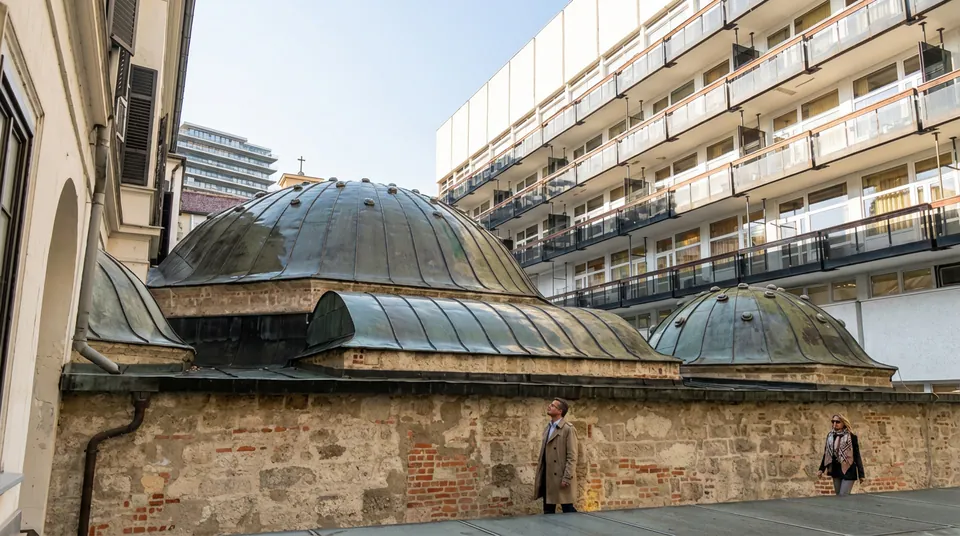
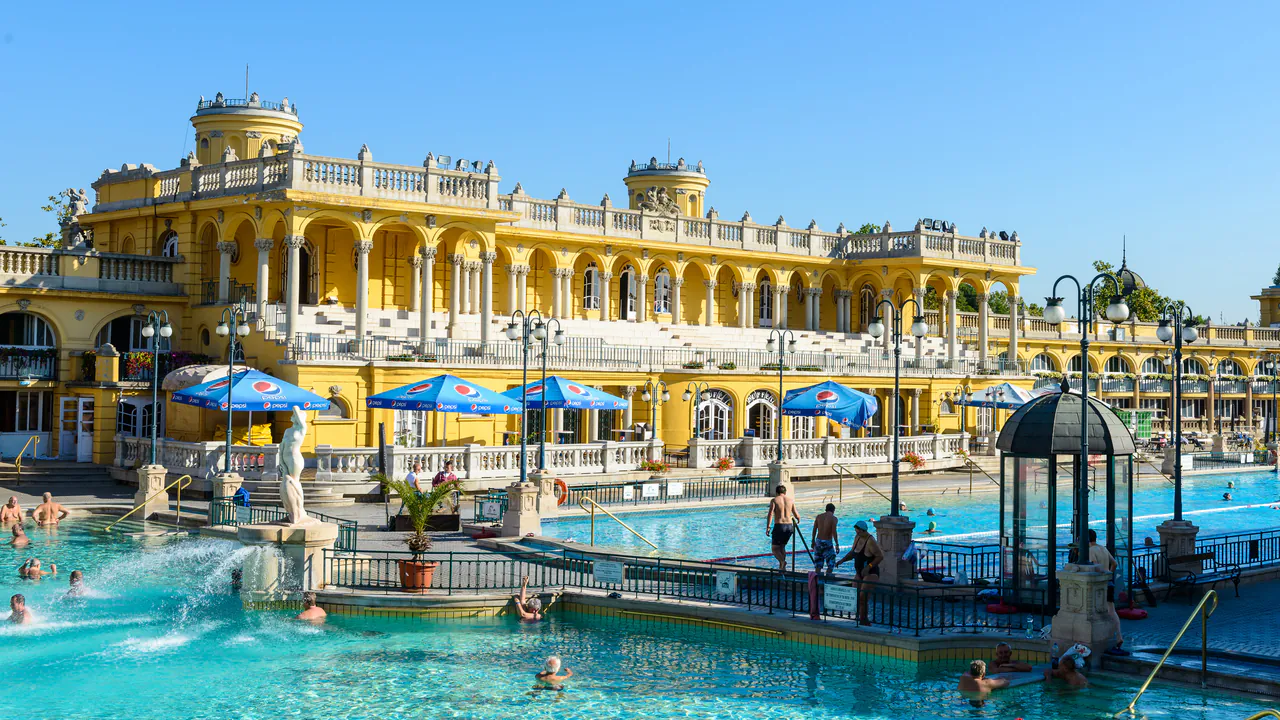
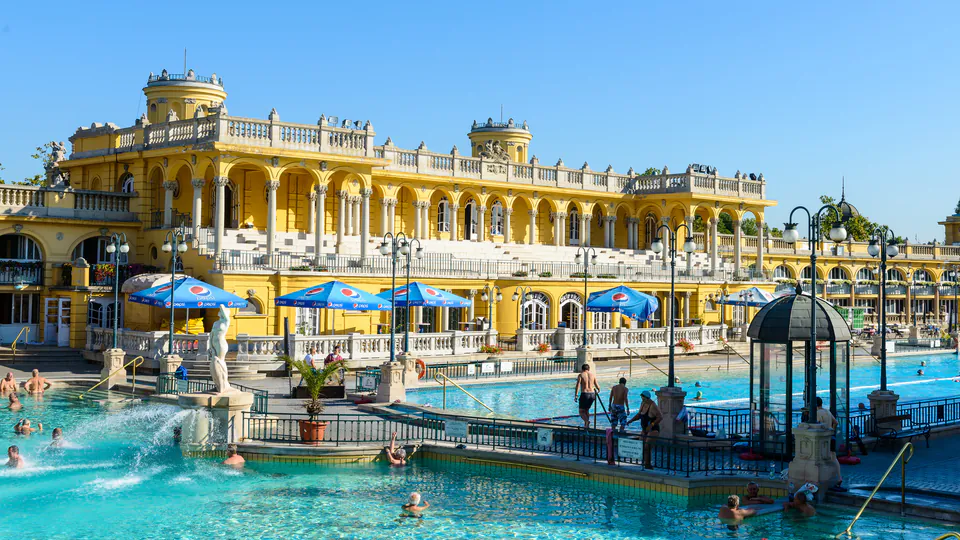
Budapest is the only capital city in the world sitting on a massive network of thermal springs, but not every bath offers the same experience. You can spend 38 EUR for a high energy party atmosphere at Széchenyi or 14 EUR for a silent, historic soak at Veli Bej. The choice depends entirely on whether you want to be surrounded by thousands of tourists in a Neo Baroque palace or sit quietly with locals in a 16th century Ottoman dome. The city's spa culture is a serious business, and navigating it requires knowing the difference between a medicinal soak and a social event.
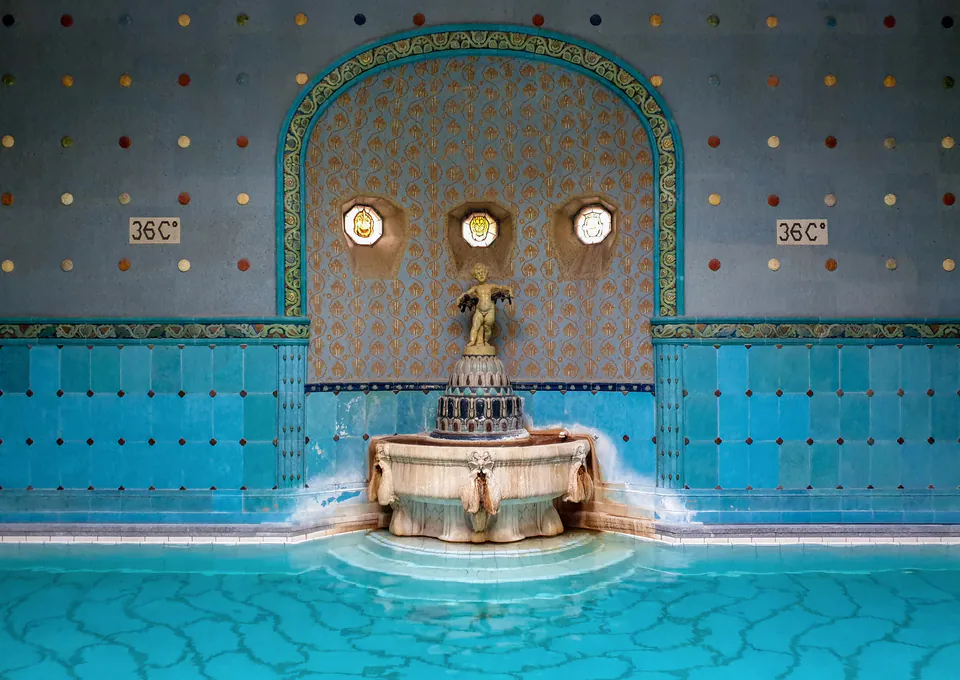
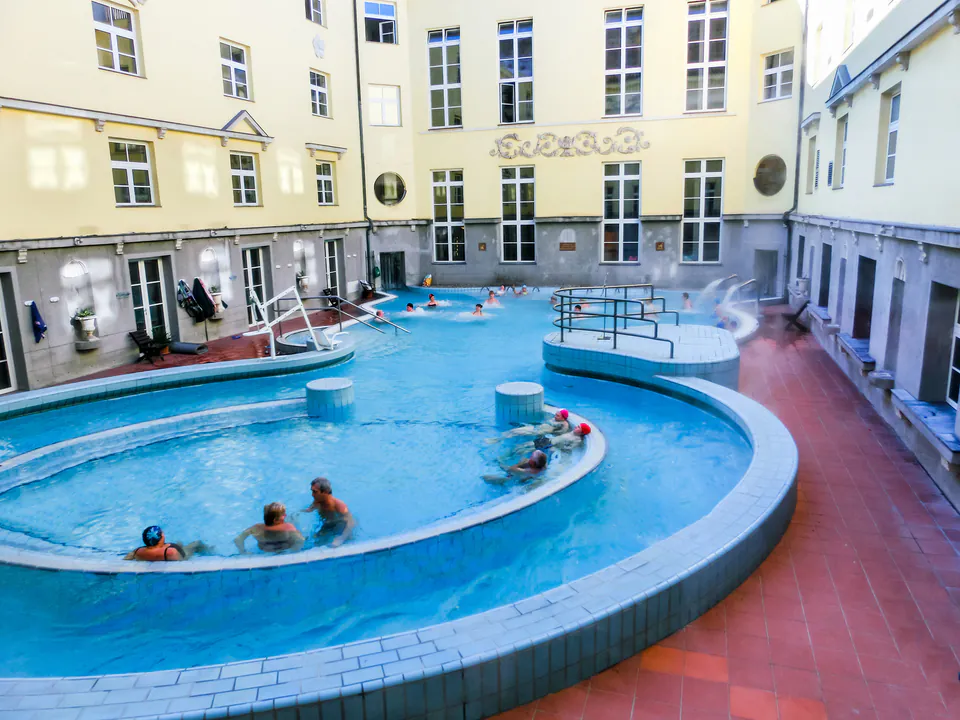
Location is your first filter. The grandest baths like Széchenyi are in City Park, while the historic Ottoman sites like Rudas and Veli Bej hug the Buda side of the Danube. If you are looking for architectural splendor, Gellért is unbeatable with its Art Nouveau mosaics, but you will pay a premium of 27 EUR for the privilege. For those on a budget, Lukács and Palatinus offer a more authentic, less polished experience for under 20 EUR. Crowd levels vary wildly. Széchenyi is almost always packed, whereas Veli Bej limits its capacity to ensure a peaceful environment.
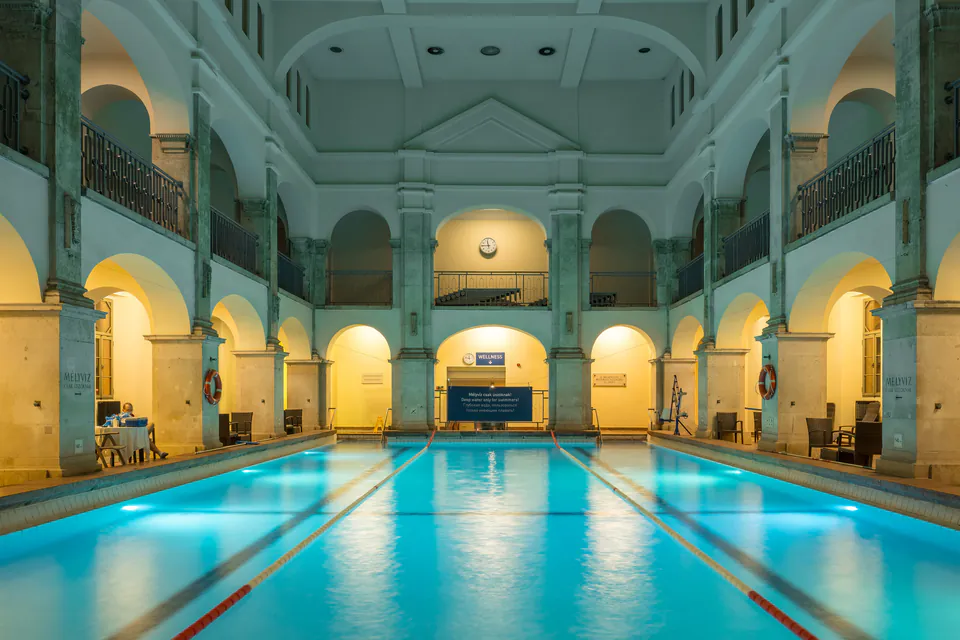
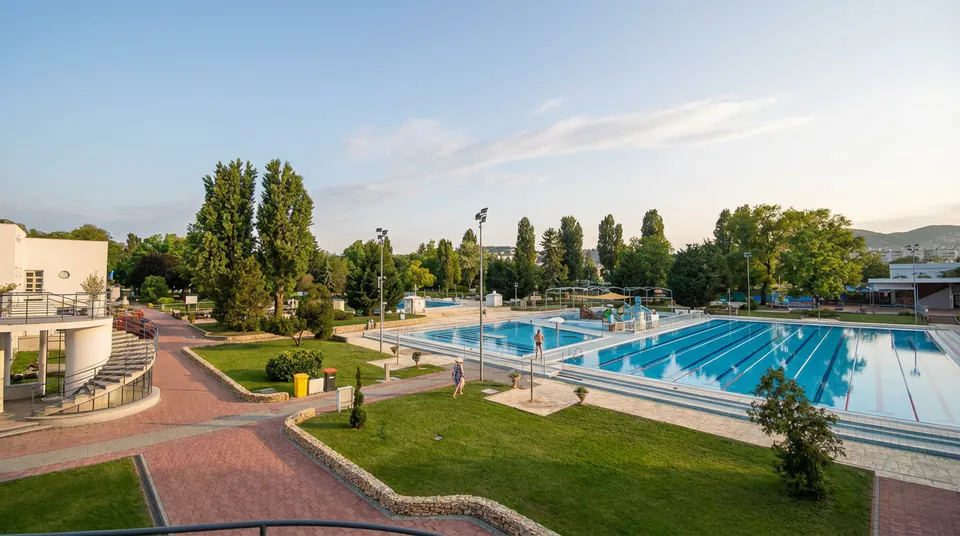
Water quality is generally high across the board, but the mineral content varies. Lukács is famous for its healing properties, attracting those with genuine ailments, while Palatinus functions more as a recreational park. When planning your visit, remember that weekend prices are always higher, often jumping by 5 to 10 EUR. Most baths require a swimming cap for the lap pools, and while you can rent towels, bringing your own will save you a significant amount of money and time in rental lines. The Turkish baths like Rudas still maintain some gender segregated days, so always check the schedule before crossing the bridge. Choosing the right bath is the difference between a stressful tourist trap and a transformative afternoon.
 #1
#1