Prague Weather Guide: Climatological Dynamics & Seasonal Strategies
Autor:
Nils Johansson | Założyciel
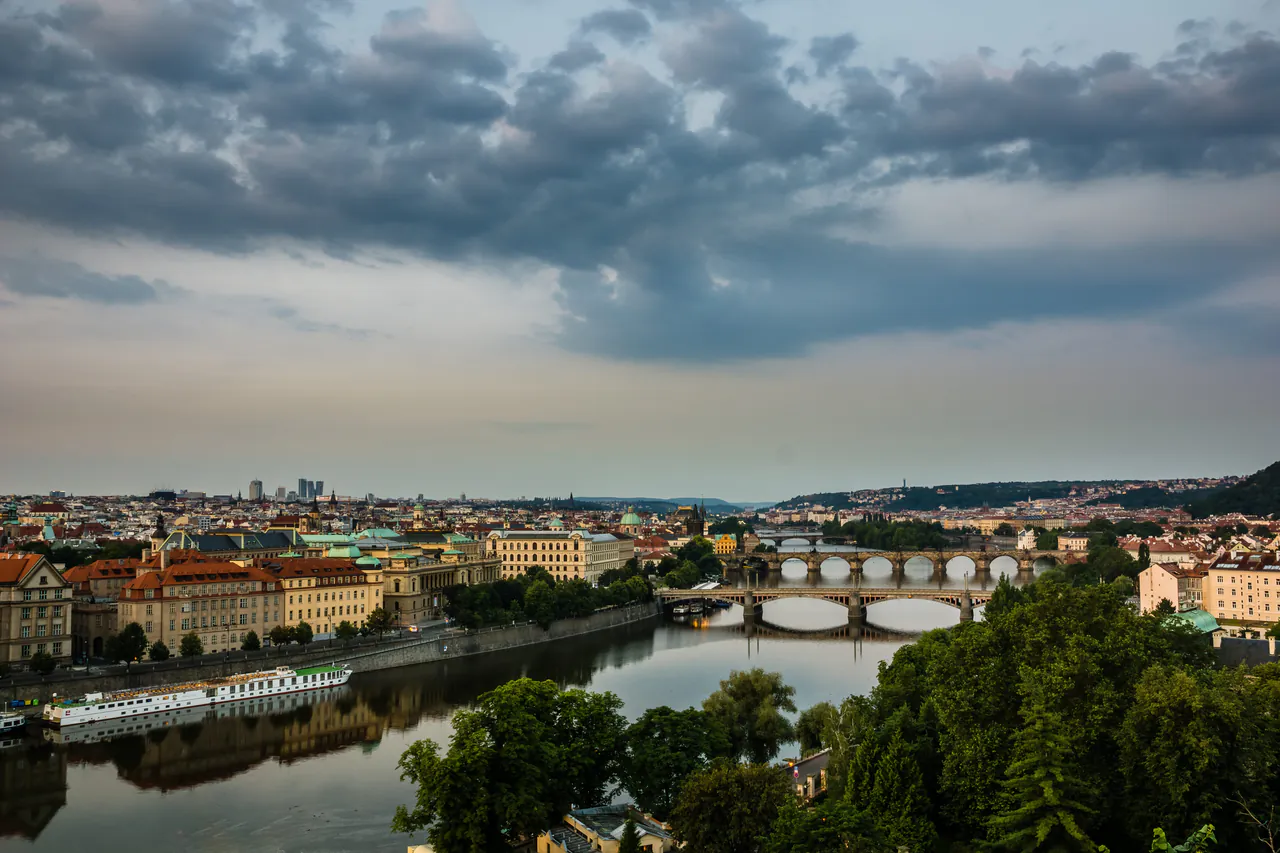
Prague sits in a shallow basin split by the Vltava River. You'll deal with a classic Central European climate here. Expect sharp seasons. One month, you're shivering through thick fog beneath Gothic spires. The next, you're nursing a cold pilsner in a shaded beer garden. Weather runs this city. It dictates the rhythm of the streets. In January, nights bottom out at -3°C. It's cold. But by May, the gloom breaks for cherry blossoms on Petřín Hill. June brings 16 hours of daylight. Watch for the afternoon storms. They hit hard and fast. Autumn is better. You get golden light, vineyard harvests, and fewer crowds. Walking is the only way to see the UNESCO core. But these are ancient cobblestones. They get slick in the rain. Pack solid waterproof shoes. Don't compromise on the soles. Whether you're here for the history or the beer, check the forecast first. It makes or breaks the trip. Strategic planning pays off here. Winter rates are low, but the wind bites. Summer is beautiful but packed. Pick your poison.
Zdjęcia
Climatological Rhythms: The Seasonal Anatomy of Prague
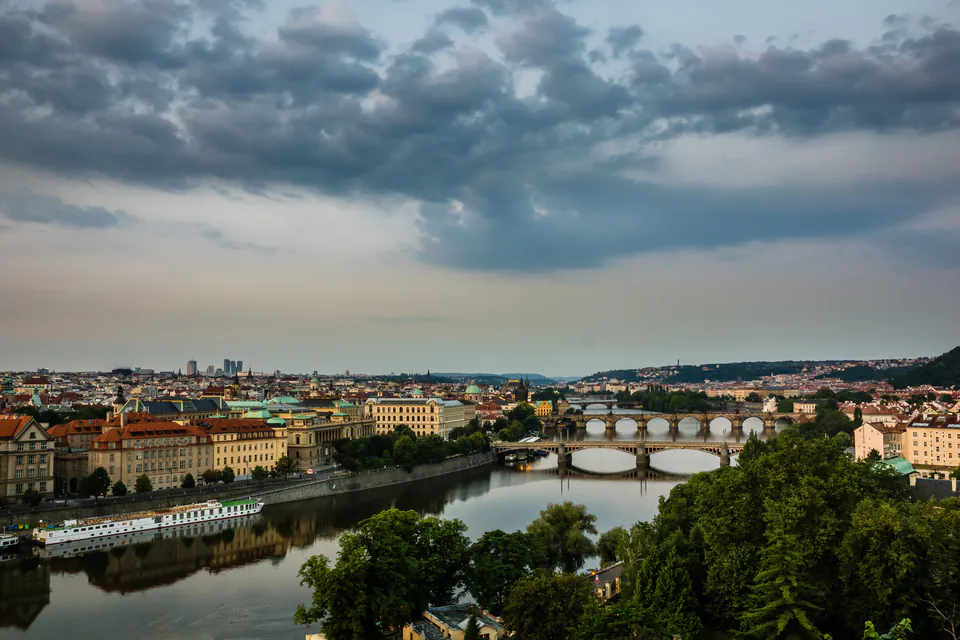
You need to plan for shifts. Prague doesn't do steady. Spring starts in March, but it's basically still winter then. By May, things heat up to 18°C. But don't get comfortable. May is actually the wettest month of the year with 69mm of rain. Carry a coat. Summer is when everyone shows up. It hits 25°C regularly. You'll have light until 21:00. It's great for long walks. But the storms are fierce. June averages ten days of rain. Most of it comes in heavy afternoon bursts. Then there's winter. January is the worst of it. Nights hit -3°C and days rarely pass 2°C. Pack your heaviest coat. Thermal insulation isn't optional. You'll need it when the damp wind comes off the Vltava.
Meteorological History: The Clementinum Legacy and Hydrological Resilience
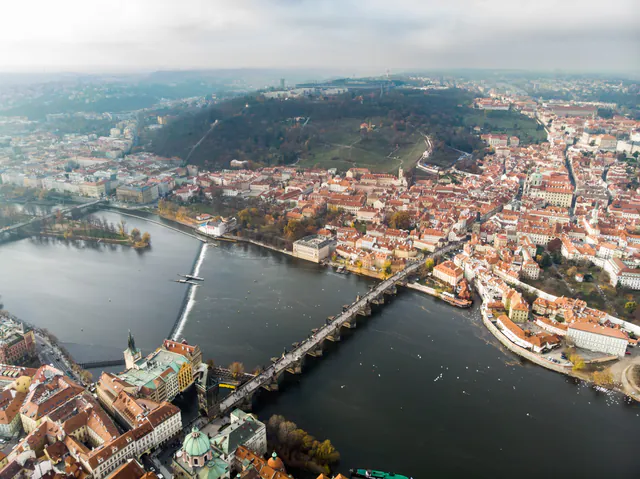
They've watched the sky here for a long time. The Clementinum has tracked weather since 1752. It’s one of the oldest records on earth. These logs show things are heating up. For instance, 2018 was the hottest year ever recorded in Prague. It beat records held for centuries. The river is the bigger threat. In August 2002, a massive flood wrecked the Karlín district. They had to move 50,000 people out fast. It was a disaster. Now, the city has 19 kilometers of defenses. They use clever mobile barriers in the center. This keeps the views clear but keeps the water out. It's smart engineering. They can put them up in hours based on river models. It keeps the history safe.
The Cultural Calendar: Aligning Travel with Seasonal Festivities
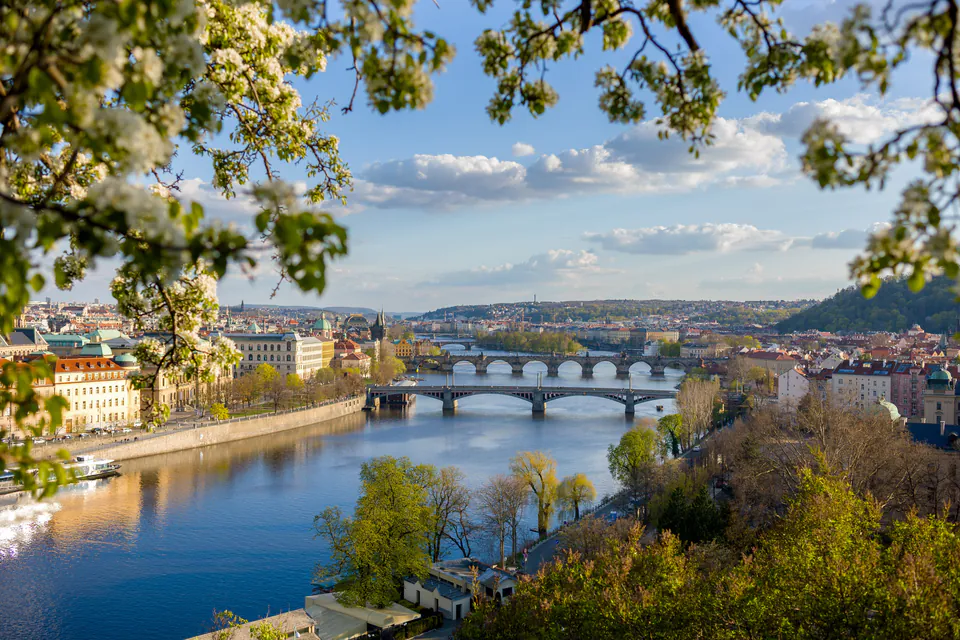
Time your trip right. Spring kicks off with Easter Markets in Old Town Square. You'll see hand-painted eggs and local street food. It's a good time to try woven willow whips. Then May brings the Prague Spring music festival. It’s the city's big cultural moment for classical fans. When the heat drops, the wine comes out. September is for Vinobraní. That's the harvest festival season. Go find some burčák (young wine) and listen to folk music. If you come in winter, it's all about the Christmas Markets. The air is freezing. But a cup of svařák (hot mulled wine) fixes that. Grab some roasted chestnuts and keep moving. The atmosphere is worth the cold.
Economic Seasonality: Strategic Budgeting and Accessibility Dynamics
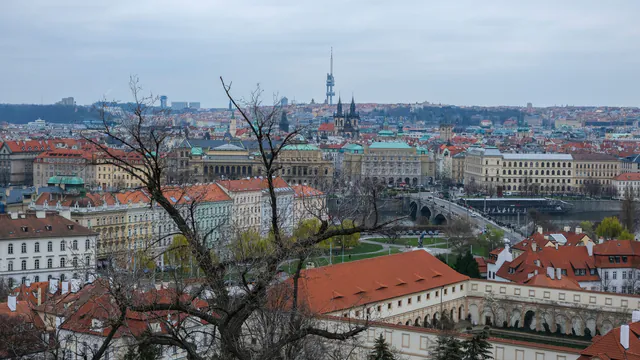
Summer is expensive. From June to August, prices skyrocket. Book your room two months early or you'll pay a premium. If you're on a budget, look for university dorms. They open up for cheap in the summer months. It's a smart move for backpackers. Winter is the real bargain. Come between January and March to save big. Prices drop by 40% compared to summer peaks. It’s cold, but your wallet will thank you. Get a Prague Visitor Pass if the weather turns. It gets you into museums and onto the heated trams. Use the transport to stay warm. It’s a solid value play. You'll see the same spires for a fraction of the cost.
Wskazówki praktyczne
- 1Warto kupić 72-godzinny bilet na komunikację miejską za 330 CZK, aby uniknąć wyczerpujących długich spacerów podczas ekstremalnej pogody sezonowej.
- 2Zaplanuj uciążliwe zwiedzanie na zewnątrz, takie jak strome podejście do Prague Castle, na wczesny poranek w szczytowych miesiącach letnich.
- 3Daj pierwszeństwo obuwiu z grubą podeszwą i wodoodpornemu zamiast butów wybranych pod kątem estetyki, aby bezpiecznie poruszać się po śliskim, nierównym bruku.
- 4Ubieraj się na cebulkę, co pozwoli Ci komfortowo radzić sobie z nagłymi zmianami temperatury między ogrzewanymi zabytkowymi wnętrzami a mroźnymi ulicami zimą.
- 5Wejdź na Old Town Hall Tower lub wieże Charles Bridge, aby zrobić najlepsze zdjęcia i uciec od gęstych tłumów turystów na poziomie ulicy.
- 6W lipcu i sierpniu szukaj noclegów w akademikach uniwersyteckich, aby zapewnić sobie korzystne letnie stawki zaczynające się już od 550 CZK za noc.
Najważniejsze atrakcje
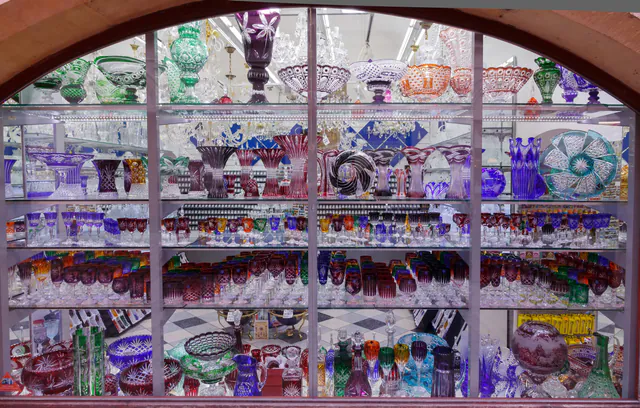
PRAGL - Prague Glass Experience
Szukaj ciężkich drzwi pod adresem Malé náměstí 7, tuż za rogiem od Astronomical Clock. Wewnątrz chłodne, kamienne łuki Old Town ustępują miejsca rykowi pieca o
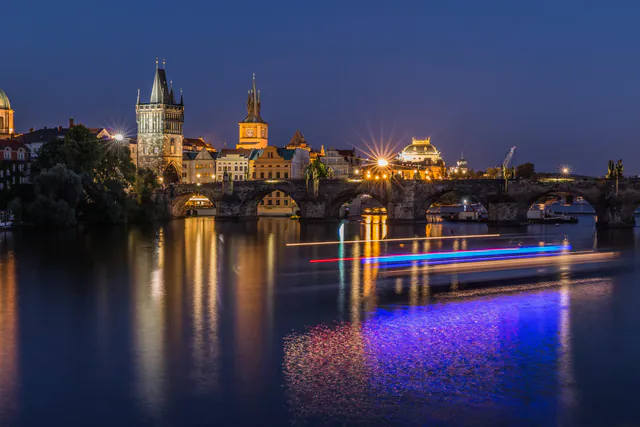
Jazz Boat
Vltava to serce Prague. Większość łodzi na tych wodach to pływające pułapki na turystów z trzeszczącymi głośnikami i nagranym komentarzem. Jazz Boat jest inny.
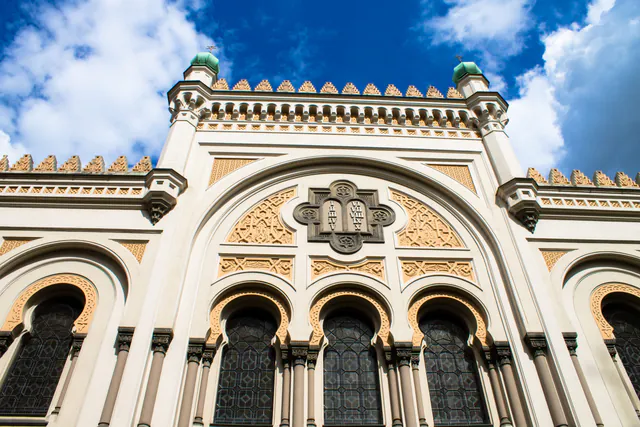
Muzeum Żydowskie w Prague
Muzeum Żydowskie w Prague znajdziesz rozproszone po Josefov, starej dzielnicy żydowskiej. To nie jest jeden budynek. Jeden bilet zapewnia wstęp do synagog Maise
Najczęściej zadawane pytania
Kiedy jest optymalna pora roku na wizytę w Prague, biorąc pod uwagę komfortową pogodę i umiarkowaną liczbę turystów?
Ile zazwyczaj kosztuje zakwaterowanie w szczycie sezonu letniego w porównaniu z sezonem zimowym poza szczytem?
Co należy zrobić, jeśli silna zimowa inwersja termiczna uwięzi smog nad miastem?
Czy kompleksowy Prague Visitor Pass to dobra inwestycja, jeśli podróżuję w ciepłych miesiącach letnich?
Czy zabytkowe brukowane ulice są bezpieczne i dostępne dla gości o ograniczonej sprawności ruchowej?
Gdzie mogę znaleźć natychmiastową ulgę od intensywnego efektu miejskiej wyspy ciepła podczas lipcowej fali upałów?
Powiązane przewodniki
- Accessible Travel Guide to Prague: Old Town Hall & Beyond
- Prague Budget Travel & Old Town Hall Expert Guide 2026
- Emergency Contacts & Services in Prague: A Comprehensive Healthcare and Security Guide
- Prague Border Survival Guide: Visas, EES Biometrics, and Entry Requirements for 2026
- The Definitive Guide to Healthcare & Pharmacies in Prague
- Comprehensive Internet and Mobile Connectivity Guide: Prague
- Linguistic Immersion and Heritage at the Old Town Hall
- Luggage Storage Infrastructure and Urban Mobility Logistics in Prague
Kalkulator budżetu podróży
Otrzymaj realną wycenę swojej podróży do Budapest w kilka sekund.
WypróbujTagi
Miejsca w Prague
Powiązane atrakcje, hotele i nie tylko.