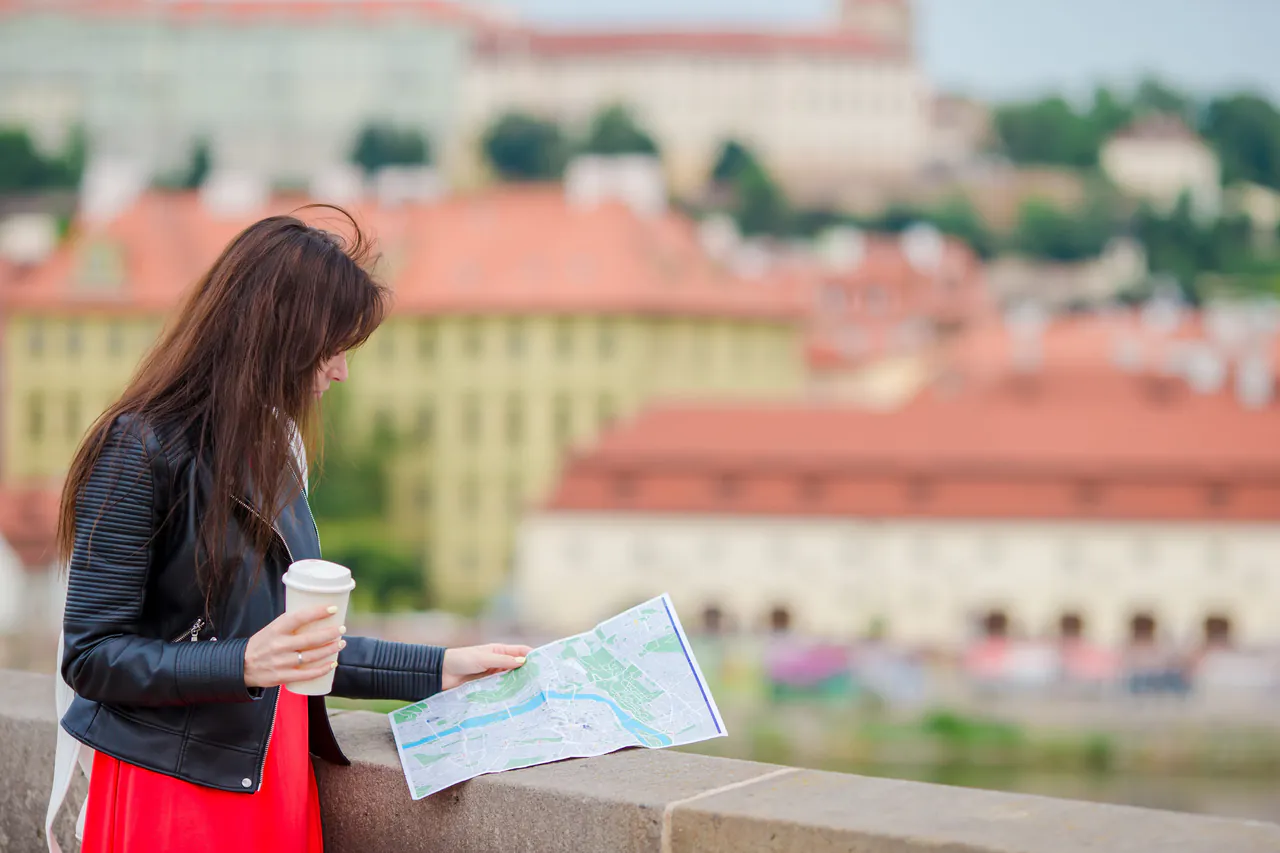
Strategic 72-Hour Prague Itinerary
Autor:
Nils Johansson | Założyciel
You don't visit Prague to tick boxes. You come to walk. The city is a thicket of Romanesque cellars and Gothic spires that feel more like a film set than a functioning capital. It’s loud. It’s heavy. It can feel deeply moody when the clouds roll in. You'll spend your days crossing the Vltava River, moving between Baroque palaces and sharp Cubist corners. Forget the sanitized tourist tracks. Instead, get out early when the mist hangs over the water and the bridges are empty. That’s when you’ll feel the ghosts of Kafka and Dvořák.
It’s a serious workout for your legs. The hills are steep and the cobblestone pavements are notoriously uneven. But every exhausting climb pays off with a view of red-tiled roofs and golden domes. You shouldn't waste your energy in the commercial squares at noon. That’s when the crowds are at their thickest and the magic starts to thin out. Use that time to push into the periphery. Head to the art hubs in Holešovice or the old ramparts at Vyšehrad. These spots reward you with a version of the city that hasn't been polished for postcards. Prague demands your stamina, but it compensates you at every intersection with a detail you’ll never forget. It’s a place for people who want to understand the history, not just take a photo of it.
Zdjęcia
The Staré Město and Josefov Heritage Corridor
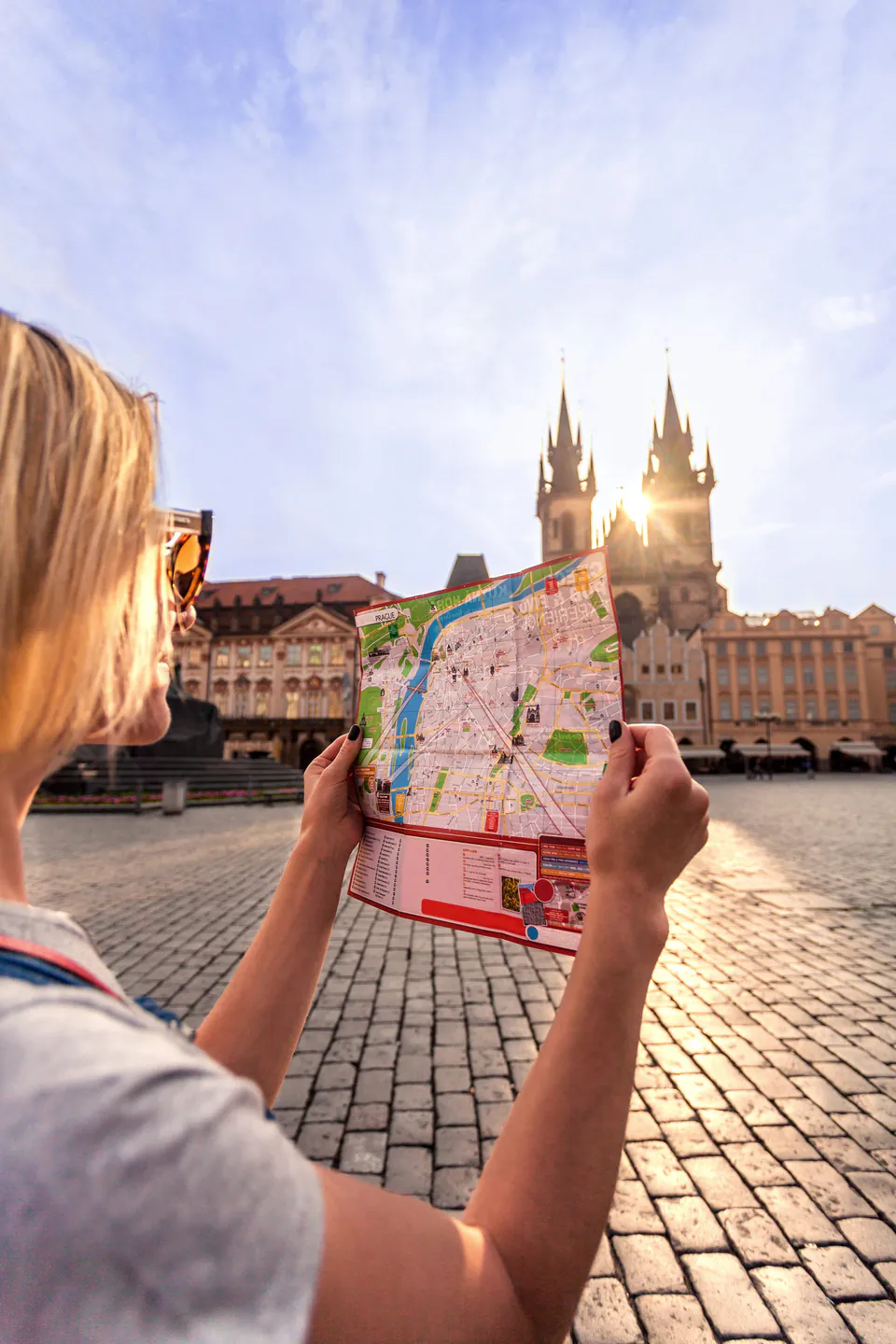
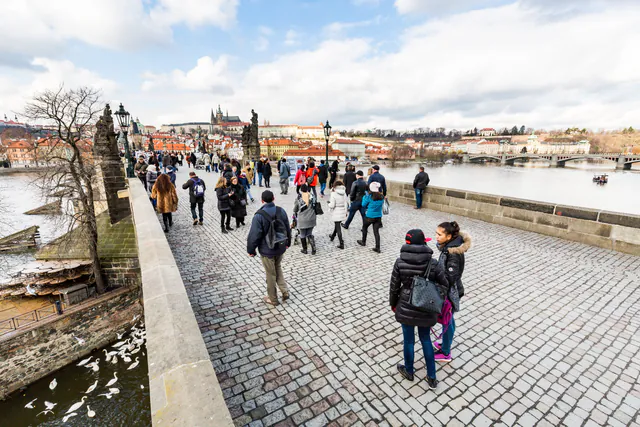
Start your first 24 hours at dawn on Charles Bridge. It’s the only way to beat the crushing crowds that arrive by 09:00 AM. Once the mist clears, walk to Old Town Square for the Astronomical Clock. Look up at the dark Týn Church spires. The Jewish Quarter is right next door. It’s home to the oldest active synagogue in Europe and a haunting cemetery. Buy your tickets for the Spanish Synagogue in advance. You'll want time here to actually think. In the afternoon, walk south along the river toward Náplavka. This is where the locals hang out. You can't miss the Dancing House. It looks like it’s melting. End the day at Café Louvre or Café Slavia. They’ve been serving coffee and history since the First Republic.
Hradčany, Malá Strana, and Imperial Architecture
Day two is for the heights. Head up to the Castle District. Prague Castle is massive. It’s a mix of palaces and churches that takes hours to see. St. Vitus Cathedral is the centerpiece. Get the 'Circuit B' ticket. It covers the Old Royal Palace and the tiny houses of Golden Lane. Then walk down into Malá Strana. It’s full of red-tiled roofs and quiet gardens. Duck into the Vrtba Garden. It’s a masterclass in Baroque design with some of the best views in the city. Find a quiet square near St. Nicholas Church. Later, take the funicular up Petřín Hill. There’s a lookout tower there that looks like a mini Eiffel Tower. Climb it at sunset. You’ll see why they call this the City of a Hundred Spires.
Vyšehrad, Urban Parks, and the Modern Czech Renaissance
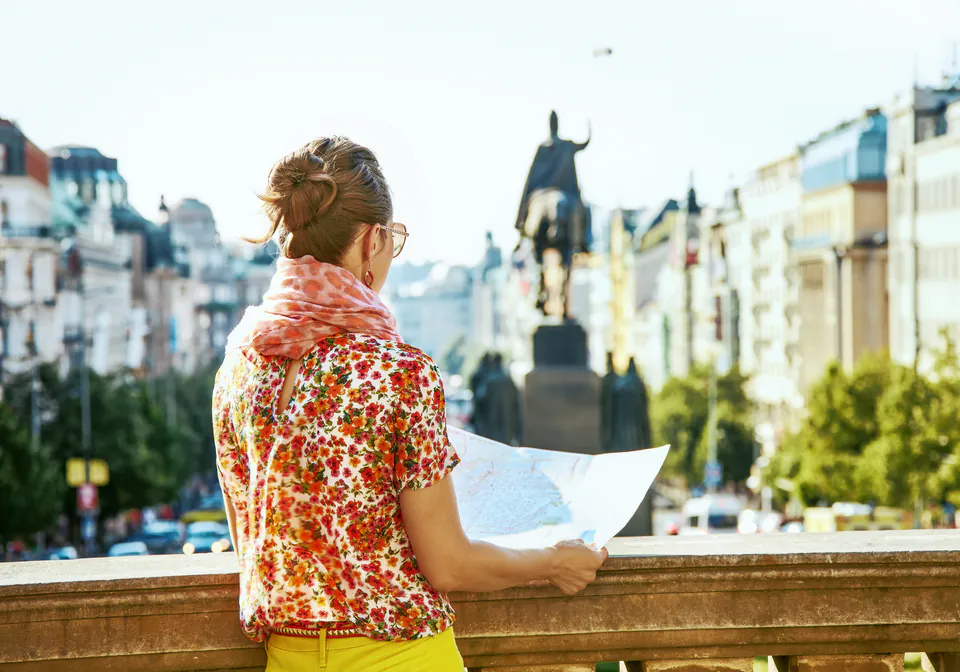
Leave the tourist center behind on your final day. Start at Vyšehrad. It’s a fortress on a cliff and the mythological birthplace of the city. It’s much quieter than the main castle. Walk the ramparts and visit the cemetery. You'll find the graves of famous Czechs like Dvořák here. Next, head to Holešovice. It’s an old industrial area turned art hub. Check out Vnitroblock. It’s a gritty, creative space that shows you what modern Prague is about. It’s a sharp contrast to the medieval core. Finish your trip at Letná Park. The views of the river bridges are unbeatable. Grab a beer at the Letná beer garden. Sit with the locals and watch the sun go down over the Old Town.
2026 Urban Developments, Culture, and the Culinary Scene
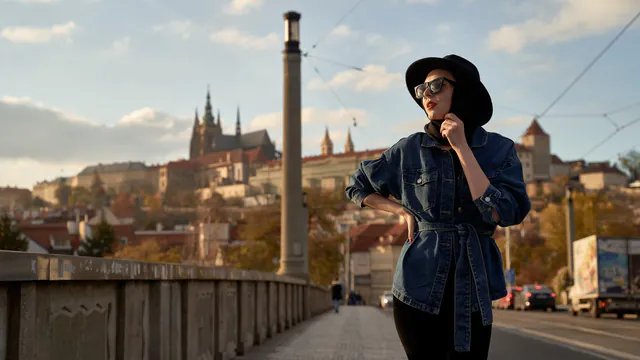
Prague in 2026 is changing. New infrastructure like the Dvorecký Bridge now connects Smíchov and Podolí. It’s a great spot for public art. The Müller Villa is open again with better digital guides. Don't miss the Museum of Prague. It just finished a huge renovation and is free for all of 2026. The Langweil model is still the star of the show. The food scene is also evolving. You'll find great third-wave coffee in almost every neighborhood now. For a classic experience, go to Café Savoy. It feels like 1920. If you’re on a budget, eat at Havelská Koruna. It’s a traditional canteen where the food is cheap and honest.
Wskazówki praktyczne
- 1Pobierz oficjalną aplikację mobilną 'PID Lítačka' przed podróżą, aby kupić zniżkowe bilety cyfrowe i uniknąć pułapki związanej z analogowym kasowaniem biletów.
- 2Odwiedź Charles Bridge i Old Town Square przed 08:00 AM, aby cieszyć się spokojem i pięknymi zdjęciami, zanim zacznie się masowa turystyka.
- 3Odrzuć usługę Dynamic Currency Conversion (DCC) w bankomatach lub terminalach płatniczych i zawsze wybieraj rozliczenie w lokalnej walucie Czech Koruna.
- 4Upewnij się, czy nie zamówiony chleb lub woda premium postawione na stole są bezpłatne, aby uniknąć dodatkowych opłat doliczanych do rachunku.
- 5Zabezpiecz wartościowe przedmioty w ukrytej saszetce na pieniądze, szczególnie podczas zwiedzania Charles Bridge, Old Town Square lub przejazdu Tram 22.
- 6Unikaj bardzo zatłoczonych miejsc w Prague 1, które wymagają płatności wyłącznie gotówką, ponieważ często wiążą się one z nieuczciwymi praktykami.
Najważniejsze atrakcje
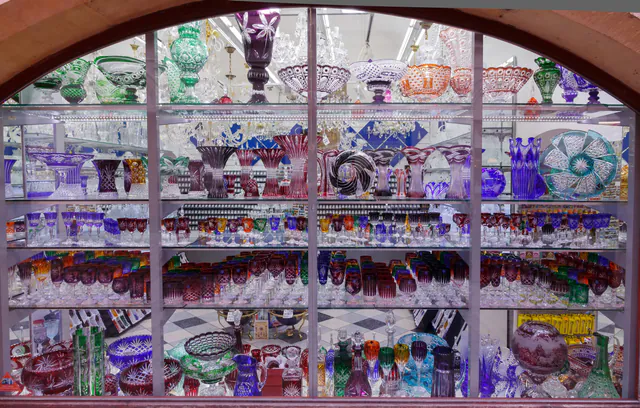
PRAGL - Prague Glass Experience
Szukaj ciężkich drzwi pod adresem Malé náměstí 7, tuż za rogiem od Astronomical Clock. Wewnątrz chłodne, kamienne łuki Old Town ustępują miejsca rykowi pieca o
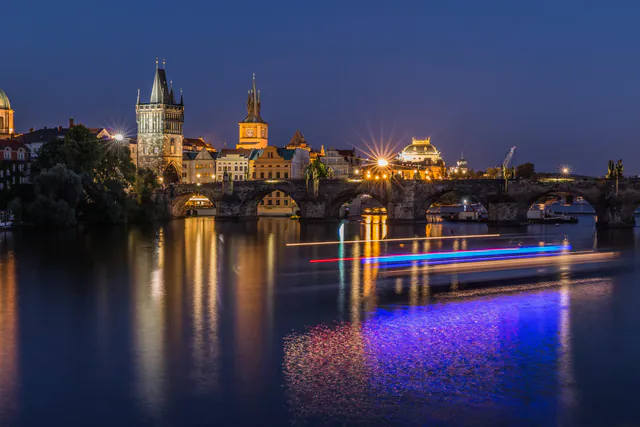
Jazz Boat
Vltava to serce Prague. Większość łodzi na tych wodach to pływające pułapki na turystów z trzeszczącymi głośnikami i nagranym komentarzem. Jazz Boat jest inny.
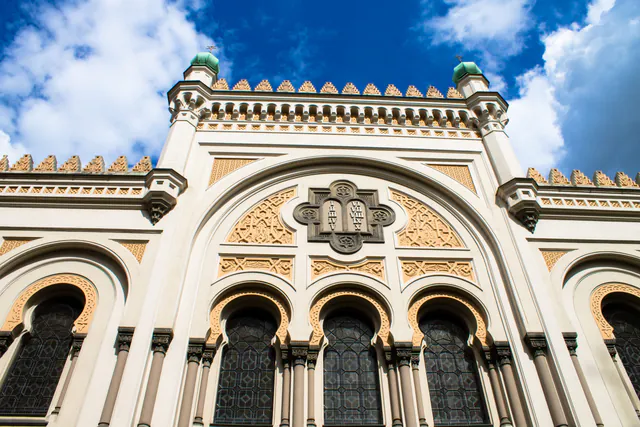
Muzeum Żydowskie w Prague
Muzeum Żydowskie w Prague znajdziesz rozproszone po Josefov, starej dzielnicy żydowskiej. To nie jest jeden budynek. Jeden bilet zapewnia wstęp do synagog Maise
Najczęściej zadawane pytania
Jaki budżet dzienny należy zaplanować na wyjazd do Prague w standardzie średniej klasy?
Kiedy jest najlepsza pora roku na realizację tego 72-godzinnego planu podróży?
Czy konieczny jest zakup biletów do Prague Castle przed przyjazdem?
Jakie są konsekwencje braku skasowania papierowego biletu komunikacji miejskiej?
Na ile ten plan podróży jest przystosowany dla osób z ograniczeniami ruchowymi?
Gdzie szukać autentycznych lokalnych wrażeń z dala od zatłoczonego historycznego centrum?
Powiązane przewodniki
- The Ultimate 1-Day Prague Itinerary: Navigating the Royal Route and Historic Centre
- Ultimate 5-Day Prague Itinerary
- Prague Budget Guide: Old Town Hall & Local Itineraries
- The Ultimate Family-Friendly Itinerary in Prague: Conquering Petřín Hill and Beyond
- Romantic Prague: An Exhaustive Itinerary Through Petřín Hill and Malá Strana
- Accessible Travel Guide to Prague: Old Town Hall & Beyond
- Václav Havel Airport Prague Guide
- Staroměstská radnice and the Comprehensive Prague Autumn Travel Guide
Planer Dnia
Wybierz swoje zainteresowania. My ułożymy Twój dzień.
WypróbujTagi
Miejsca w Prague
Powiązane atrakcje, hotele i nie tylko.