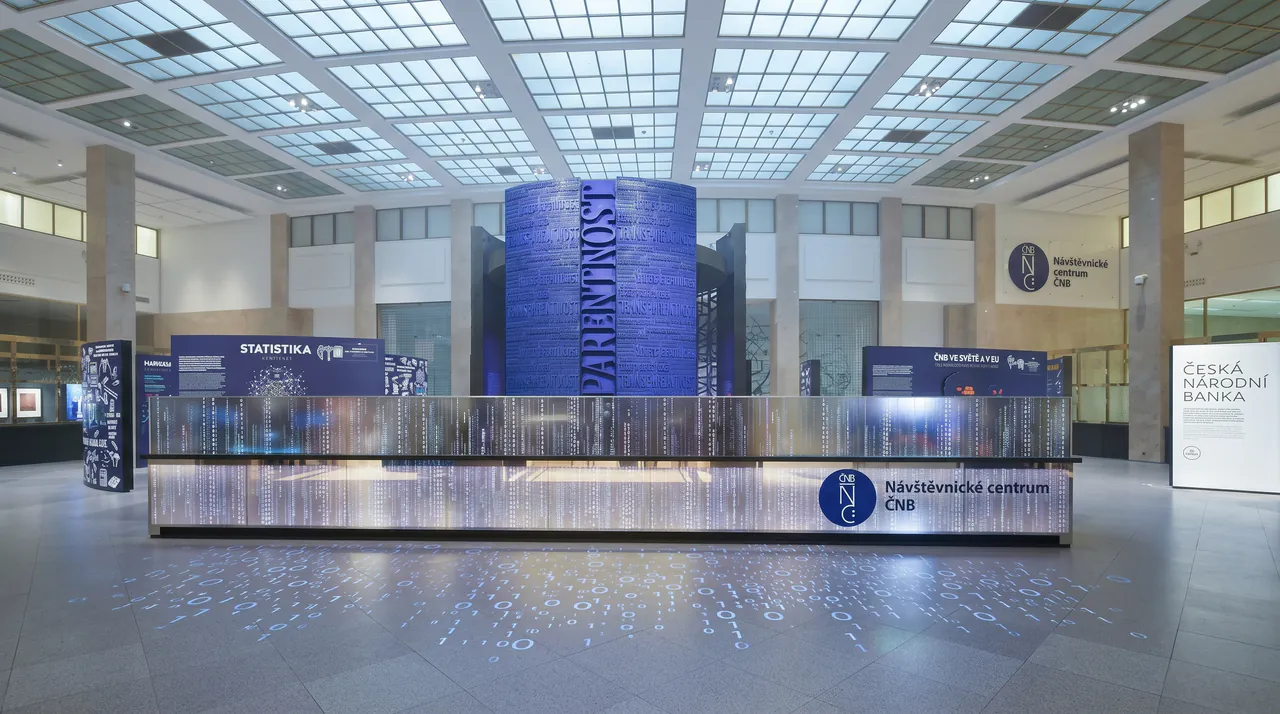
Walk down Na Příkopě and you'll see the massive granite fortress at number 28. It's the Czech National Bank Visitor Centre. Most people walk past it for the luxury shops. Don't do that. This isn't some dusty museum with old coins in glass cases. You're entering a high-security vault. It feels serious. You'll pass through a security zone where guards and thick steel doors remind you that this place still runs the country's economy. The transition from the retail noise outside into the quiet bank halls is a sharp change. Inside, two exhibitions map out how money evolved from trading flint to using digital ledgers. You'll head deep into the basement. The original underground strongroom holds the star of the show. It's a gold coin weighing 130 kilograms. Yes, you read that right. It's the biggest in Europe. But you aren't just looking at things. You can try to lift a real 12.5kg gold bar in a wooden box. It's heavier than it looks. Watch the immersive film about Alois Rašín too. He's the man who created the currency when the empire fell. It's a fascinating look at how money actually works.
The Subterranean Vault and the 100-Million-Koruna Colossus
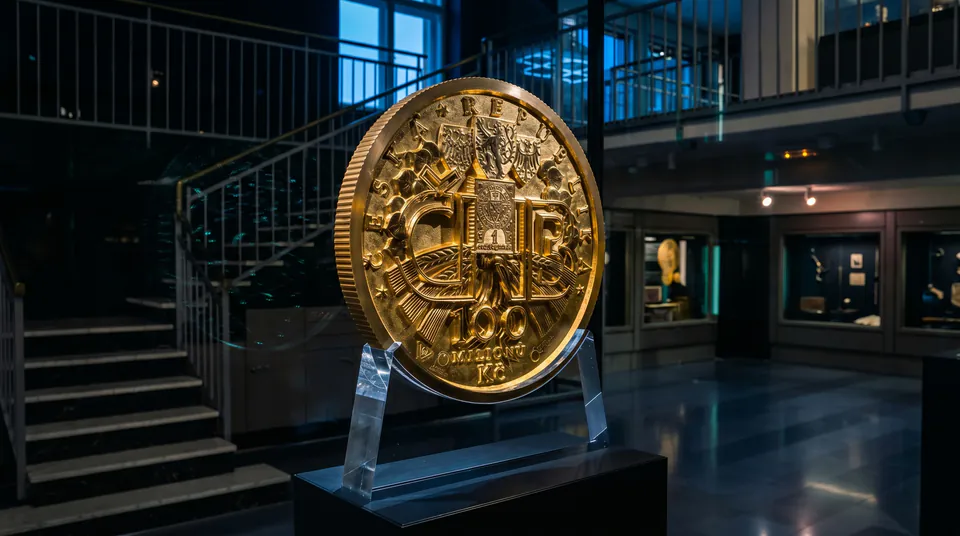
You have to go down. The "People and Money" exhibition ends in the bank's original basement strongroom. You'll walk through a reinforced steel door that looks like it belongs in a heist movie. The air feels different here. It's quiet and cool. Look for the bulletproof case in the middle of the room. It holds the 100-million-koruna gold coin. The bank made it in 2019 to celebrate 100 years of the crown. It's 535mm wide and 48mm thick. It weighs 130kg of pure gold. That makes it the largest milled coin on the planet. And the largest gold coin in Europe. Check out the reverse side. You'll see the double-tailed lion and a nod to the old 1921 50-heller coin. It's massive. It's shiny. It's worth a fortune. The vault serves as more than just a background. It's part of the story. The vintage banknote scanners and raw concrete walls show you the reality of 20th-century banking.
Alois Rašín and the Evolution of the Central Bank
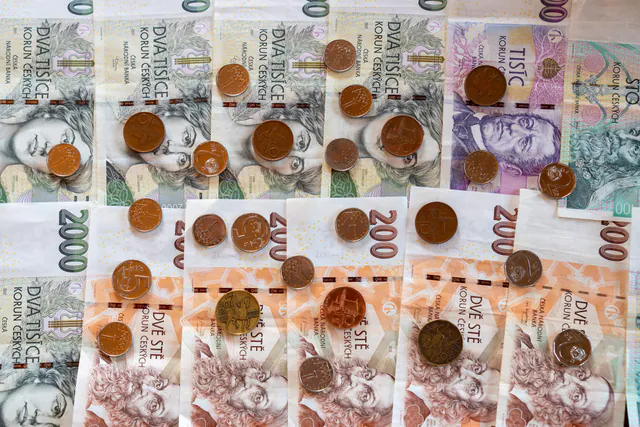
You can't talk about Czech money without talking about 1918. The Austro-Hungarian Empire had just crashed. Things were messy. Enter Alois Rašín. He was the first Minister of Finance. He was tough. He pushed for strict rules to keep the new koruna stable. It worked. While other currencies nearby were failing, the Czech crown became one of the strongest in Europe. Rašín's policies were controversial but they cut ties with the dying Austrian currency. That independence is why the bank still focuses on price stability today. The "Behind the Currency" exhibition explains why this matters. The bank's main job is keeping prices steady. They watch over the banks and the insurance sector. They keep the economy on track. It's all about inflation targeting and staying independent from politics.
Architectural Metamorphosis: From Palace to Stronghold
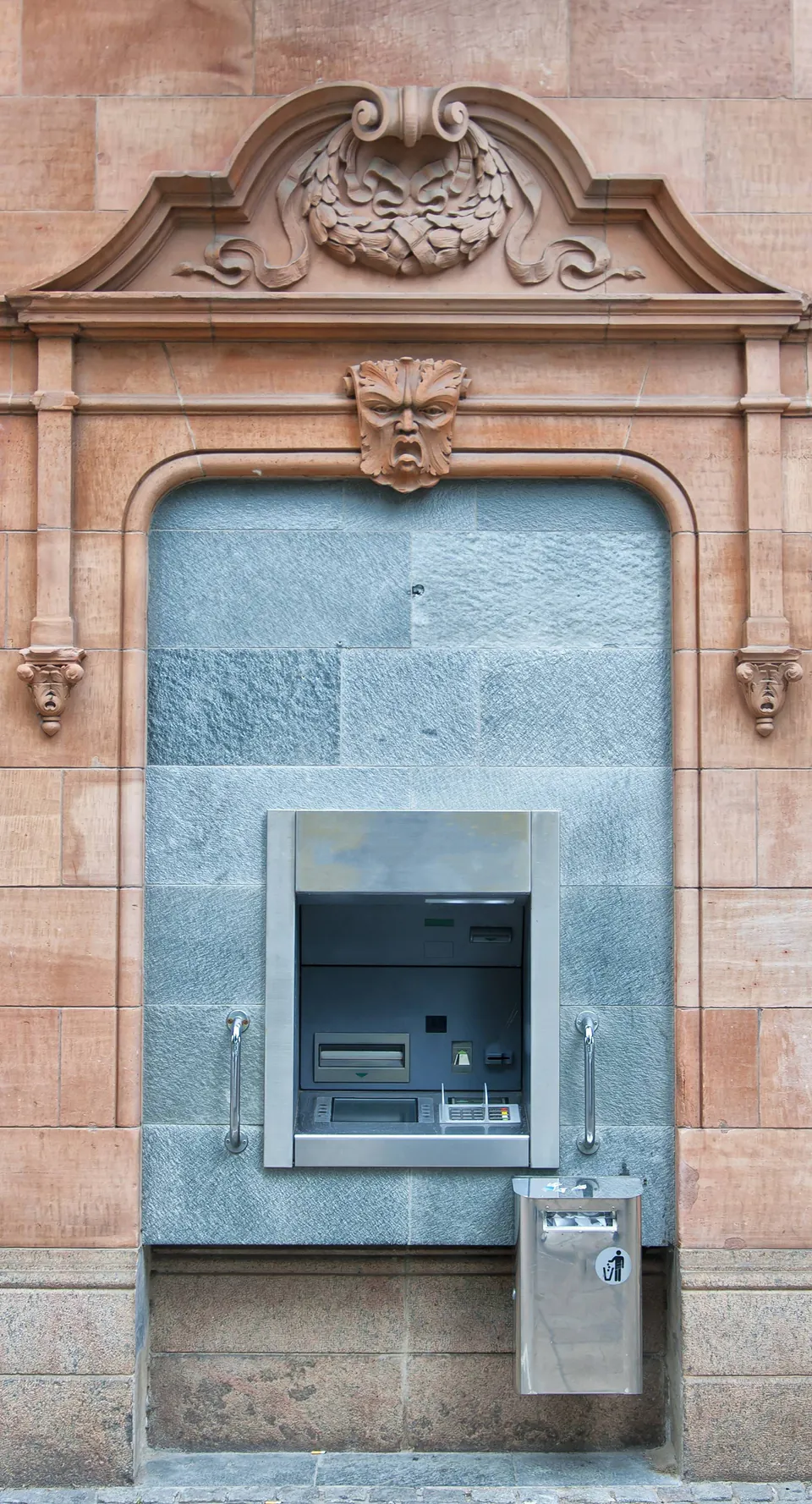
The building at Na Příkopě 28 is a giant. This spot was once where silver from the Kutná Hora mines arrived in the city. František Roith designed the current structure between 1935 and 1942. It's a masterclass in Art Deco and functionalism. The grey granite facade looks like a wall. It was meant to project power and safety. It still does. Roith designed the building to look permanent. Between 1997 and 2000, the bank spent 4.8 billion koruna to modernize everything. They kept the marble halls but added 21st-century tech. It's a blend of old-school grit and digital security. Walking through the grand entrance to see the exhibits lets you see one of the best preserved functionalist landmarks in Prague.
Navigating the Prague Currency Landscape
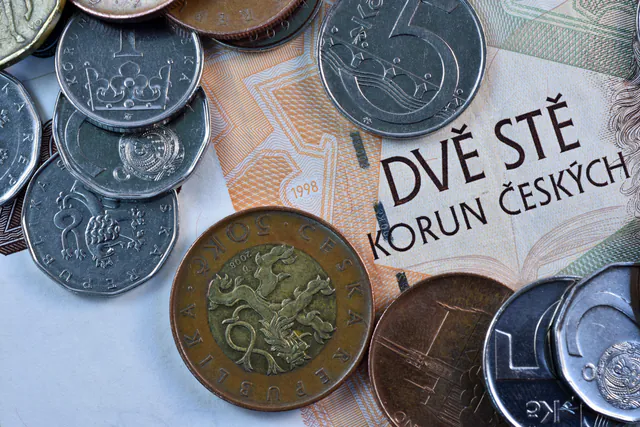
Learning about money in a vault is one thing. Spending it on the street is another. Prague is still a cash city. You'll need coins for a beer or a quick snack. Avoid those random ATMs on the street corner. They'll rob you with high fees and bad conversion rates. Stick to bank machines. If you get scammed at a change booth, you have rights. The law says you can get a full refund within three hours for amounts under 1,000 Euro. Just bring your receipt. It has to be in Czech and English. Use what you learned in the exhibit. Look at the "we buy" rate on the boards. Don't get fooled by big numbers meant for people selling koruna back to the bank. Combine these tips and you'll navigate the city with zero stress.
役立つヒント
- 1金庫室に入る前に、メインレセプションで無料の英語またはドイツ語の翻訳小冊子をリクエストしてください。
- 2巨大なコイン展示の横にある木箱の中に手を入れて、本物の金塊の重さを木、鋼鉄、鉛と実際に比較してみてください。
- 3A. Rašín's Study で、独立したチェコスロバキア通貨が誕生したドラマチックな歴史を理解するために、没入型のシネマティックプロジェクションを鑑賞しましょう。
- 4街頭の両替所の掲示板では「we buy」レートだけに注目し、紛らわしい「0% Commission」の看板は無視しましょう。
- 5不当なレートで両替してしまった場合に備え、法律で定められた3時間以内の返金ルールを利用できるよう、両替の領収書は必ず保管しておいてください。
- 6CNB Archive の研究室など、専門的な学術エリアへのアクセスが必要な場合は、有効な身分証明書を持参してください。
よくある質問
ビジターセンターへの入場料はいくらですか?
混雑を避けて訪問するのに最適な時期はいつですか?
入場チケットの事前予約は必要ですか?
公式の記念コインはどこで購入できますか?
展示会場への荷物の持ち込み制限はありますか?
チェコ語が話せなくても、展示の説明を理解することはできますか?
関連ガイド
- Accessible Travel Guide to Prague: Old Town Hall & Beyond
- Prague Budget Travel & Old Town Hall Expert Guide 2026
- Emergency Contacts & Services in Prague: A Comprehensive Healthcare and Security Guide
- Prague Border Survival Guide: Visas, EES Biometrics, and Entry Requirements for 2026
- The Definitive Guide to Healthcare & Pharmacies in Prague
- Comprehensive Internet and Mobile Connectivity Guide: Prague
- Linguistic Immersion and Heritage at the Old Town Hall
- Luggage Storage Infrastructure and Urban Mobility Logistics in Prague
ブダペスト旅行予算シミュレーター
ブダペスト旅行の現実的な予算がすぐにわかります。
試してみる