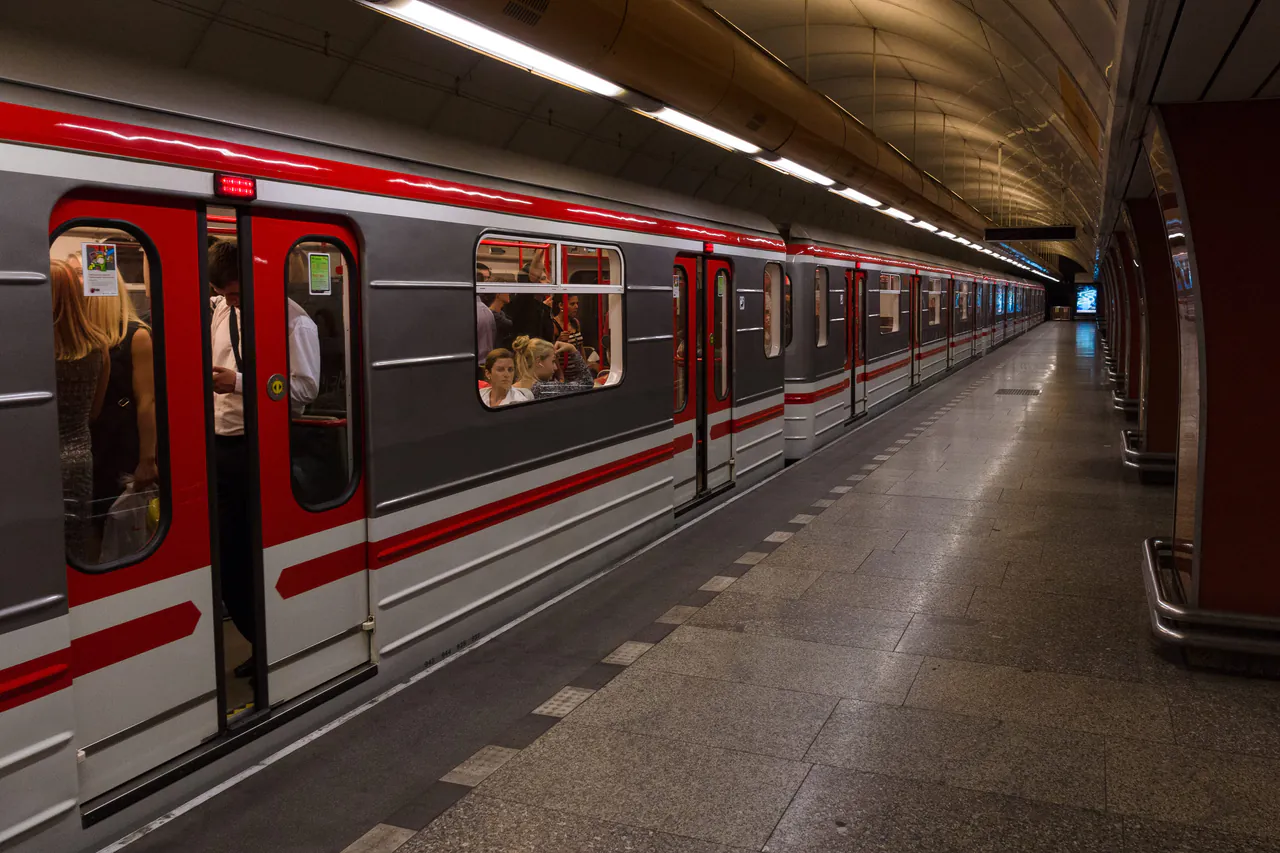
You're heading underground into the fastest way to cross town. The Pražské metro is a massive machine moving over a million people a day while traffic above crawls. It is high-speed and climate-controlled. The system handles 600 million riders a year across a 65.2-kilometer network. You'll love the efficiency. Trains arrive every two to three minutes during rush hour. No more waiting. No more guessing. You'll descend on some of the longest and steepest escalators in the EU. They feel like they're diving into the geological bedrock. Once you hit the platforms, you're in a time capsule. There are three lines. Take the Green (A) or Yellow (B) lines. Or catch the Red (C) line. Sixty-one stations in total. Line A features space-age, op-art aluminum claddings. Line B shows off brutalist concrete and socialist-realist bronze reliefs. It's the city's nervous system. Use it.
Fotos
The Architectural Symphony of Line A
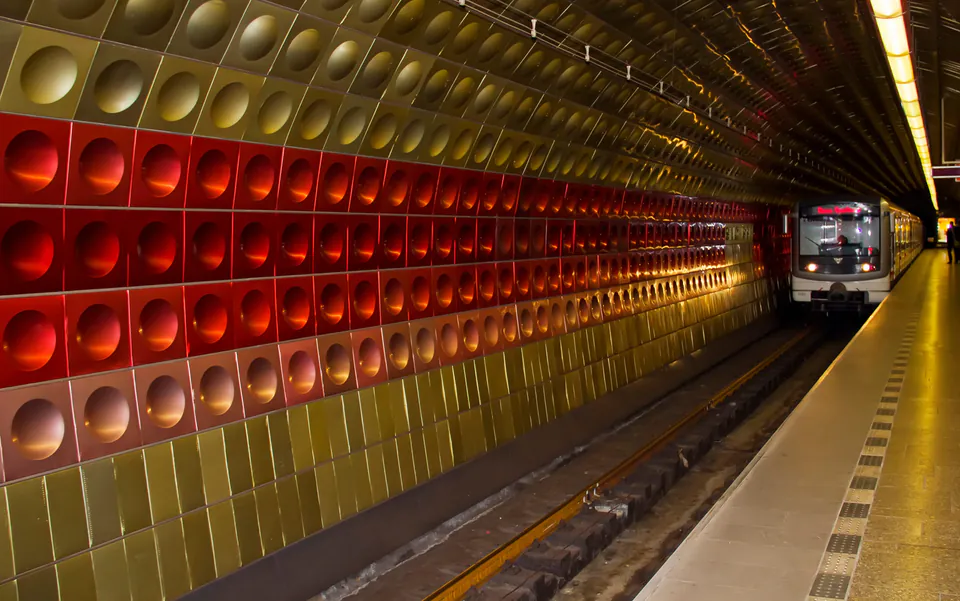
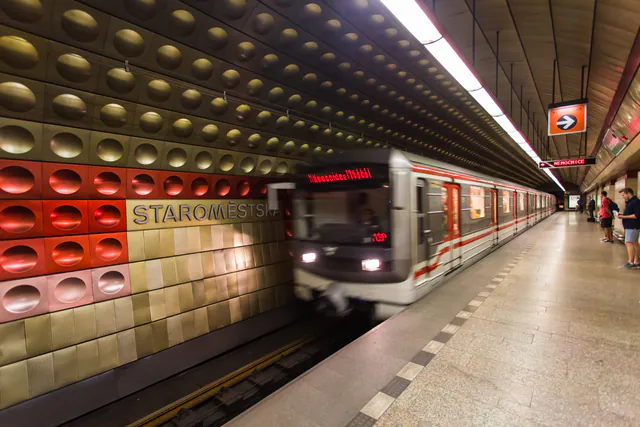
Line A is the peak. Jaroslav Otruba designed those dimpled aluminum panels back in the '70s to kill the noise. They work. Convex and concave tiles swallow the roar of the trains. Look at the colors. Green at Malostranská mimics the nearby royal gardens. The deep red at Staroměstská has a purpose. It marks the blood spilled in Old Town Square. It's smart engineering. And it's art. Catch a train and see for yourself.
Subterranean Brutalism and Socialist Realism
Lines B and C feel different. They were built as nuclear fallout shelters. You can still see the massive steel blast doors tucked away. It's pure cold war grit. Go to Anděl station. It used to be called Moskevská. Check out the bronze reliefs there. Then head to Háje for the 'Kosmonauti' mosaic. These aren't just stations. They're time capsules of a 20th-century ideology. It's a sharp contrast to the modern cafes above ground.
Engineering Extremes: Depth and Escalators
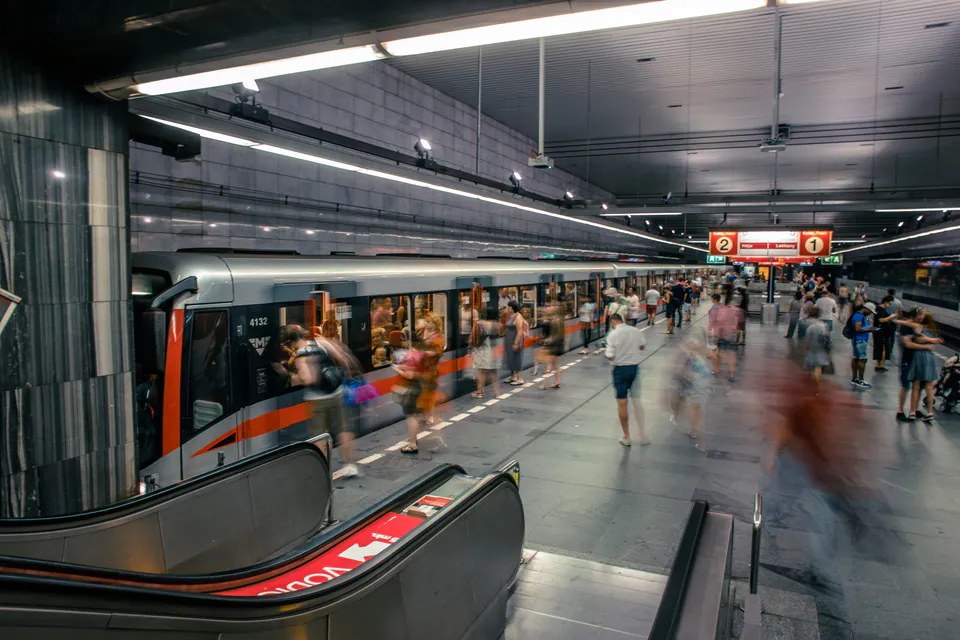
Prague's hills forced the tracks deep. Náměstí Míru is the record holder. It sits 53 meters underground. You'll spend two and a half minutes on an 87-meter escalator just to reach the platform. This system is tough. The 2002 floods drowned 19 stations and nearly broke the city. But it came back stronger. New floodgates keep the tunnels dry now. It's a subterranean lifeline that refuses to quit.
The 2026 Modernization and Line D Automation
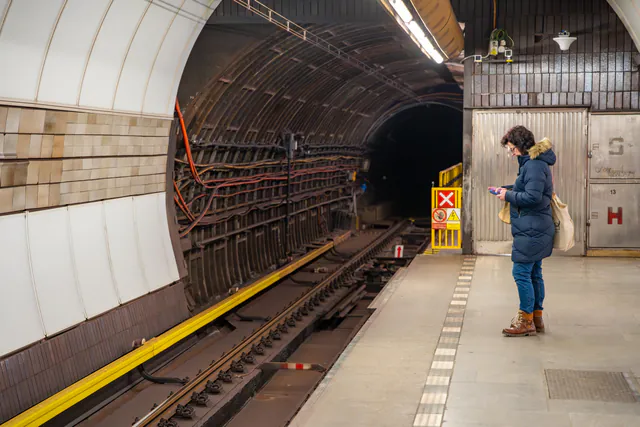
The system is changing fast in 2026. Flora station is getting a total facelift. But the big news is Line D. It's the blue line. This is Prague's first driverless route. Billions of crowns are being poured into this automation project. It'll connect the southern suburbs straight to the center. That takes the pressure off the packed Line C trains. It's the future of the city. It is faster and smarter.
Consejos prácticos
- 1Mantente estrictamente en el lado derecho de las escaleras mecánicas para dejar el carril izquierdo libre para los viajeros que tienen prisa.
- 2Deja de subir inmediatamente cuando escuches el anuncio de salida, ya que las puertas neumáticas se cierran con gran fuerza.
- 3Prepárate para subir tu equipaje por un largo tramo de escaleras al hacer el transbordo desde el autobús del aeropuerto en la estación Nádraží Veleslavín.
- 4Cede tu asiento de inmediato a personas mayores, mujeres embarazadas o padres con niños pequeños para respetar las normas locales de cortesía.
- 5Valida tu billete de papel solo una vez en las máquinas amarillas a la entrada de la estación, ya que volver a sellarlo anulará su validez de inmediato.
- 6Consulta las pantallas digitales superiores para verificar el destino final de tu tren, ya que algunos terminan antes de lo previsto en depósitos intermedios.
Preguntas frecuentes
¿Cuánto cuesta un billete de metro estándar si lo compro de forma digital?
¿Cuándo deja de funcionar el metro de Prague por la noche?
¿Qué pasa si olvido validar mi billete de papel antes de subir?
¿Dónde tomo el metro al llegar al Václav Havel Airport?
¿Cuánto tarda en activarse un billete móvil digital?
¿Son accesibles las estaciones centrales históricas para viajeros con problemas de movilidad?
Guías relacionadas
- Václav Havel Airport Prague Guide
- Guía de autobuses de Praga: líneas urbanas, rutas nocturnas y aeropuerto
- The Ultimate Guide to Prague Night Transport
- The Complete Guide to Prague Public Transportation (PID & DPP)
- Prague Taxis & Rideshare Guide
- Transport Tickets & City Passes in Prague
- Prague Public Transport Museum & Tram Guide
- The Ultimate 1-Day Prague Itinerary: Navigating the Royal Route and Historic Centre
Guía rápida de divisas
Referencia rápida de EUR a HUF para tus gastos en Budapest.
PruébaloEtiquetas
Explora Prague
Descubre atracciones, hoteles y mucho más.