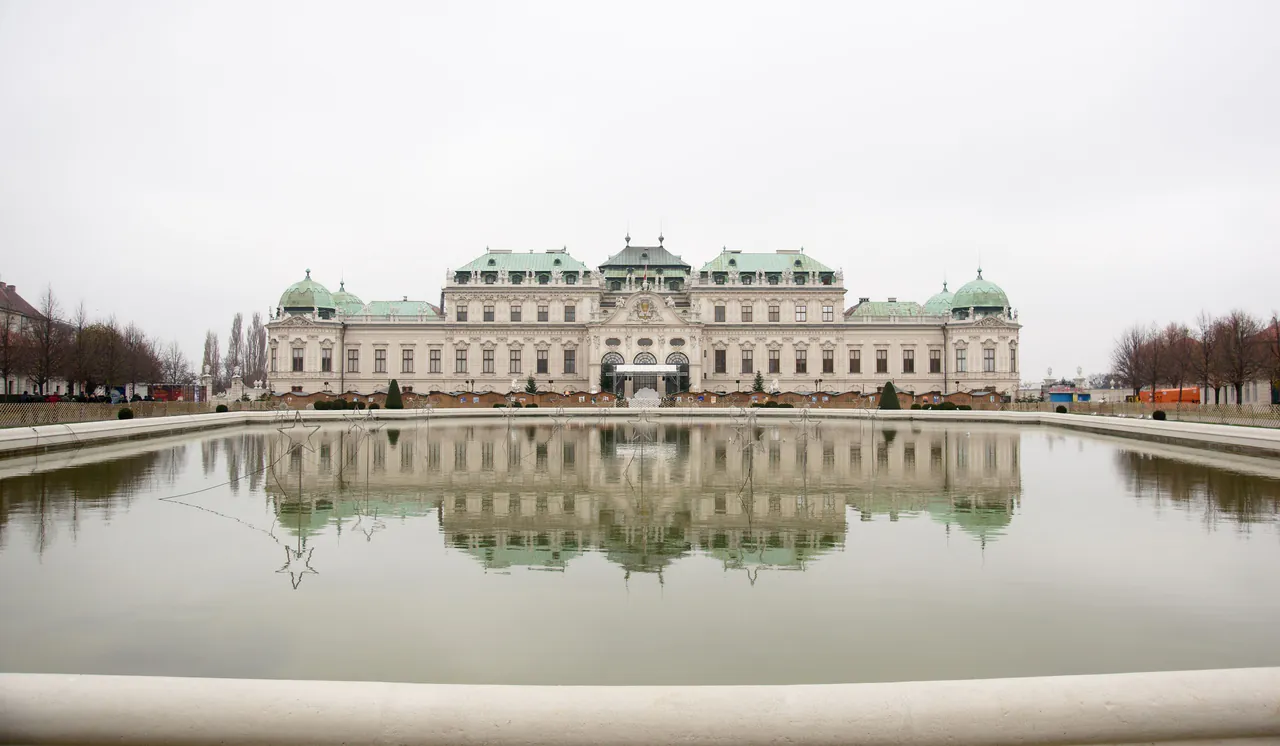
Vienna Ball Season Guide: Waltzing Through Winter
Written by
Nils Johansson | Founder
When freezing winds whip through the Vienna Woods and snow dusts the cobblestones, the city refuses to hibernate. We dress up. The Viennese ball season, or 'Ballsaison,' is a sharp, centuries-old tradition that kills the winter gloom with champagne and the relentless three-quarter rhythm of the waltz. For a few months, the city pivots back to the Imperial era. You'll see modern cynicism traded for the romantic grit of the Habsburg court. To an outsider, 400 balls in one winter sounds like a fever dream. For locals, it is the pulse of the social calendar. You can aim for the world-famous Vienna Opera Ball to rub shoulders with celebrities or duck into a spirited guild ball hosted by coffeehouse owners or weightlifters. There's a dance floor for every budget. But don't expect to just wing it. Dress codes are brutal, ticketing is a blood sport, and stepping onto the floor without knowing your left foot from your right is a mistake. This guide handles the logistics. From renting the right tailcoat to scoring tickets and mastering the 'Alles Walzer!' call, we've got you covered.
Photos
The Magic and Rhythm of Fasching
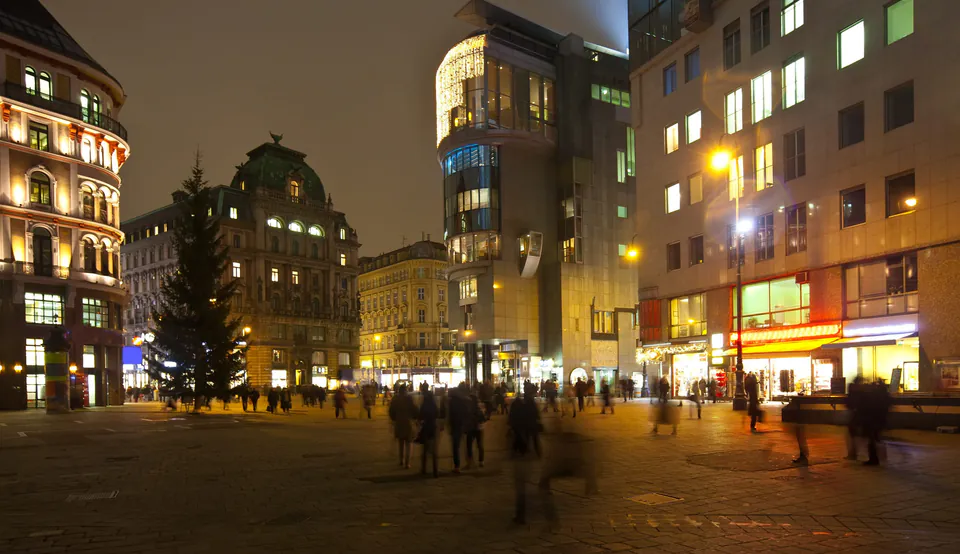
The ball season is the backbone of 'Fasching,' the Austrian carnival. Things start on November 11th at 11:11 AM with a public waltz on the Graben. But the real madness hits in January and February. For us, attending a ball is an annual escape. It's a chance to surrender to a ritual that outlasted empires and wars. You'll see the atmosphere change at dusk. Men in black capes and women in massive gowns cram into the U-Bahn or hop into a Fiaker (horse-drawn carriage). It's a choreographed show dating back to the 1700s. Every ball starts with the 'Jungdamen- und Jungherrenkomitee.' These debutantes in white gowns and partners in sharp tuxedos perform a synchronized routine. It's disciplined and beautiful. Then the master of ceremonies shouts 'Alles Walzer!' (Everyone waltz!). That's your cue. The formal lines break and hundreds of couples flood the floor to Johann Strauss. Even if you have two left feet, go. Stand on a balcony at the Hofburg Palace and watch the sea of silk swirl. Worth every forint.
Choosing Your Perfect Ball: From Imperial to Quirky
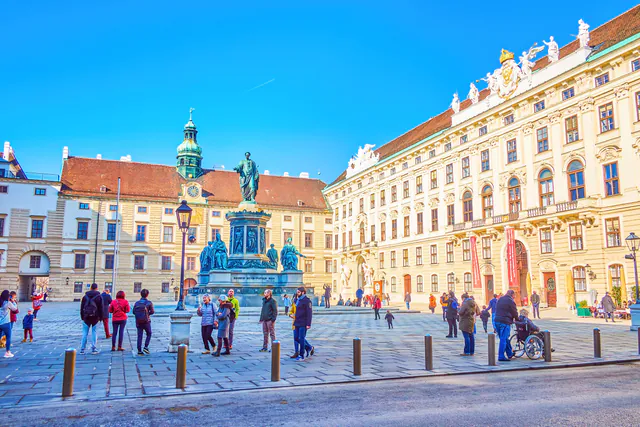
With 400 events on the calendar, you have to pick your battles. The Vienna Opera Ball (Wiener Opernball) is the heavy hitter. Held on the last Thursday before Ash Wednesday, it turns the State Opera into a massive 800-square-meter dance floor. It's the peak of high society. But it's pricey. Entry starts around €395 (plus a €35 donation), and a seat will cost you thousands more. Tickets are a nightmare to get and involve a competitive lottery in early June. If you want the palace vibe without the ego, try the Kaffeesiederball (Coffeehouse Owners' Ball). It's held at the Hofburg and celebrates the city's UNESCO-listed coffee culture. It's warm and social with tickets around €195. Classical purists should hunt for the Vienna Philharmonic Ball at the Musikverein, though you'll need serious luck for a ticket. If you want something different, hit the Blumenball (Flower Ball) in mid-January. The Rathaus gets decked out in 100,000 blossoms. It's romantic, costs €75 to €130, and even plays techno in the side rooms. For an inclusive, loud celebration, hit the Regenbogenball (Rainbow Ball) at Parkhotel Schönbrunn. It costs about €100 and scraps the gendered dress codes.
Decoding the Strict Viennese Dress Code
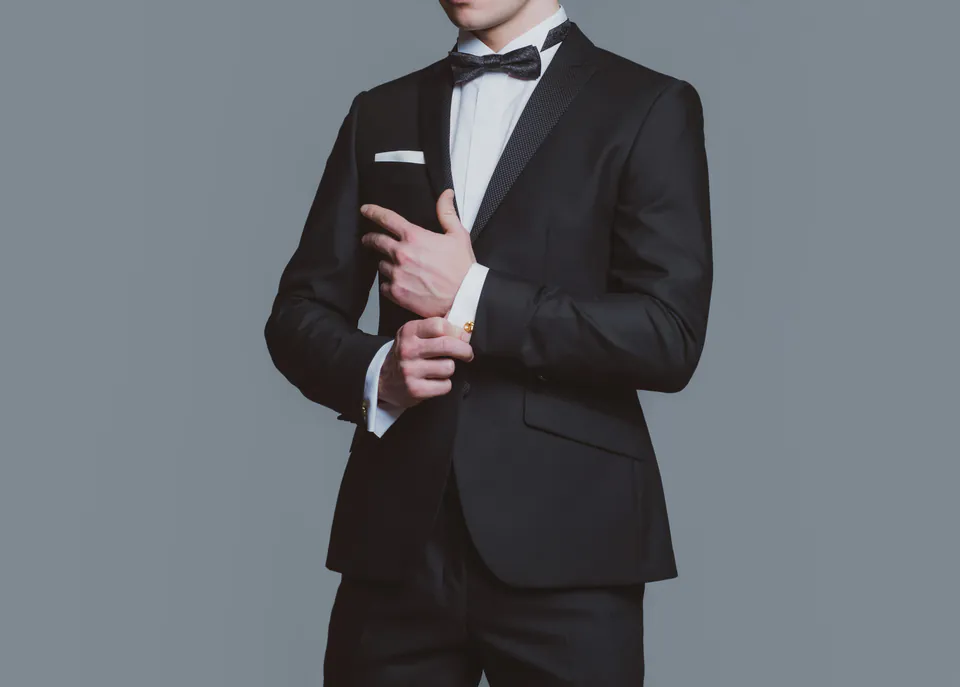
Viennese ball organizers don't do 'casual.' Bouncers at the Hofburg or the State Opera act like fashion police. If you miss the mark, they'll bounce you without a refund. For women, it's a floor-length gown or nothing. Forget midi-dresses or high-low hemlines. If your ankles show, you aren't getting in. Debutantes wear white, but guests should go for bold colors. Elegance is the only metric that matters. For men, the rules are even tighter. If the invite says 'Black Tie,' wear a real tuxedo (Smoking), a white shirt, and a hand-tied bow tie. Clip-ons are for kids. If it's 'White Tie,' like at the Opera Ball, you need a 'Frack' (tailcoat). That means high-waisted trousers, a white pique waistcoat, and a wing-collar shirt. Don't wear a wristwatch with a tailcoat; it's a total rookie move. Use a pocket watch. And never take off your jacket. No matter how hot the room gets, keep it on. Polish your shoes until they shine. It's sartorial theater. Play the part.
Where to Rent the Perfect Gown or Tuxedo
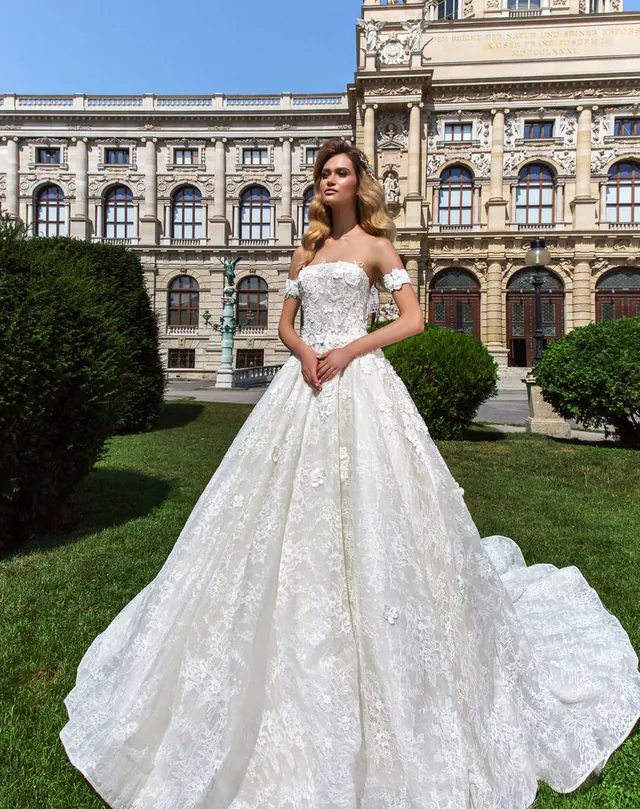
Don't drop thousands on a tailcoat you'll wear once. Vienna has a massive rental industry for this exact reason. Go to Kleiderverleih Rottenberg at Porzellangasse 8. It's a local institution. A gown or tuxedo rental runs about €170, while a full tailcoat set is roughly €250. That price covers basic tailoring and the dry cleaning. For more modern glamour, hit Dress & Impress at Krugerstrasse 15. They sit five minutes from the State Opera and have 700 dresses in stock. A gown there is about €330 for two days. They even have a beauty team on-site for hair. If you want to look like you stepped out of a period drama, check ART for ART on Montleartstrasse. They're theater producers and rent actual stage gowns starting at €150. If buying is your thing, Peek & Cloppenburg on Kärntner Straße clears floors for ball gear during Fasching. You can grab a simple gown for €130 to €200. Just book your fittings months early. By January, these shops are frantic.
Mastering the Viennese Waltz: Crash Courses for Visitors
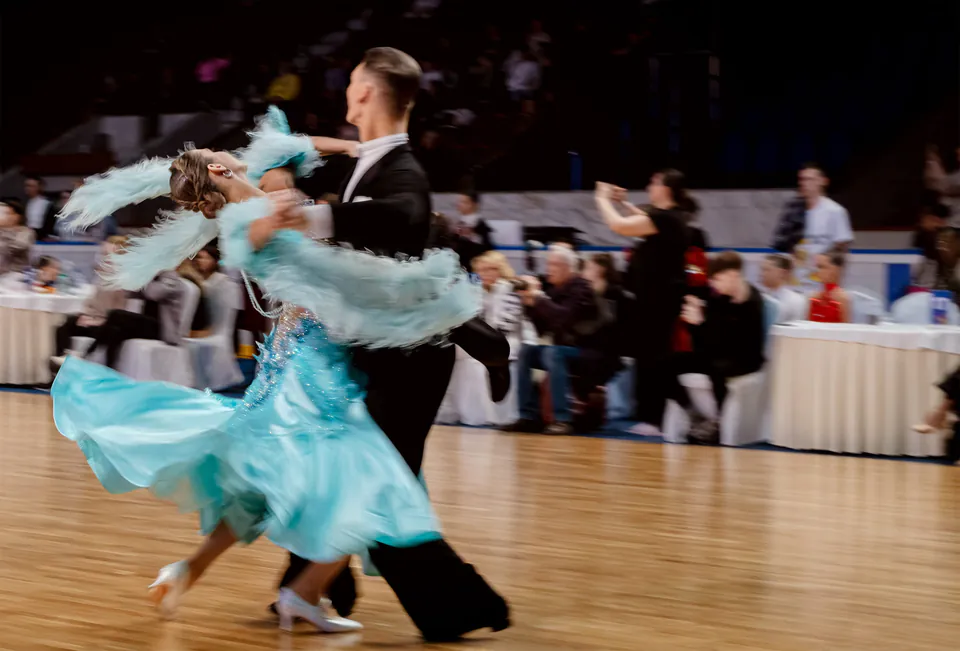
You don't need to be a pro to have a good time. Sipping Sekt and people-watching is a perfectly fine strategy. But the night feels better if you can actually move. The Viennese Waltz is fast and dizzying. To avoid a collision, take a crash course. Tanzschule Rueff at Friedrich-Schmidt-Platz 4 is the best bet for travelers. Their 'Hop on Waltz' classes are daily drop-in sessions. They teach in English and focus on surviving the waltz and polka in a crowd. If you want the old-school aristocratic treatment, book a private spot at Tanzschule Elmayer on Bräunerstraße 13. They've been teaching poise since 1919. Even if you skip the waltz, stay for the 'Mitternachtseinlage' (Midnight Quadrille). At midnight, the whole room attempts the Fledermaus Quadrille. It's a group line dance that devolves into beautiful, laughing chaos. Nobody gets the steps right. Everyone bumps into each other. It's the moment when the imperial mask slips and the real party starts.
Practical Tips
- 1Book your tickets early. Heavy hitters like the Kaffeesiederball or Philharmonic Ball sell out by autumn. Set a calendar alert for May or June when the first batches drop.
- 2Try the dress rehearsal. Can't swing €400 for the Opera Ball? Buy a €40 standing ticket for the rehearsal the day before. You get the full debutante show without the tuxedo requirement.
- 3Grab the 'Damenspende.' As you leave, ladies get a small, handcrafted gift from the organizers. It's a free, high-quality souvenir. Don't walk past the gift table.
- 4A ticket isn't a seat. Entry gets you in the building, but it doesn't give you a chair. Table reservations cost extra, ranging from €70 to €400 depending on the room.
- 5Forget catching a random cab at 4:00 AM. Thousands of people leave at once. Pre-book via the Free Now app or prepare to ride the Nightline bus in your gown.
- 6End the night at a sausage stand. It's a local law. Head to Bitzinger at Albertinaplatz at 3:00 AM. Eating a greasy Käsekrainer in a tuxedo is the most Viennese thing you'll ever do.
Tours & Experiences
Book popular tours in Vienna
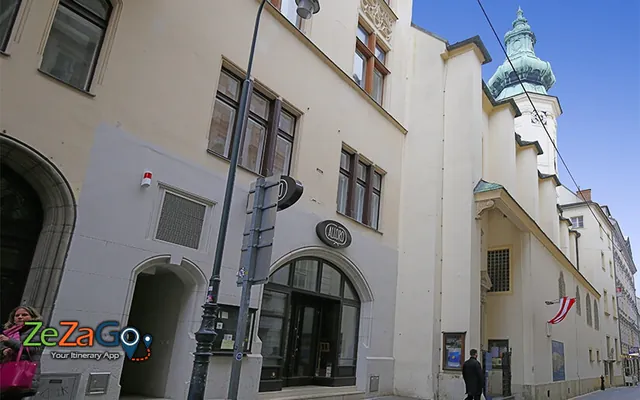
Vienna: Classical Concert in St. Anne's Church
Ditch the massive, sterile concert halls for an hour. You're heading to the First District to hear Mozart and Beethoven the way they actually sounded. St. Anne'
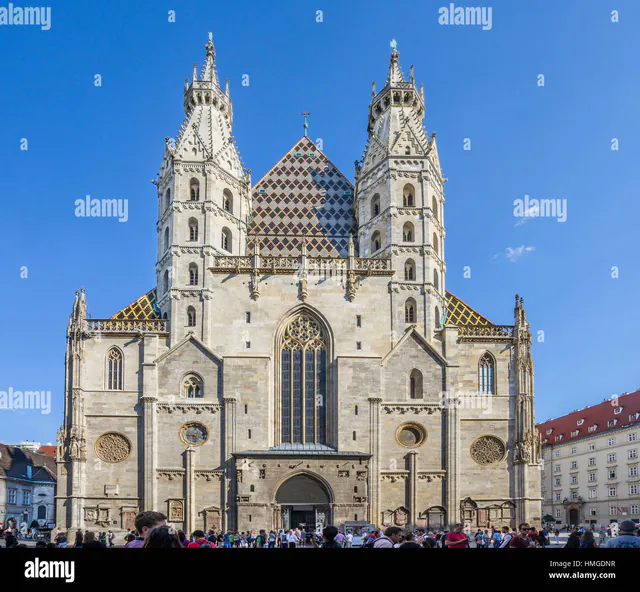
Concert at Vienna's St. Stephen's Cathedral
Don't just gawk at the spire from the square. Get inside. Locally known as the "Steffl," this Gothic giant is the city's pulse. While crowds swarm the nave by d
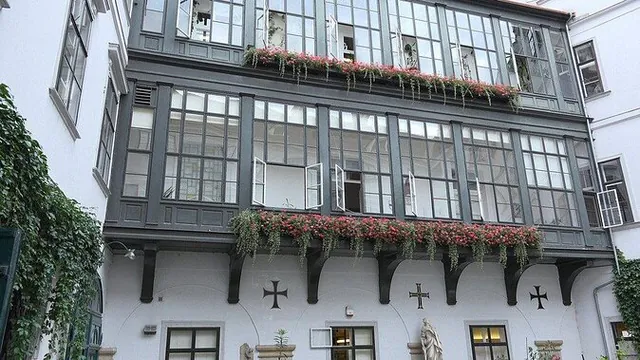
Concerts at Mozarthouse Vienna - Chamber Music Concerts
Ditch the Stephansplatz selfie-sticks and duck into the quiet courtyard of the Deutschordenshaus. Here, you'll find the Sala Terrena, the oldest concert hall in
Top Attractions
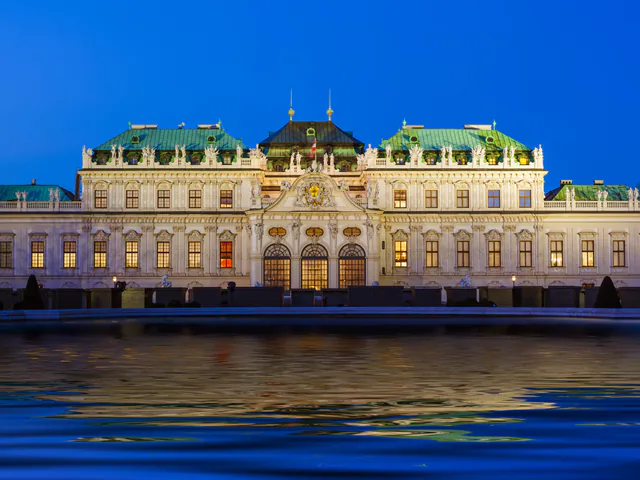
Belvedere Museum
The Belvedere Museum isn't just a gallery. It's a massive Baroque power move. Originally the summer bachelor pad for Prince Eugene of Savoy, this UNESCO-listed
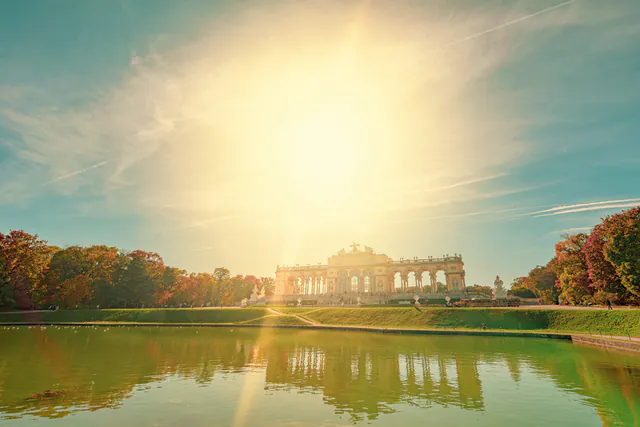
Café Gloriette
Don't just look at the Gloriette from the palace gardens. Climb the hill. This massive neo-classical pavilion sits like a crown above Schönbrunn, offering the b
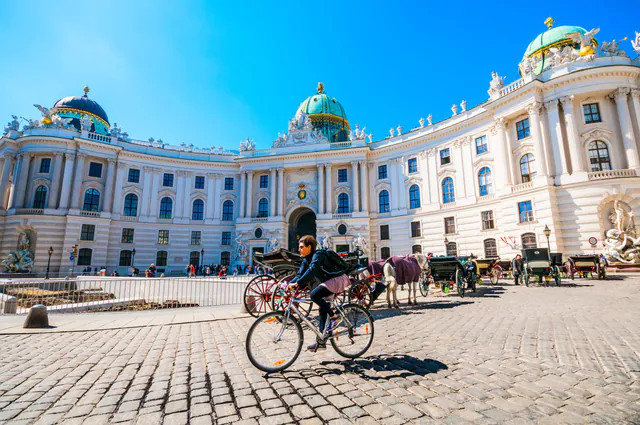
Sisi Museum
Forget the sugary film versions of Empress Elisabeth. Inside the Hofburg Palace, the Sisi Museum offers a blunt, fascinating look at a woman who hated the rigid
Frequently Asked Questions
When does the Vienna ball season take place?
How strictly is the dress code enforced at Vienna balls?
Can I rent a ball gown or tuxedo in Vienna?
How much do Vienna Opera Ball tickets cost?
Do I need to know how to waltz to attend?
What is the best ball in Vienna for a tourist to attend?
Related Guides
- Autumn in Vienna: Wine Harvests, Fall Foliage, and Roasted Goose
- Vienna Christmas Markets Guide: An Exhaustive Local Report
- Vienna in Spring: The Ultimate Local's Travel Guide
- Summer Travel Guide: Vienna
- Vienna Winter Guide: Christmas Markets, Ice Dreams, and Royal Balls
- The Perfect 24 Hours in Vienna: An Insider's 1-Day Itinerary
- The Ultimate 3-Day Vienna Itinerary: Imperial Grandeur to Hidden Heurigen
- Beyond the Ringstrasse: The Ultimate 5-Day Vienna Itinerary for Deep Explorers
Best Time to Visit
Click any month to see weather, crowds, prices, and events.
Try itTags
Places in Vienna
Related attractions, hotels, and more.