Vienna Easter Markets (Ostermärkte)
Cultural Festival
About This Event
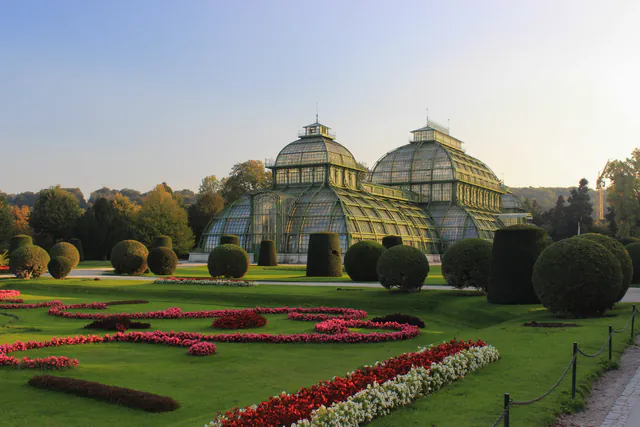
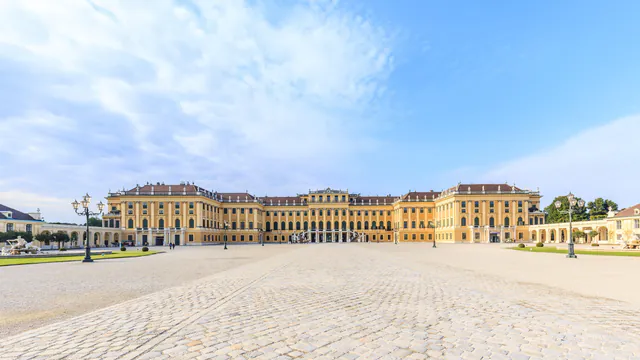
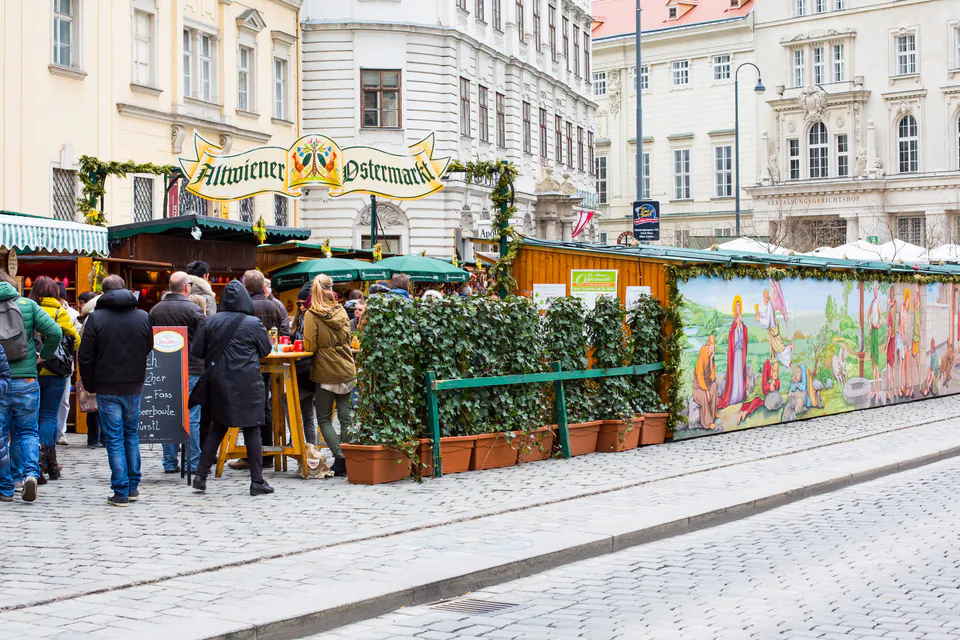
Forget the winter slush. Vienna’s Ostermärkte (Easter Markets) signal that spring has actually arrived, turning imperial squares into clusters of green stalls and seasonal life. It is more than just a pre-Lent tradition. You will find a city shedding its heavy coat, trading grey skies for rows of blooming tulips and the smell of fresh Osterpinze bread. The heavy hitter is the market at Schönbrunn Palace. Sixty stalls sit in the shadow of the Habsburgs' yellow summer home, hawking hand-painted eggshells and glasswork. Once Easter Sunday passes, it smartly rebrands as a Spring Market to keep the party going through April. If you want something tighter and more local, head to the Altwiener Ostermarkt at Freyung. It is famous for a literal mountain of eggs stacked against the Schottenkirche. A few blocks over, the Am Hof market leans into serious craftsmanship. No cheap plastic here. Just woodcarvings, ceramics, and jazz bands playing to crowds sipping crisp regional wine. It is elegant, busy, and remarkably un-cluttered.
History
These markets aren't a modern marketing invention. They date back to 1639, when Emperor Ferdinand III kicked off a fasting market at the Kalvarienberg. It was a somber affair for Ash Wednesday, mostly focused on prayer and 'fasting-safe' snacks. Things stayed quiet until 1990. That is when the Altwiener Ostermarkt opened at Freyung to give spring the same festive weight as the city's Christmas season. Schönbrunn followed suit in 2003. Since then, the focus has shifted from religious penitence to a high-end showcase of Austrian folk art and regional food. It is a calculated revival of old-world craft that actually works.
Key Venues
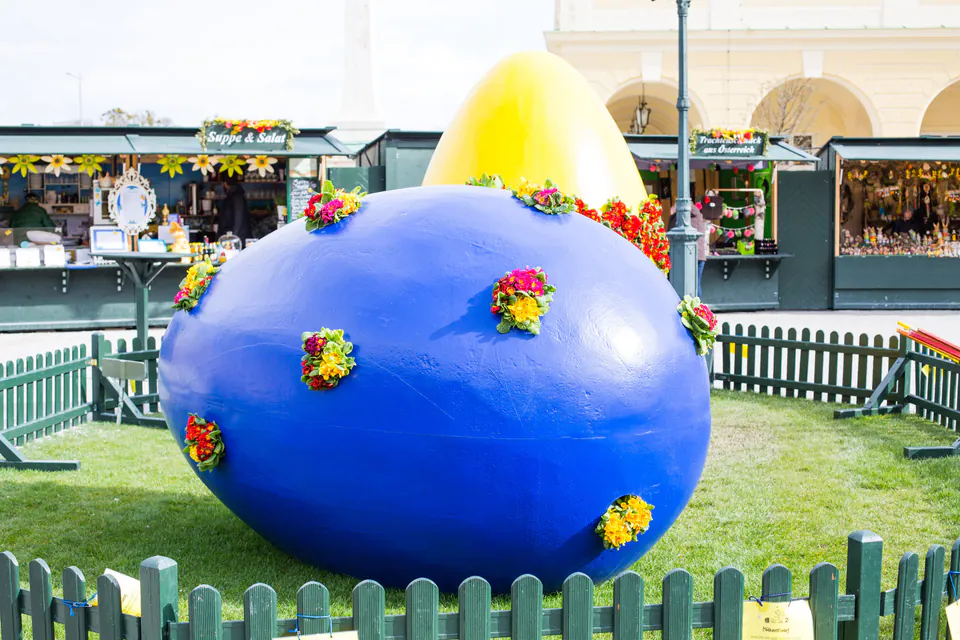
You have three main targets, and they all offer a different vibe. The big one is the Ehrenhof at Schönbrunn Palace. It is massive. The gravel courtyard provides plenty of space to move, and the 'enjoyment meadows' give you a place to sit with your snacks. It is the most crowded spot, but the view of the palace facade makes the elbow-to-elbow moments worth it. For something more intimate, go to Freyung in the 1st district. It is a triangular pocket surrounded by old palaces and the medieval Schottenstift. This is where the locals go. It feels like a village square rather than a tourist hub. Finally, walk five minutes to the Am Hof market. It is one of the oldest squares in the city. While Freyung is about tradition, Am Hof is about design. You will find hand-blown glass and contemporary jewelry here. You can easily knock out both city-center markets in a single afternoon without breaking a sweat.
Highlights & Must-Sees
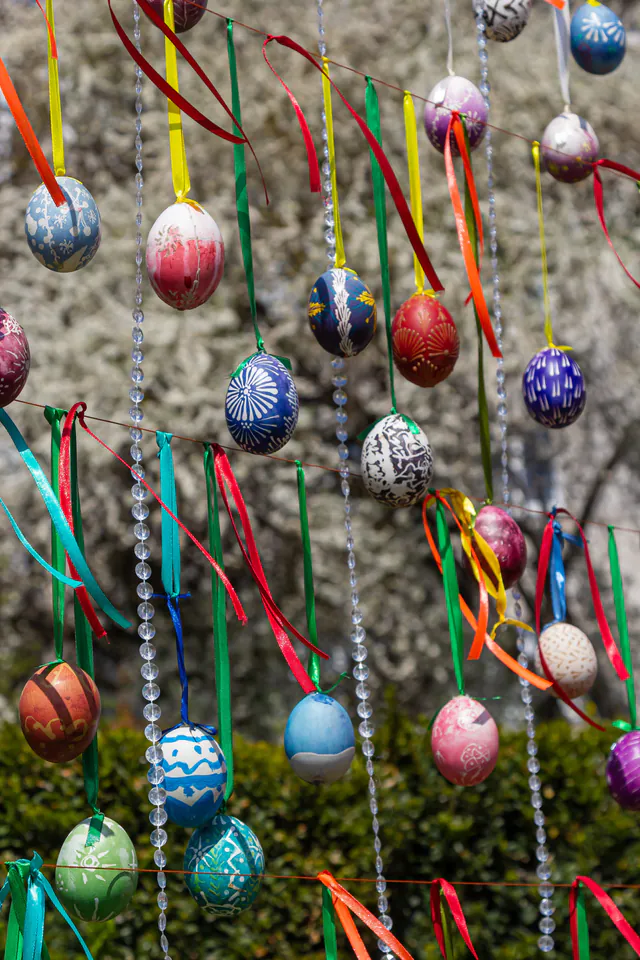
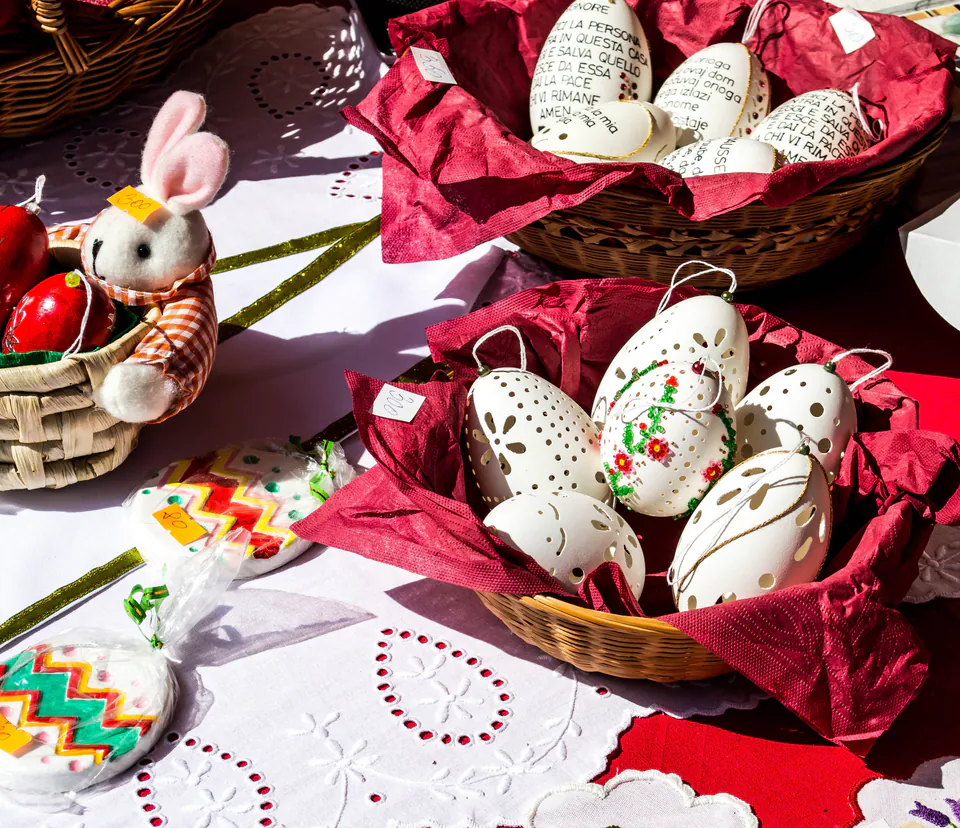
The main event is the egg. At Freyung, you will see a stack of 40,000 hand-painted shells known as the 'egg mountain.' Some are covered in watercolor flowers, others in tiny wire wraps. They are delicate, hollowed-out pieces of art. Buying one to hang on an Osterbaum (Easter tree) is the standard move. But look past the shells. You will find carved wood from the Erzgebirge, beeswax candles, and hand-stitched linens. The vendors are vetted. You won't find mass-produced junk here. Then there is the food. Skip the hotel breakfast and eat at the stalls. Grab a thick slice of farmhouse bread topped with mountain cheese or smoked ham. If you have a sweet tooth, hunt down the Kaiserschmarrn. It is a shredded pancake dusted in sugar and served with plum compote. Grab a glass of local white wine, find a spot in the sun, and just watch the crowd. It is the best theater in the city.
The Programme
It isn't just a shopping trip. The city sticks a soundtrack to the markets. At Schönbrunn and Freyung, you will catch jazz combos or classical quartets playing on small outdoor stages in the afternoons. It keeps the energy up. If you are traveling with kids, the markets are a lifesaver. Schönbrunn runs an Easter Bunny Workshop where they can shape marzipan or paint eggs. There is also a massive straw maze and giant outdoor games to burn off energy while you browse the ceramics. One pro tip: Schönbrunn doesn't quit on Easter Monday. It transitions into a Spring Market for another week. The egg decorations vanish, replaced by gardening tools and more flowers. It is the perfect loophole if you miss the official holiday dates but still want that imperial market atmosphere.
Getting There
Public Transport
Take the U4 metro line (green line) to the 'Schönbrunn' station. Exit the platform, cross the glass bridge, and walk 7-10 minutes along the paved path to the main entrance. Alternatively, take tram lines 10 or 60, or bus 10A to the 'Schloss Schönbrunn' stop, which is directly opposite the main gates.
By Car
Limited paid parking is available at the APCOA parking lot Schönbrunn Vienna near the main gate. Rates are approximately €5-8 daily. Due to high demand, using Park & Ride facilities at U4 stations (like Hütteldorf) is highly recommended.
By Taxi / Rideshare
Taxis and rideshares (Uber, Bolt) can drop you off directly at the Schönbrunn main gate (Haupttor) on Schönbrunner Schloßstraße. A typical ride from the city center takes about 20 minutes and costs €10-15.
Tips
- •The U4 metro is the fastest and most reliable transport option from the city center.
- •If visiting the zoo after the market, taking the U4 to Hietzing station may be more convenient.
Event Location
Venue
Schönbrunn Palace (Ehrenhof)
Address
Schönbrunner Schloßstraße 47, 1130 Wien
Tips & What to Know
Go on a Tuesday or Wednesday morning. You will actually be able to see the egg displays without someone's backpack in your face.
The 'egg mountain' at Freyung is a minefield for the clumsy. If you buy a real shell, bring a hard-sided box or ask for extra bubble wrap.
Eat the Osterpinze. This slightly sweet yeast bread is a seasonal staple you won't find easily the rest of the year.
Hit the Schönbrunn workshop if you have kids. The marzipan shaping and straw maze are better than any hotel playroom.
Walk between Freyung and Am Hof. They are less than 300 meters apart in the 1st district and offer two totally different takes on the season.