Schönbrunner Gärten
Park
About the Experience
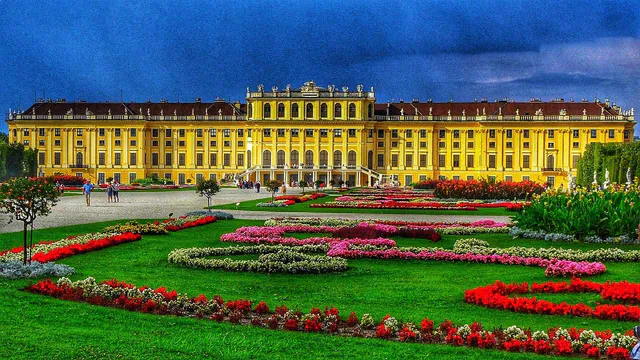
Schönbrunner Gärten isn't just a park. It's a 160-hectare power move by the Habsburgs. This Baroque spread in Vienna's 13th district has been a UNESCO World Heritage site since 1996, and for good reason. It's massive, precise, and completely over the top. Empress Maria Theresa opened these imperial grounds to the public in 1779. Today, you can walk the same gravel paths the emperors did, though you'll likely be sharing them with local joggers and a few thousand other tourists.
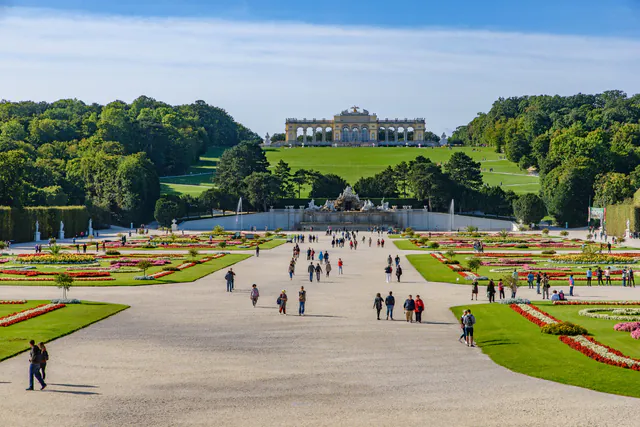
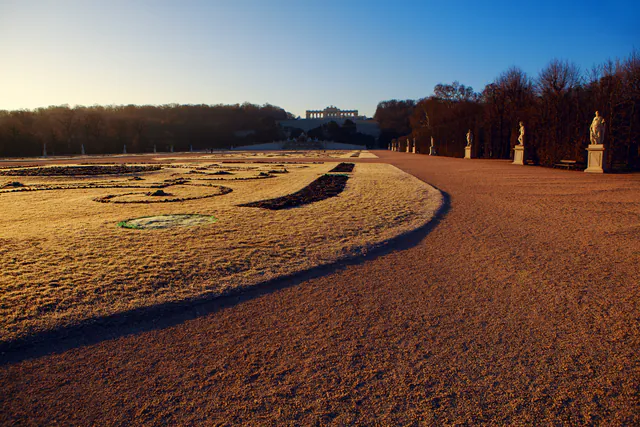
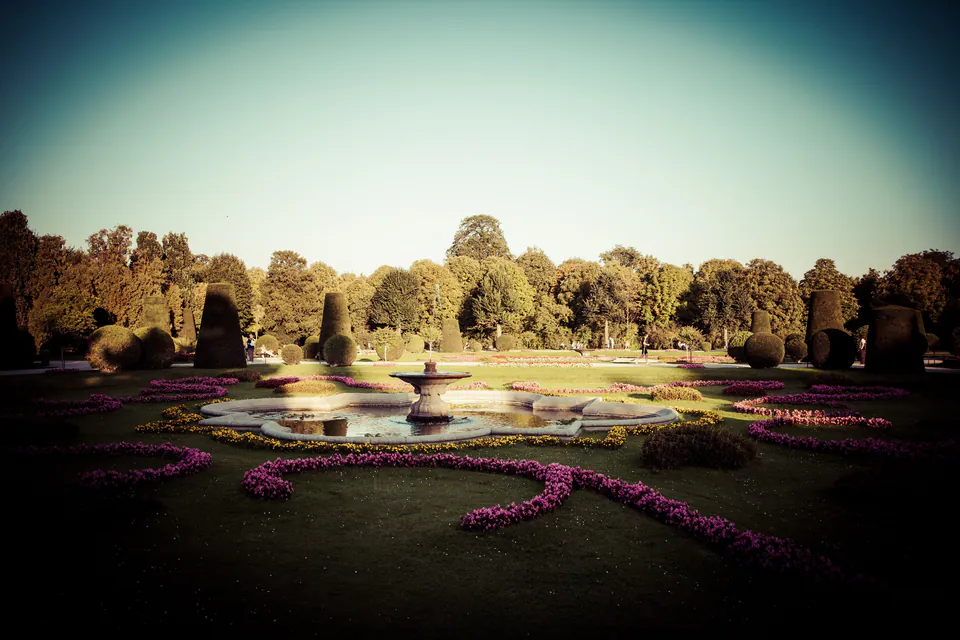
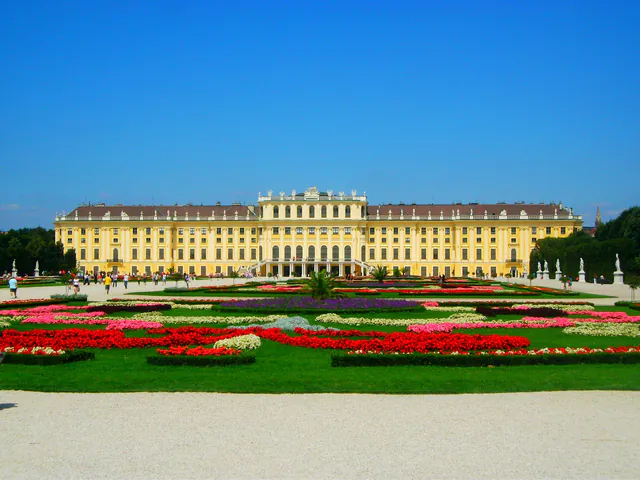
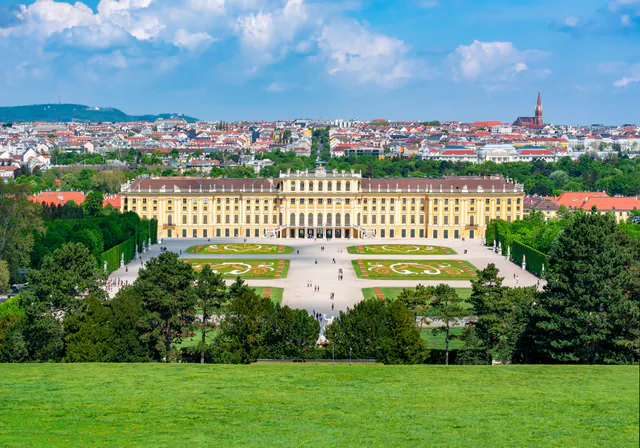
The heart of the layout is the Great Parterre. It's a vast, geometric field of clipped hedges and symmetrical blooms that leads your eye straight from the palace to the Neptune Fountain. Look closely at the 32 mythological statues lining the paths. They're basically 18th-century propaganda carved in stone.
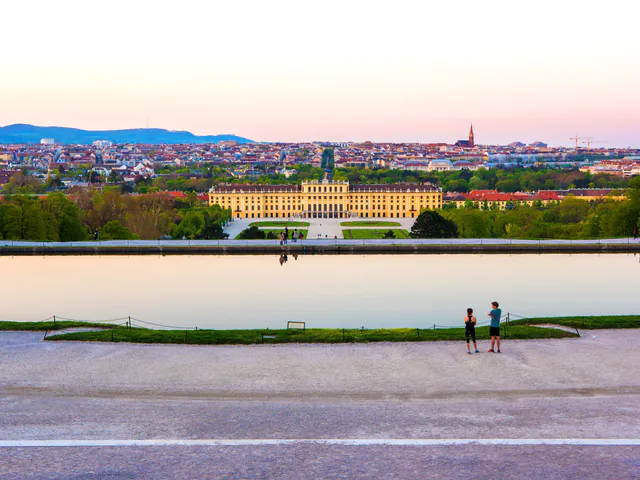
If you want the best view in Vienna, hike up the 60-meter hill to the Gloriette. This colonnaded monument offers a 180-degree sweep of the palace with the city skyline behind it. It's a steep climb, but worth every drop of sweat. For something quieter, duck into the woods to find the Roman Ruins or the Obelisk Fountain.
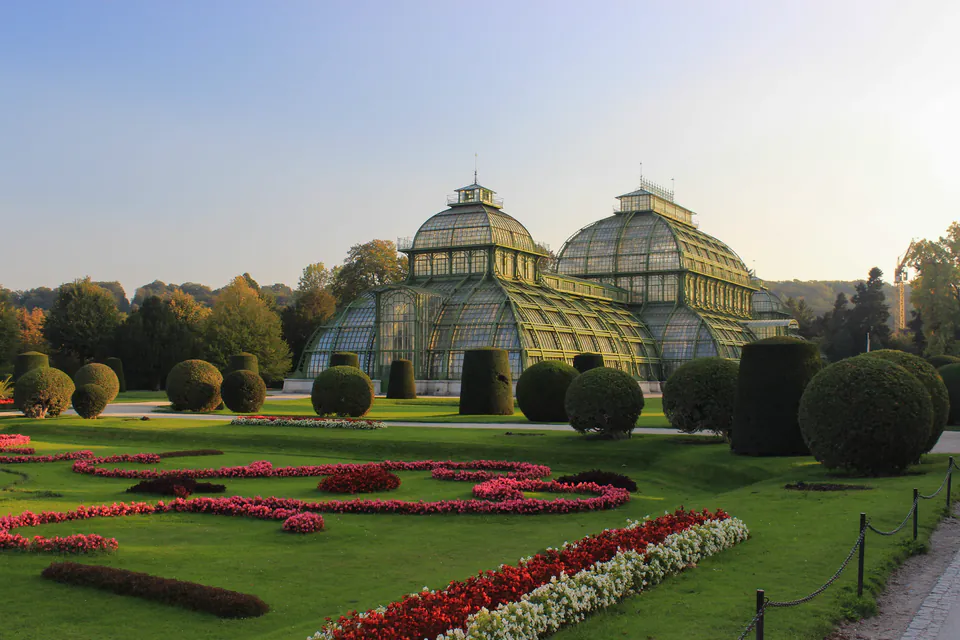
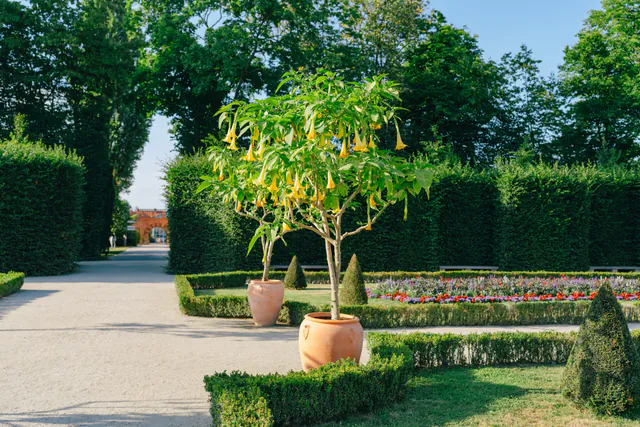
Plant lovers should head for the 186-meter-long Orangery or the Great Palm House. The latter is a giant of 19th-century glass and iron engineering. Inside, you'll find three different climate zones packed with exotic greenery. Whether you're here for the history or a morning run, the scale of this place is staggering.
Photos
History & Significance
The site started as the 'Katterburg' manor back in the 14th century. In 1569, Emperor Maximilian II bought it to use as a private hunting ground. The name 'Schönbrunn' (beautiful spring) appeared in 1642 when Empress Eleonora of Gonzaga built a pleasure palace here. But the version you see now is the work of Empress Maria Theresa and her husband, Emperor Franz I Stephan. Between 1743 and 1780, they hired architects like Jean Trehet and Johann Ferdinand Hetzendorf von Hohenberg to build the Gloriette (1775) and the Neptune Fountain (1780). Maria Theresa opened it to the public in 1779, a move that turned an imperial playground into a city landmark.
What to See & Do
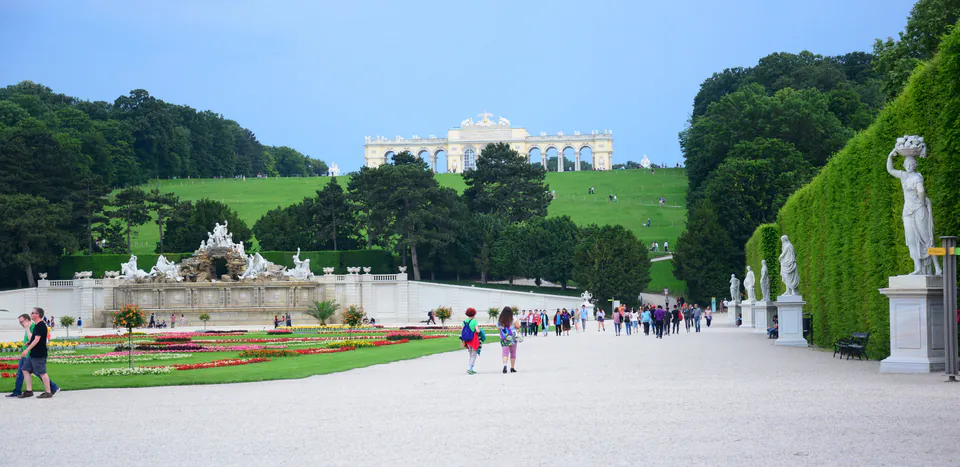
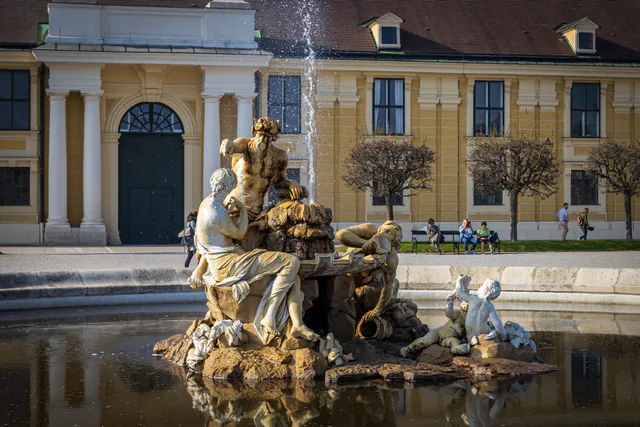
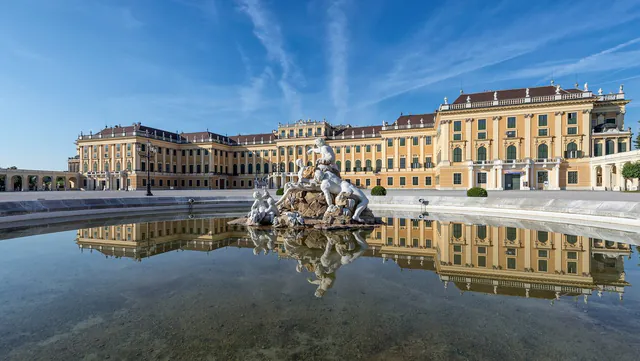
Start at the Great Parterre. It's the symmetrical soul of the park, flanked by 32 giant statues of gods and heroes. Walk the wide gravel avenues toward the Neptune Fountain. In summer, the water flows over a massive sculptural group of the sea god in a shell chariot. It's the park's primary photo op.
From the fountain, take the zig-zag path up the hill to the Gloriette. Built in 1775 to celebrate Habsburg military wins, it now houses a classic Viennese café. Grab a Melange and head to the roof terrace. You won't find a better panoramic view of the palace spires and the city beyond.
Don't just stick to the main paths. Get lost in the woodland avenues to the east to find the Roman Ruins. They're actually a fake, built in 1778 to look like a decaying temple. It was the 18th-century way of saying that even empires fall. Nearby, the Obelisk Fountain features hieroglyphs that don't actually mean anything. They were just meant to look old and impressive.
Seasonal Highlights
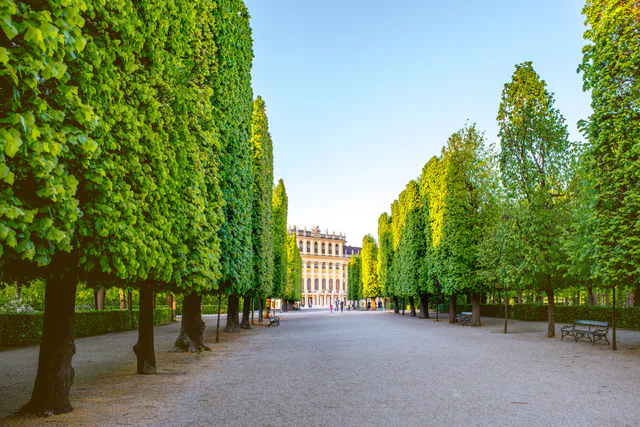
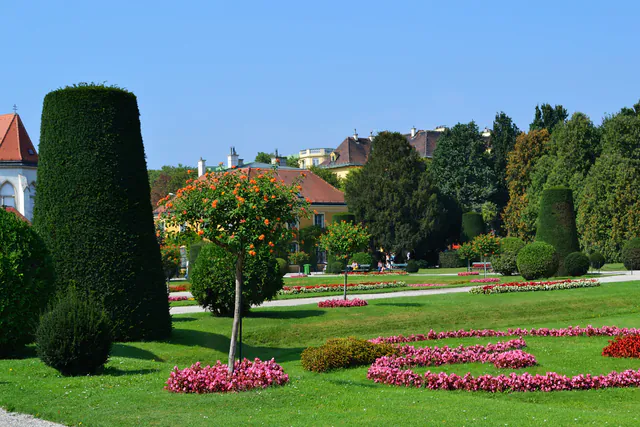
Spring is the headline act here. By May, the Great Parterre is a sea of color. The gardening team plants tens of thousands of tulips and pansies in patterns that haven't changed much since Maria Theresa's day. It's precise, vibrant, and very photogenic.
Autumn is for the walkers. The woodlands turn gold and crimson, and the air is cool enough for the hike to the Gloriette without breaking a major sweat. With the leaves falling, you'll catch glimpses of statues and ruins that stay hidden behind summer greenery. Locals love this time of year for a reason.
Winter at Schönbrunn is quiet and stark. The fountains are off and the flower beds are empty, but the palace looks incredible under a dusting of snow. If you get too cold, head for the 19th-century Palm House. Stepping from a freezing Vienna into this humid, iron-and-glass jungle is a genuine relief.
Family Activities
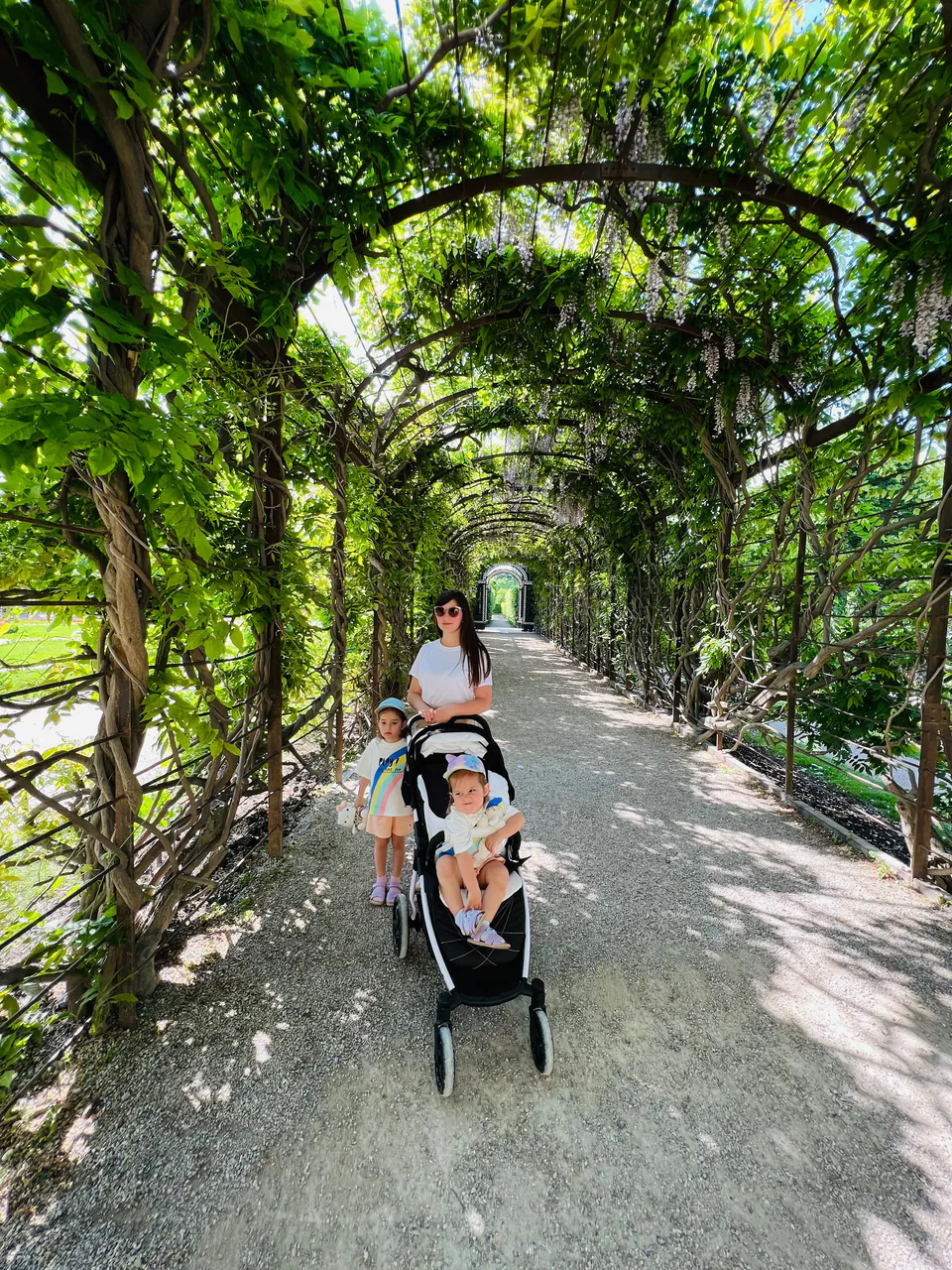
Schönbrunn is big enough to tire out even the most energetic kids. Take them to the Irrgarten (Maze and Labyrinth). It covers 7,000 square meters and features yew-hedge paths, puzzle stations, and a viewing platform. It's a fun way to kill an hour.
Next door is the Tiergarten Schönbrunn, the world's oldest zoo. It dates back to 1752 and is easily one of Europe's best. It's a weird, cool mix of Baroque pavilions and modern enclosures. You can see giant pandas and Siberian tigers right in the middle of the imperial park.
If the 160 hectares of gravel are too much for little legs, catch the Panoramabahn. This yellow mini-train makes nine stops across the estate, including the Gloriette and the Zoo. It's the easiest way to see the far corners of the gardens without a meltdown before lunch.
Tours & Experiences Nearby
Top-rated tours and experiences starting near Schönbrunner Gärten.
 walking tour
 walking tour
 concert
Essential Visitor Tips
- Arrive at 6
30 AM. You'll have the paths to yourself, save for a few local joggers and the morning light hitting the palace.
The main park is free. But you'll need to pay for the Maze, the Privy Garden, the Orangery, and the Palm House. Bring your wallet for those.
Ditch the fancy shoes. You're walking on 400 acres of authentic gravel. Sneakers or sturdy boots are the only way to survive the day.
Watch the clock for fountains. The Neptune and Obelisk fountains usually run from mid-April to mid-October, specifically between 10:00 AM and 4:00 PM.
Find the namesake spring. The actual 'Schöner Brunnen' is tucked away in a small woodland pavilion. It's the well that gave the palace its name.
Best Time to Visit
"Go in May for the flowers or October for the autumn colors and easy walking weather."
Nearby Hotels
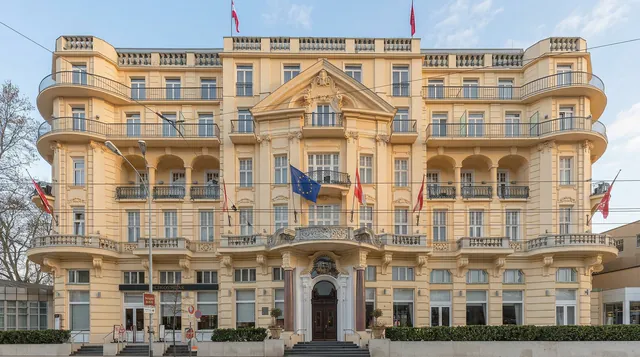
2 min walk (159m)
Former imperial guest house of Emperor Franz Joseph I · Direct proximity to Schönbrunn Palace and the Vienna Zoo
Price From €150/night
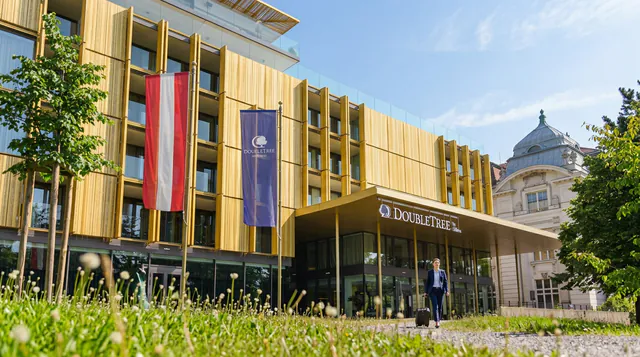
8 min walk (631m)
Located just a five-minute walk from the imperial Schönbrunn Palace and Gardens · Serene, green inner courtyard garden with terrace dining
Price From €120/night
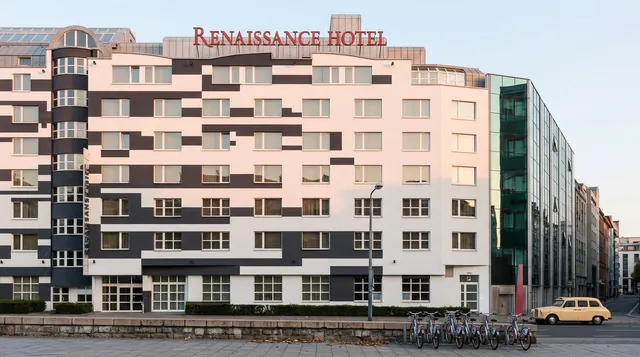
17 min walk (1.3km)
WUNDERKAMMER Drinking & Dining serving international cuisine and innovative cocktails · 200-square-meter wellness area featuring a salt room, sauna, and relaxation balcony
Price From €150/night
Nearby Restaurants
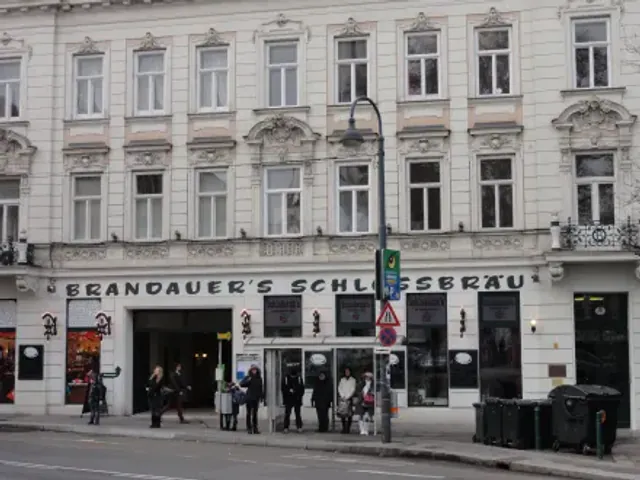
Brandauer Schlossbräu
International Casual • Moderate
Don't settle for the overpriced tourist traps surrounding Schönbrunn Palace. Wal...
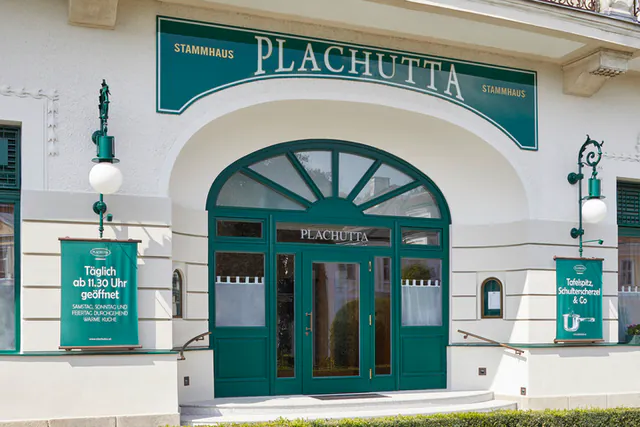
Plachutta Stammhaus Hietzing
International Fine Dining • Upscale
Don't come to Plachutta Stammhaus Hietzing for a quick bite. This is a 13th Dist...
Frequently Asked Questions
Is it worth visiting the Schönbrunner Gärten early in the morning?
What is the best photography spot within the Schönbrunner Gärten?
How do I reach the Schönbrunner Gärten by public transport?
Can I visit the zoo while exploring the Schönbrunner Gärten?
What should I bring for a day at the Schönbrunner Gärten?
What is the history behind the public opening of the Schönbrunner Gärten?
Are there dining options inside the Schönbrunner Gärten?
What makes the Schönbrunner Gärten special during the autumn season?
What are the opening hours of Schönbrunner Gärten?
How much does it cost to visit Schönbrunner Gärten?
How long should I spend at Schönbrunner Gärten?
Is Schönbrunner Gärten wheelchair accessible?
Quick Facts
The Neighborhood
13th District: Hietzing
Read Guide