Vienna Design Week
Cultural Festival
About This Event
Forget stuffy trade shows and corporate convention centers. Vienna Design Week takes over the city every autumn, turning local neighborhoods into a playground for the curious. For ten days, this festival proves design isn't just about expensive chairs or sleek logos. It's about how we live, eat, and move through the streets. You won't find one central hall. Instead, the festival is nomadic. It picks a new Focus District each year, setting up shop in abandoned hospitals, former car dealerships, or raw construction sites. You might find yourself in a 19th-century ward one day and a high-tech lab the next. With roughly 200 events on the calendar, the scale is massive but accessible. Most of it is free. You can wander into experimental workshops, catch a talk on the circular economy, or see how a digital artist reimagines a public square. It’s gritty, smart, and deeply connected to the actual people who call Vienna home. Around 40,000 people show up to see the 180-degree shift from imperial tradition to cutting-edge innovation. It's the best way to see the city's bones while looking straight into its future.
History
Launched in 2007, the festival was the brainchild of Lilli Hollein, Tulga Beyerle, and Thomas Geisler. They wanted a platform that felt international but stayed rooted in Viennese grit. It started small but refused to stay put, moving its headquarters annually to force visitors into new corners of the city. Gabriel Roland took the helm in 2021, pushing the focus toward social design and the climate crisis. It has successfully bridged the gap between old-world craftsmanship and the digital age. Today, it stands as Austria's largest curated design event.
The Programme
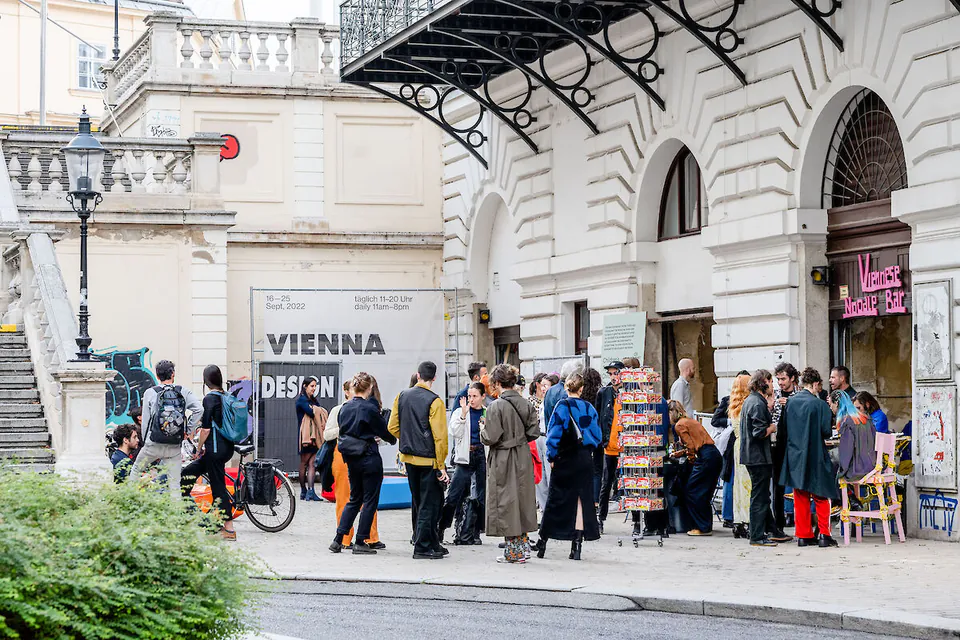
The schedule is a beast. You've got ten days to navigate over 200 events, ranging from quick studio visits to deep-dive panel discussions. It isn't just about looking at finished objects on pedestals. It’s about the messy process of making things. The Passionswege format is the undisputed highlight. It pairs world-class international designers with old-school Viennese legends like silver engravers or glassblowers. They work together without any corporate pressure to sell. The results are usually weird, beautiful, and totally unique. Then there's Stadtarbeit, or City Work. This segment focuses on how we actually live together. Supported by Erste Bank, it funds projects that tackle real problems like urban food waste or neighborhood loneliness. You might find yourself participating in a communal street dinner or a workshop on DIY urban furniture. Whether you're tracking the latest in product design through the Design Everyday exhibit or exploring the Re:Form track, the goal is the same. To make you think. Expect to walk away with more questions than answers.
Key Venues
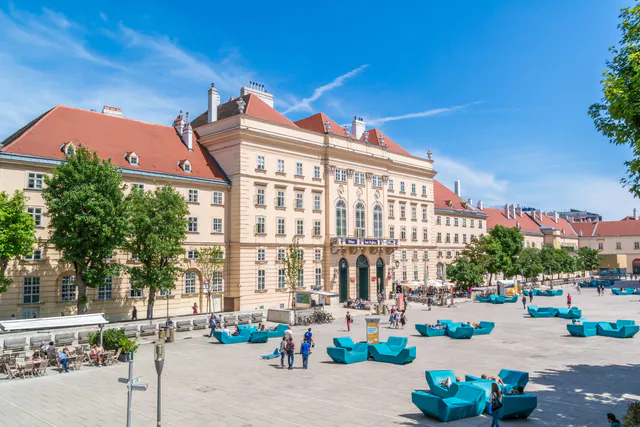
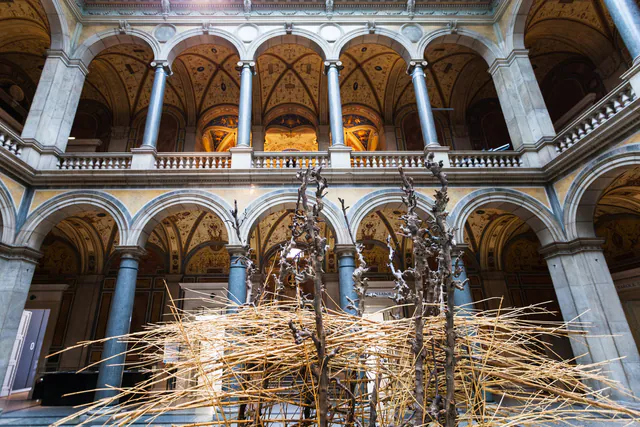
The festival moves around, so your first stop must be the Festival Headquarters. It changes every year based on the Focus District. This is where you grab a map, hit the pop-up café, and see the densest cluster of exhibitions. One year it’s a Mercedes-Benz showroom, the next it’s a decommissioned hospital. It brings life to parts of Vienna that tourists usually ignore. But the MAK (Museum of Applied Arts) on Stubenring remains the spiritual home. It’s a stunning brick-and-mortar anchor that hosts the heavy-hitting lectures and major collaborative shows. Beyond these two, the festival spills into private courtyards and hidden workshops across the district. You'll need comfortable shoes. Follow the yellow festival flags into back alleys you’d otherwise walk past. By turning the city into a stage, the event lets you see the architectural layers of Vienna through a designer's eyes.
Highlights & Must-Sees
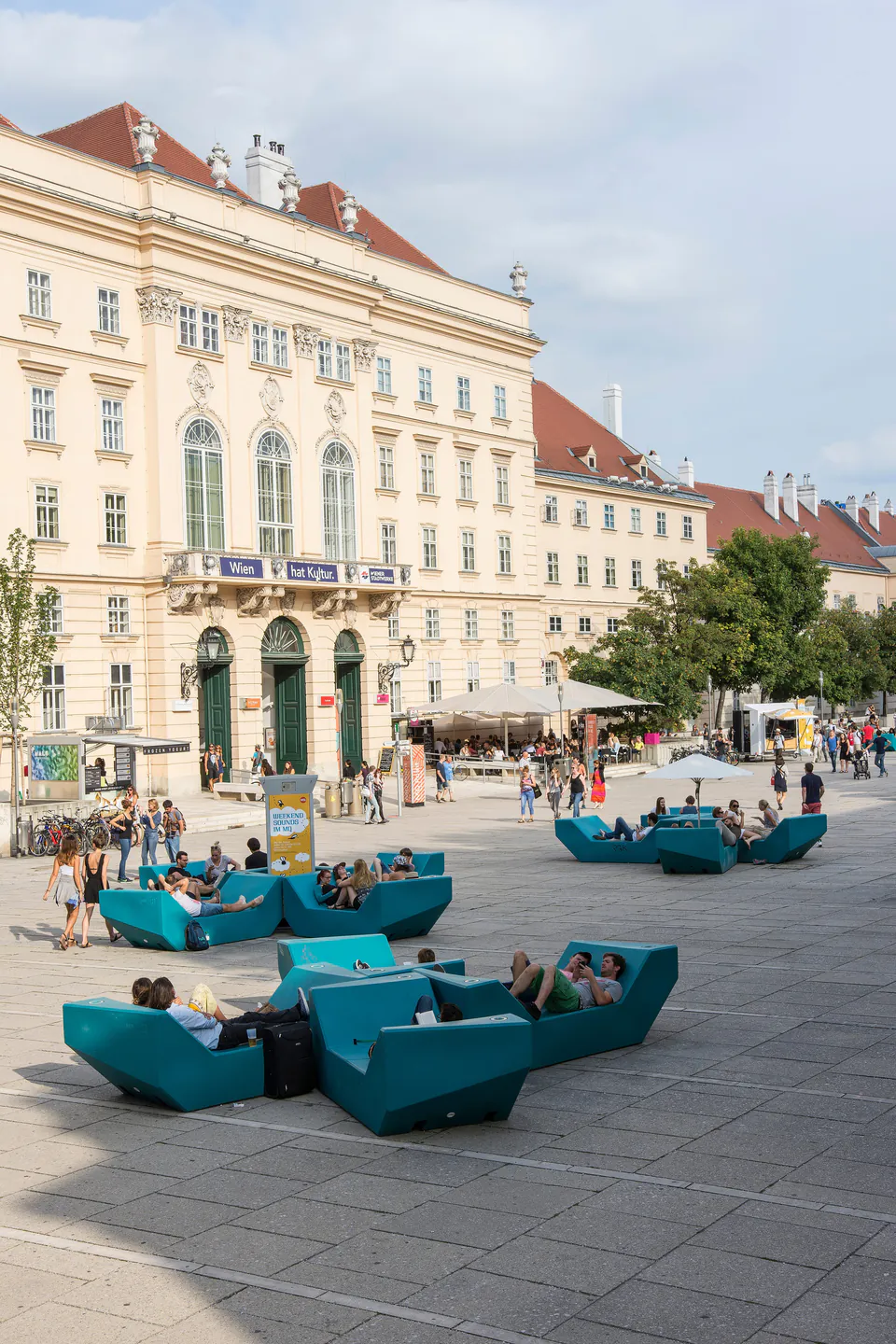
Don't try to see everything. You'll burn out. Start with the FOKUS exhibition. It’s a curated deep dive into one big idea, like the beauty of aging or the physics of fragility. It’s high-concept but usually visually arresting. If you care about what’s on your plate, hit the Urban Food & Design track. You’ll find experimental edible installations and designers rethinking how cities feed themselves. It’s interactive and often involves tasting things you can't find in a supermarket. For the gearheads, the Design Everyday showcase is the winner. It focuses on the practical stuff. Furniture, tools, and lighting that actually work in a real home. It’s a great snapshot of the current Austrian scene without the pretension. Wrap up your night at one of the opening parties at the Headquarters. The vibe is electric and the networking is actually fun.
Getting There
Public Transport
Take the U3 metro line to Stubentor station, which is just a 2-minute walk from the MAK museum. Alternatively, tram lines 2 and 71 or the 3A bus stop directly at the Stubentor stop.
By Car
Parking in Vienna's 1st District is strictly short-term (Kurzparkzone) and highly limited. It is strongly recommended to use Park & Ride facilities at the city outskirts (such as P+R Erdberg on the U3 line) or the nearby WIPARK Parkhaus Cobdengasse.
By Taxi / Rideshare
Taxis can drop you off directly at the main entrance on Stubenring 5. A ride from Vienna Central Station (Hauptbahnhof) typically costs around €12-€15. Use the FreeNow or Uber apps for reliable local booking.
Tips
- •Consider renting a WienMobil bike to easily travel between the dispersed festival venues across the city.
- •Buy a 72-hour Vienna City Card for unlimited public transport if you plan to visit multiple districts during the festival.
Event Location
Venue
MAK - Museum of Applied Arts
Address
Stubenring 5, 1010 Wien, Austria
Tips & What to Know
Start at the Headquarters. It’s the only way to get the physical program and a sense of the layout.
Walk the Passionswege. These collaborations between modern designers and ancient workshops are the festival’s soul.
Book workshops early. While most things are free, the hands-on sessions and guided tours fill up fast online.
Focus on the Focus District. Spend at least one full afternoon just wandering the designated neighborhood’s side streets.
Check the Stadtarbeit projects. These community-focused installations offer the most interesting insights into local Viennese life.