Skip the Line: Kunsthistorisches Museum Vienna Entrance Ticket
Experience
Duration
3 Hours
Price From
€22 / person
Group Size
Private group
Languages
English, German, French, Spanish, Italian
The Experience
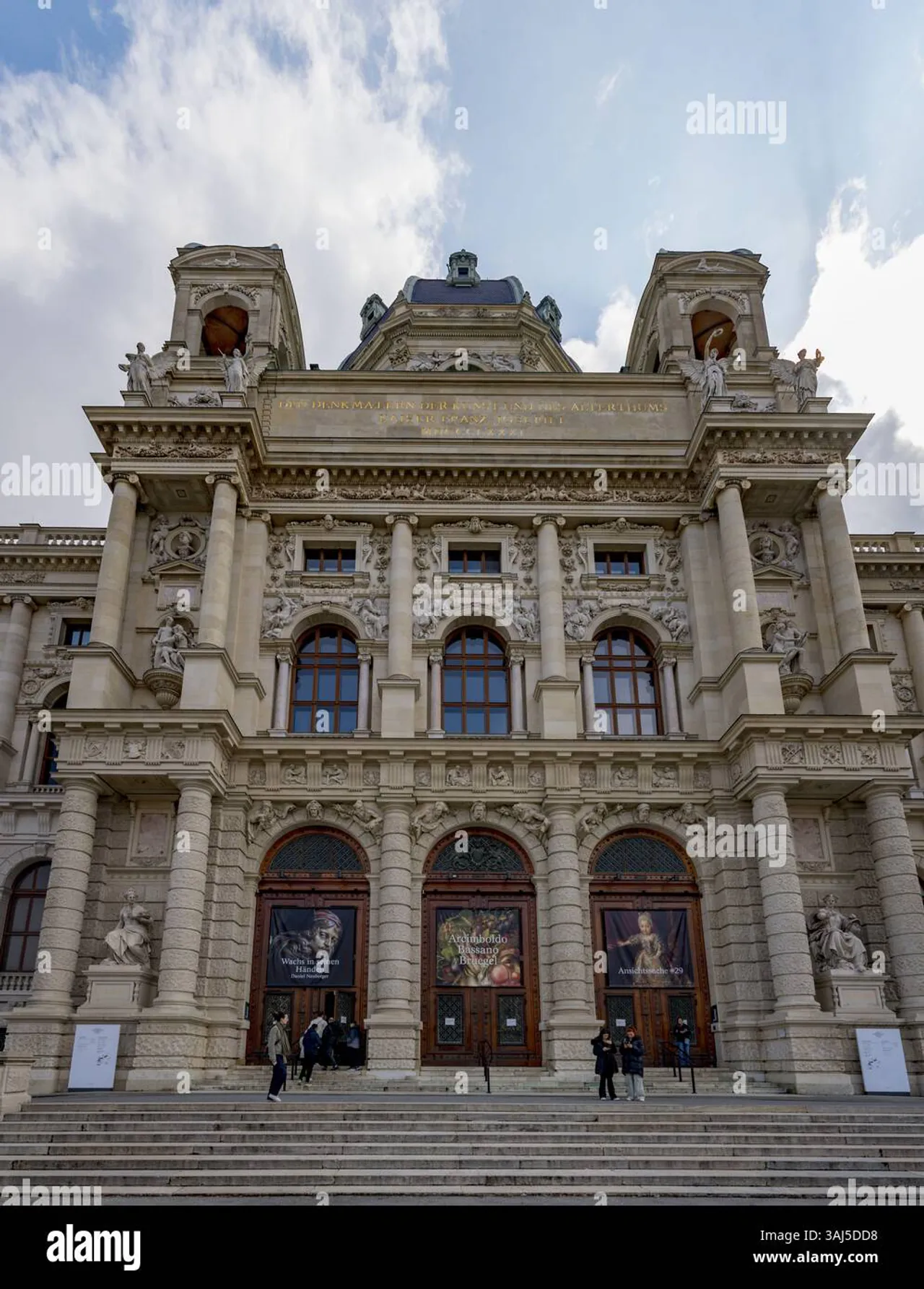
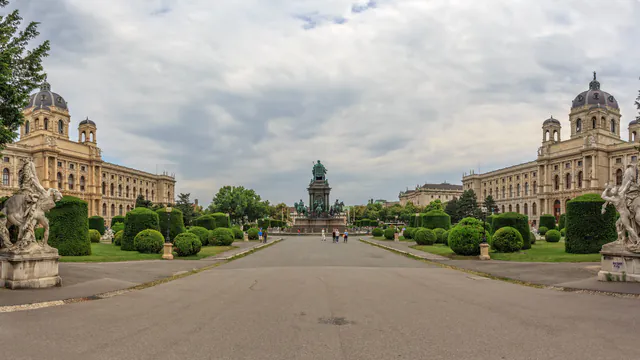
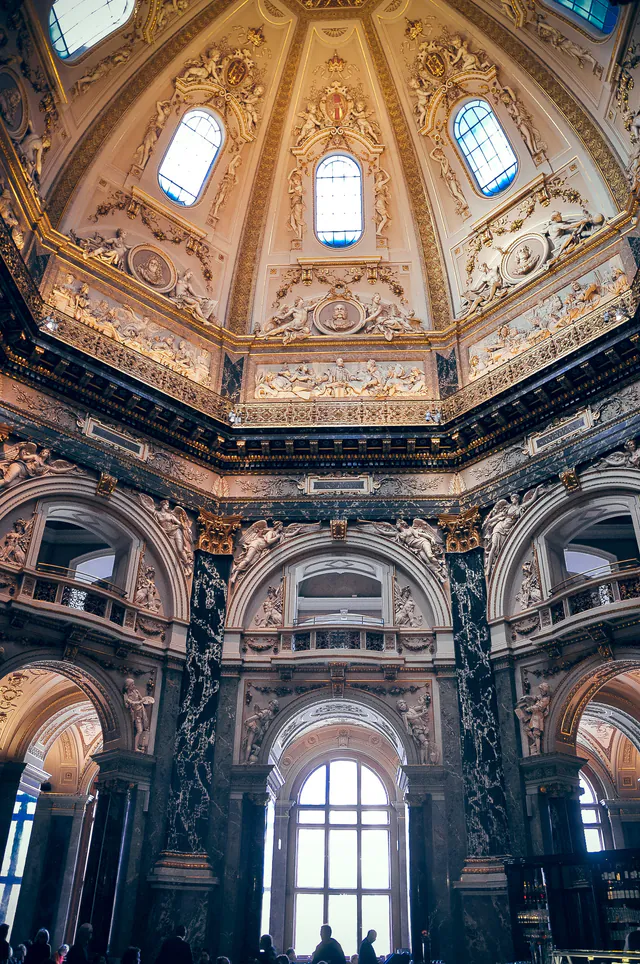
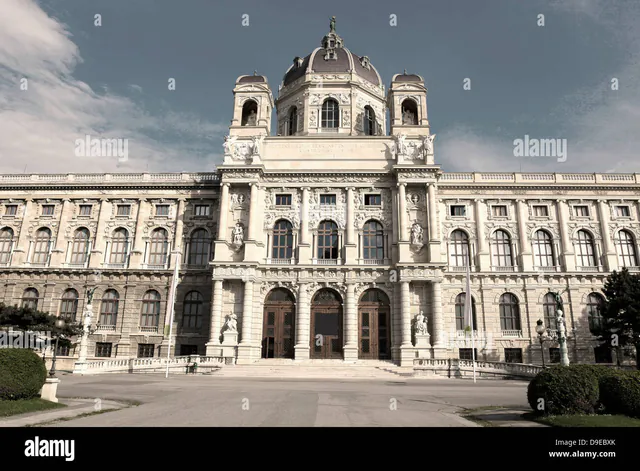
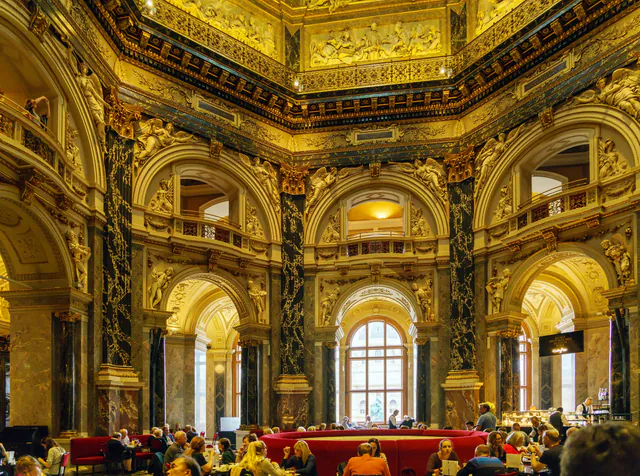
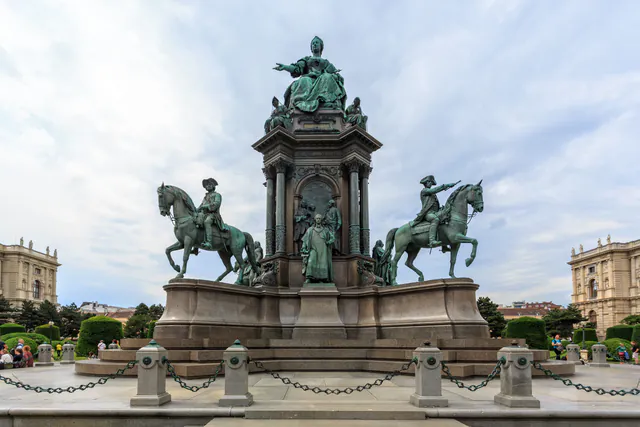
Vienna’s Kunsthistorisches Museum isn't just a gallery. It is a massive, limestone-and-marble power move by the Habsburgs. Emperor Franz Joseph built this palace on the Ringstraße specifically to flex the family’s art collection, and it remains one of the greatest on the planet. Don't waste your morning standing in a ticket line that snakes across Maria-Theresien-Platz. Grab a skip-the-line ticket instead. You’ll walk right past the crowds and into a grand entrance hall topped by an 60-meter-high octagonal dome. It’s a lot to take in. The Picture Gallery alone is a heavyweight roster of Rubens, Rembrandt, and Titian. You’ll also find the world’s most important collection of Pieter Bruegel the Elder. Standing in front of the 'Tower of Babel' is a mandatory Vienna experience. Beyond the oil paintings, the museum holds seven millennia of history, from Egyptian mummies to the Kunstkammer’s eccentric treasures. You could easily lose four hours here and still not see every ivory carving or gold-plated automaton. If you care about art, this is where you spend your time.
Tour Highlights
- Admire the grand staircase featuring Gustav Klimt's stunning frescoes .
- See Pieter Bruegel the Elder's masterpieces, including the iconic 'Tower of Babel' .
- Marvel at Renaissance and Baroque paintings by Rubens, Raphael, and Velázquez .
- Discover the intricate Kunstkammer (Chamber of Art and Wonders), housing Cellini’s famous Saliera .
- Explore an extensive collection of ancient Egyptian and Greek artifacts spanning millennia .
What's Included
- Skip-the-line entrance ticket to the Kunsthistorisches Museum
- Access to the Picture Gallery and permanent collections
- Access to the Kunstkammer (Chamber of Art and Wonders)
- Flexible, self-guided browsing time
The Experience
Walking into this building feels like a formal invitation to the imperial past. Start at Maria-Theresien-Platz and head straight for the grand staircase. Don't just climb it. Look up at the ceiling arches to spot early frescoes painted by a young Gustav Klimt. They’re woven right into the classical architecture. Once you hit the Picture Gallery, the pace is entirely up to you. This ticket is for a self-guided mission through Western art’s greatest hits. You can spend twenty minutes dissecting the lighting in a Caravaggio or move quickly to the fleshy, dramatic canvases of Peter Paul Rubens. The halls are massive, so it rarely feels as claustrophobic as the Louvre or the Vatican. Most people gravitate toward the Bruegel room, where the detail in his 16th-century peasant scenes is sharp enough to make you laugh. If you need a break from paint, duck into the Egyptian and Near Eastern sections. You'll find sarcophagi and Greek statues that have survived thousands of years. It is a dense, high-contrast tour through human history that makes the Habsburgs' obsession with collecting very clear.
What Makes It Unique
Most museums are boxes for art, but here the building is the art. The architecture doesn't just hold the collection (it mirrors it). Every marble floor and gold-leaf detail was designed to match the prestige of the Raphael and Velázquez paintings on the walls. It creates an atmosphere of 19th-century imperial power you won't find in a modern gallery. Then there is the Kunstkammer. This isn't your standard museum wing. It’s a 'chamber of wonders' filled with the weird, expensive, and technically impossible. Think complex clockwork machines and vessels carved from rare stones. The centerpiece is Benvenuto Cellini’s Saliera, a golden salt cellar that looks more like a high-stakes sculpture. But the real draw for many is the sheer volume of Pieter Bruegel the Elder. The museum owns roughly a third of all his surviving works. Seeing 'The Tower of Babel' and his massive seasonal landscapes in one room is a definitive Vienna experience. It’s a concentrated dose of Flemish genius that no other city can match.
Practical Information
Getting here is easy. The museum sits right on the Ringstraße. Take the U3 line to Volkstheater or catch any tram to the Burgring stop. It’s a two-minute walk from there. Buy your ticket in advance and keep it on your phone. This lets you bypass the outdoor booths and go straight to the scanners. Give yourself three hours at a minimum. If you’re a real enthusiast, clear your whole afternoon. The doors open Tuesday to Sunday from 10:00 AM to 6:00 PM. Thursdays are the smart play because they stay open until 9:00 PM and the crowds thin out significantly. Just remember the museum stays closed on Mondays. If you’re bringing a stroller or use a wheelchair, use the Burgring 5 entrance for elevator access. This ticket covers the permanent collection, but you’ll need an extra six euros at the desk if you want the audio guide. It’s worth the cash for the context on the bigger pieces. When your feet give out, head to the café under the dome. It is expensive, but the view of the marble hall from a velvet chair is worth one overpriced espresso.
Meeting Point
Address
Maria-Theresien-Platz, 1010 Wien, Austria
Check-in
Please arrive 15–20 minutes before departure.
Discover More in 1st District
Nearby Attractions
Nearby Hotels
Nearby Restaurants
Frequently Asked Questions
Are children welcome on the Skip the Line: Kunsthistorisches Museum Vienna Entrance Ticket experience?
What should I wear or bring for my Skip the Line: Kunsthistorisches Museum Vienna Entrance Ticket visit?
Where is the meeting point for the Skip the Line: Kunsthistorisches Museum Vienna Entrance Ticket?
Are food and drinks included with the Skip the Line: Kunsthistorisches Museum Vienna Entrance Ticket?
Is the Skip the Line: Kunsthistorisches Museum Vienna Entrance Ticket a private experience?
What is the rain policy for the Skip the Line: Kunsthistorisches Museum Vienna Entrance Ticket?
Experience Starts At
Location Guide
Innere Stadt (Old Town)
Explore 1st District