Day Trip to Kutná Hora by Train from Prague
Day Trip
Duration
6 Hours
The Experience
Kutná Hora is the best escape if Prague starts feeling like a theme park. You'll trade the capital's crowds for a city that once paid for the entire Bohemian Kingdom. Forget the typical pretty towns. This was the silver-soaked engine of Central Europe. You'll leave from Prague's main station and head into the rolling Bohemian hills. Since 1995, the whole place has been a UNESCO World Heritage site. It’s a preserved relic of pure medieval power. Silver built this town.
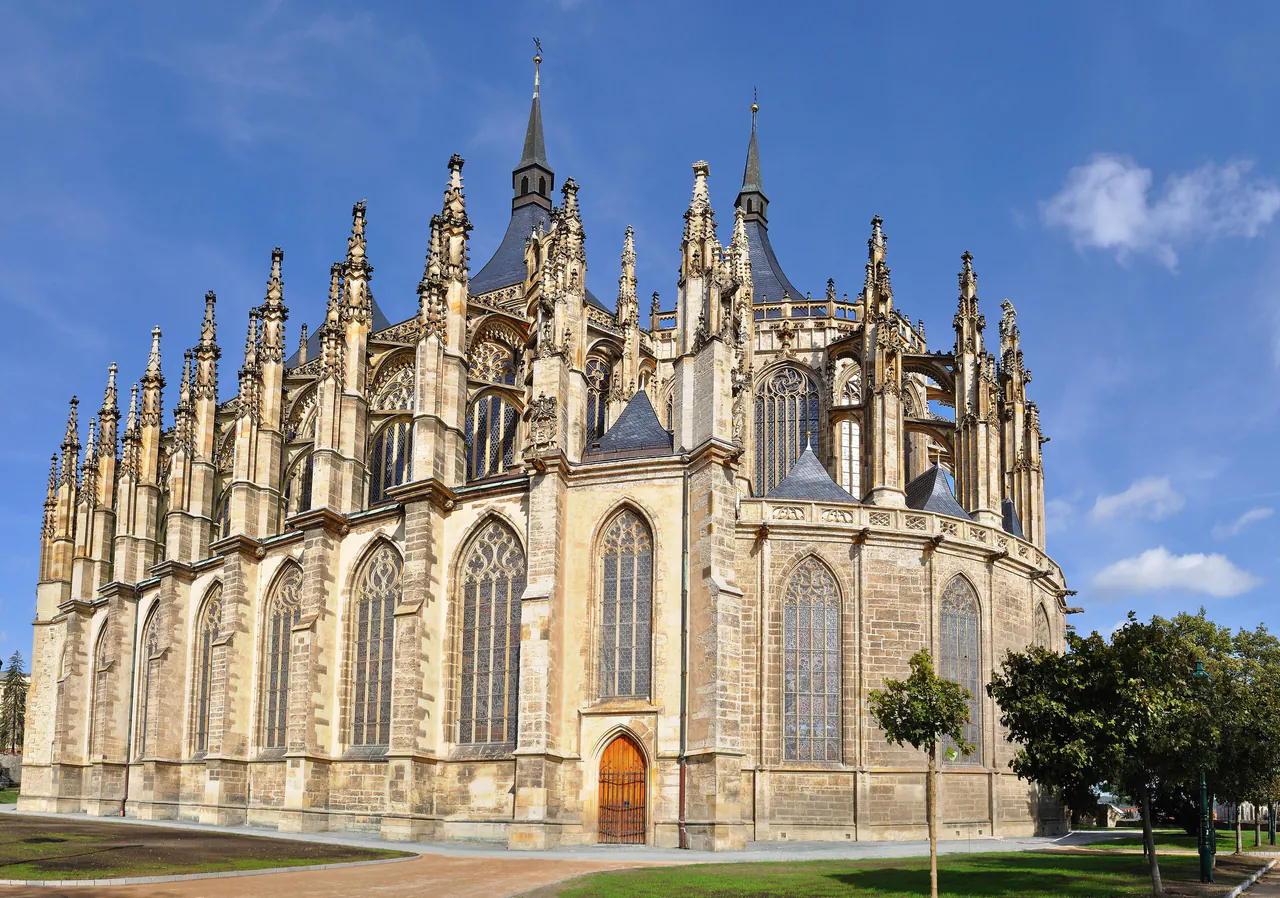
You'll experience two very different moods. The Sedlec Ossuary is the heavy one. It’s a subterranean chapel made of human bones. The chandelier alone uses every bone in the human body. It's a blunt lesson in mortality. Then you'll move to the majesty of St. Barbara's Cathedral. This late-Gothic masterpiece is dedicated to the patron saint of miners. It’s a huge contrast to the bone church. Navigating this history is better with a local guide. They connect the dots between the silver mines and the social shifts of the Middle Ages. You can focus on the haunting beauty and the staggering history. The guide handles all the ticketing and logistics.
The Bohemian Rail Journey: Transitioning from Capital to Countryside
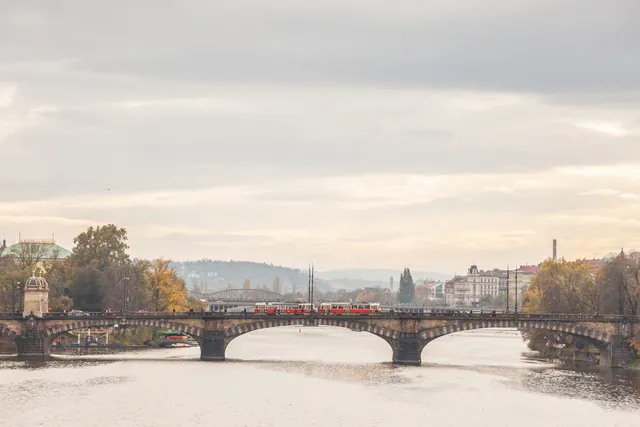
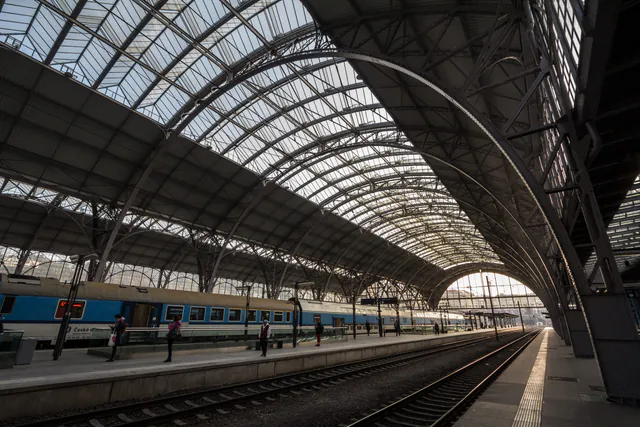
Your trip starts at Prague Main Railway Station (Praha hlavní nádraží). It’s a massive hub where a 1970s underground concourse meets an impressive 1909 Art Nouveau terminal. You’ll meet at the České dráhy ticket office on Level -2. Going by train is smart. It gets you out of the city chaos and into the quiet Bohemian countryside. You'll see agricultural plains and thick forests flash by. These are the same trade routes used for eight centuries. A quick trip.
The ride takes about an hour to cover 62 kilometers. Your guide won't let that time go to waste. You'll hear about the kingdom’s massive silver rush while you watch the hills roll past. They'll tell you how a quiet abbey sat on the richest silver vein in Europe. By the 13th century, this place was crawling with German miners and rich merchants. You’ll arrive ready for the history. It's a short ride that feels like going back in time.
Decoding the Sedlec Ossuary: A Macabre Masterpiece of Memento Mori
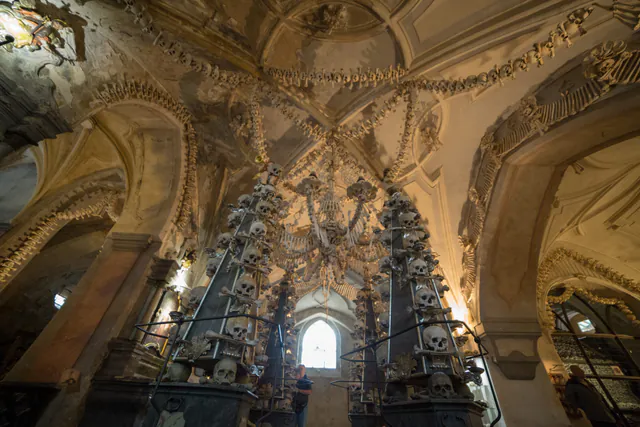
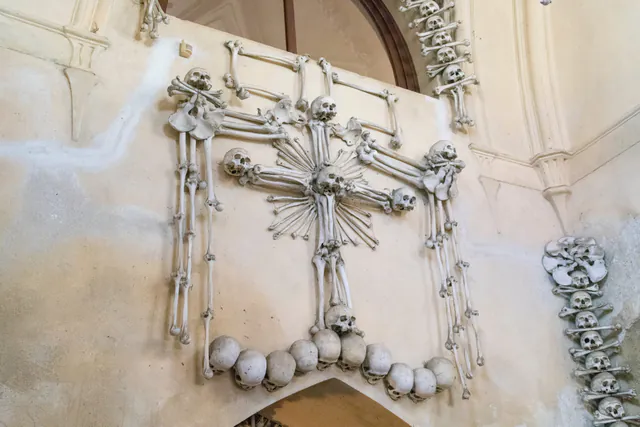
The Sedlec Ossuary is unlike anything else on earth. It’s a strange mix of deep religion and radical art. In 1278, an abbot named Henry brought soil back from Golgotha in Jerusalem. He scattered it here. Suddenly, every noble in Central Europe wanted to be buried in this dirt. It became the most holy ground around.
The cemetery ran out of space fast. Thousands of bodies had to be dug up to make room for more. Legend says a half-blind monk started stacking the bones into pyramids in the 1500s. But the wild stuff you see now came later. Architect Jan Blažej Santini-Aichl added some Baroque-Gothic flair in the early 1700s. Then, in 1870, a woodcarver named František Rint bleached and arranged 40,000 skeletons. He turned them into the garlands and ornaments you see today. Worth every forint.
Gothic Grandeur and Royal Wealth: St. Barbara and the Italian Court
If the Bone Church is about death, St. Barbara’s is about cold, hard cash. This cathedral was a massive flex by the local silver mine owners. They didn't want the church or the king telling them what to do. So they paid for it themselves starting in 1388. They wanted it to be bigger and better than St. Vitus in Prague. It was an aggressive move.
The Parler family built this. They’re the same master builders who worked on Prague’s cathedral. You can see their style in the flying buttresses and the complex vaulting inside. But look at the walls. You won't just see saints. You’ll see 15th-century frescoes of minters making coins. You’ll see miners in white leather aprons. They worked 14-hour days in the dark to pay for all this gold and glass. It's a tribute to the people who actually built the city. You'll see the grueling reality of the local medieval economy.
The Gastronomic and Cultural Landscape: Engaging with Authentic Bohemia
You'll get an hour of free time to find some real Czech food. Use it. This is your chance to wander the quiet backstreets without a guide. It's a relief after the packed crowds of Prague. The historical center is protected by UNESCO, and it feels like it. You can actually hear your own footsteps on the stones.
Head straight to Restaurace Dačický. This tavern is the real deal for Bohemian cooking. Order the pečené vepřové koleno. It is a massive roasted pork knee served with dumplings and cabbage. It’s heavy, salty, and perfect. Kutná Hora also maintains a respected local brewing heritage. Navigating a sampler board of local, unpasteurized dark lagers is the best way to end the day. Don't skip the dark beer. It’s a comprehensive tasting experience that hits the spot.
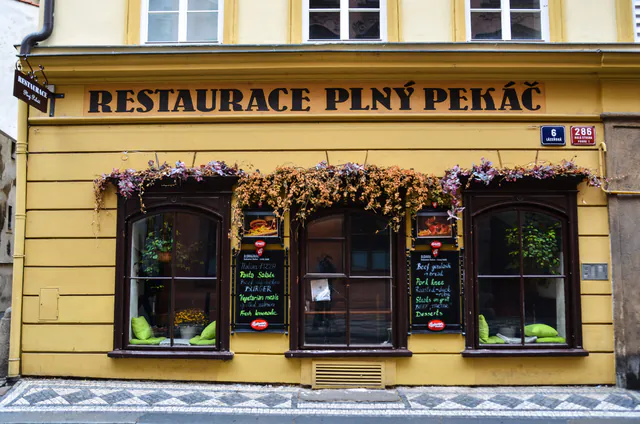
Discover More in Nové Město
Nearby Attractions
Nearby Hotels
Nearby Restaurants
Frequently Asked Questions
What is the cancellation policy for the Day Trip to Kutná Hora by Train from Prague?
What should I wear for the Day Trip to Kutná Hora by Train from Prague?
Does the Day Trip to Kutná Hora by Train from Prague run if it rains?
Are children welcome on the Day Trip to Kutná Hora by Train from Prague?
Are food and drinks included in the Day Trip to Kutná Hora by Train from Prague?
Is the Day Trip to Kutná Hora by Train from Prague accessible for people with limited mobility?
Experience Starts At
Location Guide
Nové Město (New Town)
Explore Nové Město