Wiener Zentralfriedhof
Landmark
About the Experience
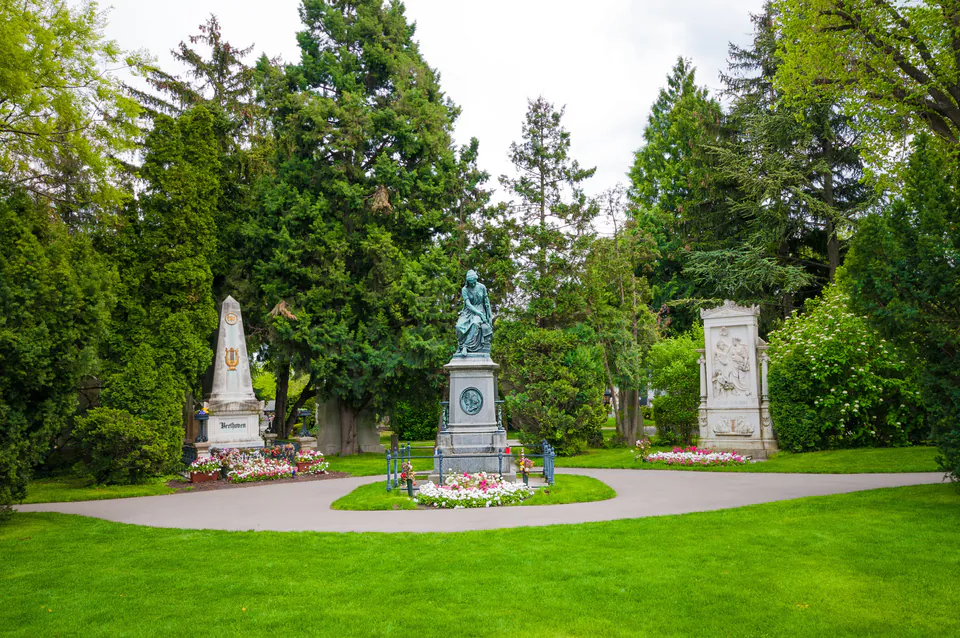
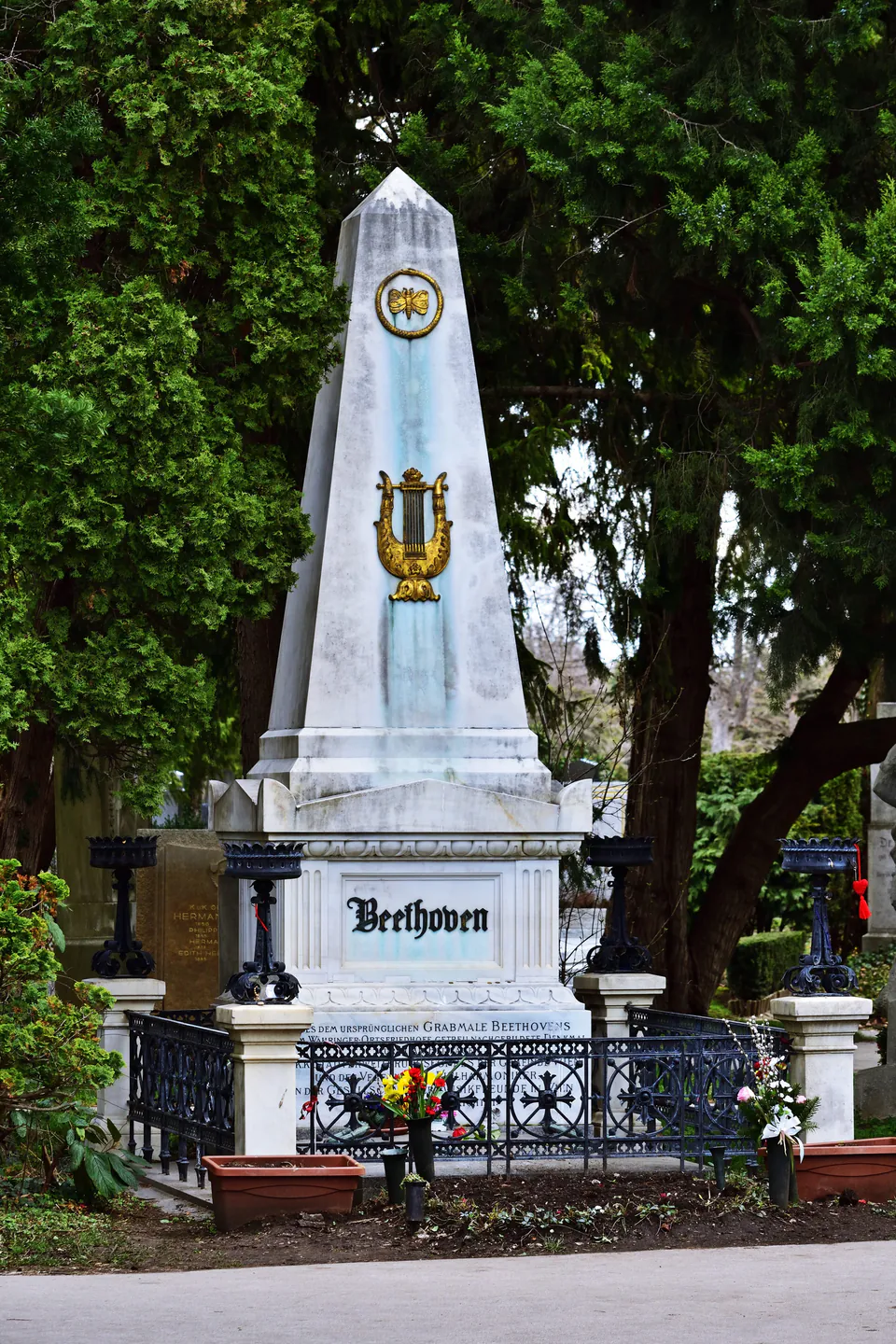
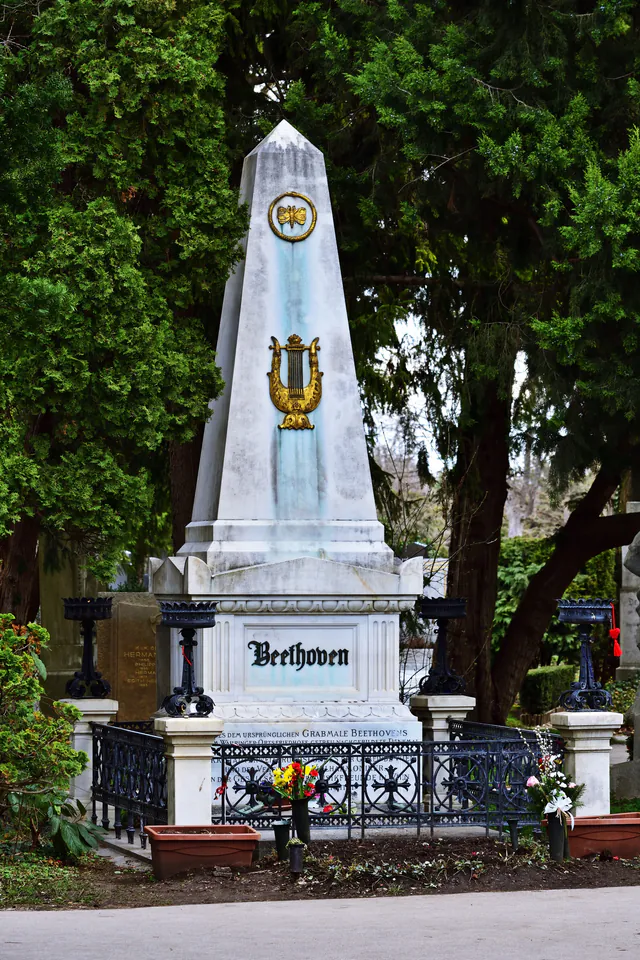
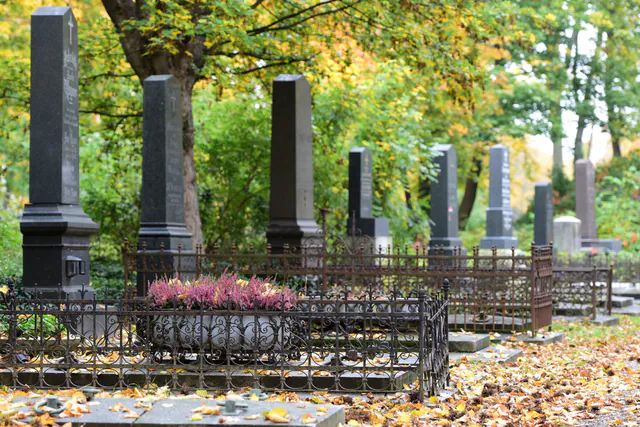
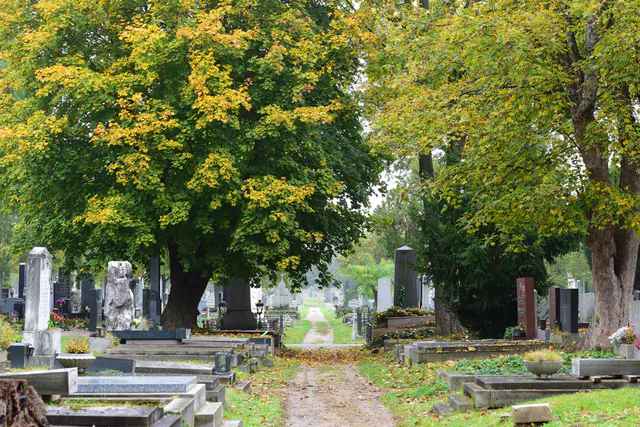
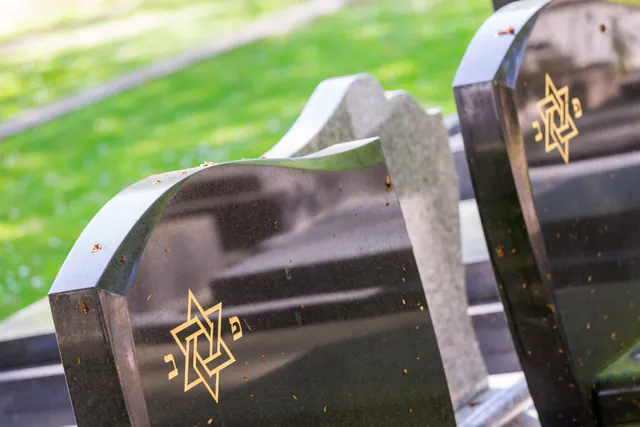
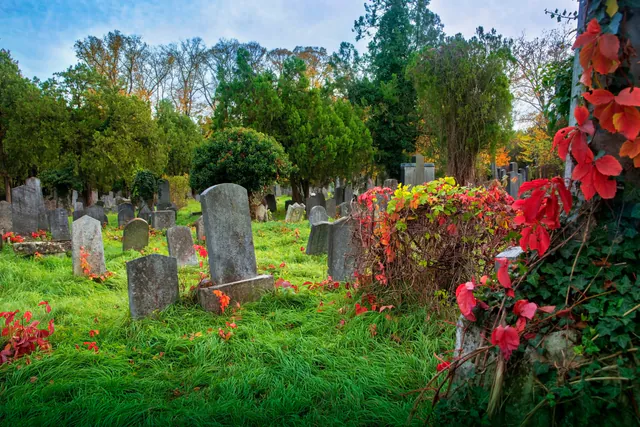
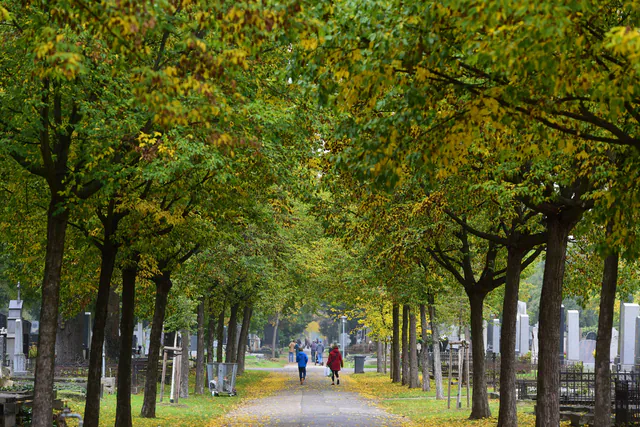
The Viennese don't just endure death. They cultivate it. At Wiener Zentralfriedhof, the city's obsession with a "schöne Leich" (a beautiful corpse) is on full display across 2.5 square kilometers of groomed gravel and overgrown ivy. It's the second-largest cemetery in Europe by area. Over three million people rest here. But don't expect a grim experience. This is a massive, silent park where locals jog, deer graze, and tourists hunt for the graves of musical titans. Head straight to Group 32A to find the heavy hitters. You'll see the monuments for Beethoven, Schubert, Brahms, and the Strauss family clustered together. Nearby, the glass-fronted grave of pop star Falco draws a different, younger crowd. The vibe changes as you walk. One minute you're under the massive Art Nouveau dome of the main church, and the next you're in the Old Jewish Cemetery, where nature is slowly reclaiming the tilted stones. It's an atmospheric, essential stop that feels more like a living forest than a city of the dead.
Photos
History & Significance
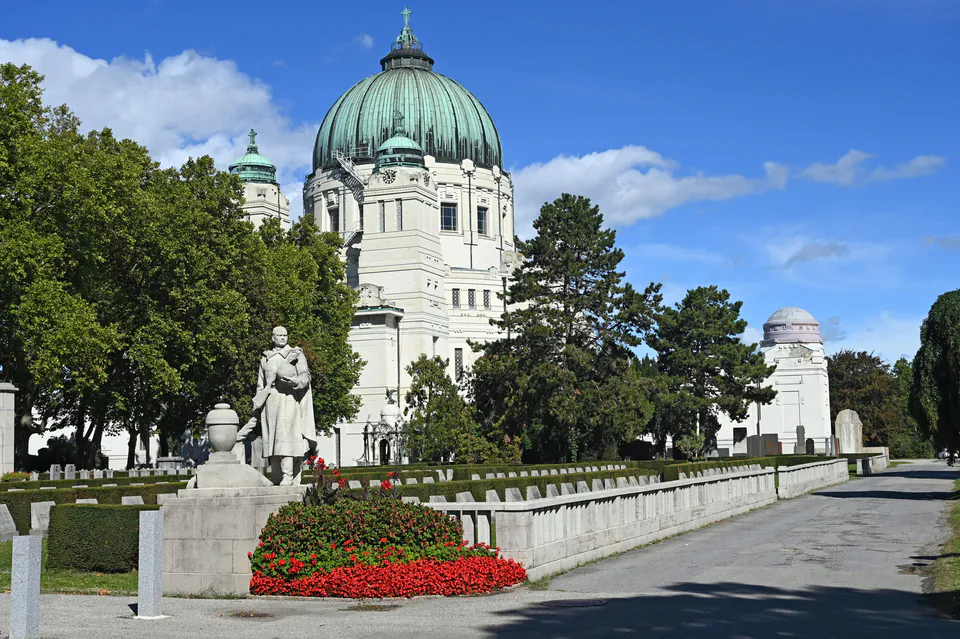
Vienna grew too fast for its old churchyards. In 1863, the City Council ordered a massive new site on the outskirts to handle the bodies. Architects Karl Jonas Mylius and Alfred Friedrich Bluntschli won the design contest, envisioning a space for all faiths. It opened at dawn on October 31, 1874. Jakob Zelzer was the first resident, buried the following day. At first, the site was too far away for most locals to care. To fix the PR problem, the city started digging up famous people like Beethoven and moving them here to create "Graves of Honor" in the 1880s. Max Hegele added the crowning touch between 1908 and 1911 with the St. Charles Borromeo Cemetery Church. It survived WWII bombs, saw seven expansions, and remains the city's ultimate final address.
The Architecture
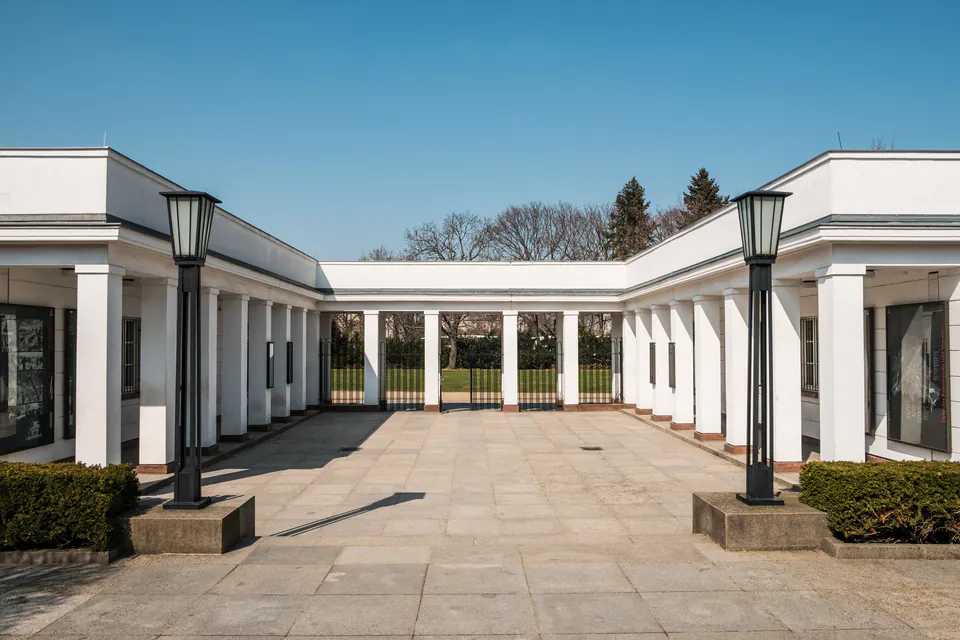
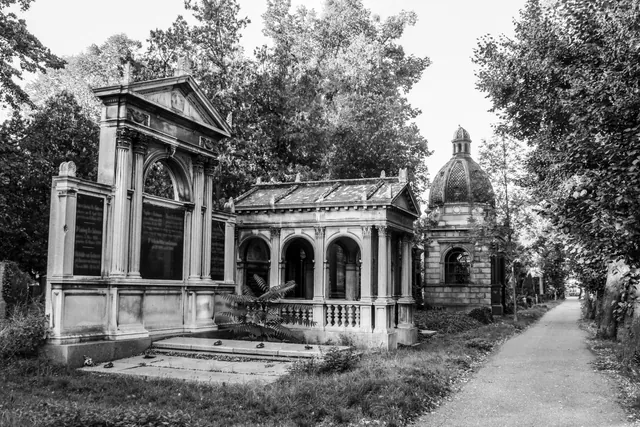
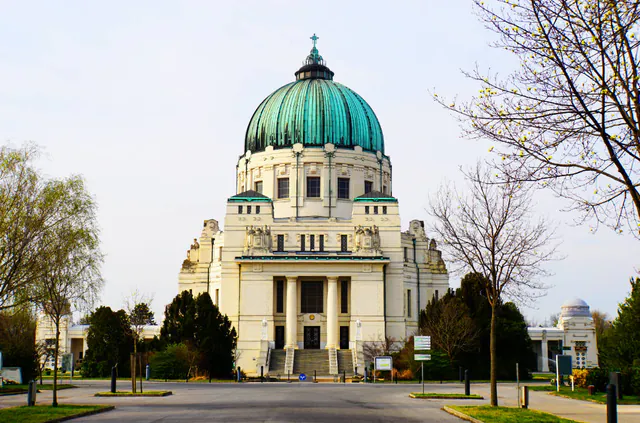
Your entry point is Tor 2 (Gate 2). Max Hegele designed this portal in 1905, and it’s a masterclass in Art Nouveau. The pylons and sweeping administration buildings feel more like a palace than a graveyard. Walk the main axis to the St. Charles Borromeo Cemetery Church. People used to call it the Dr. Karl Lueger Memorial Church, but the name changed. Built between 1908 and 1911, its copper dome mimics the city's Baroque skyline but stays true to the floral, geometric roots of the Jugendstil movement. Look closer at the white facade and the twin clock towers. They’re stunning. Don't miss the Old Arcades near the entrance. They hold crypts with weeping stone angels and ironwork that belongs in a museum. Across the street, the 1922 crematorium by Clemens Holzmeister looks like a jagged, oriental fortress. It’s a sharp contrast to the soft curves of the main church.
The Surrounding Area
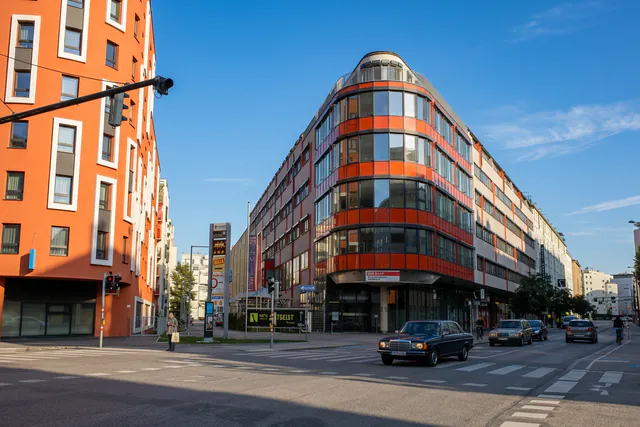
You’re out in the 11th district of Simmering, which isn't exactly a tourist hub. But the cemetery is its own ecosystem. Start at the Bestattungsmuseum near Gate 2. It moved here in 2014 and explains the local love for a grand exit. You'll see reusable coffins and vintage hearses. The cemetery also doubles as one of Vienna's best parks. There’s a marked "Silent Run" trail for joggers. You'll see people on bikes and families walking under the ancient trees. It’s not spooky. It’s a green lung. If you want nature, get to the Old Jewish Cemetery. It’s been left to go wild for decades. Ivy chokes the stones. This is where the roe deer, badgers, and kestrels live. It’s a quick tram ride from the Ringstraße, but it feels like a different century.
Essential Visitor Tips
- **Ride the 71 tram
** Catch the 71 from the Ringstrasse to 'Zentralfriedhof 2. Tor'. It's such a permanent trip that locals use 'taking the 71' as shorthand for kicking the bucket.
- **Locate the musical legends
** Snag a map at the gate and walk to Group 32A. This is where the big names like Beethoven, Schubert, and the Strauss family are gathered.
- **Spot the local wildlife
** Look for roe deer and the fat, strangely bold European field hamsters. They hang out in the quiet, overgrown corners of the Old Jewish Cemetery.
- **Explore the Funeral Museum
** Hit the Bestattungsmuseum near Gate 2. It’s a deep dive into Vienna’s morbid streak and has a gift shop selling LEGO cremation sets.
- **Dress for a long walk
** This place is huge. Wear real shoes. If your feet give out, you can rent an e-bike or download the audio guide to keep your bearings.
Best Time to Visit
"Go in spring or autumn to avoid the midday heat. Early morning is your best bet if you want to see the deer and hamsters before the crowds arrive."
Frequently Asked Questions
How do I get to Wiener Zentralfriedhof from the Vienna city center?
Which famous composers are buried at Wiener Zentralfriedhof?
Can you see wildlife at Wiener Zentralfriedhof?
Is there a way to get around Wiener Zentralfriedhof without walking?
Is photography allowed inside Wiener Zentralfriedhof?
What can I see at the Bestattungsmuseum at Wiener Zentralfriedhof?
What should I wear when visiting Wiener Zentralfriedhof?
Are there any places to eat near Wiener Zentralfriedhof?
What are the opening hours of Wiener Zentralfriedhof?
How much does it cost to visit Wiener Zentralfriedhof?
How long should I spend at Wiener Zentralfriedhof?
Is Wiener Zentralfriedhof wheelchair accessible?
Quick Facts
The Neighborhood
10th District: Favoriten
Read Guide