Secession Building (Secessionsgebäude)
Gallery
About the Experience
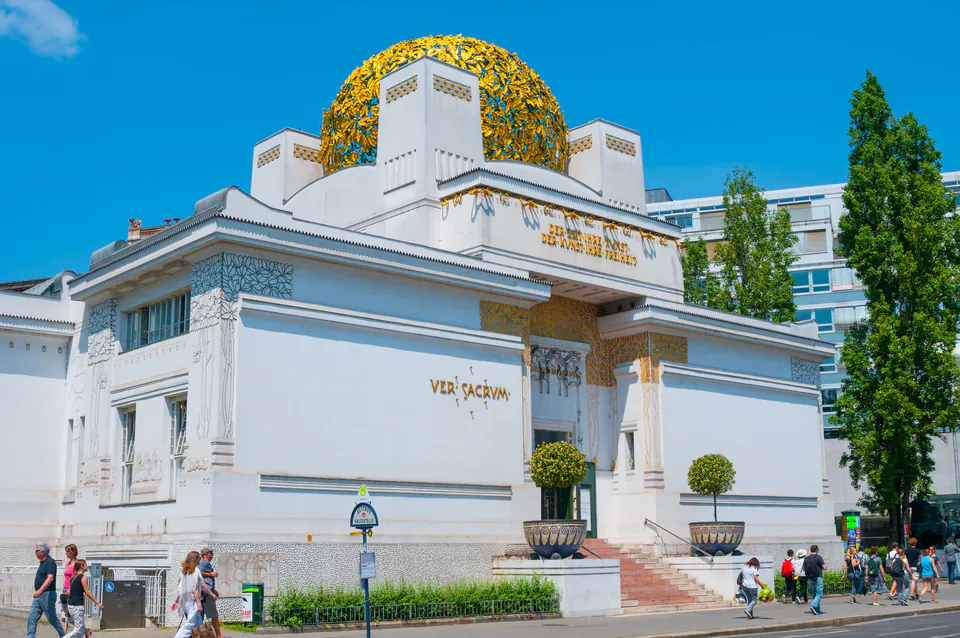
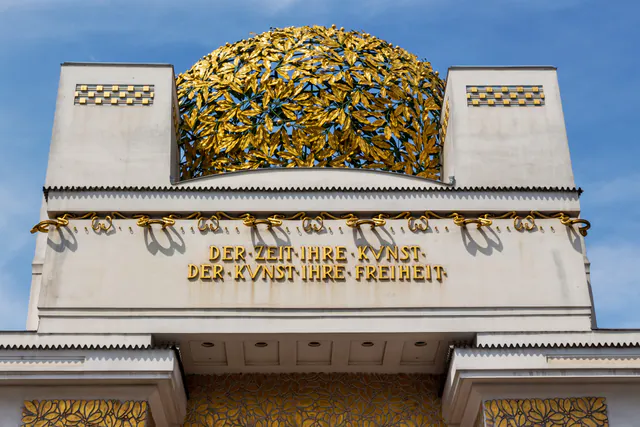
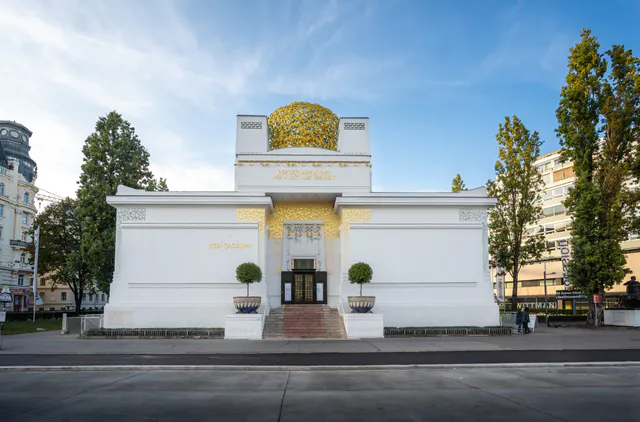
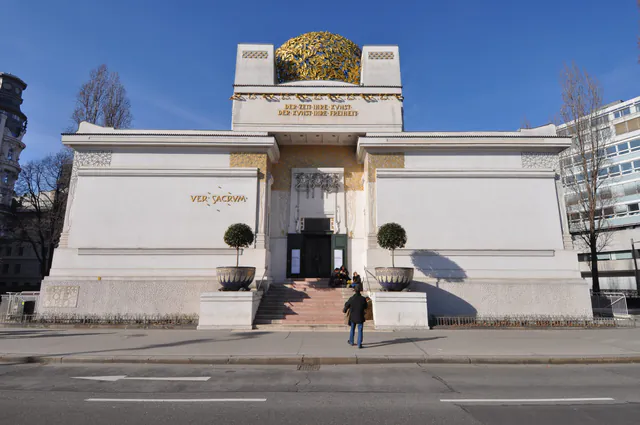
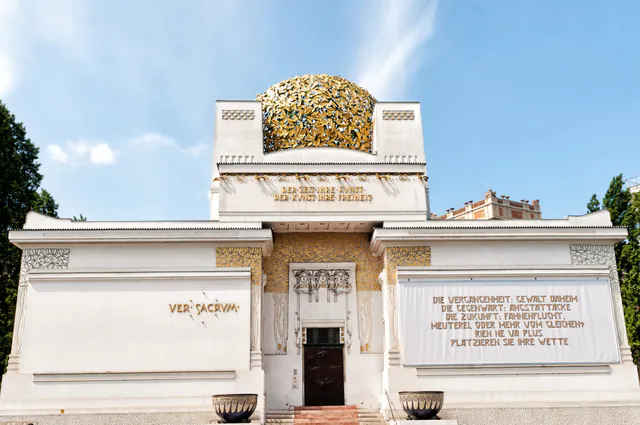
Rising near the Naschmarkt, the Secession Building (Secessionsgebäude) is a middle finger to 19th-century tradition. It’s an Art Nouveau masterpiece that screams independence. You'll spot it instantly by the dome of 2,500 gilded iron laurel leaves. Locals call it the "golden cabbage," but it's a serious declaration of war against the boring baroque styles of Vienna's First District. This white, geometric cube was built for a crew of rebels. In 1897, Gustav Klimt and his friends walked out on the conservative art establishment to start the Vienna Secession. They needed a stage for their progressive ideas, and architect Joseph Maria Olbrich gave them this "temple of art." Check the gold lettering above the door: "To every age its art. To art its freedom." That isn't just a motto. It's the law here. Today, it operates as an artist-run hall for contemporary work. You'll find rotating exhibits inside the modular, light-filled galleries upstairs. But the real reason you're here is in the basement. Downstairs sits Klimt's 34-meter-long Beethoven Frieze. It wraps around three walls in a quiet, climate-controlled room. It's a gold-leafed, symbolic interpretation of humanity's struggle for happiness. Seeing those massive, shimmering panels in person is a mandatory pilgrimage for anyone in the Austrian capital.
Photos
History & Significance
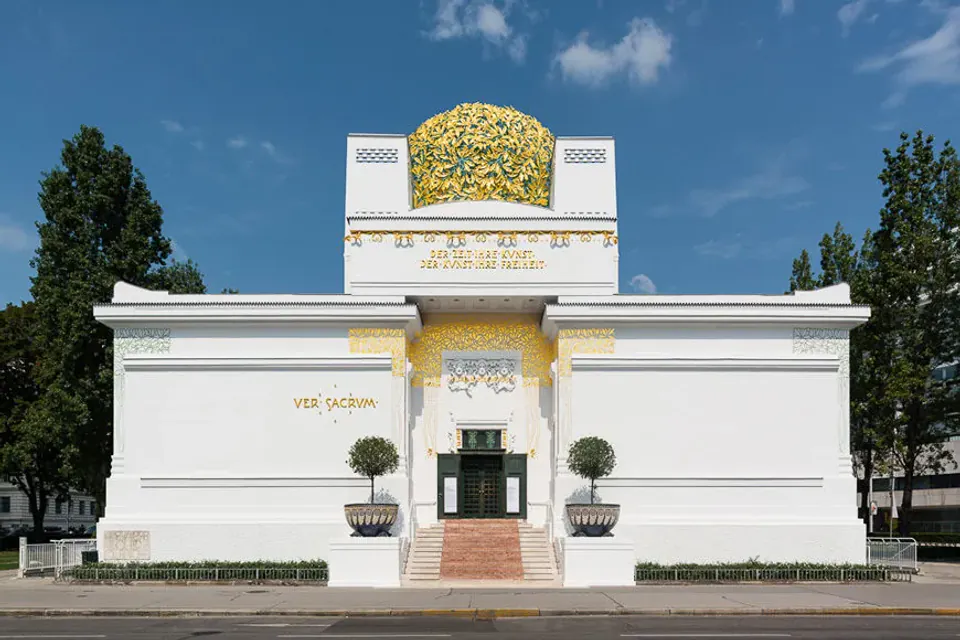
The Vienna Secession kicked off on April 3, 1897. Gustav Klimt, Koloman Moser, and Josef Hoffmann led a walkout from the stuffy Association of Austrian Artists to do their own thing. They hired Joseph Maria Olbrich to build a home for their new movement on land gifted by the city. It went up fast. The doors opened in November 1898 after only six months of construction. In 1902, the building hosted its most famous party: the 14th Secession exhibition. It was a massive tribute to Ludwig van Beethoven. Klimt painted his famous frieze specifically for that show. It was supposed to be temporary, but someone had the sense to save it. History wasn't always kind to the site. Allied bombs and a fire gutted the place in 1945 during the final weeks of WWII. It took decades to fix, but a massive 1984 renovation by Adolf Krischanitz brought it back to its 1898 glory, including a fresh coat of gold for that iconic dome.
The Building
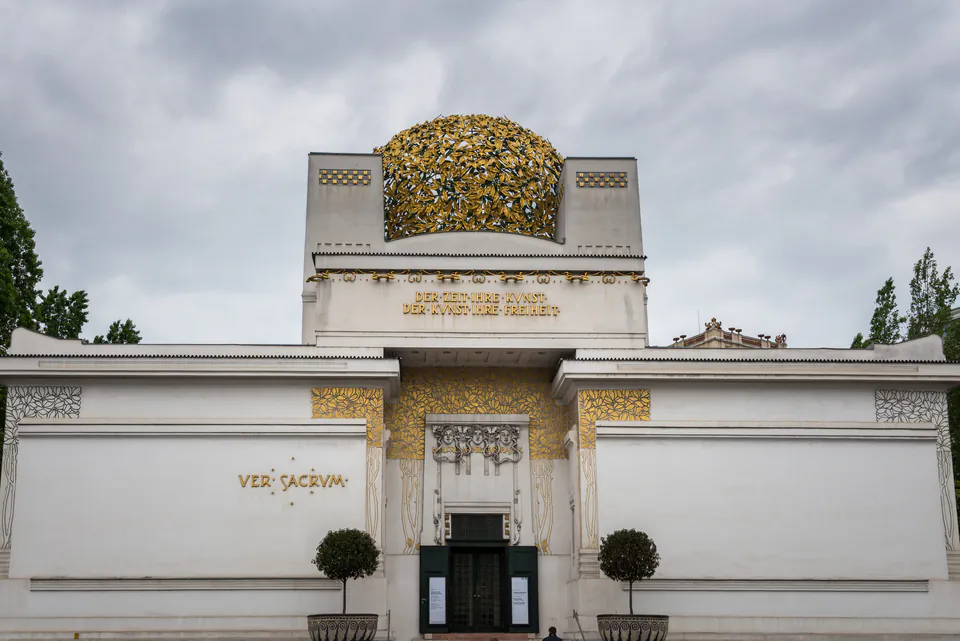
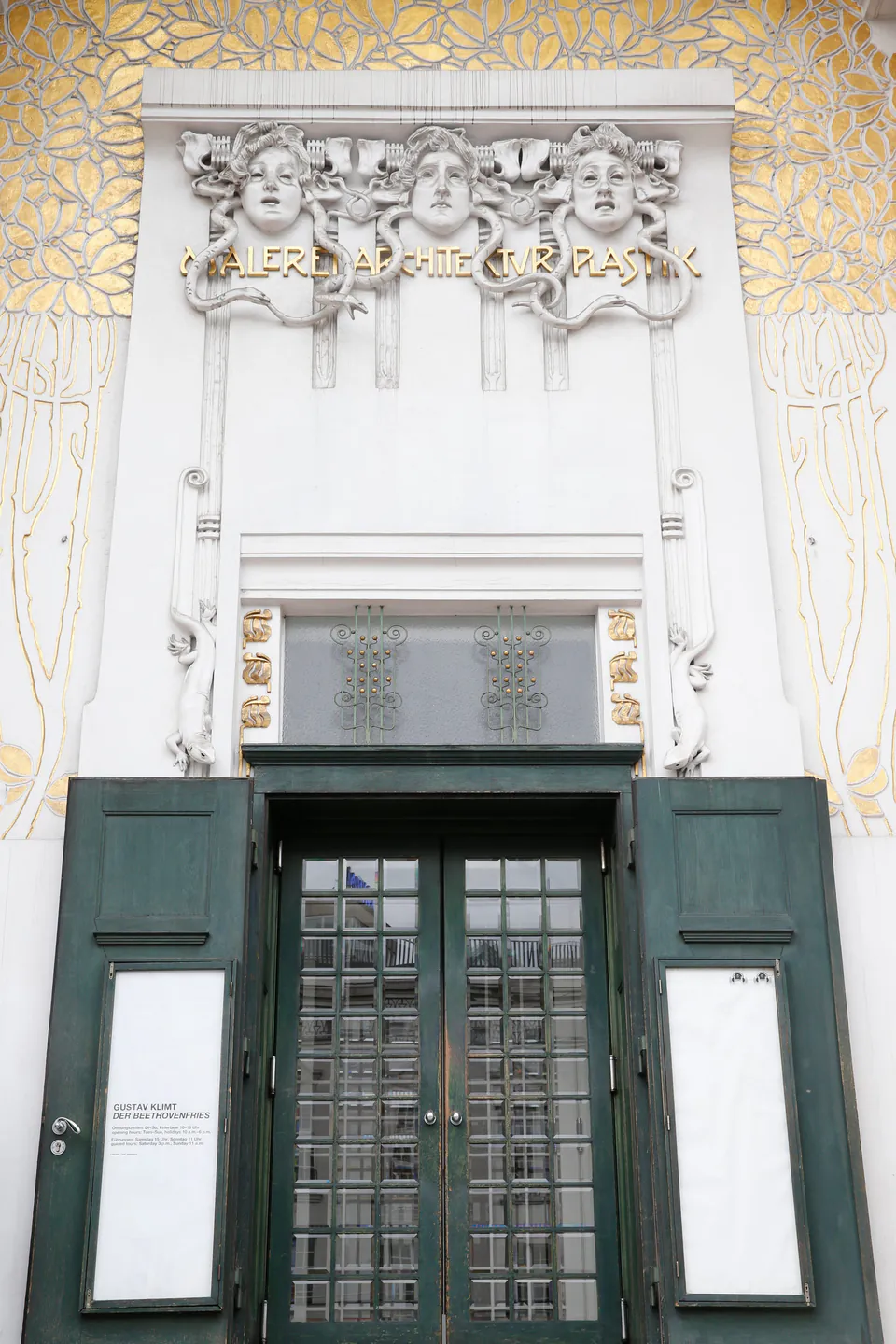
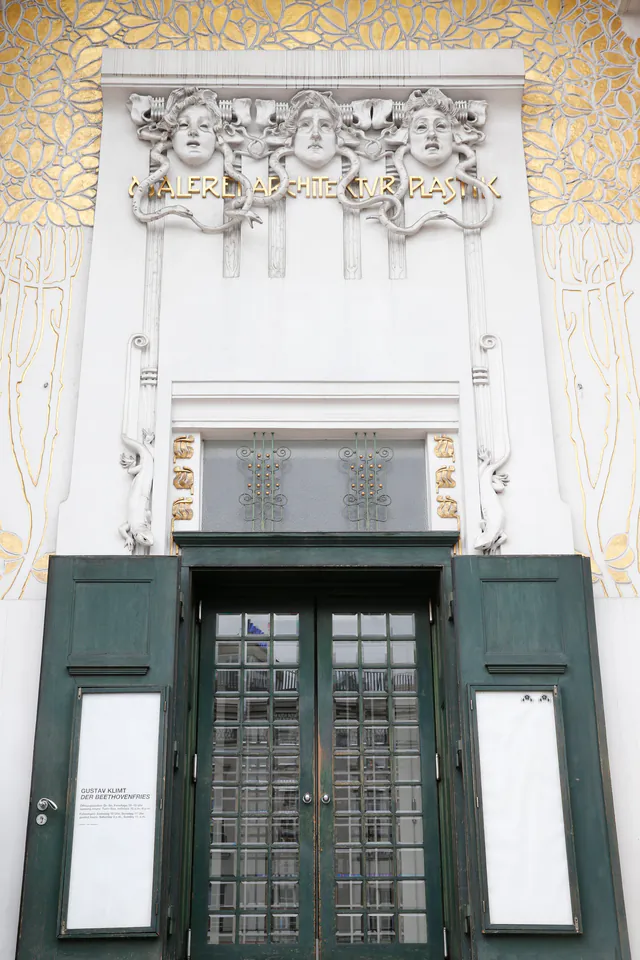
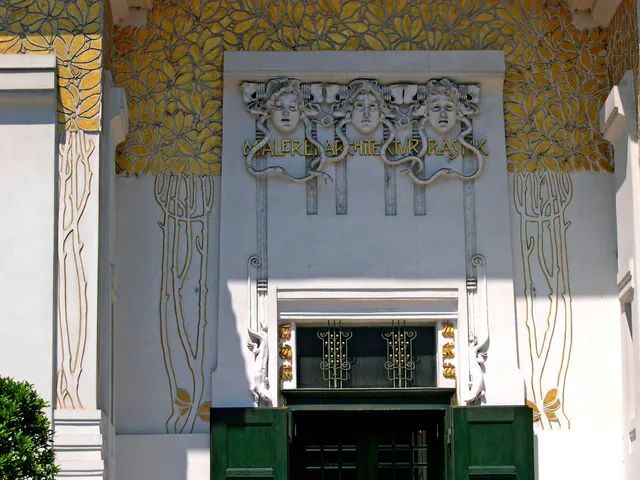
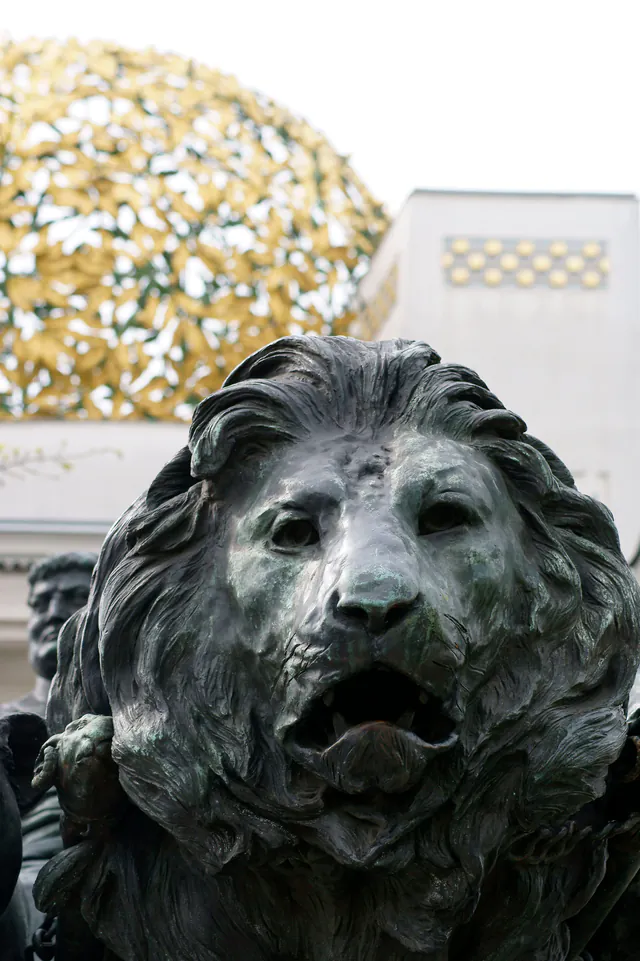
Joseph Maria Olbrich was a student of the great Otto Wagner, and it shows. He designed the Secession Building as one of the first dedicated homes for modern art. He ditched the heavy, fussy carvings of the 1800s for flat white walls and sharp lines. It feels like a temple. The star of the show is the cupola. It's a sphere of 2,500 gilded leaves and 300 berries. It caught plenty of heat when it first appeared. Critics hated it, but the laurel leaves were meant to symbolize victory. And victory looks good in the sun. Look closer at the details. You'll see three gorgon heads on the facade representing painting, architecture, and sculpture. Koloman Moser added owl motifs on the side walls to honor Athena. From the heavy bronze doors to the stone planters shaped like turtles, everything was designed to be one unified work of art. It’s a total aesthetic experience before you even buy a ticket.
Must-See Exhibits
The ground floor keeps things fresh with a rotating schedule of new work, but the basement holds the permanent heavy hitter. You're here for Gustav Klimt’s Beethoven Frieze. It’s a 34-meter mural painted in 1902 to go along with Beethoven’s Ninth Symphony. Klimt used casein colors, stucco, and gold leaf. He expected it to be scrapped when the show ended. Thankfully, it was peeled off the walls and eventually moved to this custom-built gallery. The mural follows a narrative across three walls. Start on the left with the floating figures representing the search for happiness. The middle wall is where things get dark. It's called "The Hostile Forces." You'll see the giant Typhoeus, his Gorgon daughters, and figures representing madness and death. It’s heavy, symbolic stuff. The story ends on the right wall with a win for the arts. It finishes with a massive embrace and a choir of angels. That’s Klimt’s version of the "Ode to Joy." Between the gold leaf and the semi-precious stones, it’s a hypnotic sight. Don't rush it.
Tours & Experiences Nearby
Top-rated tours and experiences starting near Secession Building (Secessionsgebäude).
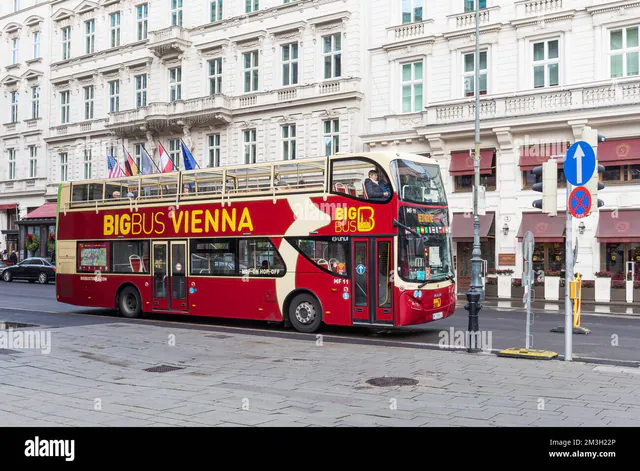
 bus tour
 experience
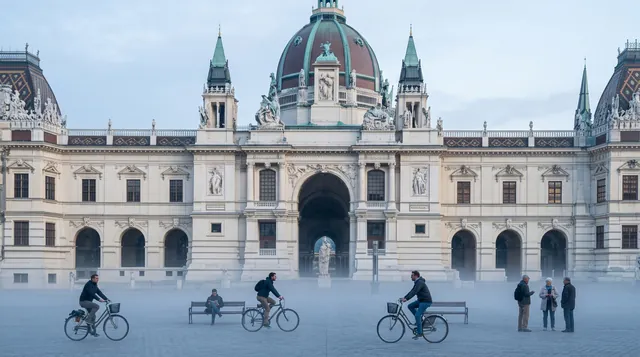 bike tour
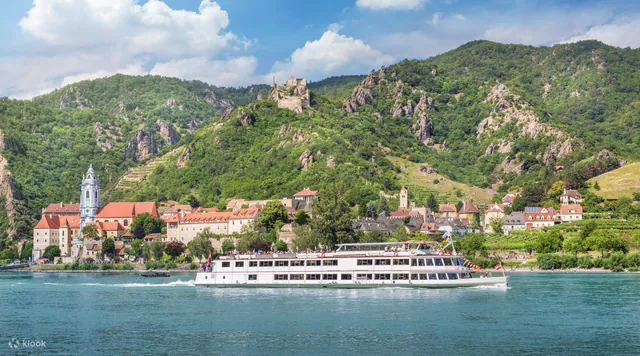 day trip
Essential Visitor Tips
- Go on Wednesday
Admission to the entire building is totally free on the first Wednesday of every month. Arrive early.
- Pay for the audio guide
The €3 guide is worth every cent. You won't understand Klimt’s weird symbolism in the Beethoven Frieze without it.
- Buy the honey
The roof has its own beehives. Look for the 'city honey' in the gift shop—it's produced right above the art.
- Beat the crowds
Hit the basement right at 10:00 AM on a Tuesday or Thursday. You’ll get the Klimt mural to yourself for at least ten minutes.
- Eat at the market
The Naschmarkt is across the street. Skip the tourist traps and grab a falafel wrap or some local cheese for lunch after your visit.
Best Time to Visit
"Get here on a weekday morning for some peace and quiet with the frieze. If you're on a budget, the first Wednesday of the month is free, but expect crowds."
Nearby Hotels
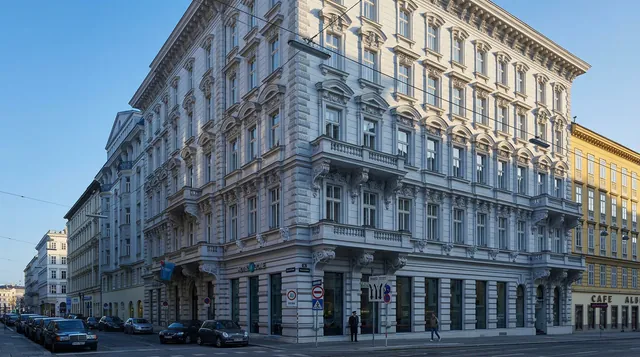
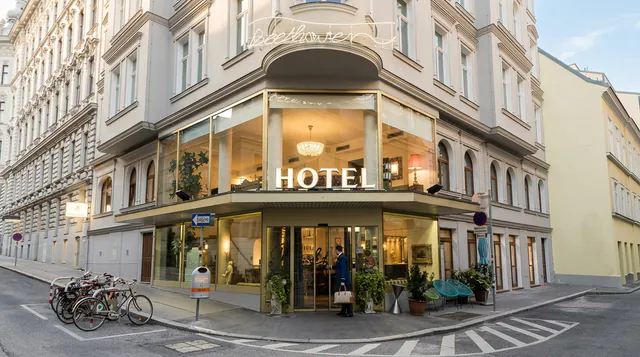
3 min walk (218m)
Ballet and opera-inspired interior design featuring tutu lamps and bespoke ballerina chairs · Protected late 19th-century historic building with meticulously restored original stucco
Price From €120/night
3 min walk (262m)
Weekly classical chamber music concerts on a historic Bösendorfer grand piano · Award-winning Lvdwig Bar serving signature craft cocktails
Price From €165/night
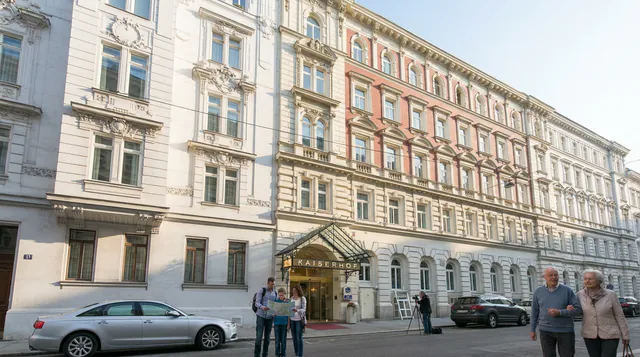
5 min walk (383m)
Award-winning imperial Austrian breakfast buffet with extensive dietary options · Allergy-friendly ECARF-certified rooms with specialized air filters and flooring
Price From €220/night
Nearby Restaurants
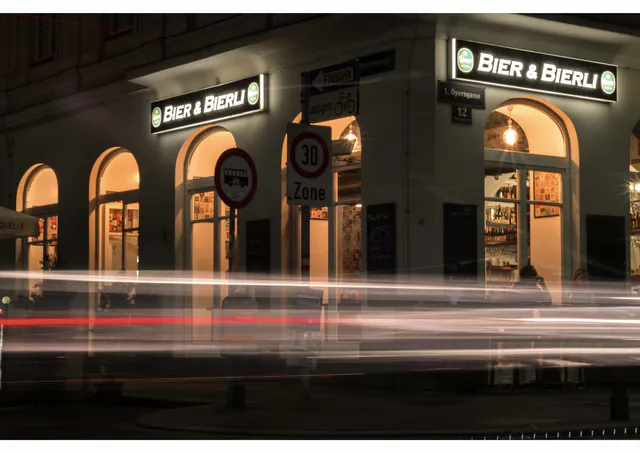
Bier & Bierli
International Casual • Moderate
Don't let the tuxedoed crowds at the State Opera across the street fool you. Bie...
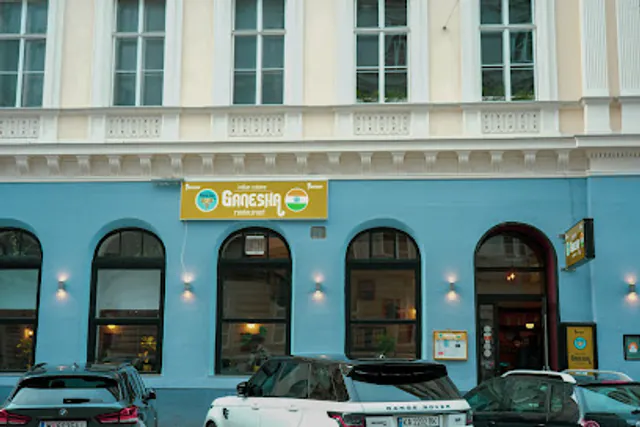
Ganesha Indian Cuisine
Asian Casual • Moderate
Walk off Eschenbachgasse and you'll hit a wall of toasted cumin and simmering gh...
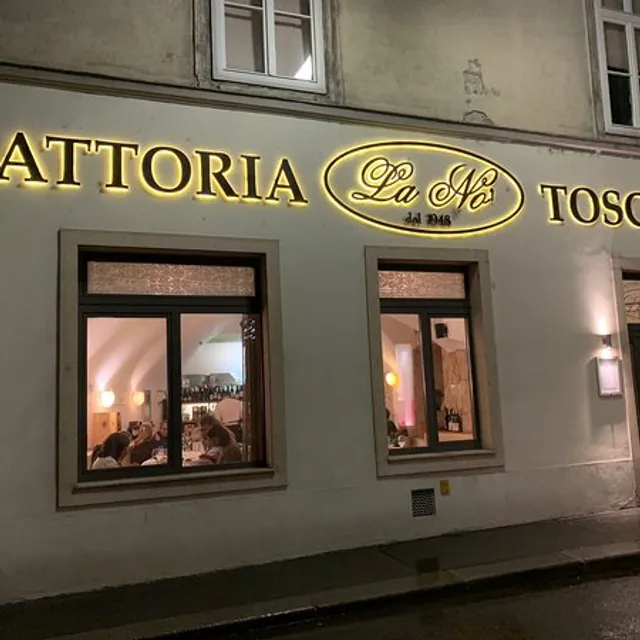
Trattoria Toscana La No
Italian Bistro • Upscale
Forget the generic pasta joints cluttering the First District. Trattoria Toscana...
Frequently Asked Questions
How do I get to the Secession Building using public transport?
Why is the Secession Building dome nicknamed the golden cabbage?
Is photography allowed inside the Secession Building?
What is the most famous artwork to see at the Secession Building?
What should I see near the Secession Building?
Is there a dress code for visiting the Secession Building gallery?
Can I visit the Secession Building for free?
What does the inscription on the front of the Secession Building mean?
What are the opening hours of Secession Building (Secessionsgebäude)?
How much does it cost to visit Secession Building (Secessionsgebäude)?
How long should I spend at Secession Building (Secessionsgebäude)?
Is Secession Building (Secessionsgebäude) wheelchair accessible?
Quick Facts
The Neighborhood
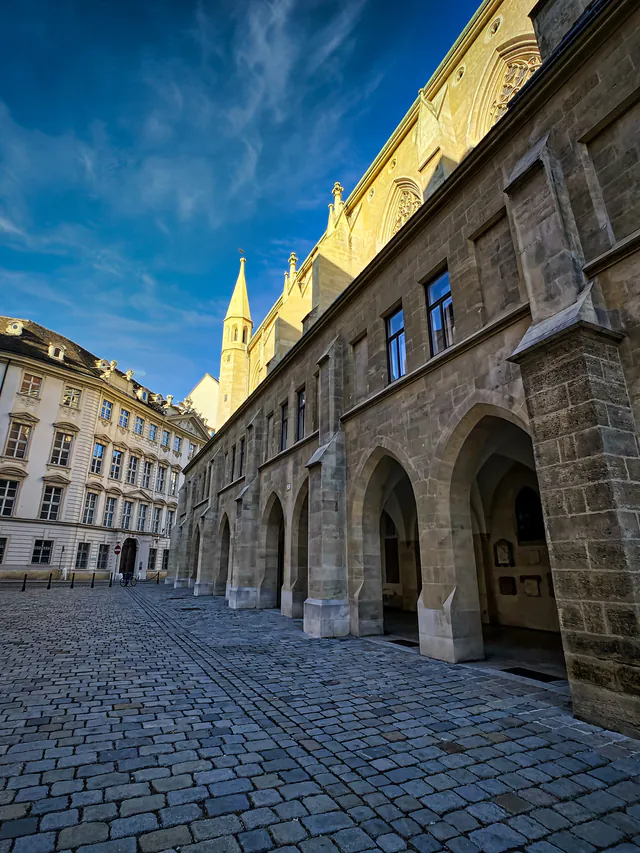
1st District: Innere Stadt
Read Guide