Prague Weather Guide: Climatological Dynamics & Seasonal Strategies
Written by
Nils Johansson | Founder
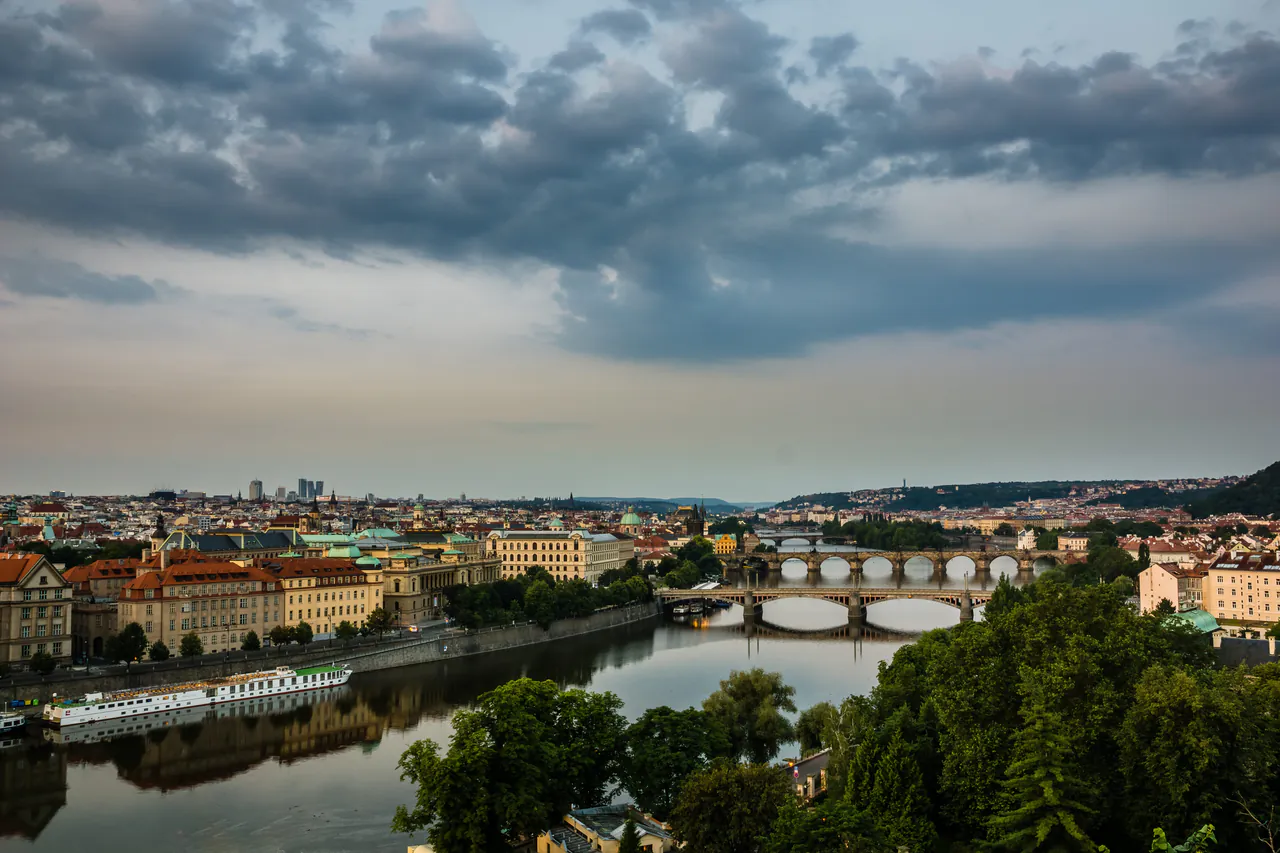
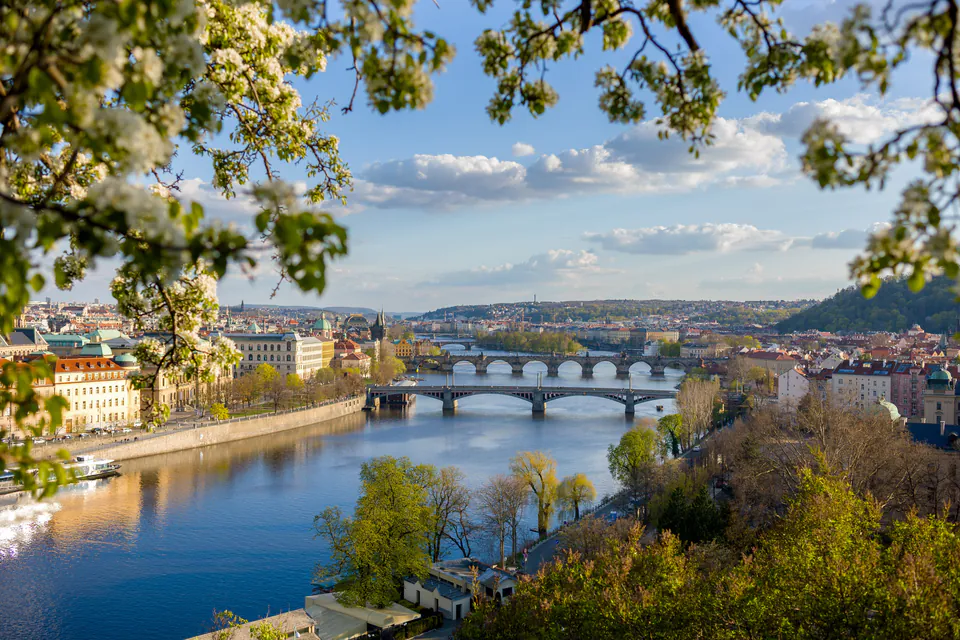
Prague sits in a shallow basin split by the Vltava River. You'll deal with a classic Central European climate here. Expect sharp seasons. One month, you're shivering through thick fog beneath Gothic spires. The next, you're nursing a cold pilsner in a shaded beer garden. Weather runs this city. It dictates the rhythm of the streets. In January, nights bottom out at -3°C. It's cold. But by May, the gloom breaks for cherry blossoms on Petřín Hill. June brings 16 hours of daylight. Watch for the afternoon storms. They hit hard and fast. Autumn is better. You get golden light, vineyard harvests, and fewer crowds. Walking is the only way to see the UNESCO core. But these are ancient cobblestones. They get slick in the rain. Pack solid waterproof shoes. Don't compromise on the soles. Whether you're here for the history or the beer, check the forecast first. It makes or breaks the trip. Strategic planning pays off here. Winter rates are low, but the wind bites. Summer is beautiful but packed. Pick your poison.
Photos
Climatological Rhythms: The Seasonal Anatomy of Prague
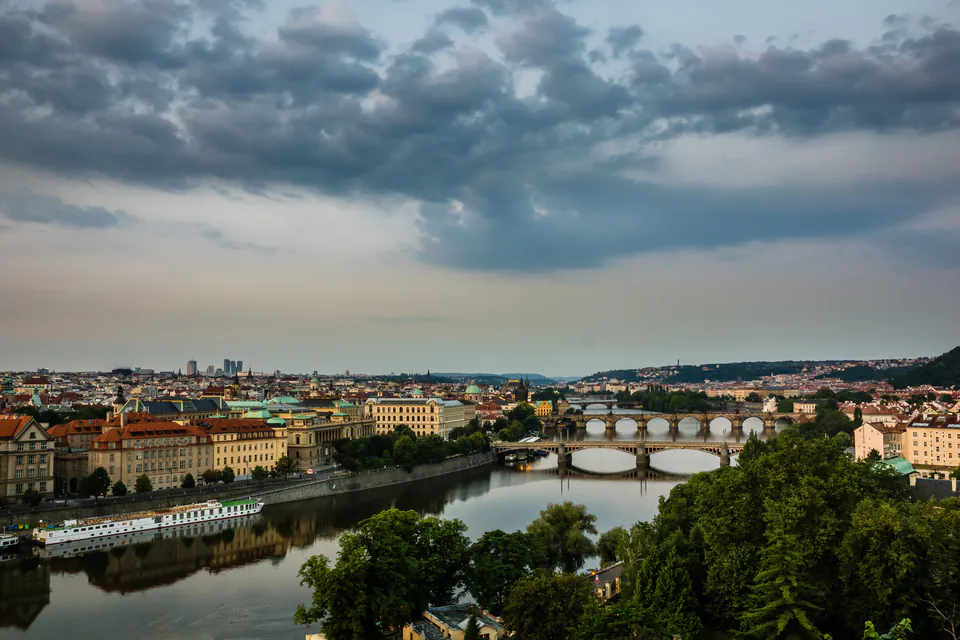
You need to plan for shifts. Prague doesn't do steady. Spring starts in March, but it's basically still winter then. By May, things heat up to 18°C. But don't get comfortable. May is actually the wettest month of the year with 69mm of rain. Carry a coat. Summer is when everyone shows up. It hits 25°C regularly. You'll have light until 21:00. It's great for long walks. But the storms are fierce. June averages ten days of rain. Most of it comes in heavy afternoon bursts. Then there's winter. January is the worst of it. Nights hit -3°C and days rarely pass 2°C. Pack your heaviest coat. Thermal insulation isn't optional. You'll need it when the damp wind comes off the Vltava.
Meteorological History: The Clementinum Legacy and Hydrological Resilience
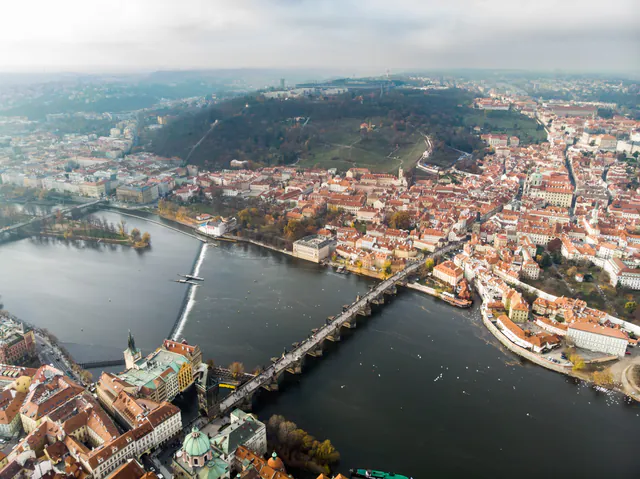
They've watched the sky here for a long time. The Clementinum has tracked weather since 1752. It’s one of the oldest records on earth. These logs show things are heating up. For instance, 2018 was the hottest year ever recorded in Prague. It beat records held for centuries. The river is the bigger threat. In August 2002, a massive flood wrecked the Karlín district. They had to move 50,000 people out fast. It was a disaster. Now, the city has 19 kilometers of defenses. They use clever mobile barriers in the center. This keeps the views clear but keeps the water out. It's smart engineering. They can put them up in hours based on river models. It keeps the history safe.
The Cultural Calendar: Aligning Travel with Seasonal Festivities
Time your trip right. Spring kicks off with Easter Markets in Old Town Square. You'll see hand-painted eggs and local street food. It's a good time to try woven willow whips. Then May brings the Prague Spring music festival. It’s the city's big cultural moment for classical fans. When the heat drops, the wine comes out. September is for Vinobraní. That's the harvest festival season. Go find some burčák (young wine) and listen to folk music. If you come in winter, it's all about the Christmas Markets. The air is freezing. But a cup of svařák (hot mulled wine) fixes that. Grab some roasted chestnuts and keep moving. The atmosphere is worth the cold.
Economic Seasonality: Strategic Budgeting and Accessibility Dynamics
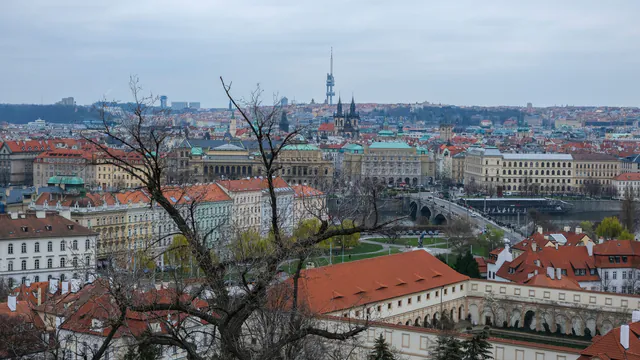
Summer is expensive. From June to August, prices skyrocket. Book your room two months early or you'll pay a premium. If you're on a budget, look for university dorms. They open up for cheap in the summer months. It's a smart move for backpackers. Winter is the real bargain. Come between January and March to save big. Prices drop by 40% compared to summer peaks. It’s cold, but your wallet will thank you. Get a Prague Visitor Pass if the weather turns. It gets you into museums and onto the heated trams. Use the transport to stay warm. It’s a solid value play. You'll see the same spires for a fraction of the cost.
Practical Tips
- 1Purchase a 72-hour public transit pass for 330 CZK to avoid exhausting long walks during extreme seasonal weather.
- 2Schedule arduous outdoor explorations, such as the steep ascent to Prague Castle, for the early morning during peak summer months.
- 3Prioritize thick-soled, waterproof footwear over aesthetic shoe choices to safely navigate slick, uneven cobblestones.
- 4Dress in easily removable layers to comfortably manage the sudden temperature shifts between heated historical interiors and freezing winter streets.
- 5Ascend the Old Town Hall Tower or Charles Bridge towers to capture optimal photography and escape the dense tourist crowds at street level.
- 6Seek out university dormitory accommodations in July and August to secure budget-friendly summer rates starting at just 550 CZK per night.
Top Attractions
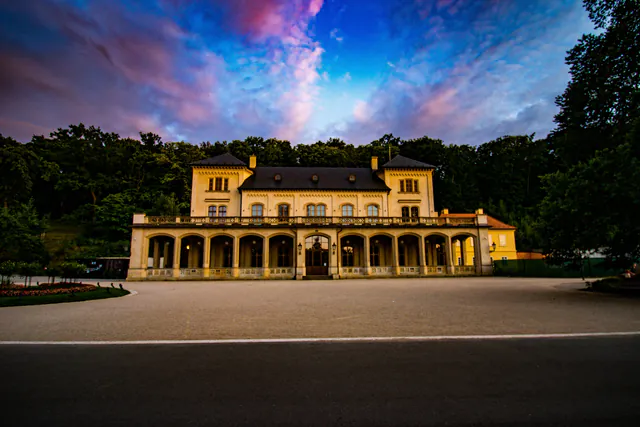
Spa Beerland Chateaux Praha
You'll find Spa Beerland Chateaux Prague in the quiet, winding streets of Nový Svět. It's a world away from the sweaty crowds on Charles Bridge. This place sits
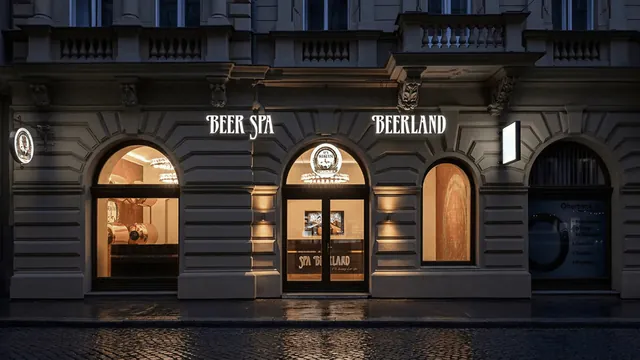
První pivni lázně Spa Beerland®
Prague loves beer. You know that. But you haven't lived until you've bathed in the stuff. Forget those sterile hotel spas with their white tiles and generic mus
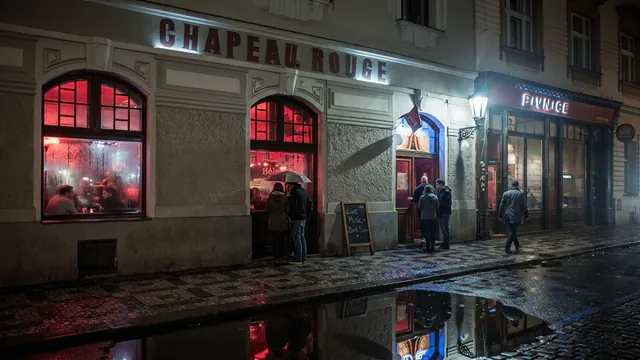
Chapeau Rouge
You'll find Chapeau Rouge tucked away on a side street in Prague’s Old Town. You won't find a glossy mega-club here. It's a gritty, red-lit institution that’s a
Where to Eat
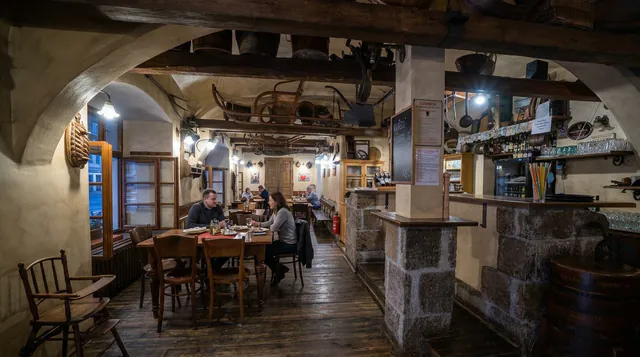
Restaurace Mlejnice
Prague's Old Town is a maze of cobblestone alleys that usually lead to overpriced tourist traps. Restaurace Mlejnice is the exception. You'll find it tucked awa
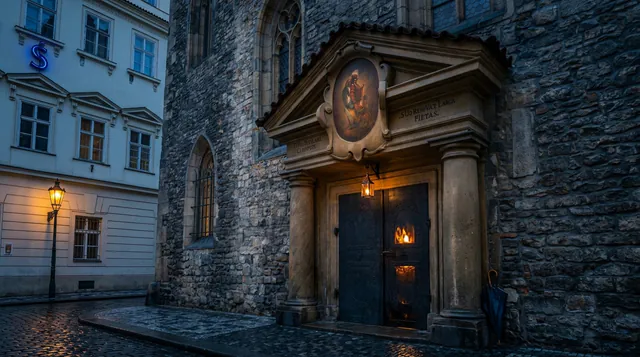
St. Martin
Tucked away on a quiet street in Malá Strana, St. Martin is your escape from the tourist crush between Charles Bridge and the Castle. It’s a chill, bohemian spo
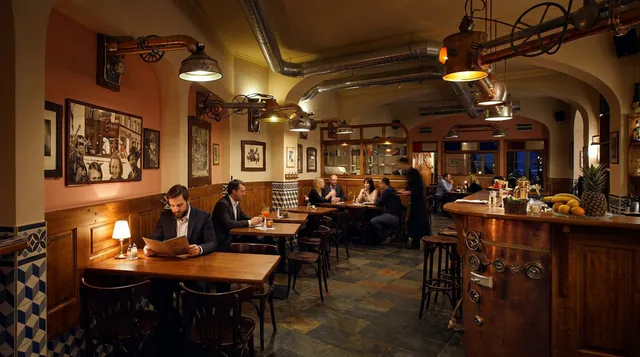
Restaurace U Bulínů
Restaurace U Bulínů is where Vinohrady locals go when they want real food without the Old Town price tag. It's a neighborhood staple. It manages to feel like a
Frequently Asked Questions
When is the optimal time of year to visit Prague for comfortable weather and manageable crowds?
How much does accommodation typically cost during the peak summer season versus the winter off-season?
What should I do if a severe winter thermal inversion traps smog over the city?
Is the comprehensive Prague Visitor Pass a good investment if I am traveling during the warm summer months?
Are the historic cobblestone streets safe and accessible for visitors with limited mobility?
Where can I find immediate relief from the intense urban heat island effect during a July heatwave?
Related Guides
- Accessible Travel Guide to Prague: Old Town Hall & Beyond
- Prague Budget Travel & Old Town Hall Expert Guide 2026
- Emergency Contacts & Services in Prague: A Comprehensive Healthcare and Security Guide
- Prague Border Survival Guide: Visas, EES Biometrics, and Entry Requirements for 2026
- The Definitive Guide to Healthcare & Pharmacies in Prague
- Comprehensive Internet and Mobile Connectivity Guide: Prague
- Linguistic Immersion and Heritage at the Old Town Hall
- Luggage Storage Infrastructure and Urban Mobility Logistics in Prague
Trip Budget Calculator
Get a realistic cost estimate for your {city} trip in seconds.
Try itTags
Places in Prague
Related attractions, hotels, and more.