Convent of St. Agnes of Bohemia - National Gallery Prague
Museum
About the Experience
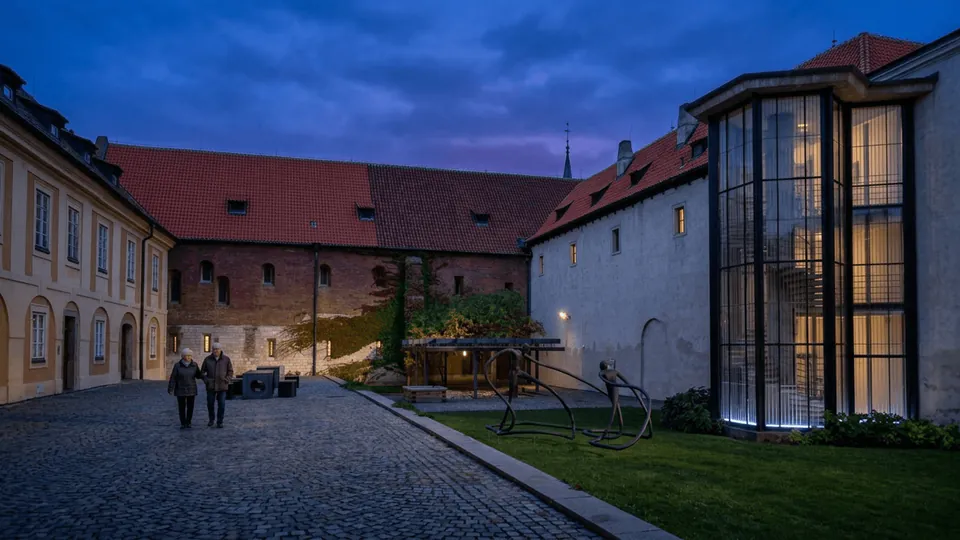
You'll find this place in the quiet Na Františku corner of the Old Town. It's the oldest Gothic building in Prague. Walk through the stone arches and the city noise just stops. You're in the 1200s now. This isn't a bright, modern museum. The cloisters are dark and vaulted. You can explore an ancient black kitchen and see how the sanctuaries were preserved. The Church of the Holy Saviour and Church of St. Francis hold the National Gallery's medieval art. They provide a raw stone backdrop for works from 1200 to 1550. Don't miss the gardens outside. They're free all year. You'll see modern statues by Czech artists sitting next to 800-year-old brick. It's a sharp contrast between the centuries. Stand under the big linden tree in the courtyard. It's a solid spot for a break. You'll forget you're even in a city.
History & Significance
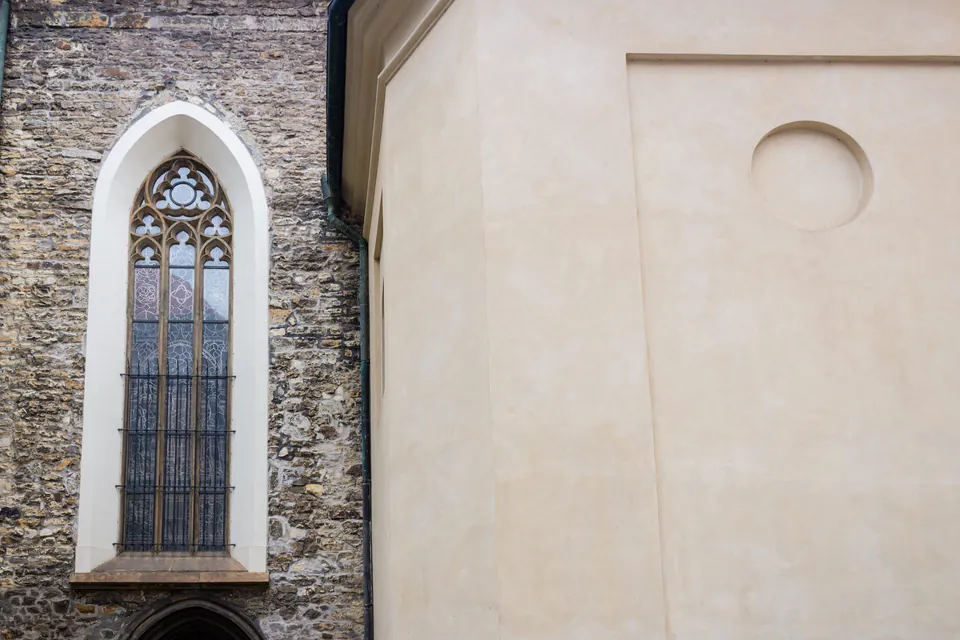
Princess Agnes and King Wenceslas I started this convent in 1231. It was the first Gothic building in the city. It housed both the Poor Clares and the Friars Minor. Agnes became the abbess in 1234. She stayed until she died in 1282. The Přemyslid dynasty used it for royal burials. But Emperor Joseph II shut it down in 1782. The neighborhood's poor moved in after that. Serious repairs started in the early 1900s. The National Gallery moved in during 1963. It's been a National Cultural Monument since 1978.
Architectural Evolution and the Přemyslid Royal Mausoleum
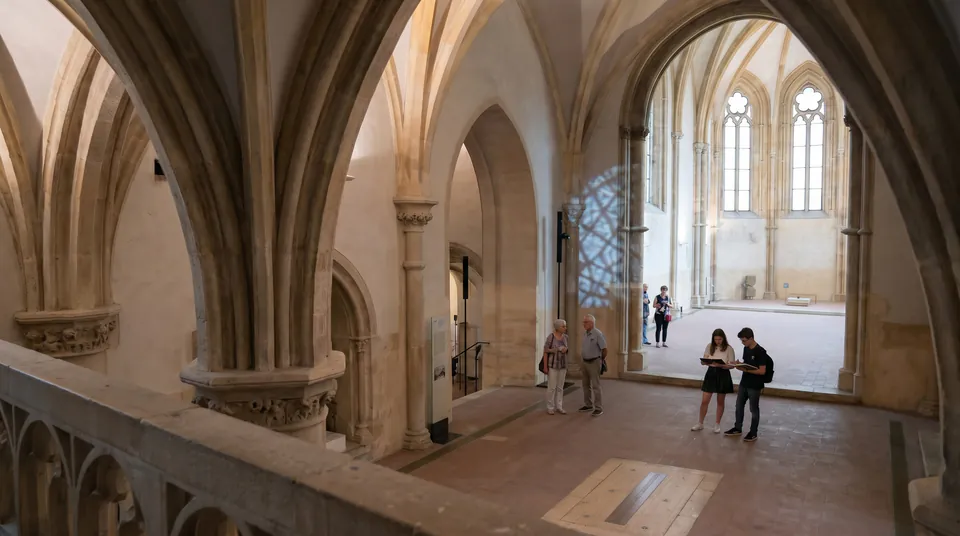
This complex changed how Prague looked in the 1230s. It was a home for nuns and a final resting place for kings. Look at the Church of St. Francis. You'll see some of the first Gothic window designs in Central Europe. Then go to the Church of the Holy Saviour from 1261. A French master built it with high ceilings and rib vaulting. Check the tops of the columns. You'll see the carved faces of Bohemian royalty. And don't skip the ground floor lapidarium. It sits in the old kitchen and dining hall. You can touch pieces of stone found during the 1900s digs. It shows you exactly how these monks lived. The architectural skill here was way ahead of its time.
Masterpieces of the Medieval Art Exhibition (1200–1550)
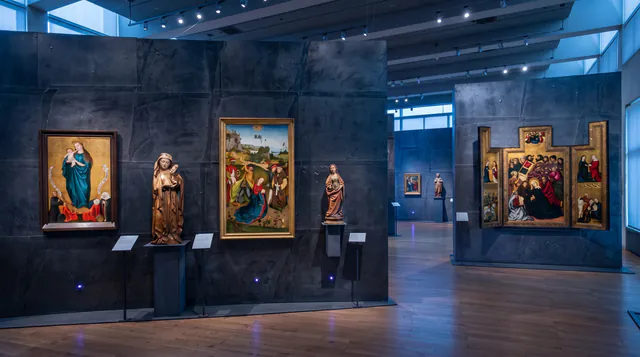
Head upstairs for the heavy hitters. You'll see over 200 items including woodcarvings and gold. The collection follows the Bohemian Kingdom's rise under Emperor Charles IV. Prague was the art capital of Europe then. You need to find the works by Master Theodoric. His portraits of saints have real faces and moods. They aren't flat like older styles. And see the Master of the Třeboň Altarpiece for his bright colors. His elegant lines are famous. Later rooms show how art changed after the Hussite Wars. You'll see how local painters started picking up Renaissance ideas from Germany. They looked to painters in Saxony too. You'll also see works from Austria. It shows how the Bohemian style adapted to new trends. It's a lot to take in, but worth the climb.
The Interactive Experience: Tactile Displays and Digital Underdrawings
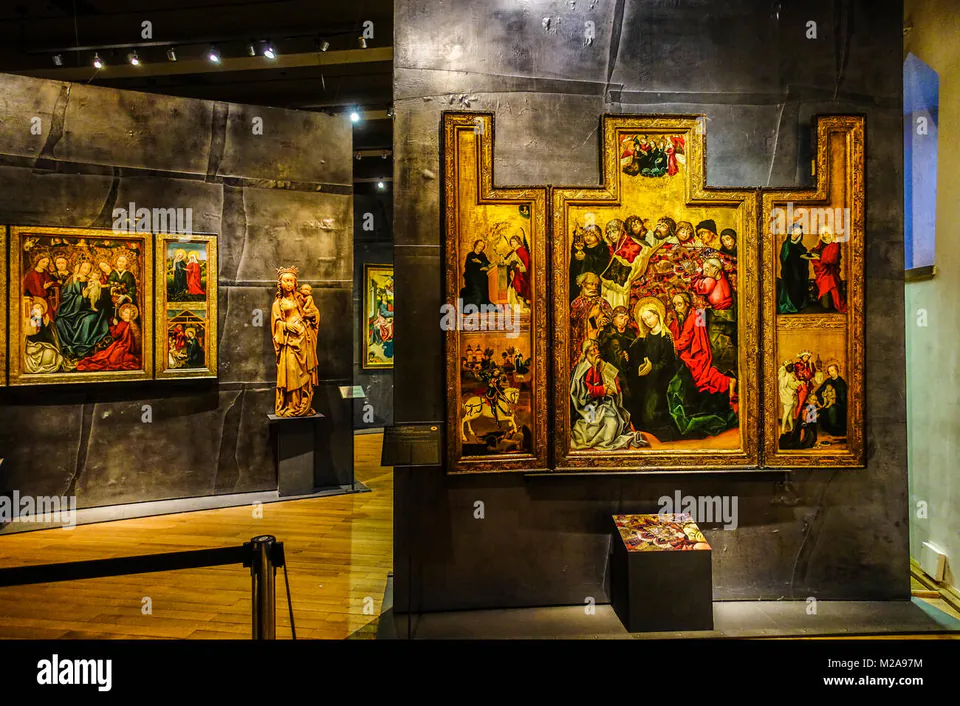
The National Gallery uses tech to dig into the past. Get the 'Hidden Secrets' app on your phone. It uses infrared to show what's under the paint. You can see the original sketches from 600 years ago. It feels like looking over the artist's shoulder. But the best part is on the ground floor. They have resin copies of twelve famous statues. You're allowed to touch them. Run your hands over the work of Petr Parléř. This tactile gallery is for everyone. There is also Braille and large print for visually impaired visitors. It makes the history of the Přemyslid kings feel real. It's not just a walk through a gallery. It's a way to feel the stone. You can trace the lines of Gothic carving with your own hands. It transforms the whole visit.
The Convent Gardens and Kavárna Anežka: A Convergence of Eras
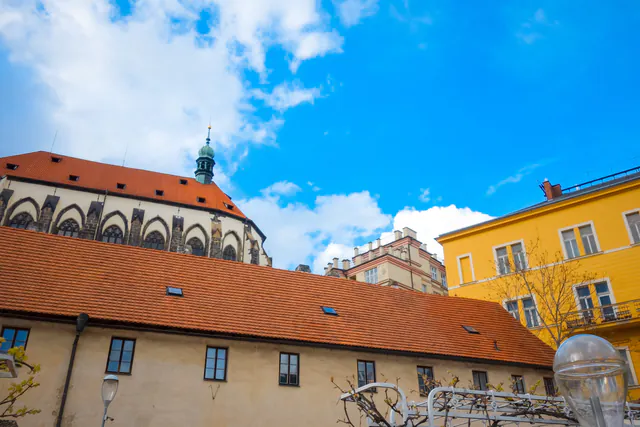
The outside is just as good as the inside. These gardens are a free public park now. You can walk around the old church walls. See the footprint of the cloister. Modern art sits right next to the medieval stone. You'll find nearly twenty statues by famous Czechs like Jaroslav Róna. The work connects the spiritual vibes of the middle ages with modern ideas. And when you're done, grab a table at Kavárna Anežka. It's inside the original 13th-century gatehouse. The design mixes raw concrete with old Gothic vaults. Order something from the seasonal menu. Sit on the terrace under the old linden tree. It's the best way to end the day among the statues.
Tours & Experiences Nearby
Top-rated tours and experiences starting near Convent of St. Agnes of Bohemia - National Gallery Prague.
 food tour
 pub crawl
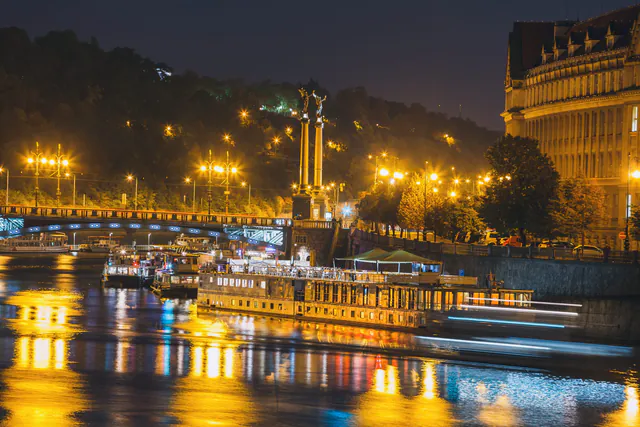 river cruise
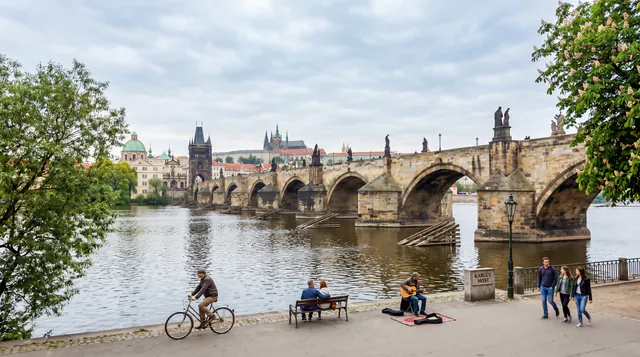 food tour
Essential Visitor Tips
- **Save your money
** The gardens and the lapidarium are completely free to enter. So are the ground-floor cloisters and the outdoor areas.
- **Watch the temperature
** Those massive stone walls keep the interior cold. The interior chapels stay chilly even during a summer heatwave.
- **Touch the art
** Go to the ground floor to find twelve resin copies of medieval statues. They are designed for you to touch.
- **Adjust your camera
** They keep the lights low in the upper galleries to protect the old paintings. Use a lens that handles low light well.
- **Grab a table early
** Kavárna Anežka in the gatehouse is a popular spot. It fills up fast for brunch on the weekends.
Best Time to Visit
"Get here at 10:00 AM on a Tuesday or Wednesday for zero crowds. Or come in late autumn. The river mist makes the old stone look incredible."
Nearby Hotels
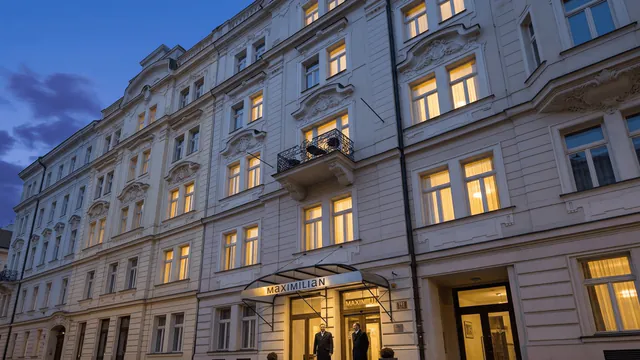
1 min walk (112m)
Design-forward interiors inspired by Czech avant-garde artist Karel Teige · Brasserie Maximilian 'living room hub' with a secluded courtyard garden
Price From €202/night
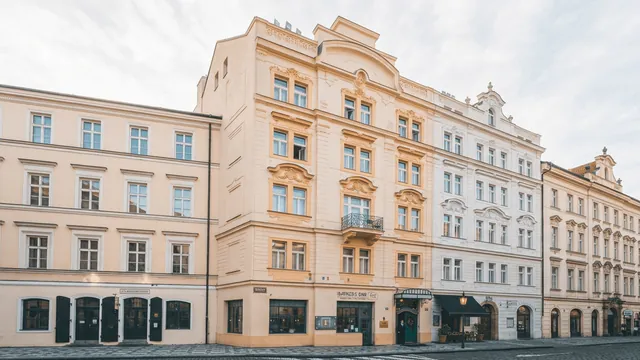
2 min walk (135m)
Unbroken six-generation continuous ownership by the Hanslík family since 1726 · Ground-floor access to the 1930s-themed Banker’s Bar and whiskey vault
Price From €130/night
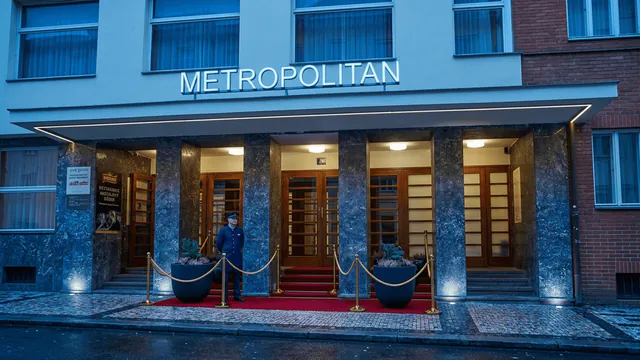
2 min walk (163m)
Panoramic rooftop Metropol Bar featuring signature mixology and garden chess · Complimentary inclusion of the multi-tiered CZECH INN Prague Pass for all guests
Price From €70/night
Nearby Restaurants
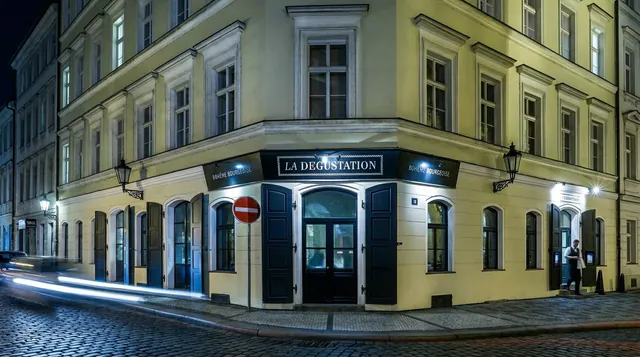
La Degustation Bohême Bourgeoise
Czech Fine Dining • Luxury
Head to Haštalská street in Old Town to find La Degustation Bohême Bourgeoise. I...
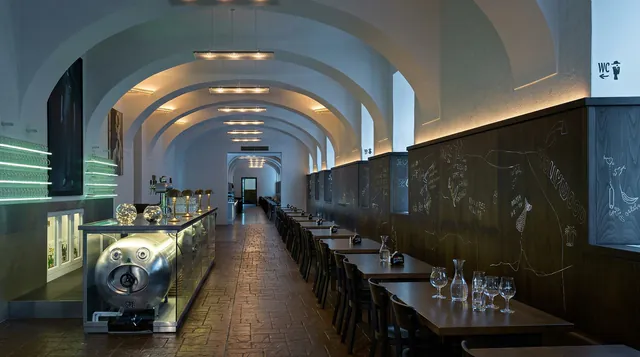
Lokál Dlouhááá
Czech Casual • Moderate
Lokál Dlouhááá is a 70-meter stretch of beer-fueled energy in the middle of Old ...
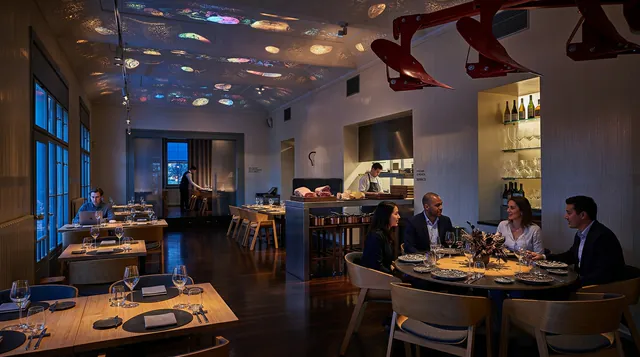
Field Restaurant
Fusion Fine Dining • Premium
Walk down U Milosrdných street in the quiet corner of Staré Město near the St. A...
Frequently Asked Questions
Where is the Convent of St. Agnes of Bohemia located in Prague?
What should I wear for a visit to the Convent of St. Agnes of Bohemia?
Is there a place to eat at the Convent of St. Agnes of Bohemia?
What are the must-see highlights at the Convent of St. Agnes of Bohemia?
Can I take photos inside the Convent of St. Agnes of Bohemia?
What other attractions are near the Convent of St. Agnes of Bohemia?
Is the Convent of St. Agnes of Bohemia a good choice for art enthusiasts?
Why is the Convent of St. Agnes of Bohemia considered a hidden gem?
What are the opening hours of Convent of St. Agnes of Bohemia - National Gallery Prague?
How much does it cost to visit Convent of St. Agnes of Bohemia - National Gallery Prague?
How long should I spend at Convent of St. Agnes of Bohemia - National Gallery Prague?
Is Convent of St. Agnes of Bohemia - National Gallery Prague wheelchair accessible?
Quick Facts
Find Hotels Nearby
The Neighborhood
Josefov: Josefov
Read Guide