Prague Shopping Guide: Streets, Malls, Markets & What to Actually Buy
Written by
Nils Johansson | Founder
Prague's shopping geography is one of the easiest in Europe to memorise: a single luxury street (Pařížská), a pedestrianised mainstream corridor running between Wenceslas Square and Náměstí Republiky (Na Příkopě + 28. října), two major malls flanking the centre (Palladium and Nový Smíchov), one historic market for souvenirs (Havelské Tržiště), and a handful of indie design pockets in Vinohrady and Karlín for anyone allergic to global brands. The city is genuinely good for three things specifically: Bohemian crystal and glassware (Moser, Rückl, Lobmeyr — world-class craft at prices well below their flagships in London or Tokyo), garnet jewellery (the deep-red Czech garnet has been mined in the Bohemian highlands since the 16th century and is the country's signature stone), and handmade marionettes (a craft tradition genuinely tied to the city's puppet-theatre history, not a tourist invention). Almost everything else — clothing, cosmetics, electronics — is no cheaper here than Berlin or Vienna, sometimes more expensive due to import duties and tourist pricing. Most stores open Mon–Sat 09:00–19:00 and Sun 10:00–19:00; the Pařížská boutiques run shorter Sunday hours (typically 11:00–18:00). Non-EU visitors can claim a VAT refund on purchases over 2,001 CZK from any single store in one day — ask for the Tax Free form at checkout.
Pařížská Street: the luxury corridor
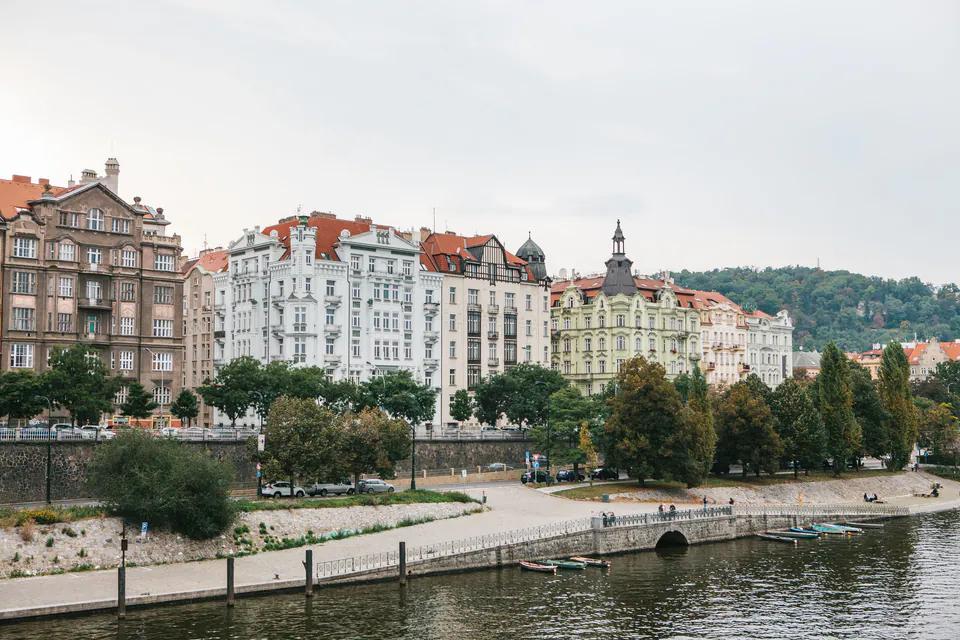
Pařížská ('Paris Street') runs straight from the northern edge of Old Town Square down to the Vltava, slicing through the Josefov / former Jewish Quarter. It's about 500 metres long and you can walk the whole thing in 7 minutes, which is part of its appeal — every major luxury house has compressed onto a single, walkable line. Current tenants include Louis Vuitton, Hermès, Cartier, Dior, Prada, Bottega Veneta, Bulgari, Tiffany & Co., Tod's, Salvatore Ferragamo, Versace, and Brioni, with watch flagships from Rolex, Patek Philippe, Omega, and Hublot interleaved between. The architecture is the second reason to walk the street even if you're not buying — these are restored Art Nouveau and Neo-Baroque buildings from the 1900s-1910s urban-renewal redevelopment of the old ghetto, with original stonework, ironwork, and stained glass preserved behind the contemporary shopfronts. Service is appointment-grade; quieter weekdays (Tue–Thu 10:00–13:00) get you proper attention while Saturday afternoons turn into a crowd. Even if you do nothing here but window-shop, this is the most concentrated luxury stretch east of Vienna.
Na Příkopě, Wenceslas Square, and the central mainstream corridor
For mainstream international chains — Zara, Mango, H&M, Sephora, Mango, Pull & Bear, & Other Stories, Marks & Spencer, Massimo Dutti, Nike, Adidas — head to the L-shaped commercial corridor formed by Wenceslas Square (Václavské náměstí) and Na Příkopě. The two streets meet at the iconic Müstek crossing where the M-shaped underground passages connect three metro lines. Na Příkopě is the more upmarket of the two: pedestrianised, lined with brands like Tommy Hilfiger, Apple's official retailer, Lush, MAC, and the high-end Slovanský dům passage with concept stores upstairs. Wenceslas Square is busier and more touristed; you'll find the larger Zara and H&M flagships, plus electronics chains like Datart and Alza Showroom. Prices on mass-market clothing are typically 0–10% higher than in Germany due to import duties and tourist markup — Prague is not a discount destination, so don't expect bargains on global brands. Worth knowing: the Czech bookstore chain Neoluxor on Wenceslas Square has an English-language section on the ground floor that's the best in the city.
Malls and department stores: Palladium, Nový Smíchov, Kotva
Three big indoor options when the weather turns. Palladium on Náměstí Republiky (line B metro, edge of the Old Town) is the most central: 200 shops, large food court, decent mid-market mix (Zara, H&M, Bershka, Pull & Bear, Massimo Dutti, Marks & Spencer, plus a Tesco supermarket in the basement). Open Mon–Sat 09:00–22:00, Sun 09:00–21:00. Nový Smíchov on the Anděl side (line B, ~10 min from centre) is larger and lower-density per visitor — bigger Carrefour supermarket, full Cinema City multiplex, and the same mall chains plus a Datart electronics floor. Kotva on Náměstí Republiky (across from Palladium) is a Brutalist 1970s department store recently renovated into a high-end concept-store layout — the women's-wear floor has Czech-designer corners worth a look. For groceries and pharmacy needs while you travel, the Tesco supermarket in the basement of Palladium and the Albert supermarket inside Hlavní nádraží (Prague Main Station) are the two most central full-sized food shops.
Markets, souvenirs, and what to actually take home
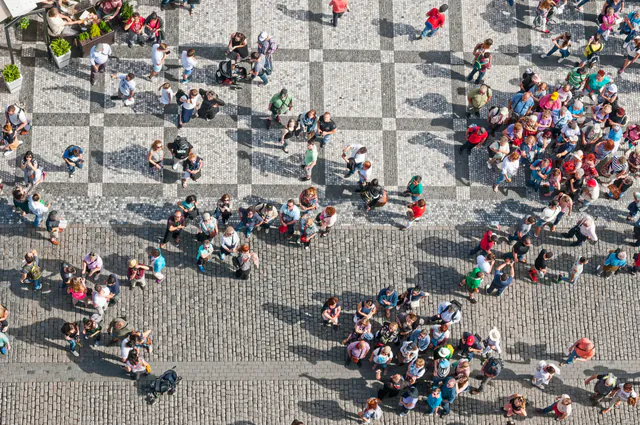
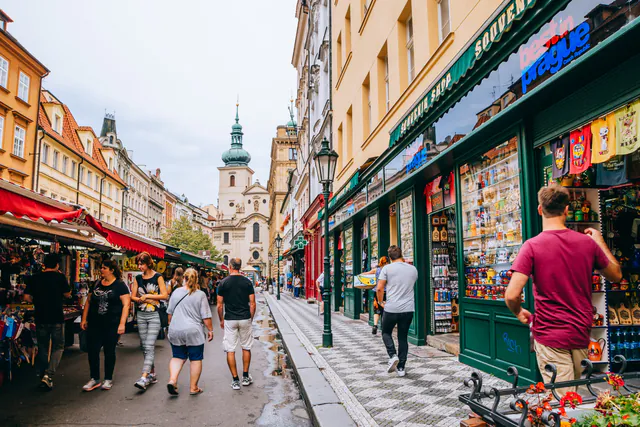
Havelské Tržiště on Havelská — open daily roughly 08:00–18:00 — is the historic central market, now mostly stalls selling marionettes, glass, magnets, and seasonal produce. Decent for inexpensive souvenirs; quality varies, so check before paying. The Christmas Markets (late November through early January) on Old Town Square, Wenceslas Square, and Náměstí Míru are the real annual moment — wooden huts, mulled wine (svařák), trdelník, gingerbread, and ornaments. As for what's actually worth buying: (1) Bohemian crystal — Moser flagship on Na Příkopě 12 is the premium choice (Czech royal stemware since 1857); Rückl in the Old Town and Lobmeyr's Czech-made stock are excellent middle-bracket options; (2) Czech garnet jewellery — the deep-red regional stone; legitimate dealers are Granát Turnov (the original cooperative cutter, with a flagship on Dlouhá) and J. Drahoňovský; ask for a certificate of authenticity to verify it's not glass; (3) Marionettes — the Truhlář Marionety workshop and Marionety Praha sell hand-carved puppets that are genuine craft objects, not the mass-produced versions you see in stalls; (4) Czech beer glassware and Pilsner-Urquell branded glasses (genuine Czech industrial design); (5) Botas 66 sneakers, the Czech 1960s athletic-shoe brand recently revived as a design-fashion piece — flagship on Skořepka. Avoid the trdelník 'authentic Czech pastry' marketing — it's a Slovak/Hungarian import that became a tourist phenomenon here only in the 2010s; tasty but not historically Czech. Non-EU residents can reclaim 21% VAT on single-shop purchases over 2,001 CZK via the Tax Free form (Premier Tax Free or Global Blue); have it stamped at the airport customs desk before checking your luggage.
Practical Tips
- 1Withdraw Czech koruna from bank-affiliated ATMs (ČSOB, KB, Česká spořitelna) only — the standalone Euronet machines in tourist areas charge 10–15% currency-conversion markups.
- 2Ask for the Tax Free form at checkout if you spend over 2,001 CZK at one shop and you're a non-EU resident — 21% VAT refund is meaningful at luxury price points.
- 3Buy Bohemian garnet only with a certificate of authenticity from Granát Turnov or J. Drahoňovský — the tourist-stall stones are usually coloured glass.
- 4Visit Pařížská on a weekday morning (Tue–Thu 10:00–13:00) for unhurried service at the luxury boutiques; Saturdays get crowded.
- 5Skip mass-market chain shopping unless you genuinely need something — clothing and electronics aren't cheaper here than Western Europe.
- 6The basement of Palladium has a Tesco supermarket and the basement of Hlavní nádraží has an Albert — these are your two most central spots for water, snacks, and pharmacy items while travelling.
Top Attractions
Where to Eat
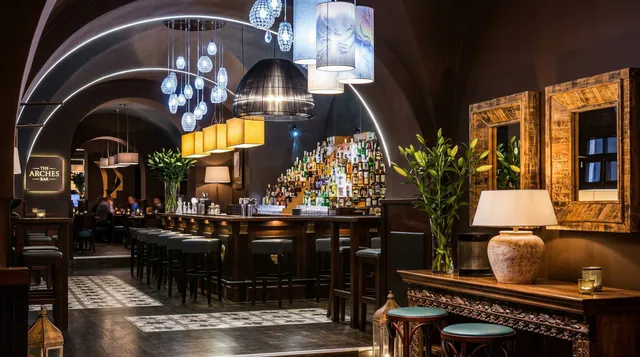
Agave Restaurant
You’ll find Agave Restaurant Prague on Masná street, tucked away in the winding alleys of Staré Město. It's a sharp contrast to the Gothic stone outside. Step t
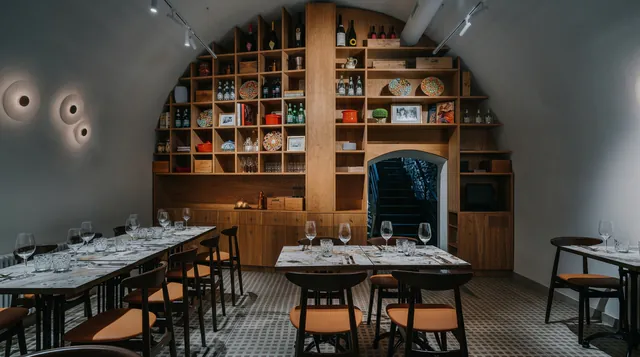
Alriso Risotteria Italiana
You'll find Alriso Risotteria Italiana Prague right on the cobblestones of Betlémské náměstí. It’s a specialized spot. It trades the usual tourist traps for ser
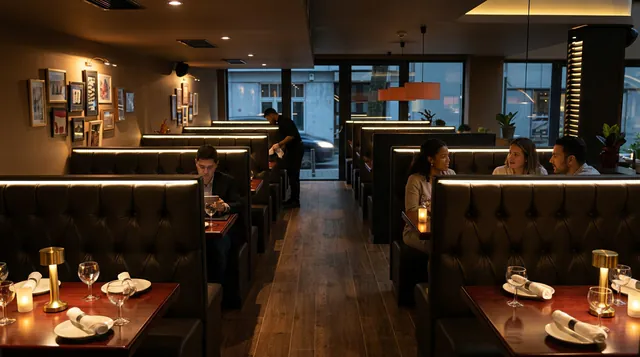
Beefhouse Grill & Bar
Prague’s food scene used to be all heavy dumplings and beige pub grub. Not anymore. Now, the city is a global player. You'll find Beefhouse Grill & Bar tucked a
Frequently Asked Questions
Is shopping in Prague cheaper than in Western Europe?
Where is the luxury shopping street in Prague?
Can I claim VAT back as a tourist?
Are Bohemian garnet and crystal worth buying?
Is trdelník an authentic Czech pastry?
When are Prague shops open?
Related Guides
- The Photographer's Gateway: Mastering the Old Town Bridge Tower
- The Ultimate 1-Day Prague Itinerary: Navigating the Royal Route and Historic Centre
- Strategic 72-Hour Prague Itinerary
- Ultimate 5-Day Prague Itinerary
- Accessible Travel Guide to Prague: Old Town Hall & Beyond
- Václav Havel Airport Prague Guide
- Staroměstská radnice and the Comprehensive Prague Autumn Travel Guide
- Ultimate Prague Old Town Guide: Comprehensive Area Analysis and Accommodation Strategies