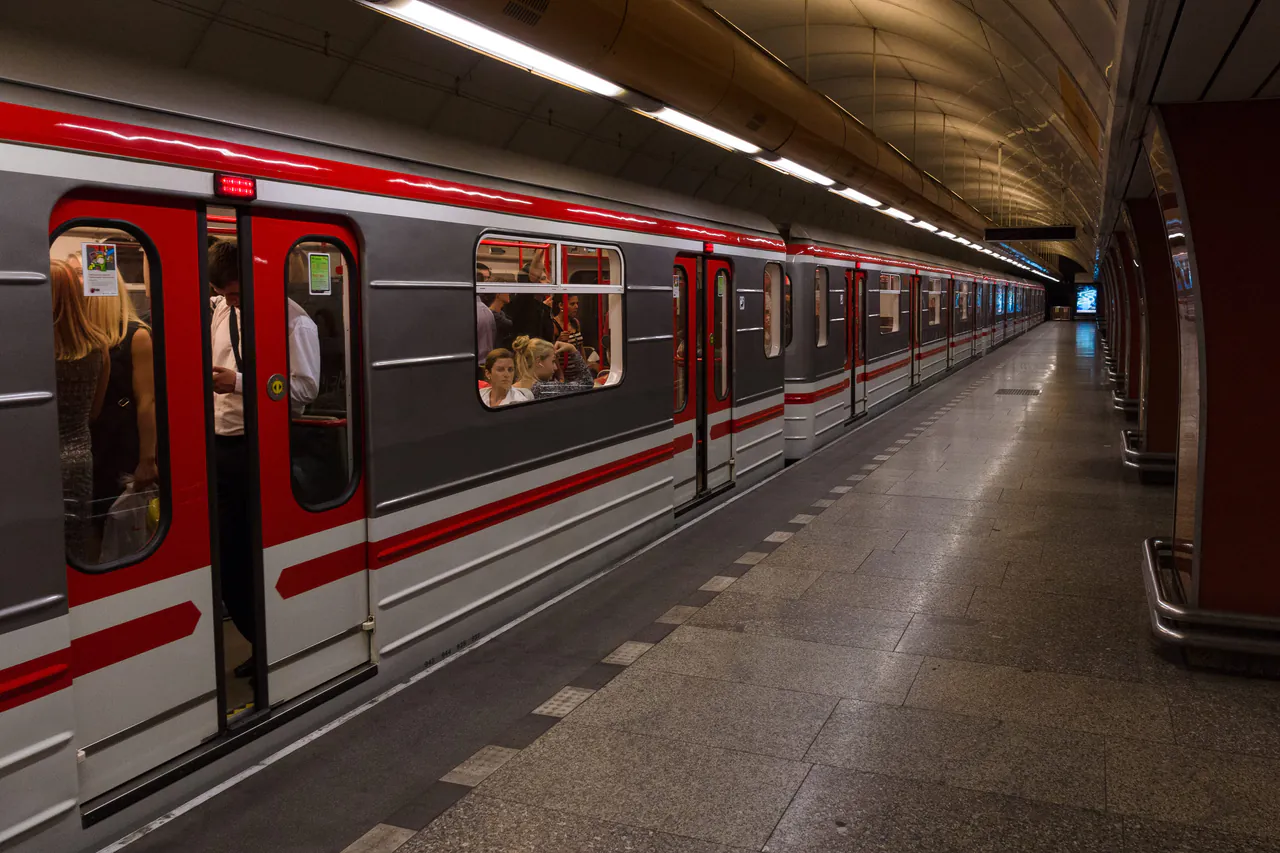
You're heading underground into the fastest way to cross town. The Pražské metro is a massive machine moving over a million people a day while traffic above crawls. It is high-speed and climate-controlled. The system handles 600 million riders a year across a 65.2-kilometer network. You'll love the efficiency. Trains arrive every two to three minutes during rush hour. No more waiting. No more guessing. You'll descend on some of the longest and steepest escalators in the EU. They feel like they're diving into the geological bedrock. Once you hit the platforms, you're in a time capsule. There are three lines. Take the Green (A) or Yellow (B) lines. Or catch the Red (C) line. Sixty-one stations in total. Line A features space-age, op-art aluminum claddings. Line B shows off brutalist concrete and socialist-realist bronze reliefs. It's the city's nervous system. Use it.
Photos
The Architectural Symphony of Line A
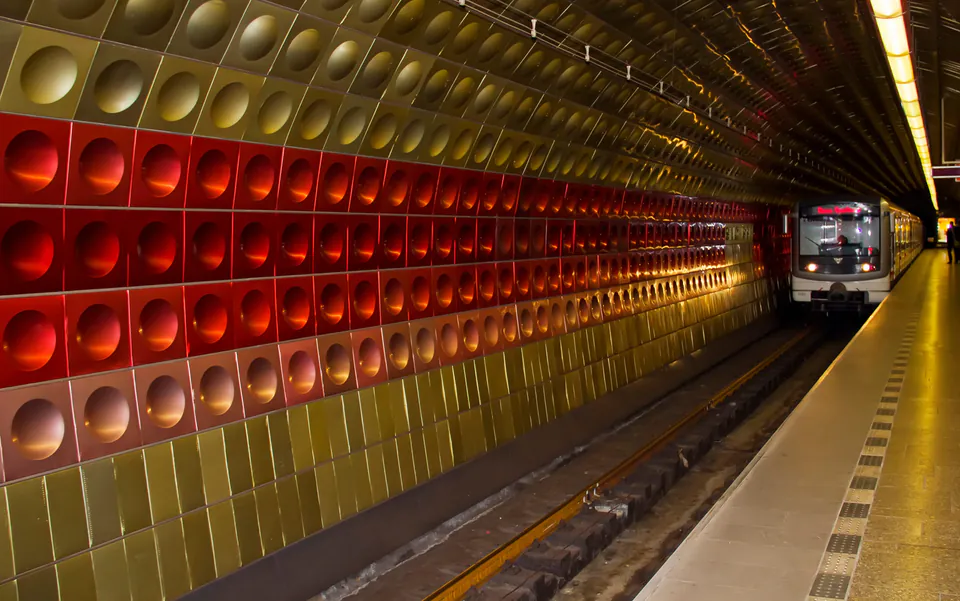
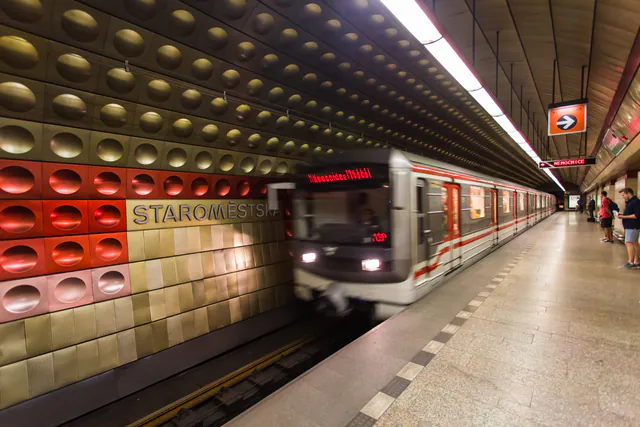
Line A is the peak. Jaroslav Otruba designed those dimpled aluminum panels back in the '70s to kill the noise. They work. Convex and concave tiles swallow the roar of the trains. Look at the colors. Green at Malostranská mimics the nearby royal gardens. The deep red at Staroměstská has a purpose. It marks the blood spilled in Old Town Square. It's smart engineering. And it's art. Catch a train and see for yourself.
Subterranean Brutalism and Socialist Realism
Lines B and C feel different. They were built as nuclear fallout shelters. You can still see the massive steel blast doors tucked away. It's pure cold war grit. Go to Anděl station. It used to be called Moskevská. Check out the bronze reliefs there. Then head to Háje for the 'Kosmonauti' mosaic. These aren't just stations. They're time capsules of a 20th-century ideology. It's a sharp contrast to the modern cafes above ground.
Engineering Extremes: Depth and Escalators
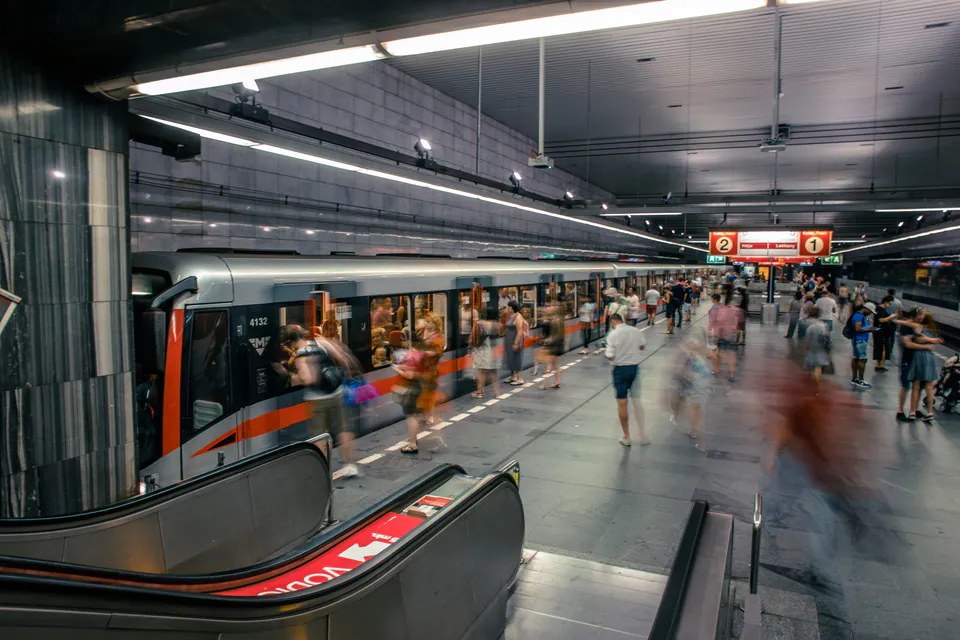
Prague's hills forced the tracks deep. Náměstí Míru is the record holder. It sits 53 meters underground. You'll spend two and a half minutes on an 87-meter escalator just to reach the platform. This system is tough. The 2002 floods drowned 19 stations and nearly broke the city. But it came back stronger. New floodgates keep the tunnels dry now. It's a subterranean lifeline that refuses to quit.
The 2026 Modernization and Line D Automation
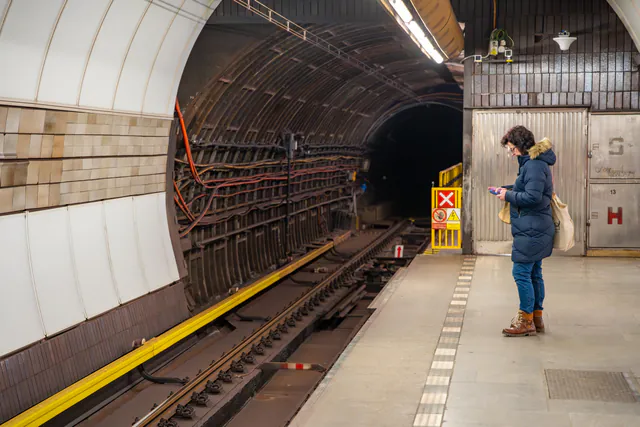
The system is changing fast in 2026. Flora station is getting a total facelift. But the big news is Line D. It's the blue line. This is Prague's first driverless route. Billions of crowns are being poured into this automation project. It'll connect the southern suburbs straight to the center. That takes the pressure off the packed Line C trains. It's the future of the city. It is faster and smarter.
Practical Tips
- 1Stand strictly on the right side of the escalators to leave the left lane open for fast-paced commuters.
- 2Stop boarding immediately when you hear the departure announcement, as the pneumatic doors close with significant force.
- 3Prepare to carry your luggage up a significant flight of stairs when transferring from the airport bus at Nádraží Veleslavín station.
- 4Yield your seat immediately to elderly passengers, pregnant women, or parents with small children to respect local carriage norms.
- 5Stamp your paper ticket only once in the yellow machines at the station entrance, because re-stamping it will immediately nullify its validity.
- 6Check the overhead digital displays to verify your train's ultimate destination, as some trains terminate early at intermediate depots.
Frequently Asked Questions
How much does a standard metro ticket cost if I buy it digitally?
When does the Prague Metro stop running at night?
What happens if I forget to validate my paper ticket before boarding?
Where do I catch the metro after arriving at Václav Havel Airport?
How long does it take for a digital mobile ticket to activate?
Are the historic central stations accessible for travelers with mobility issues?
Related Guides
- Václav Havel Airport Prague Guide
- Prague Bus Guide: City Lines, Night Routes & Airport Connections
- The Ultimate Guide to Prague Night Transport
- The Complete Guide to Prague Public Transportation (PID & DPP)
- Prague Taxis & Rideshare Guide
- Transport Tickets & City Passes in Prague
- Prague Public Transport Museum & Tram Guide
- The Ultimate 1-Day Prague Itinerary: Navigating the Royal Route and Historic Centre
Currency Cheat Sheet
Quick EUR to HUF reference for everyday Budapest spending.
Try it