Starý královský palác
Palace
About the Experience
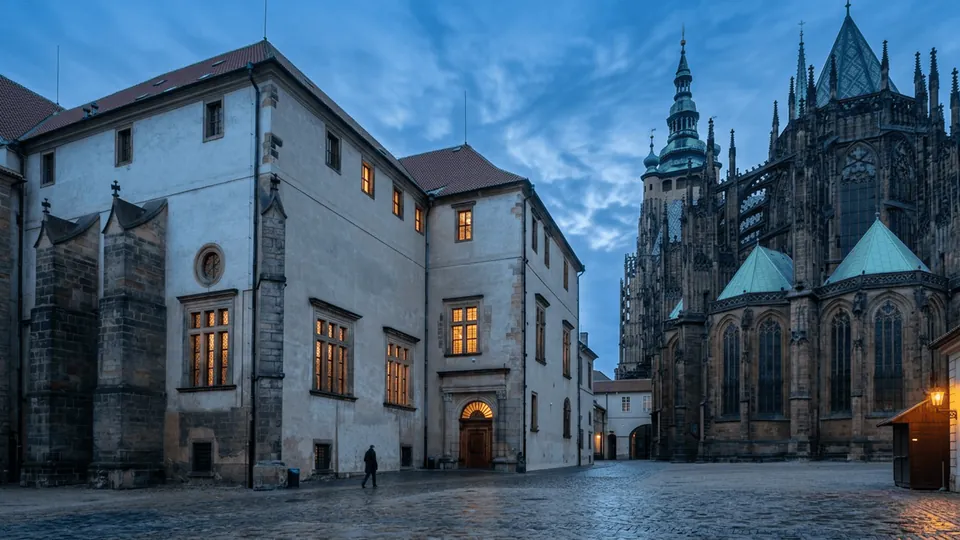
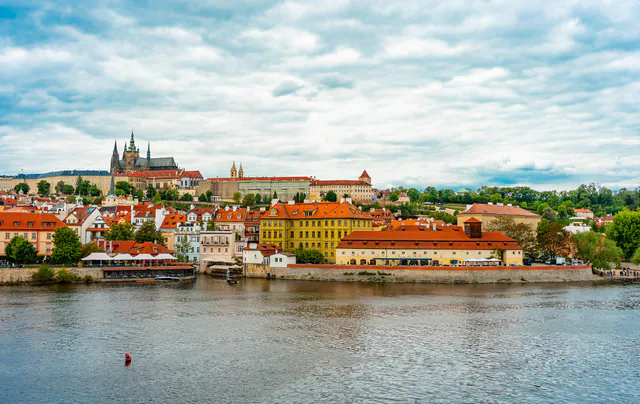
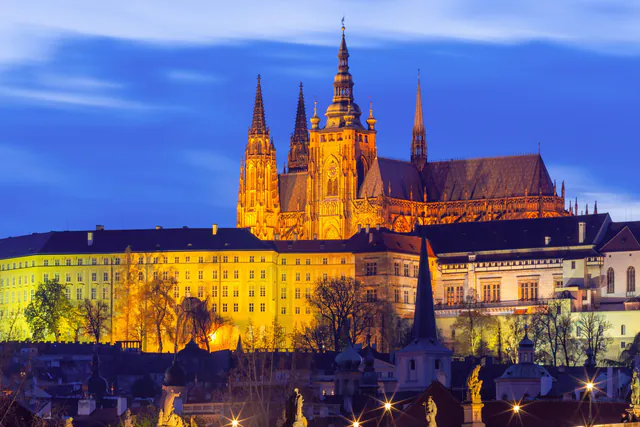
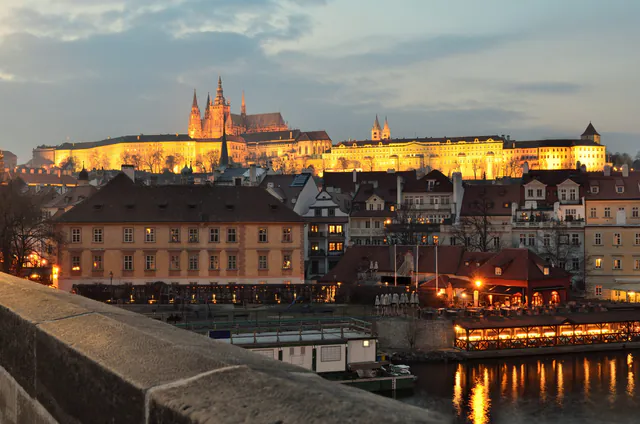
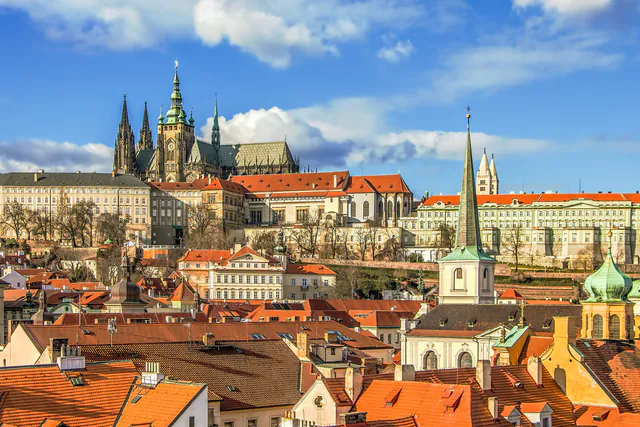
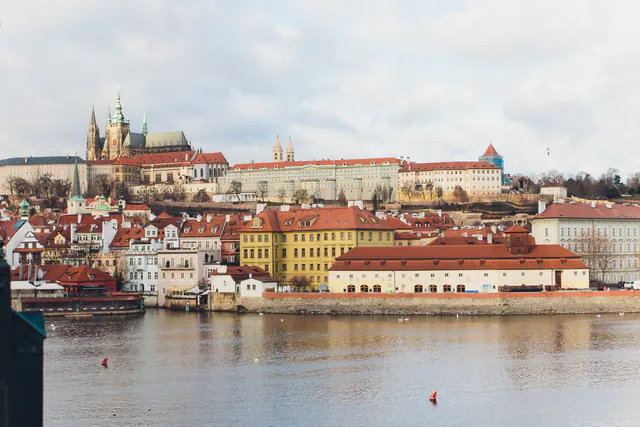
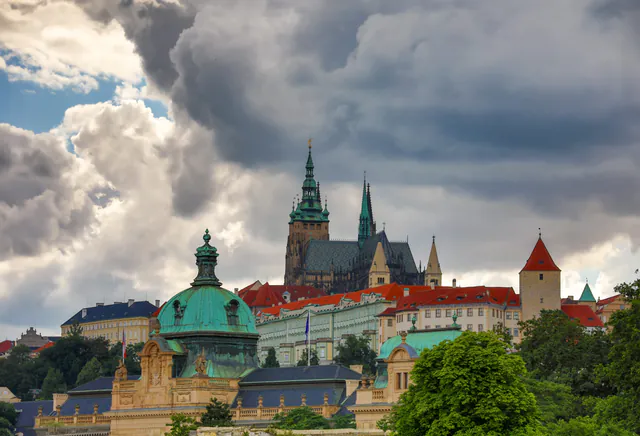
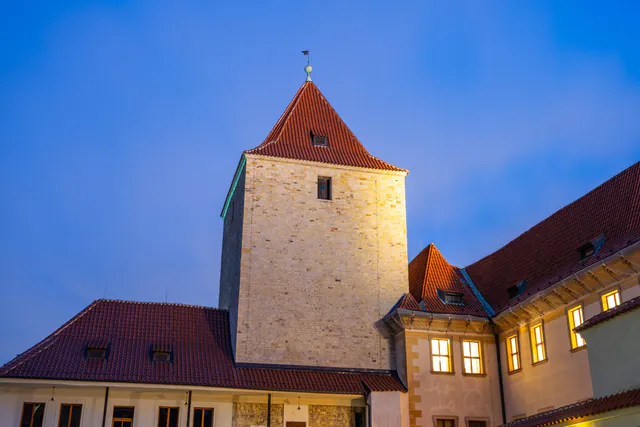
The Old Royal Palace is a massive pile of history that served as the seat of power for Bohemian kings for centuries. You'll find it tucked inside the Prague Castle complex. It holds a Guinness World Record for size, but don't let that intimidate you. While St. Vitus Cathedral next door is all about light and soaring arches, this palace feels heavy and serious. It's the kind of place where you can almost feel the weight of medieval statecraft. The air here is cooler, quieter, and smells of old stone.
You'll start in the Romanesque undercroft. It's cold and stone-heavy, dating back to the 12th century. Then you'll climb up to the Vladislav Hall. This room is a total marvel. Its rib vaulting looks like stone lace, yet it spans a massive space without any pillars. Look for the early Renaissance windows. They were some of the first in Bohemia. The hall was even big enough for knights to joust on horseback inside.
History enthusiasts will love it here. You're standing in the exact room where the Thirty Years' War kicked off with a shove out a window. Most tourists rush through these rooms just to check it off their list. Don't be one of them. Take a minute to find the old stonemason marks hidden in the vaults or the bright coats of arms in the bureaucratic quarters. It's worth the extra time. Every stone here tells a story of power and survival.
Photos
History & Significance
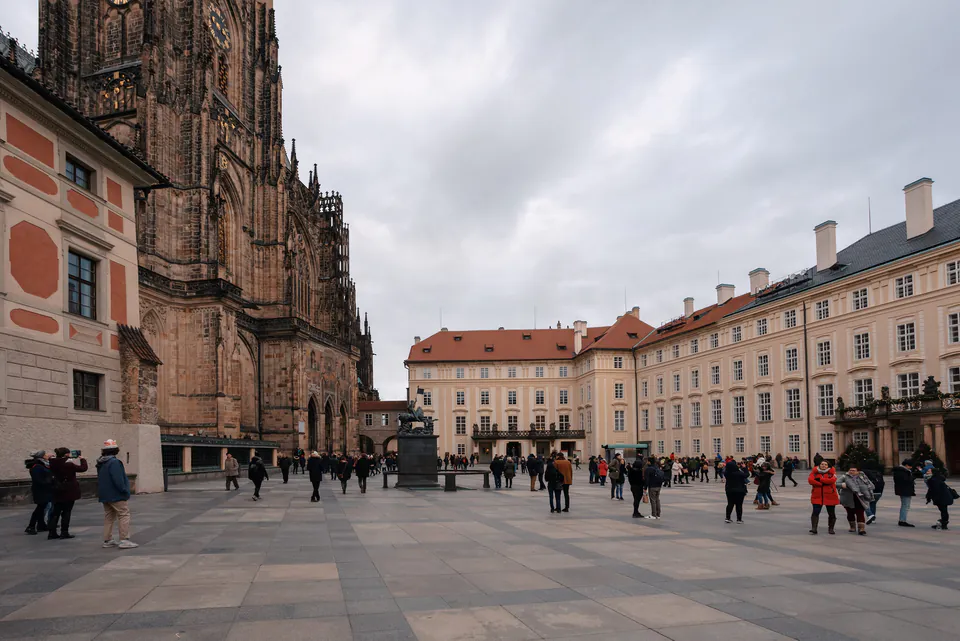
Prague Castle started as a wooden fort in the 9th century. By 1135, Prince Soběslav I upgraded it to a stone Romanesque palace. You can still see those lower levels today. Charles IV added Gothic layers in the 14th century to match his imperial ambitions. After the Hussite Wars, King Vladislav Jagiello went big. He hired Benedikt Ried to build the massive Vladislav Hall between 1493 and 1502. This hall mixed Late Gothic engineering with Renaissance style. In 1618, some angry nobles threw Catholic governors out of a window here, sparking the Thirty Years' War. Today, it serves as a museum and where the Czech president is inaugurated.
The Architectural Triumph and Sociopolitical Function of the Vladislav Hall
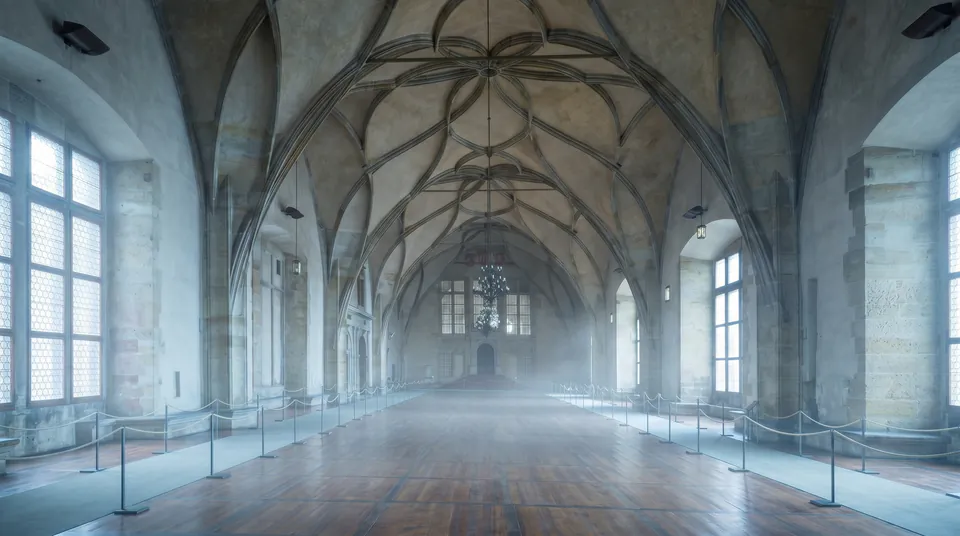
The Vladislav Hall is the main event. It’s one of the most impressive secular spaces left in Europe. King Vladislav II Jagiello ordered it built around 1493 to show everyone he was back in charge after the Hussite Wars. Architect Benedikt Ried delivered a hall 62 meters long and 16 meters wide. It was the biggest thing in Central Europe at the time.
The engineering is the real story. Ried designed a Late Gothic rib vault that spans the whole room without a single pillar. The ribs curve in complex geometric patterns across the ceiling. It looks light, but it's tons of stone held up by pure math. The windows are also special. They're some of the first Renaissance-style openings in the country. This marked a huge shift in style for Bohemia.
This wasn't just for show. The hall hosted coronations, banquets, and markets. It was even big enough for knights to joust inside. They’d ride their horses up the specialized staircase to compete. Now, it's where the Czech president is inaugurated and where the Crown Jewels go on display.
The Ludwig Wing and the Geopolitical Catalyst of the 1618 Defenestration
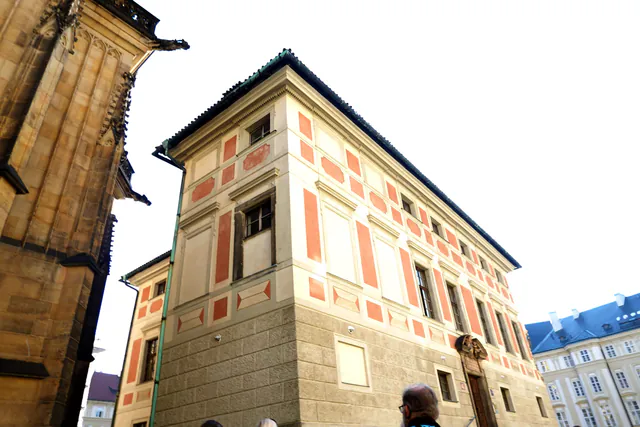
Connected to the hall is the Ludwig Wing. Benedikt Ried built it as royal apartments between 1502 and 1509. A massive fire in 1541 changed its fate. The rooms became offices for the Czech Chancellery. This is where the Second Defenestration of Prague went down in 1618.
Religion and politics had pushed local Protestants and the Catholic Habsburgs to the edge. A group of armed Protestant nobles stormed the office. They grabbed two Catholic governors, Vilém Slavata and Jaroslav Bořita, and their secretary. Then they tossed them 70 feet out of the window into the castle ditch. It was a clear, violent rejection of Habsburg rule.
The men survived the fall. Catholics said it was angels. Protestants said they landed in a pile of dung. Either way, the peace was dead. This event triggered the Thirty Years' War. It tore Europe apart and changed borders for centuries. You're standing at ground zero for one of history's biggest messes. It’s a chilling thought when you look down from that window today.
The Old Diet and Bohemian Jurisprudence
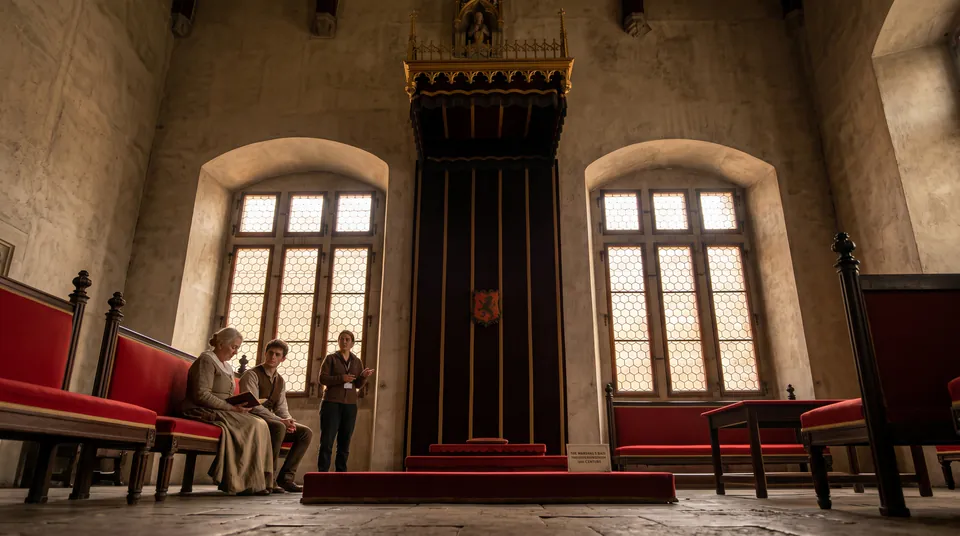
Next to the big hall is the Old Diet. This was the legal heart of Bohemia. The current look dates from after the 1541 fire. It has a grand ribbed vault that feels serious and authoritative. This was the Supreme Court and the parliament of its day.
The layout tells you everything about 17th-century class structure. The wooden furniture is arranged exactly as a 1627 law required. The Habsburgs used this to keep the locals in line after they crushed the Protestant rebellion. You can see the hierarchy in the seats. The King had the big throne. The church leaders sat next to him. The lower nobles and town reps were stuck on the bottom benches. It was power made visible.
Don't miss the New Office of Land Rolls in the corner. This was the database for all property rights and court records. The original books burned in 1541, so they rebuilt this room as a vault. The walls and ceilings are painted with hundreds of colorful coats of arms belonging to the officials who worked here over the years. It’s a visual record of the region’s old elite.
The Romanesque Cellar
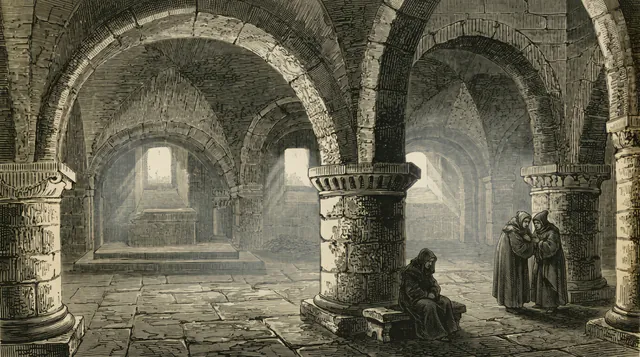
To really get this palace, you have to look down. The whole thing is built in layers. If you head into the basement, you’ll find the 12th-century stone palace built by Prince Soběslav I. It’s a huge change from the airy halls upstairs. It’s dark, damp, and the walls are incredibly thick.
These vaults were the main living quarters for the first Bohemian rulers. As later kings wanted more space and light, they just built on top. These old rooms became storage, cellars, or prisons. The masonry was so solid it just kept working for centuries. You can see the evolution of the castle right in the stones.
During World War II, these 12th-century walls served one last secret mission. Patriots hid the Bohemian Crown Jewels here to keep them away from the Nazis. They knew no bomb or thief could get through this much medieval stone. It worked. The jewels survived, and so did the history of the nation. It’s a quiet place now, but it’s seen a lot of action.
Tours & Experiences Nearby
Top-rated tours and experiences starting near Starý královský palác.
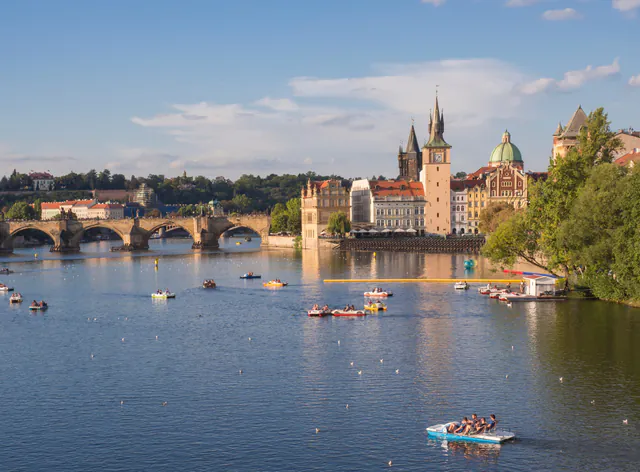 bike tour
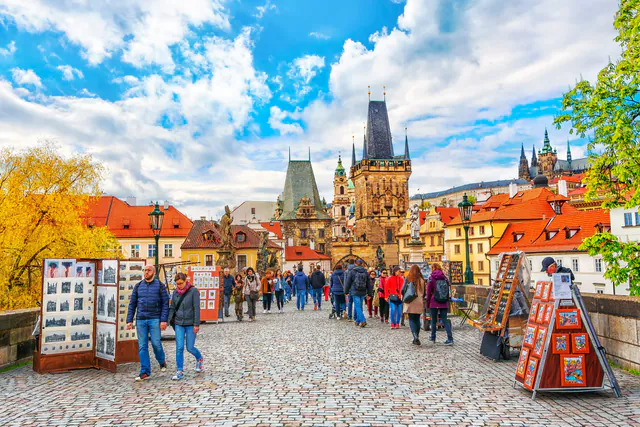 walking tour
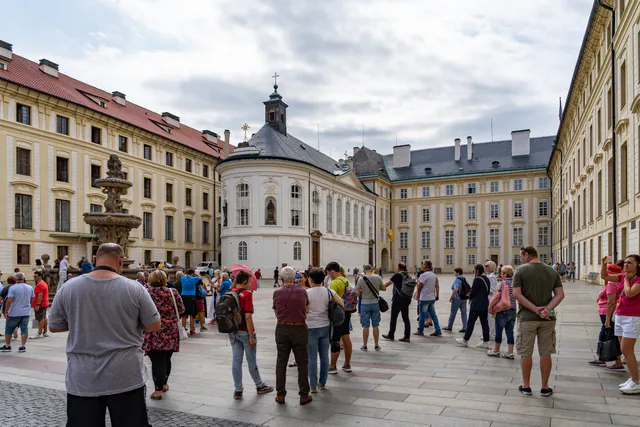 walking tour
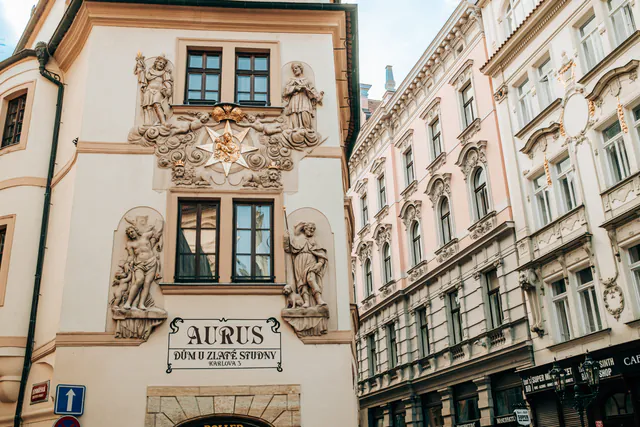 walking tour
Essential Visitor Tips
Look up in the Vladislav Hall. Check out the complex stone rib vaults designed by Benedikt Ried. They span 16 meters without a single central pillar.
Find the Defenestration Window. It's in the Ludwig Wing on the left. This is where Protestant nobles tossed Catholic governors in 1618, starting the Thirty Years' War.
Walk the Riders' Staircase. The treads are wide and shallow. They were built so armored knights could ride their horses straight into the hall for jousting.
Head underground. The Romanesque basement has 12th-century vaults that once hid the Bohemian Crown Jewels from the Nazis during WWII.
Check out the heraldry. The New Office of Land Rolls has walls covered in the painted coats of arms of old bureaucrats.
Watch for closures. This is a working government building. It can close for state events at any time. Check the website the morning you go.
Best Time to Visit
"Get there at 09:00 AM sharp or wait until after 15:00 PM. You'll miss the worst of the tour groups and cruise ship crowds."
Nearby Hotels
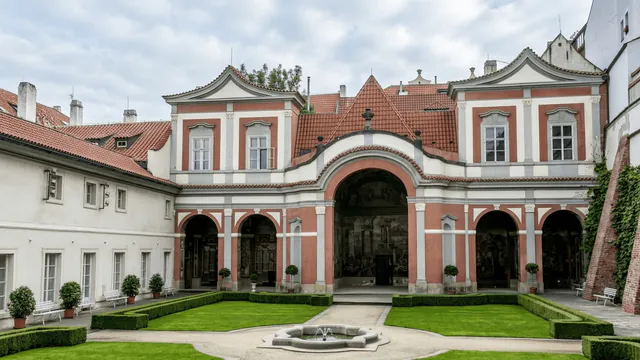
3 min walk (204m)
Private, direct access gate into the Royal Gardens of Prague Castle · Award-winning rooftop restaurant Terasa U Zlaté studně with panoramic views
Price From €250/night
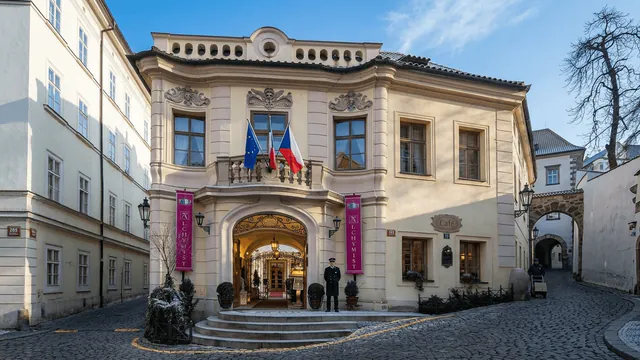
4 min walk (321m)
An expansive 11th-century Gothic cellar housing the tranquil Ecsotica Spa · A highly secluded, flower-adorned interior courtyard featuring a central fountain
Price From €215/night
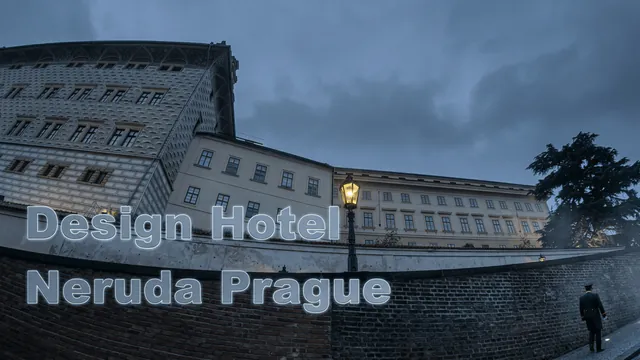
4 min walk (356m)
14th-century convent and House of the Three Eagles integration · Bespoke glasswork by acclaimed designer Bořek Šípek
Price From €110/night
Nearby Restaurants
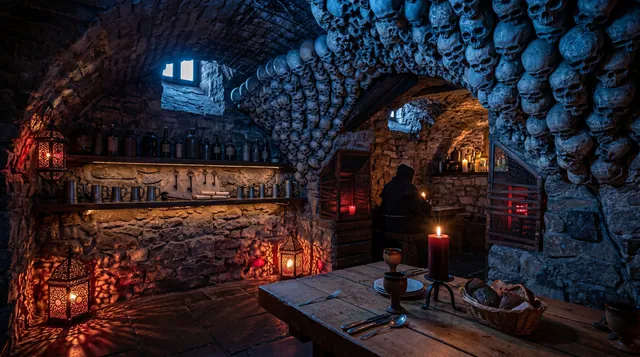
Tavern U Krále Brabantského
Czech Casual • Premium
Duck off the Royal Route into the shadows of Malá Strana and you'll find a place...
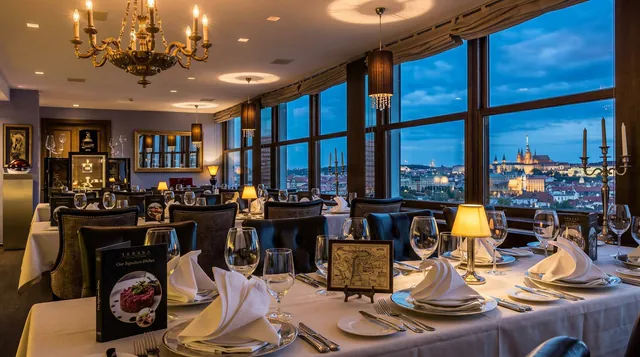
Terasa U Zlaté studně
International Fine Dining • Luxury
Head to the fourth floor of the Golden Well Hotel to find Prague's best seat. Yo...
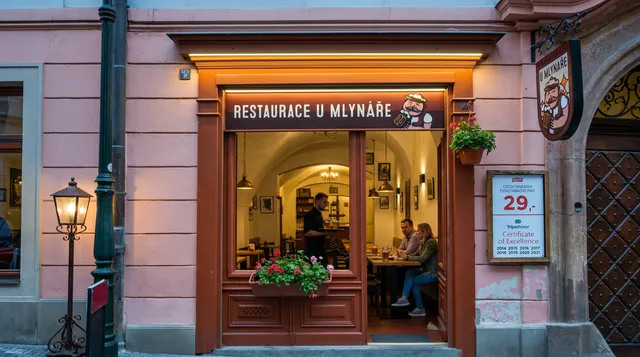
Restaurace U Mlynáře
Czech Casual • Moderate
You'll find Restaurace U Mlynáře on Nerudova Street, the steep climb toward Prag...
Frequently Asked Questions
Where exactly is Starý královský palác located?
What makes the Vladislav Hall in Starý královský palác so significant?
What is the history behind the windows in the Ludwig Wing?
Can I see older versions of the castle inside the palace?
Are there any photography tips for the Vladislav Hall?
What other landmarks are within walking distance of Starý královský palác?
Why does the palace have such wide and shallow stairs?
What should I bring for a visit to Starý královský palác?
What are the opening hours of Starý královský palác?
How much does it cost to visit Starý královský palác?
How long should I spend at Starý královský palác?
Is Starý královský palác wheelchair accessible?
Quick Facts
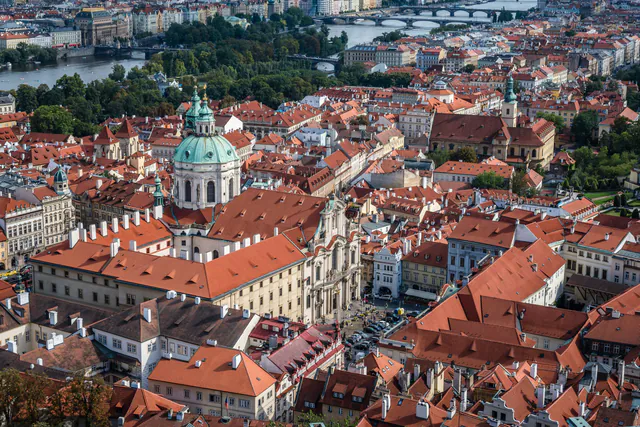
The Neighborhood
Malá Strana: Malá Strana
Read Guide