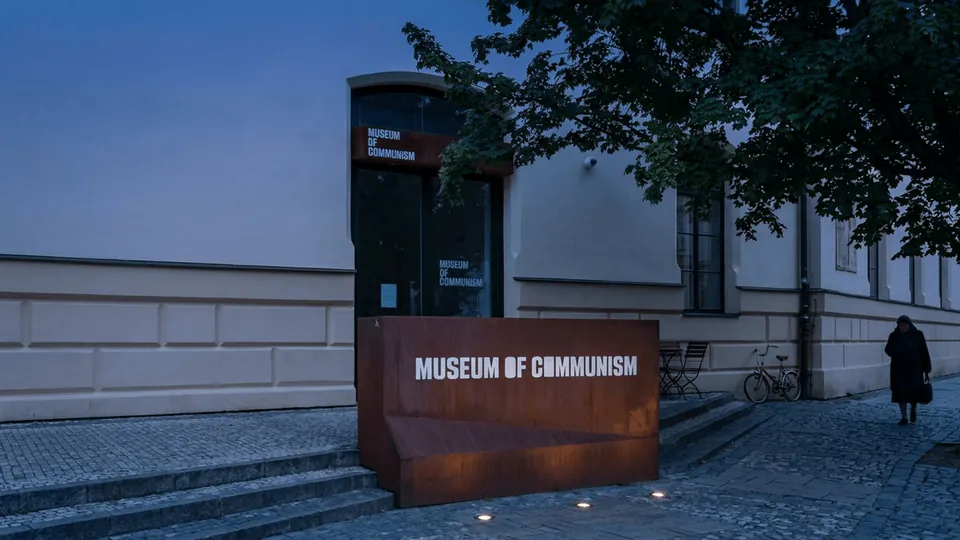
Muzeum komunismu (Museum of Communism)
Museum
About the Experience
The Muzeum komunismu prague offers a sharp look at the 41 years of totalitarian rule in Czechoslovakia. You'll find it near Republic Square, sitting right next to high-end shops. It’s a pointed bit of irony. Walk up to the first floor of the former Old Customs House. You'll leave the crowds behind for a world of failed promises and secret police. The exhibits cover everything from the 1948 coup to the 1989 Velvet Revolution. This isn't just a collection of dusty papers. You'll see how people lived when the state controlled every detail of life. It provides the context you need to understand why the city feels the way it does today. Gothic spires show the old glory, but this place shows the scars. You'll find it more useful than another walk through a castle. It explains the psyche of the local people. Don't skip it if you want the full story of Prague.
History & Significance
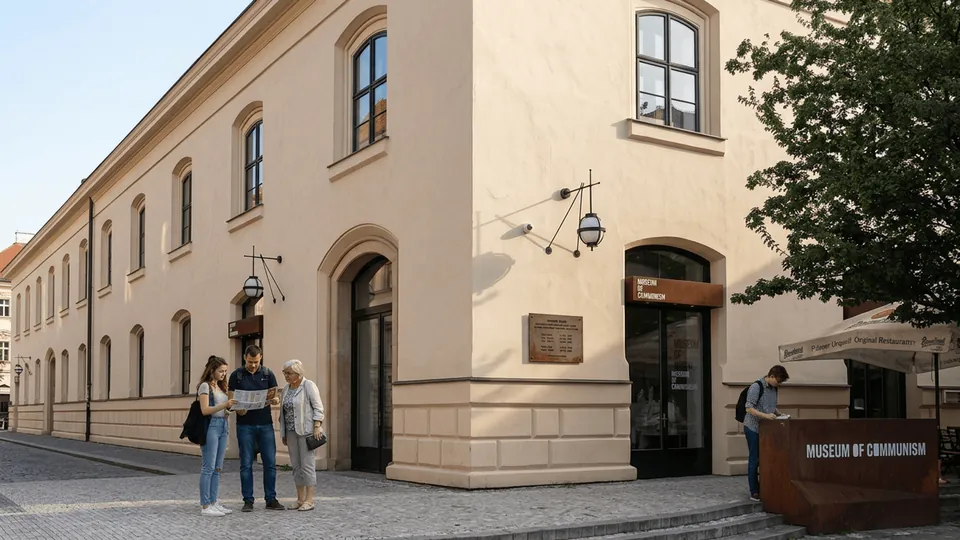
American businessman Glenn Spicker started the museum in 2001. He was a student of political science who saw the remnants of the Cold War vanishing. He decided to save them. He spent $28,000 at flea markets and junk shops to find over a thousand authentic items. He hired Jan Kaplan to build the narrative. Kaplan was a filmmaker who fled the regime in 1969. He designed the museum as a three-part tragedy: the dream, the reality, and the nightmare. It originally sat in the Savarin Palace. Later, it moved to a modern 1,500-square-meter space at V Celnici in the Nové Město area. The focus remains on preserving the truth of what happened between 1948 and 1989. Every item in the collection is real.
The Three-Act Tragedy: Ideological Inception and The Dream
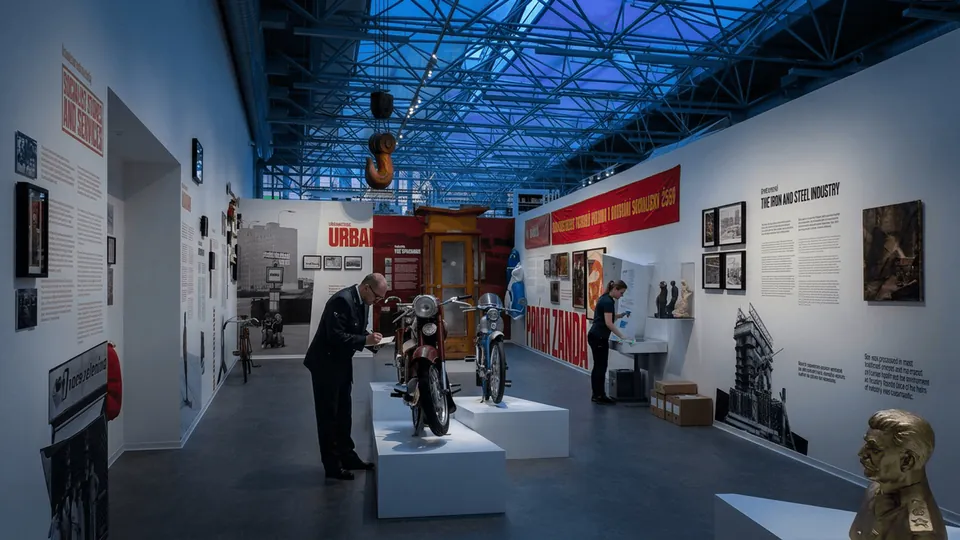
The museum breaks the communist experience into three parts. They call it a tragedy. It starts with "The Dream." After 1945, the party sold a future of equality to people tired of war. You'll see how Marx and Engels were used to sell this new world. The rooms are full of propaganda. Look at the posters of factory workers looking heroic. This was Socialist Realist art. It was the only style allowed. One display covers the massive Stalin monument that stood in Letna Park. It was the biggest statue in Europe. But the party blew it up with dynamite seven years later. It shows how quickly they turned on their own heroes.
The Reality: Daily Life, Deprivation, and Economic Mismanagement
"The Reality" shows what happened after the 1948 coup. Life got hard. The state took over every business and messed up the farms. You'll read about money losing its value. People spent hours in line for toilet paper. Walk into the life-sized socialist grocery store. The shelves are mostly empty. It has a single cabinet with generic state brands. It’s a sad sight. You'll also find a school classroom with rows of wooden desks. Check the blackboard for Russian words. This was where the indoctrination began. Nearby, a factory workshop shows the aggressive slogans workers had to live with every day.
The Nightmare: State Control, Paranoia, and The Secret Police
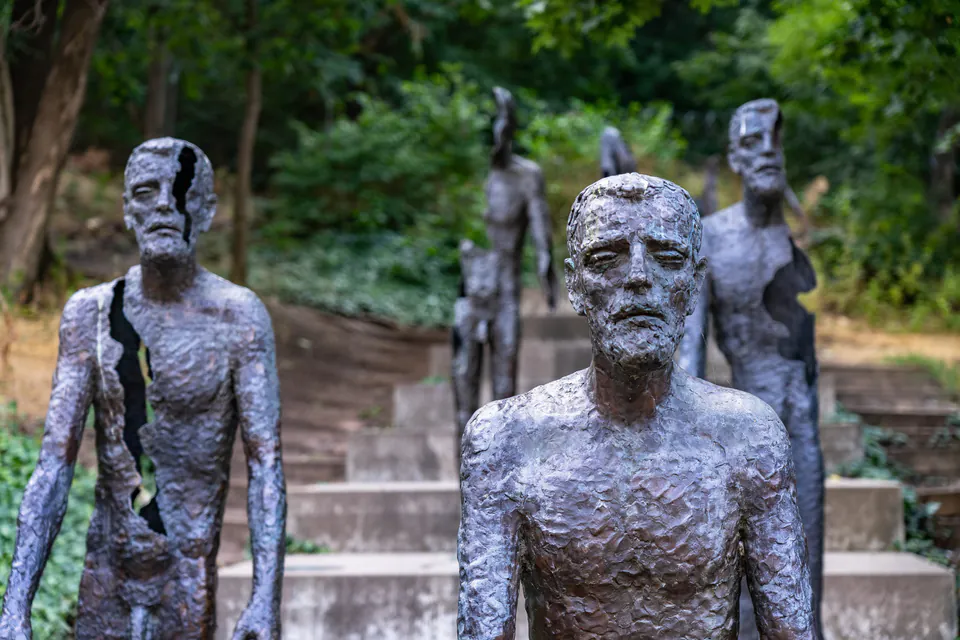
Then comes "The Nightmare." This is where things get dark. The focus is on the StB (secret police) and the paranoia they created. They used informants to watch everyone. You can't miss the interrogation room. It’s simple but horrifying. You'll see an unshaded desk lamp. A heavy typewriter. An uncomfortable wooden chair. It shows how they used minimal tools to create terror. It’s where they forced people to sign fake confessions. Read about Milada Horáková. She was the only woman they executed during the show trials. You'll see hidden cameras and wiretapping gear used to keep the population in line.
The Path to Liberation: The Prague Spring and The Velvet Revolution
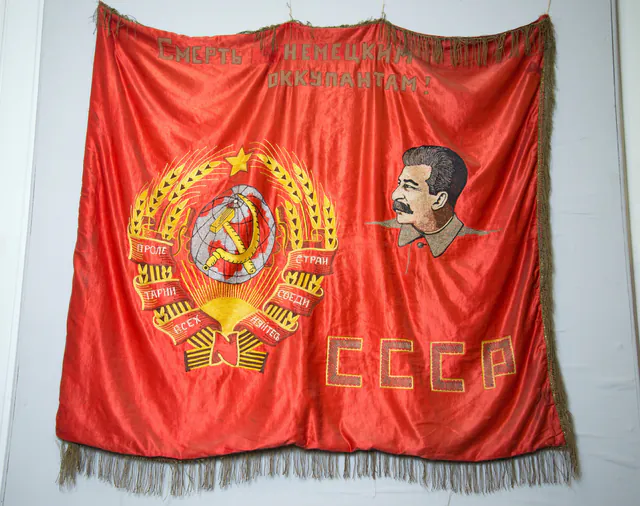
The end of the museum is more hopeful. It covers the long fight for freedom. You'll learn about the 1968 Prague Spring. Alexander Dubček tried to change things, but Soviet tanks crushed the movement. Then came the "Normalization" years. But the resistance didn't stop. You'll see the story of Jan Palach, the student who set himself on fire in Wenceslas Square. The experience ends in a cinema room. It shows footage from the 1989 Velvet Revolution. Watch the crowds jingle their keys to say goodbye to the party. It’s a powerful way to end the visit.
Tours & Experiences Nearby
Top-rated tours and experiences starting near Muzeum komunismu (Museum of Communism).
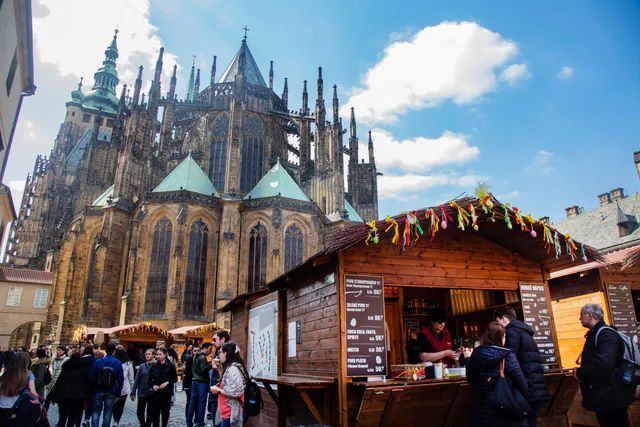 food tour
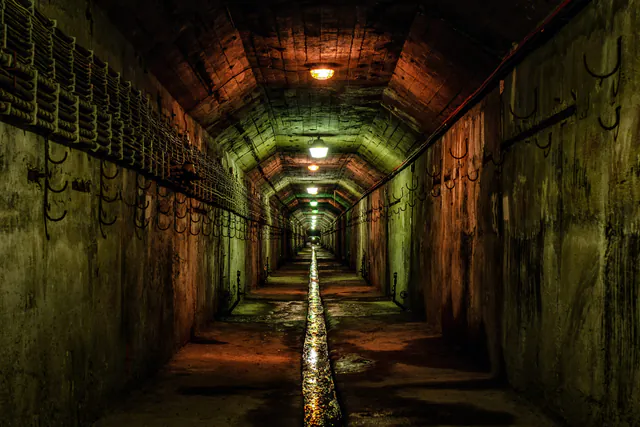 walking tour
 walking tour
 walking tour
Essential Visitor Tips
- Get there at 9
00 AM on a weekday. You'll beat the tour groups and have the space to yourself.
Pay attention to the English subtitles on the video screens. The stories from regular people are the most moving part.
Don't skip the movie at the end. The black-and-white footage of the 1989 protests is essential.
Take a break in the mezzanine cafe. The sections on labor camps can be a lot to process.
Walk over to Wenceslas Square afterward. You can see the actual spots where the revolution happened.
Best Time to Visit
"Show up at 9:00 AM on a weekday. If you can, visit in March or November. It's much quieter then."
Nearby Hotels
1 min walk (73m)
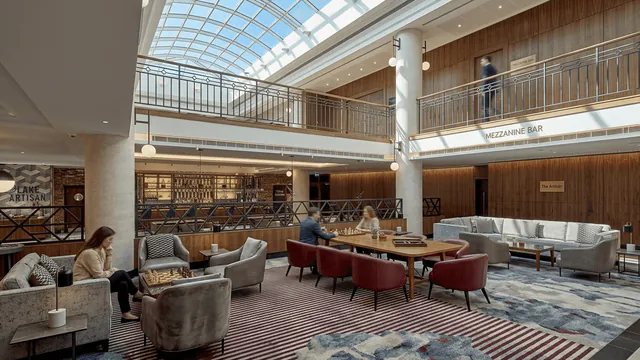
The Artisan (Zero-Waste Gastronomy) · Cubist-Inspired 'Great Room' Lobby
Price From €245/night
1 min walk (105m)
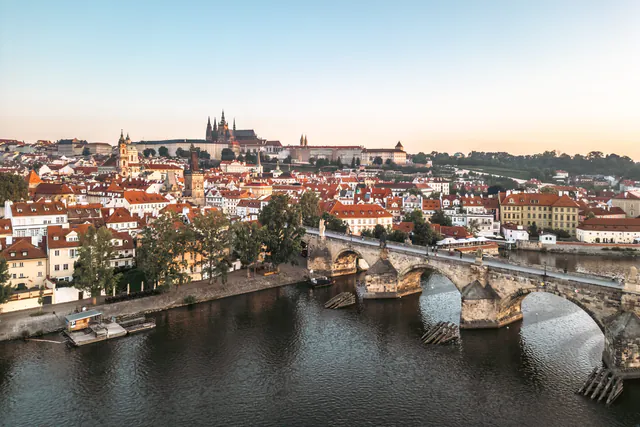
Apartment Neuf penthouse suite with BBQ terrace · BREEAM In-Use sustainability certification
Price From €75/night
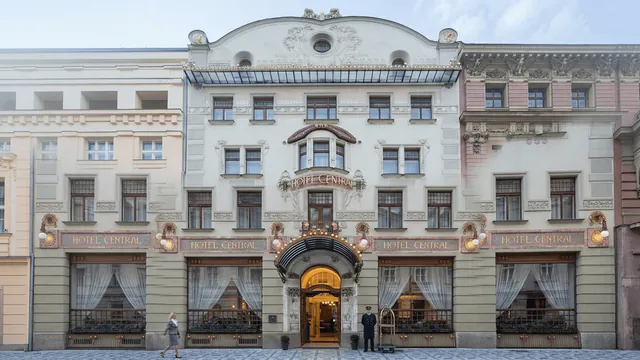
1 min walk (108m)
One of the oldest original Art Nouveau building facades in Prague, adorned with symbolic ginkgo and linden leaf stucco. · A spectacular historical theater hall meticulously converted into the Ohmann meeting space and a mezzanine breakfast room.
Price From €120/night
Nearby Restaurants
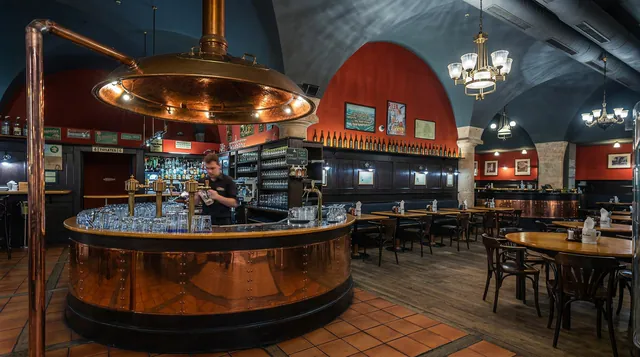
Kolkovna Celnice
Czech Casual • Moderate
You'll find Kolkovna Celnice right where Old Town hits the New Town. It's a mass...
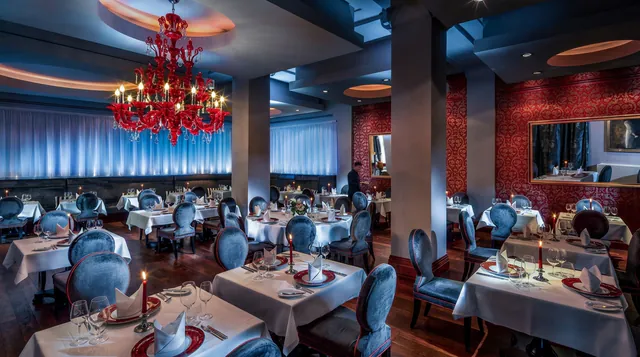
Restaurace Le Grill
International Fine Dining • Luxury
Push past the heavy wooden doors on Hybernská street and you'll leave the New To...
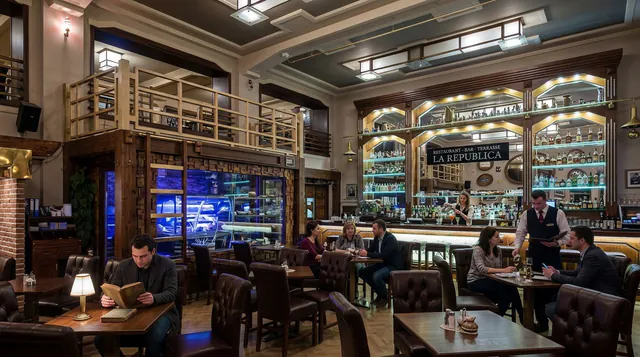
Restaurant La Republica
Czech Casual • Moderate
Walk into La Republica and you're back in the 1920s. It's built to mirror the Fi...
Frequently Asked Questions
How do I reach the Museum of Communism by public transport?
What other landmarks are located near the Museum of Communism?
Can I take photographs of the exhibits inside the Museum of Communism?
Is the Museum of Communism suitable for school-aged children?
Why is the Museum of Communism located in a commercial shopping area?
Where can I find a good place to eat near the Museum of Communism?
What kind of souvenirs can I buy at the Museum of Communism gift shop?
Does the Museum of Communism include information on the 1989 Velvet Revolution?
What are the opening hours of Muzeum komunismu (Museum of Communism)?
How much does it cost to visit Muzeum komunismu (Museum of Communism)?
How long should I spend at Muzeum komunismu (Museum of Communism)?
Is Muzeum komunismu (Museum of Communism) wheelchair accessible?
Quick Facts
The Neighborhood
Staré Město: Staré Město
Read Guide