Lobkowiczký palác
Palace
About the Experience
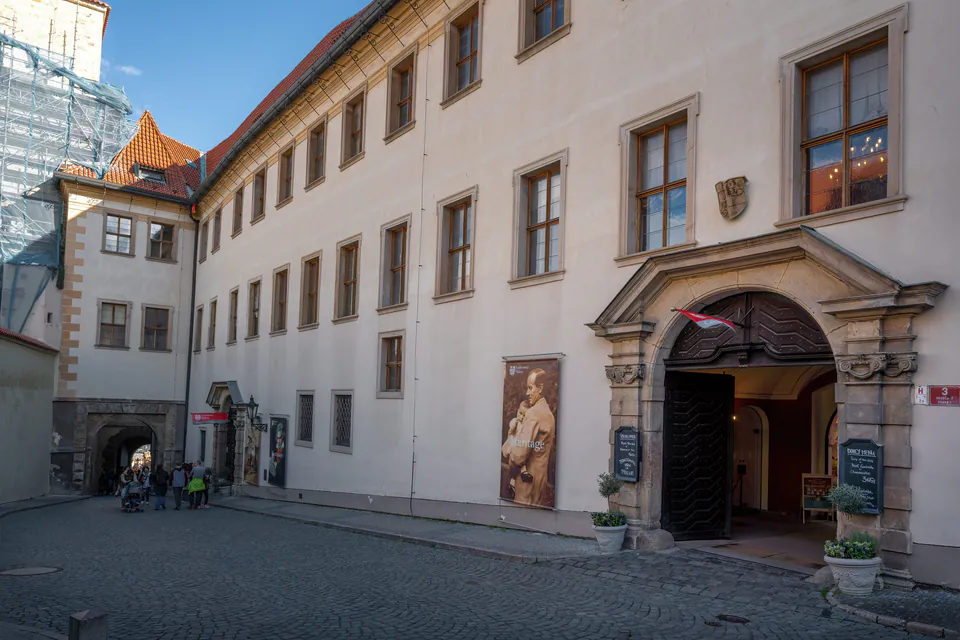
You'll find Lobkowicz Palace inside the massive Prague Castle walls, but it doesn't belong to the state. It's the only private building in the whole citadel. This gives it a personal, homey feel that the giant royal halls next door just can't match. It isn't a dusty museum. It's a living piece of Bohemian history holding one of Central Europe's oldest art collections. Walk past the Renaissance entrance. You'll leave the Hradčany crowds behind and enter a world the family fought for decades to get back from the Nazis and Communists.
The museum uses a personal audio guide. William Lobkowicz himself narrates it. Curators join in too. It's like a private tour with the owners. They'll walk you through 22 galleries. You'll see works by Canaletto, Bruegel, and Velázquez. Look for the scores by Beethoven and Mozart. The family tells you about their highs and lows. It makes the art feel human, not academic. It explains how the collection survived being stolen twice by totalitarian regimes.
Different travelers love this place. Music fans and art historians will be impressed by the depth. But it's also great if you just want to escape the castle chaos. The palace is often much quieter than the rest of the grounds. End your trip on the terrace. Grab a coffee and look at the 180-degree sweep of Prague's red roofs and the Vltava. Catch a concert in the Baroque Hall or just stare at Bruegel's brushwork. It's an essential stop for any trip to the capital.
History & Significance
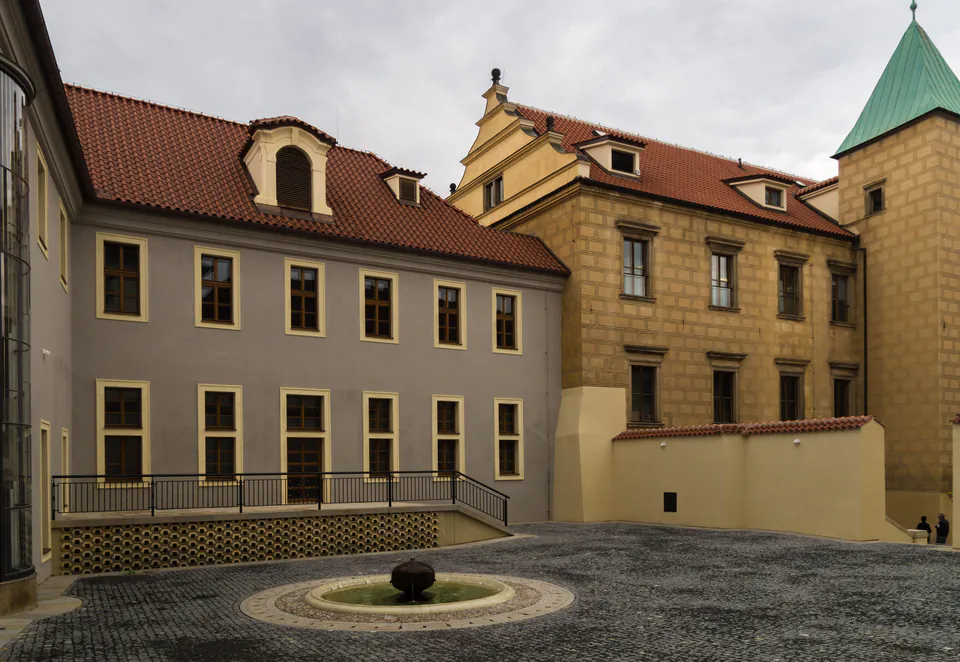
Jaroslav of Pernštejn built the place in the mid-16th century. Soon after, the House of Lobkowicz took over through marriage. They've looked after it for centuries. But the 20th century was brutal. The Nazis stole the palace and the art in 1939. The family got it back briefly after the war, but the Communists seized it again in 1948. After 40 years of exile, the family returned during the Velvet Revolution. It took 12 years of legal battles, but they finally won it back in 2002. They opened the museum five years later.
The Curatorial Triumph: Masterpieces of Fine Arts and Decorative Artifacts
The collection here holds over 20,000 objects. It's one of Europe's oldest private troves. You'll move through galleries that track European art history. The big draw is Pieter Bruegel the Elder’s Haymaking from 1565. It shows peasant life in incredible detail. Use the touchscreens to see what's hidden under the paint. It's a rare chance to see how a master worked.
The family had huge diplomatic reach. That's why you'll see so much Spanish and Italian art here. They own the third-biggest set of Spanish Renaissance portraits outside Madrid. Don't miss Diego Velázquez's painting of Infanta Doña Margarita Teresa. You'll also see Canaletto’s view of the River Thames. He sold it to them while running from the War of the Austrian Succession.
Check out the weird stuff too. Look for the Meissen Flying Dog porcelain. It's from the very start of European porcelain making. There's a 17th-century altarpiece made of ebony and garnets. Look for the nautilus shells and the Renaissance armor. The family calls these 'Art in 60 Seconds' bits. They show you how the Bohemian elite actually lived.
A Monumental Musical Legacy: Aristocratic Patronage and Archival Treasures
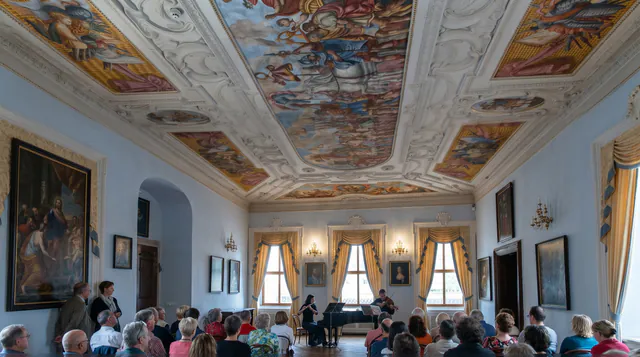
Music fans need to see this archive. It has 5,000 items collected over 300 years. The Lobkowicz family didn't just listen to music. They played it and paid the bills for geniuses. You'll see old lutes, stringed instruments, and rare scores. It's a direct link to the giants of Western music.
The Beethoven connection is the highlight. Franz Joseph Maximilian, the 7th Prince, paid Beethoven a yearly salary. He gave him space to rehearse too. That's why Symphony No. 3, the 'Eroica,' premiered in this palace in 1804. Look for the 1806 first edition. Beethoven originally meant it for Napoleon. But he changed his mind and dedicated it to the Prince instead.
You'll find Mozart and Haydn here too. See the score for Handel’s Messiah. Mozart personally wrote notes on it for a 1789 show. Only two of these exist. You can also see the first edition of Haydn’s The Creation. The 7th Prince didn't just pay for it. He sang the part of Raphael on stage.
The Restitution Epic: Confiscation, Exile, and Cultural Custodianship
The best part of the museum is the story of how the family got it all back. 700 years of history stopped in 1939 when the Nazis arrived. They took everything. The family returned after the war, but the 1948 Communist coup ended that. They lost their home and fled. For 50 years, the state used their palace for offices.
The 1989 Velvet Revolution changed the game. The family came home in 1991. President Václav Havel signed laws that let people fight for their stolen property. It was a massive 25-year job. They had to track down 65,000 books and 30,000 boxes of archives.
They finally won the palace back in 2002. Then they spent four years fixing it with their own money. The museum opened in 2007. The family sees themselves as caretakers now. They don't want to hide the art. They want to share it with you and keep the past alive.
Architectural Grandeur: Spatial Design, The Concert Hall, and Urban Vistas
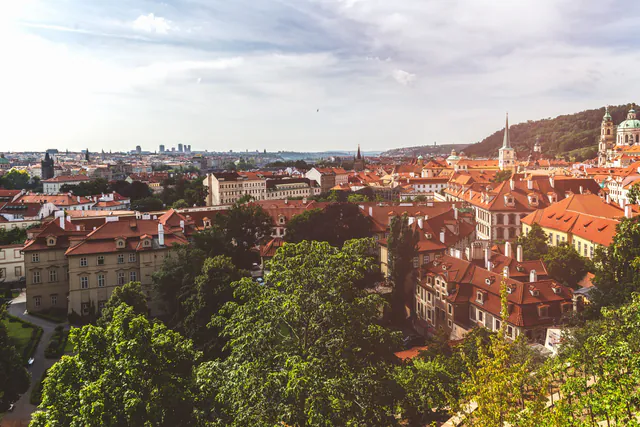
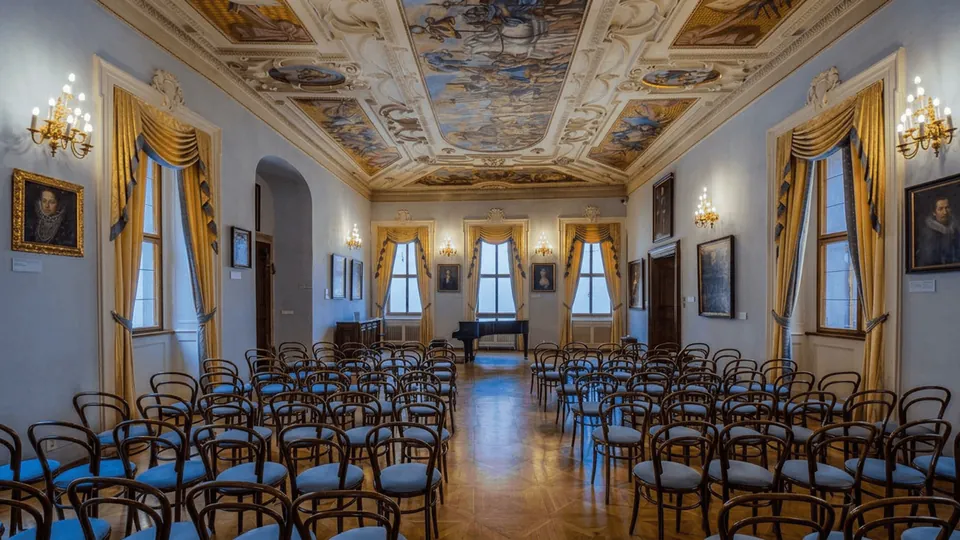
The building itself shows you how the high nobility lived. It started in the 1500s. But the 17th-century Baroque styles define it now. Look at the walls in the Imperial Hall. The paintings use a trick to look like 3D Roman statues. Find the St. Wenceslas Chapel too. It has medallions telling the story of the Czech patron saint.
The Baroque Concert Hall is the best room. It has huge frescoes on the ceiling with mythological scenes. You can actually hear music here. Local pros play works by Vivaldi and Mozart every day. Only 100 people can sit in. It's quiet and intimate. You'll hear the music just like a prince would have in the 1700s.
Finish at Café Lobkowicz. It sits high above the city. The terrace has one of the best views in Prague. You get a clear, 180-degree look at the river and the old town. Grab the 'Panorama Tour' audio guide. Eat a Czech pastry and let the guide point out the landmarks you can see from your chair.
Tours & Experiences Nearby
Top-rated tours and experiences starting near Lobkowiczký palác.
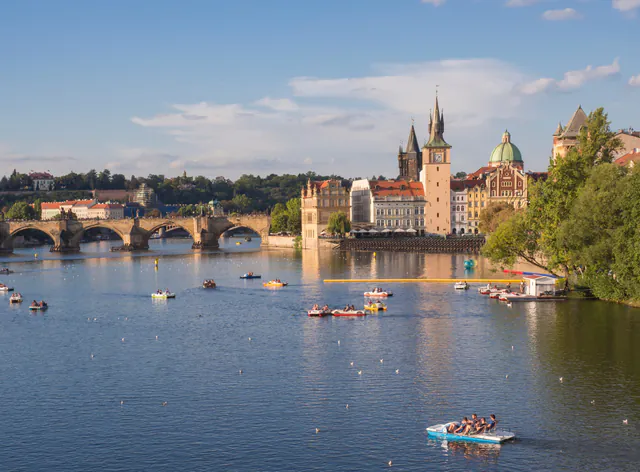 bike tour
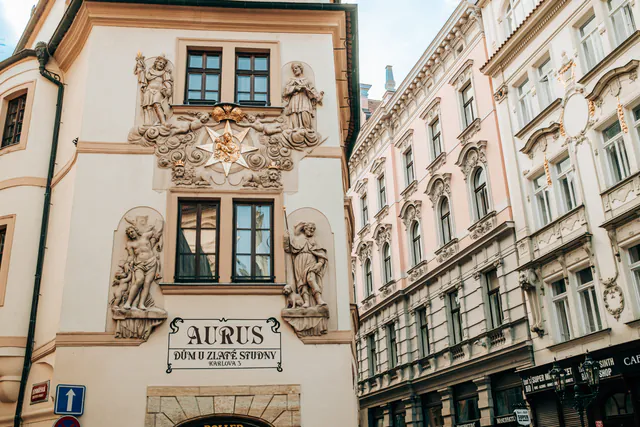 walking tour
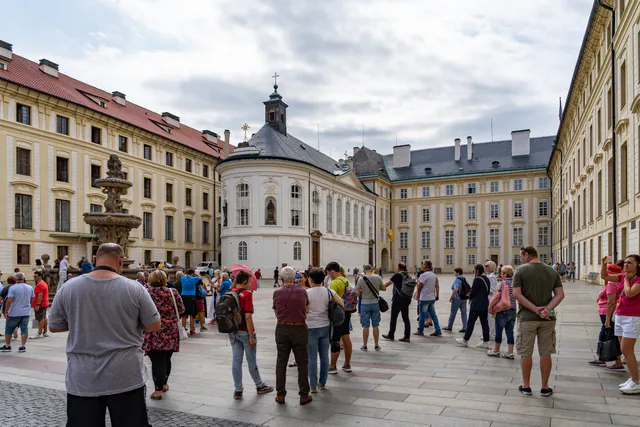 walking tour
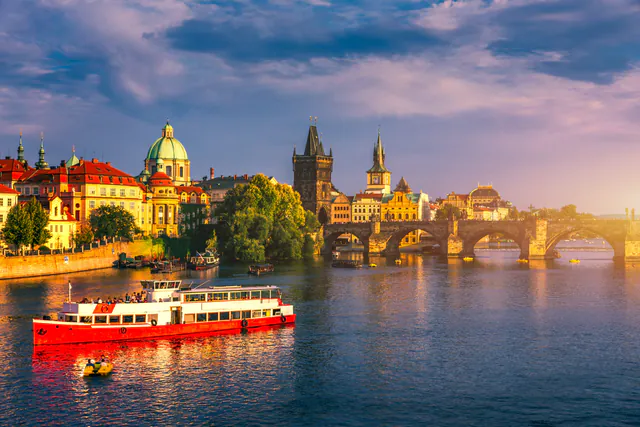 river cruise
Essential Visitor Tips
Use the family audio guide. William Lobkowicz tells the story. It explains how they saved their treasures from the Nazis and Communists.
- Book the midday concert. These happen daily at 1
00 PM in the Baroque Hall. It's small, quiet, and the sound is perfect.
Look for the Bruegel touchscreens. You can see the hidden lines under the paint of 'Haymaking'. It uses cool digital imaging.
Use the palace to hide. It's usually much quieter than the rest of the castle grounds. It's a great break from the afternoon crowds.
Get a terrace table. The café has a 180-degree view of Prague's red roofs. It's completely clear and great for photos.
Find the weird objects. Look for the 18th-century Inkwell Balloon. Don't miss the Bezoar stone. They show the odd side of royal life.
Best Time to Visit
"Get here at 10:00 AM on a Tuesday or Wednesday. Spring and autumn are best. You'll get the galleries to yourself before the castle crowds arrive."
Nearby Hotels
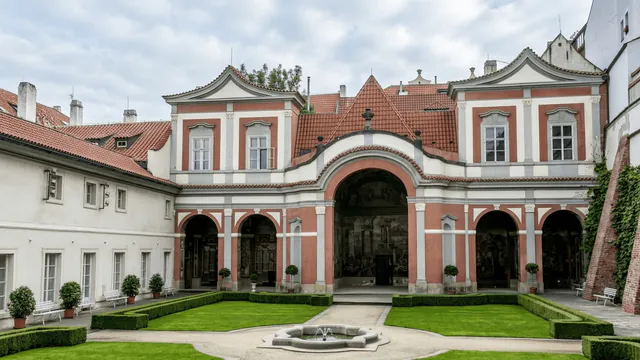
1 min walk (99m)
Private, direct access gate into the Royal Gardens of Prague Castle · Award-winning rooftop restaurant Terasa U Zlaté studně with panoramic views
Price From €250/night
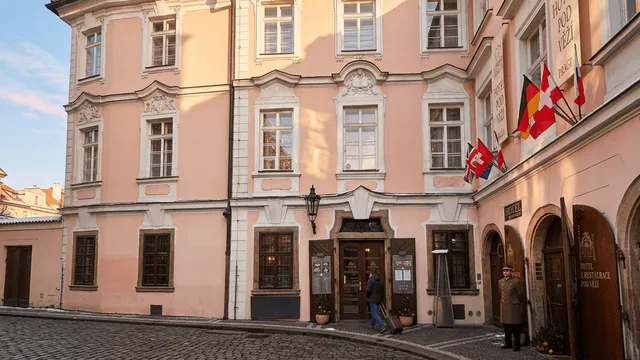
6 min walk (496m)
Unrivaled micro-location situated a mere 10 meters from the Charles Bridge Gothic Tower. · Private, guest-exclusive 3rd-floor rooftop terrace providing panoramic views of Prague Castle.
Price From €160/night
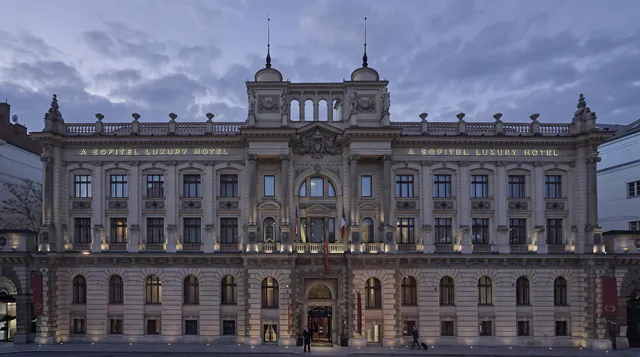
7 min walk (529m)
Exclusive private entrance to the UNESCO-listed Baroque Vrtba Garden (open seasonally). · Comprehensive musical theme featuring a dedicated musicologist and a 5,000+ CD/DVD library.
Price From €285/night
Nearby Restaurants
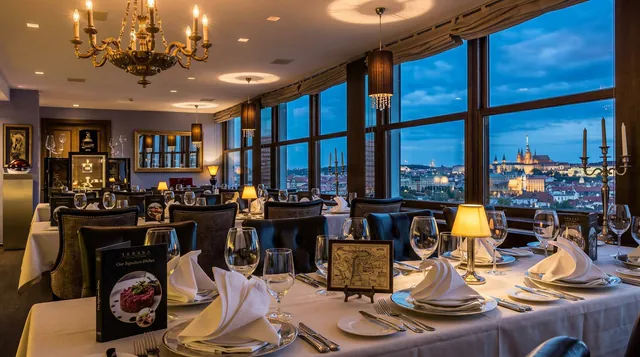
Terasa U Zlaté studně
International Fine Dining • Luxury
Head to the fourth floor of the Golden Well Hotel to find Prague's best seat. Yo...
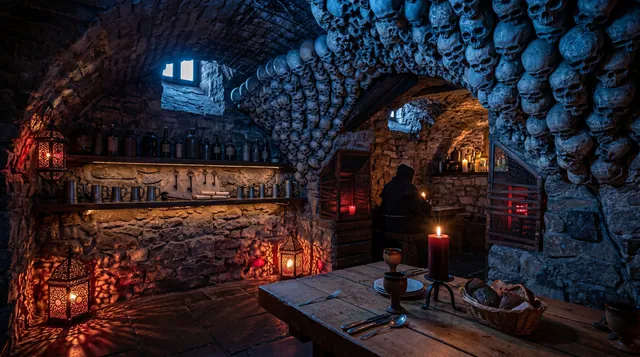
Tavern U Krále Brabantského
Czech Casual • Premium
Duck off the Royal Route into the shadows of Malá Strana and you'll find a place...
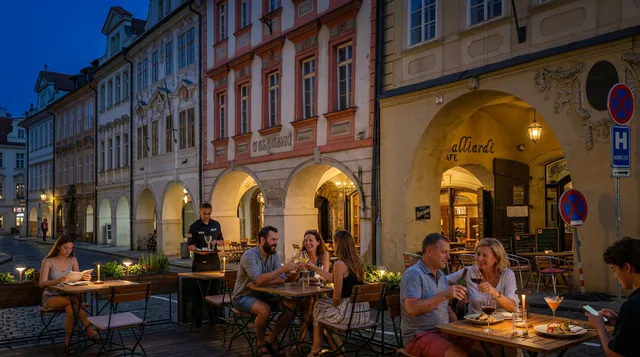
Restaurace U Glaubiců
Traditional Czech Casual • Moderate
You'll find Restaurace U Glaubiců right on Malostranské náměstí, sitting under t...
Frequently Asked Questions
Is Lobkowiczký palác part of the official Prague Castle tour?
Can I see original musical manuscripts at Lobkowiczký palác?
Are photos allowed inside Lobkowiczký palác?
What are the best things to do near Lobkowiczký palác?
Is there a place to eat at Lobkowiczký palác?
What kind of concerts are held at Lobkowiczký palác?
How do I get to Lobkowiczký palác?
How do I get an audio guide for Lobkowiczký palác?
What are the opening hours of Lobkowiczký palác?
How much does it cost to visit Lobkowiczký palác?
How long should I spend at Lobkowiczký palác?
Is Lobkowiczký palác wheelchair accessible?
Quick Facts
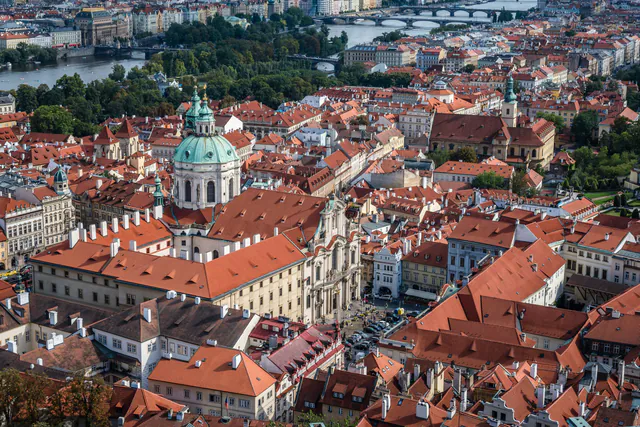
The Neighborhood
Malá Strana: Malá Strana
Read Guide