KGB Muzeum
Museum
About the Experience
Found on the steep, stony lanes of Malá Strana, the KGB Muzeum feels worlds away from the polished Baroque palaces nearby. This isn't your standard state museum. Forget white walls and hushed tones. It's a cramped and dim space. It feels intensely weird. This shrine to the Soviet secret police is located in two small rooms and a basement. Everything is packed with the dark tools of the Komitet Gosudarstvennoy Bezopasnosti. Don't expect to wander alone. Andrey, the intense Russian owner, runs the show. He plays loud military marches. He hands you deactivated guns while explaining the collection. It's a wild ride for Cold War buffs and spy fans. Just bring your critical thinking skills. The story is told through the eyes of a man who clearly admires the KGB. This stance sits uneasily with Prague's actual history of Soviet tanks and oppression. The basement is especially claustrophobic. It's filled with posters and gear from a vanished empire. Andrey knows every piece. He's passionate and eccentric. He wants you to feel the weight of the history. Even if you disagree with his take, the physical items are real. They're heavy. They're chilling. Be ready for a performance.
History & Significance
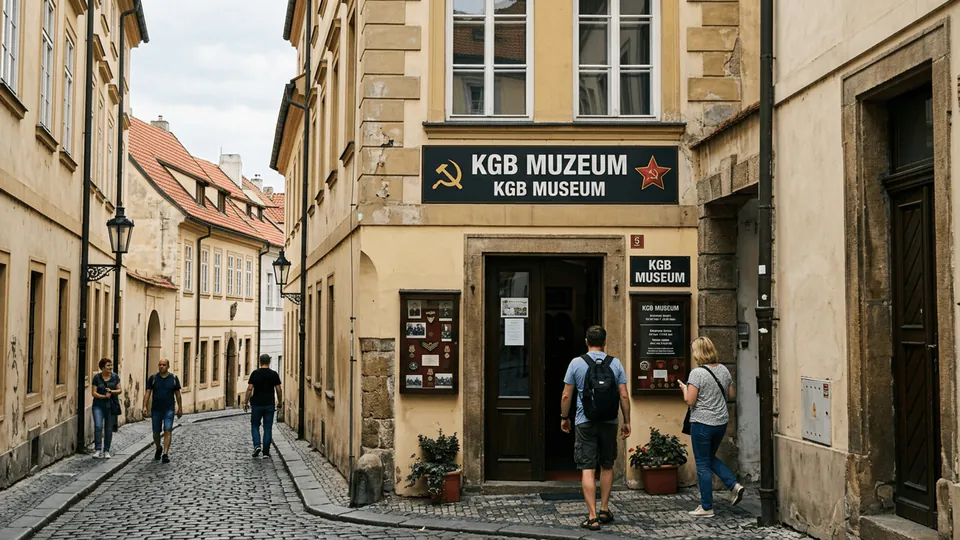
Andrey opened the doors here in 2011 at Vlašská 13. He's a Russian expat who packed up his massive haul of spy gear in St. Petersburg and moved it to the Czech capital. He operates under the name 'Black Rain.' This is a group of enthusiasts obsessed with Soviet intel history. Why Prague? Andrey figured Western tourists would pay to see this stuff. Cold War stories sell well here. Back in Russia, people aren't exactly lining up to celebrate the KGB legacy. They often avoid the topic entirely. It's a purely private venture. It's fueled by one man's lifelong collection and a sharp eye for what travelers want to see. He saw a gap in the market. He filled it with guns and cameras. The museum survives on the curiosity of people wanting a look behind the Iron Curtain.
The Technical Architecture of Soviet Surveillance: Tradecraft and Interception
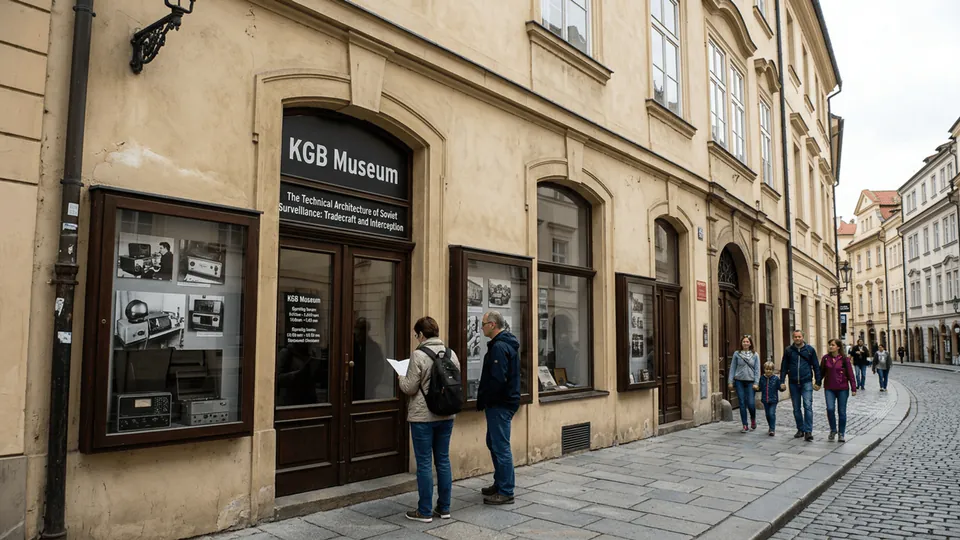
The sheer amount of spy tech here is terrifying. You'll see exactly how the Soviets watched everyone. Look for the hand-embroidered pincushions. They look innocent on a desk. But they hide tiny microphones for bugging living rooms. There's a modified phone that let officers record calls in secret without anyone knowing. One highlight is the actual phone Vladimir Lenin used at the Smolny Institute in 1917. It's the start of the whole surveillance machine. Don't miss the hidden optics. Check out the 1948 micro-camera and the cigarette case that's actually a camera. They even have fake hair and passport stamps for forgeries. The detail on the stamps is incredible. It shows how much work went into identity theft. It makes the movies look like child's play. This is real totalitarian control. You can feel the paranoia in every object. It's effective. It's cold.
The Physical Reality of Totalitarian Terror: Assassination and Interrogation Relics
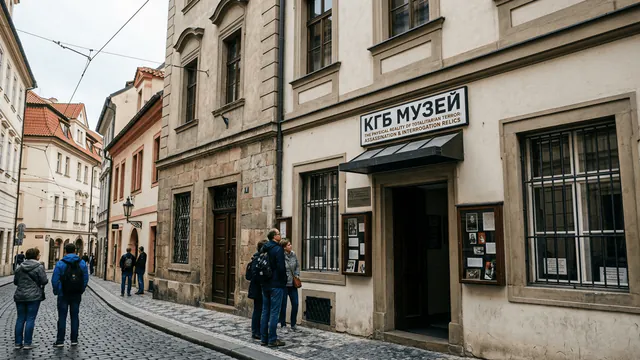
Some items in these cases are genuinely lethal. You'll see a walking stick that shoots poison pellets. It works just like the one used to kill Georgi Markov in London. Seeing it in person makes the Cold War feel very real. Then there's the weapon used to kill Leon Trotsky in 1940. Or 'Stalin's scarf,' a nasty wire garrote. These weren't for show. They were for ending lives. The museum also displays interrogation kits used in the field to get confessions. You can see the medical kits and the labs used by officers on the move. Even the clothes had a purpose. Look at the women’s uniforms with horsehair tassels. They were designed to confuse tracking dogs. The dogs wouldn't attack if they smelled horses. It's grim and deeply chilling. Every item tells a story of survival or death. You won't look at a walking stick the same way again.
Personal Relics of the High Command: Cults of Personality and Soviet Leadership
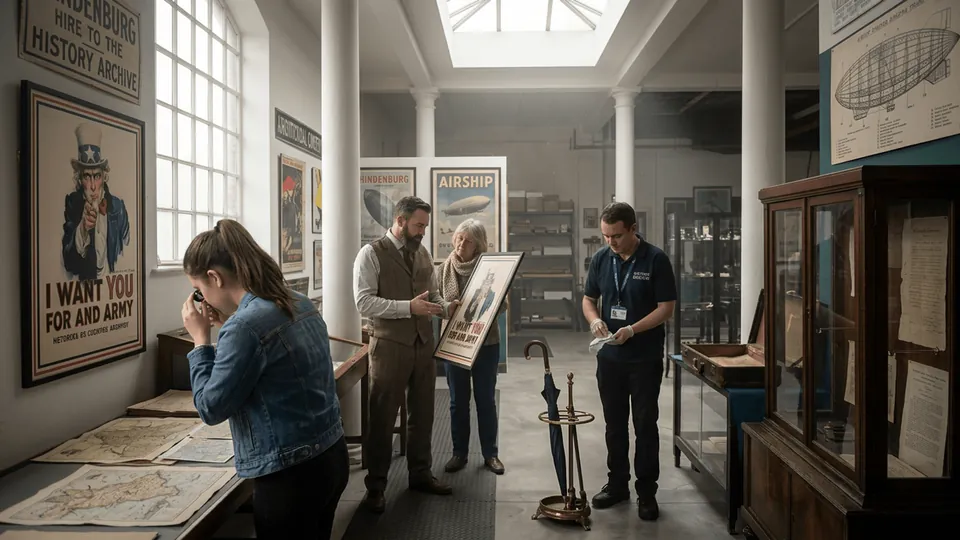
The museum gets personal with the Soviet elite. You'll find an original death mask of Lenin. It was meant for worship. But the owner pairs it with Lenin's actual ceramic chamber pot from St. Petersburg. It's a brutal way to humanize a dictator. It reminds you these men were just people, despite the myth-making. You can also stand next to a massive radio that belonged to Lavrentiy Beria. He ran the Gulags and the Great Purge. Knowing a man responsible for millions of deaths used this object every day is heavy. Relics like these are a physical manifestation of absolute power. They serve as tangible reminders of the past. The sweeping strategies of the Cold War were ultimately directed by mortal men. By keeping these macabre items, the museum offers a rare glimpse into the center of Soviet power. You'll leave feeling a bit uneasy. It's worth the discomfort.
Historiographical Dissonance: The 1968 Prague Spring and the Curator's Performance
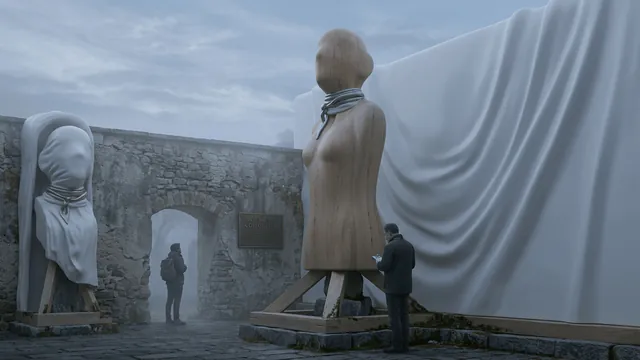
Prague still remembers 1968 as a year of tanks and tragedy. But the kgb muzeum prague shows a different side. You'll see photos of the invasion taken by a KGB officer. They show quiet streets and smiling soldiers. It's pure propaganda. It completely ignores the protests and the people killed by Soviet troops. This is where the museum gets controversial. Andrey's performance includes loud music and photo ops with Kalashnikovs. Some love the hands-on feel. Others find it offensive that he doesn't condemn the KGB crimes. He treats the history like a point of pride. You have to decide for yourself where the line is. It's a rare chance to see how the secret police saw themselves. The tension in the room is part of the experience. It demands that you engage with the past. Don't just look. Think about the source.
Tours & Experiences Nearby
Top-rated tours and experiences starting near KGB Muzeum.
 bike tour
 walking tour
 walking tour
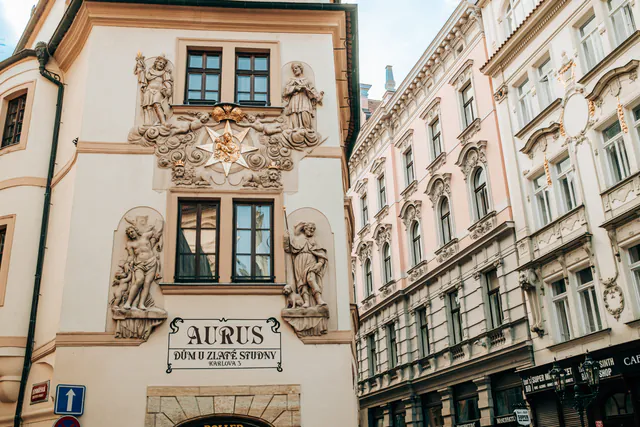 walking tour
Essential Visitor Tips
Expect a show. The owner is a performer, so expect loud music and a very high-energy delivery.
Wait your turn. Space is tiny and tours are personal. You might be stuck on the sidewalk for a while.
Get hands-on. You'll likely be offered a deactivated AK-47 to hold or a Soviet cap to wear.
Keep your guard up. Listen to the stories, but remember the history from a Czech perspective too.
Plan your exit. After the intensity of the tour, go clear your head at the nearby St. Nicholas Church.
Best Time to Visit
"Go on a Tuesday or Wednesday morning. It’s the best way to avoid the weekend crowds that swamp Malá Strana."
Nearby Hotels
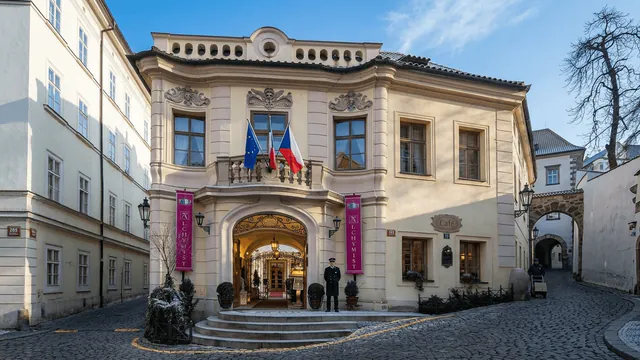
1 min walk (110m)
An expansive 11th-century Gothic cellar housing the tranquil Ecsotica Spa · A highly secluded, flower-adorned interior courtyard featuring a central fountain
Price From €215/night
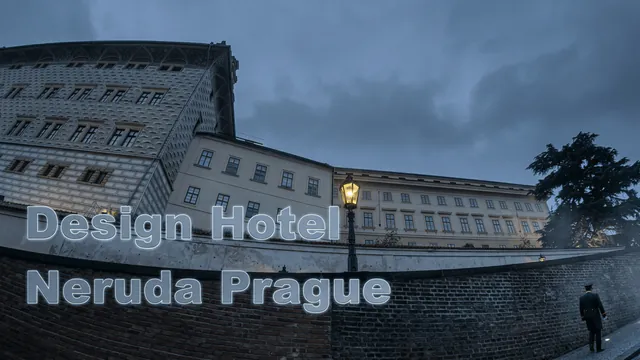
3 min walk (213m)
14th-century convent and House of the Three Eagles integration · Bespoke glasswork by acclaimed designer Bořek Šípek
Price From €110/night
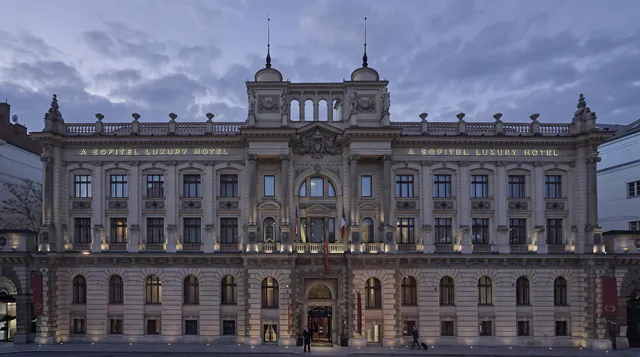
3 min walk (223m)
Exclusive private entrance to the UNESCO-listed Baroque Vrtba Garden (open seasonally). · Comprehensive musical theme featuring a dedicated musicologist and a 5,000+ CD/DVD library.
Price From €285/night
Nearby Restaurants
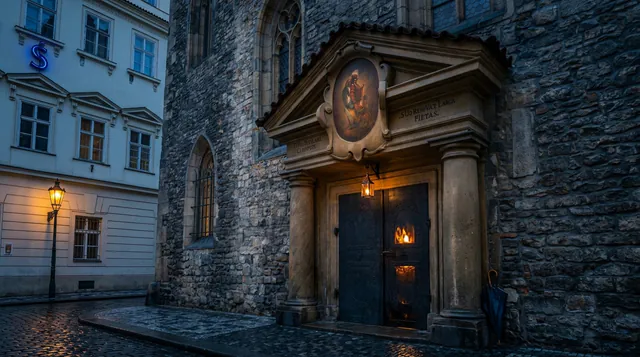
St. Martin
Fusion Bistro • Moderate
Tucked away on a quiet street in Malá Strana, St. Martin is your escape from the...
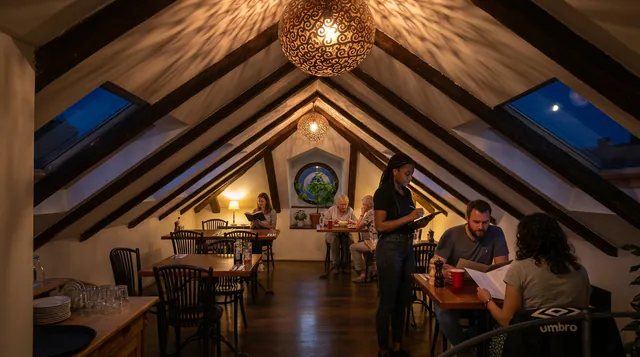
Vegan's Restaurant Prague
International Casual • Moderate
You'll find this spot tucked into the attic of a 16th-century house on Nerudova ...
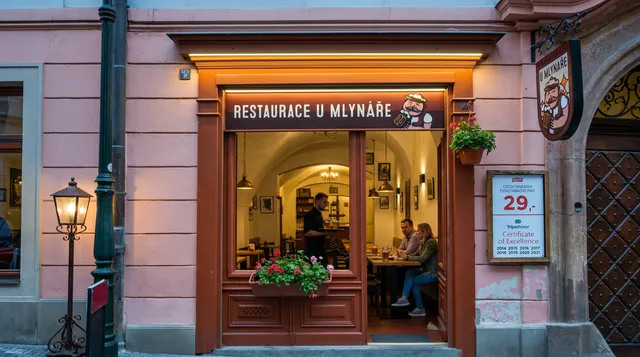
Restaurace U Mlynáře
Czech Casual • Moderate
You'll find Restaurace U Mlynáře on Nerudova Street, the steep climb toward Prag...
Frequently Asked Questions
How do I get to the KGB Muzeum?
Is photography allowed inside the KGB Muzeum?
What kind of artifacts can I see at the KGB Muzeum?
What makes the KGB Muzeum different from other Prague museums?
Is the KGB Muzeum suitable for young children?
What are some attractions near the KGB Muzeum?
Does the KGB Muzeum cover the 1968 Prague Spring?
Is the KGB Muzeum a good choice for Cold War history buffs?
What are the opening hours of KGB Muzeum?
How much does it cost to visit KGB Muzeum?
How long should I spend at KGB Muzeum?
Is KGB Muzeum wheelchair accessible?
Quick Facts
Find Hotels Nearby
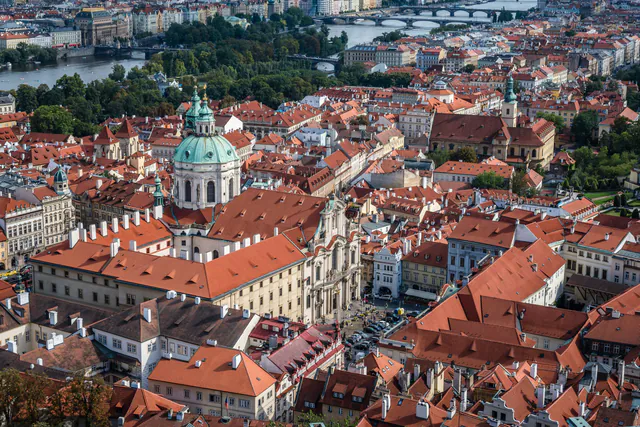
The Neighborhood
Malá Strana: Malá Strana
Read Guide