Muzeum Franze Kafky
Museum
About the Experience
This museum sits in an old brickworks on the Vltava. It isn't a library. It's a mood. You'll enter a space that is dark and weird. It uses sound and light to mimic Kafka's stories. This isn't just about facts. It's about a feeling. It's about the weight of a city on a man. You'll see first editions and diaries. They aren't just sitting in glass cases. They hang from the ceiling. They hide in dark corners. It's for anyone who wants to feel the dread of the 20th century. Walk in. Get lost.
You'll feel a deliberate sense of being lost. The designers wanted to echo the bureaucracy of The Trial. The halls are dim. The red lights are low. The exhibit splits into two themes. First, you see how Prague shaped Kafka's mind. Second, you see how he turned Prague into a nightmare on the page. The letters to his father are here. The romantic struggles are here too. Original manuscripts sit in moving cases. You have to move your body to read the text. It's a physical experience.
It's a spot for everyone. Scholars will find rare papers and notes. Sociology fans will see the old city. This was a place where German and Jewish and Czech cultures met. It was a city on the edge of a world war. Even if you haven't read his books, you'll be hooked. The multimedia shows are sharp. The location in Malá Strana is perfect. It's the most honest museum in the city. He is the ghost of this city. This is his house.
Photos
History & Significance
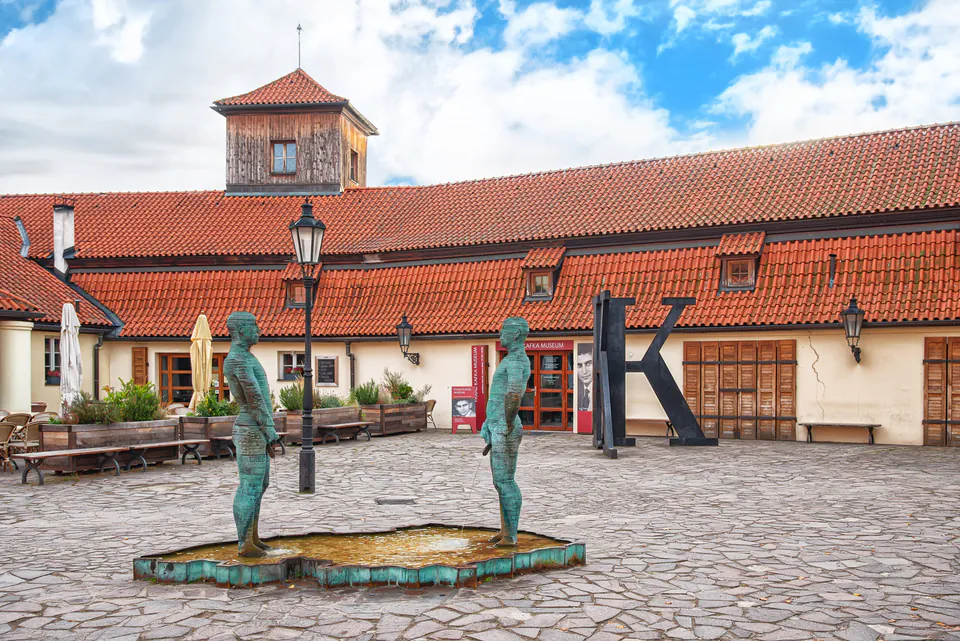
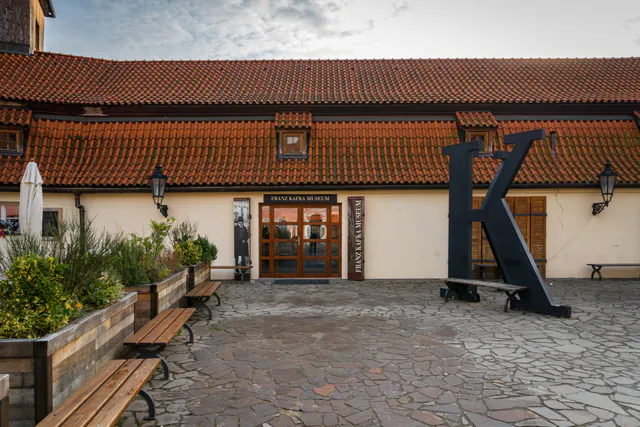
This exhibition started in Barcelona in 1999. It was part of a series on city writers. It went to New York in 2002. Finally, it came home to Prague in 2005. The home is the Hergetova Cihelna. It's a brickworks from 1903. Look for the oval kiln. It went from making bricks to storing ghosts.
The Visionary Creation of Miroslav Joudal
Miroslav Joudal didn't come from a library. He was a police photographer. He spent years shooting crime scenes and accidents. This shaped the museum. It isn't a timeline. It's an environment. Joudal wanted to show the invisible powers of the world. He saw how logic fails. He saw how bureaucracy crushes people. He chose this building for a reason. It combines 12th-century stone with 1928 functionalism. It's a weird mix of old and new. It's a paradox. It challenges what a museum can be.
He spent twenty years building this. It wasn't just a job. It was a vision. He wanted you to see the architecture of your own life. He wanted you to feel the weight of society. Joudal finished the work and then he died. Now he's a permanent part of the show. He's buried right here in the museum. It's a quiet and fitting end for a man who spent his life watching the world's dark corners. His legacy ensures the museum stays true to Kafka's voice. It's a living piece of art.
Existential Space: The Realities of Prague
Prague has claws. Kafka called it his little mother with claws. The first section shows his life here. It's called the Existential Space. You'll see original diaries and diplomas. You'll see the letters he wrote to his family. The city felt like a prison to him. His father, Hermann, looms large in every room. You see the schools and the old law university. These places molded him into a lawyer. It was a role he hated. The exhibit keeps things grounded. It uses his own words to tell the story.
Then comes the office work. He hated his job at Assicurazioni Generali. He felt crushed by the Workers' Accident Insurance Institute. Pull open the heavy black drawers. Read the letters where he begs for time to write. You can feel the weight of his desk. It's a tactile experience. You aren't just reading about his misery. You're pulling it out of the wall. This job fueled his nightmares. It turned into his prose. You see how the boredom of the office became the terror of the books. It's heavy and it should be.
The Bureaucratic Nightmare and Civic Identity
Don't believe the hermit myth. Kafka wasn't a shut-in. He read Flaubert and Dostoyevsky. He watched the world. He had a small library but he read every page twice. He tracked the fall of the empire. He saw the rise of Czechoslovakia. He even bought war bonds. He was a citizen of his time. The museum proves he was watching us. He wasn't just a ghost in a room. He was a man in the street.
His day job was pure bureaucracy. He worked as chief secretary at the insurance institute. He wrote reports on fingers lost in lumber mills. He spent ten years looking at blood on paperwork. This is where the nightmare started. Power processed through red tape. It's cold and indifferent. He saw how the law didn't care about the man. The museum shows this clearly. You see the technical reports. You see the accident files. This is the real world that built his fiction. It's where the Kafkaesque was born. It's about how the system eats the soul.
Kafka's Imagined Prague
The second half turns Prague into a dream. It's the Imaginary Topography. Kafka rarely named streets in his books. He used the city's bones to build nightmares. Here, you see the real spots. St. Vitus Cathedral becomes the dark church in The Trial. The path to the execution goes through Malá Strana. Even the view from Mikulášská Street shows up in his stories. The city isn't a postcard here. It's a machine of control.
Prague is the main villain. Schools. Churches. Prisons. They are all here. They represent authority. They represent isolation. The exhibition uses 3D models and music. The sound was made just for this room. You're walking through his head. The physical city dissolves into a state of mind. You'll see how his apartment view became a scene in The Judgment. It's an immersive path through his brain. It proves that Prague was more than a home. It was his antagonist. It was the thing he couldn't escape.
Tours & Experiences Nearby
Top-rated tours and experiences starting near Muzeum Franze Kafky.
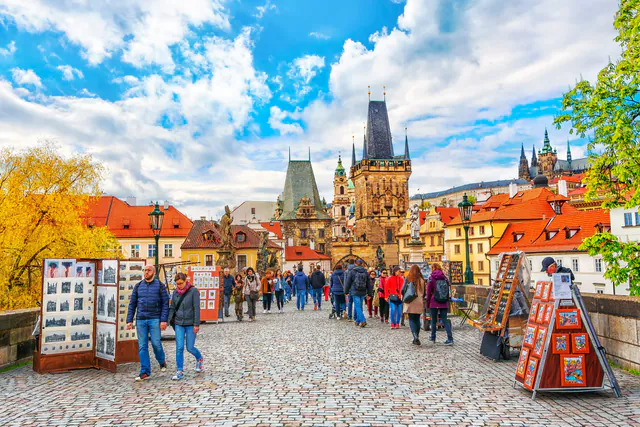 walking tour
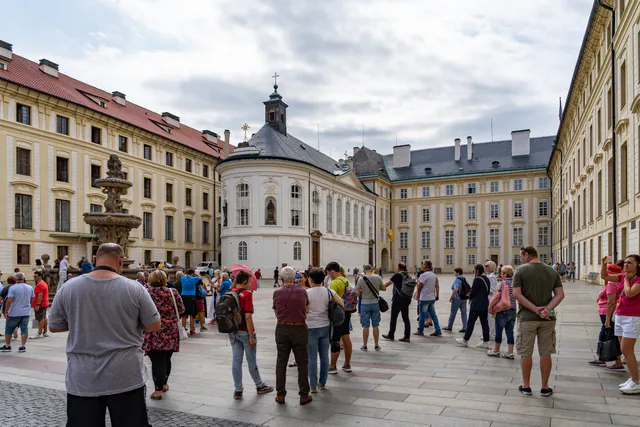 walking tour
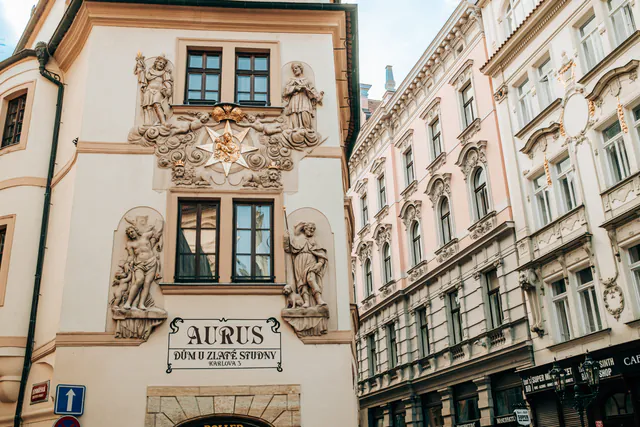 walking tour
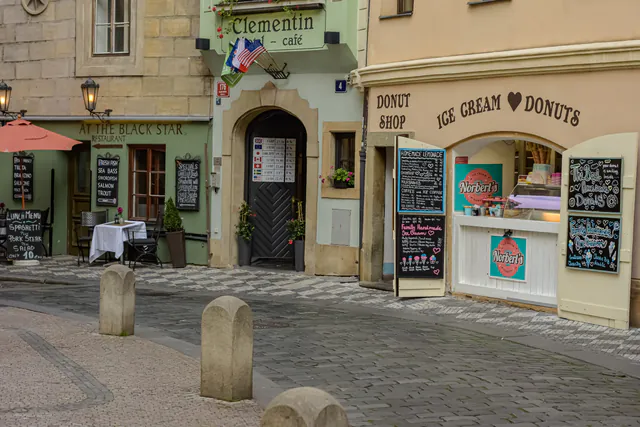 pub crawl
Essential Visitor Tips
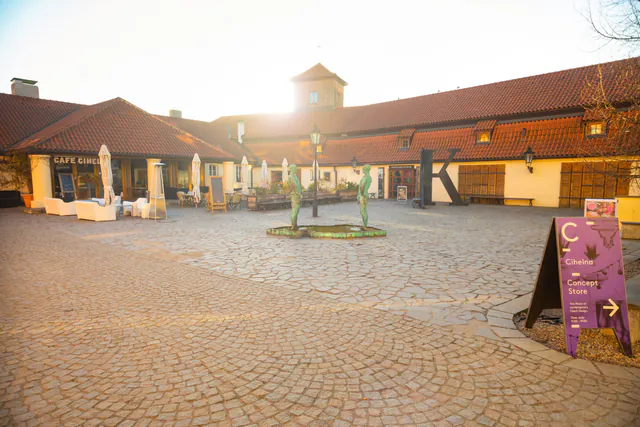
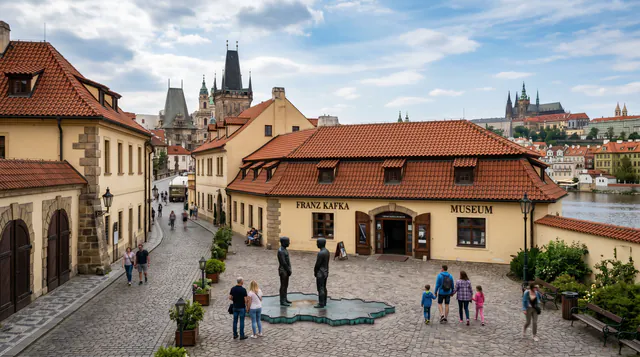
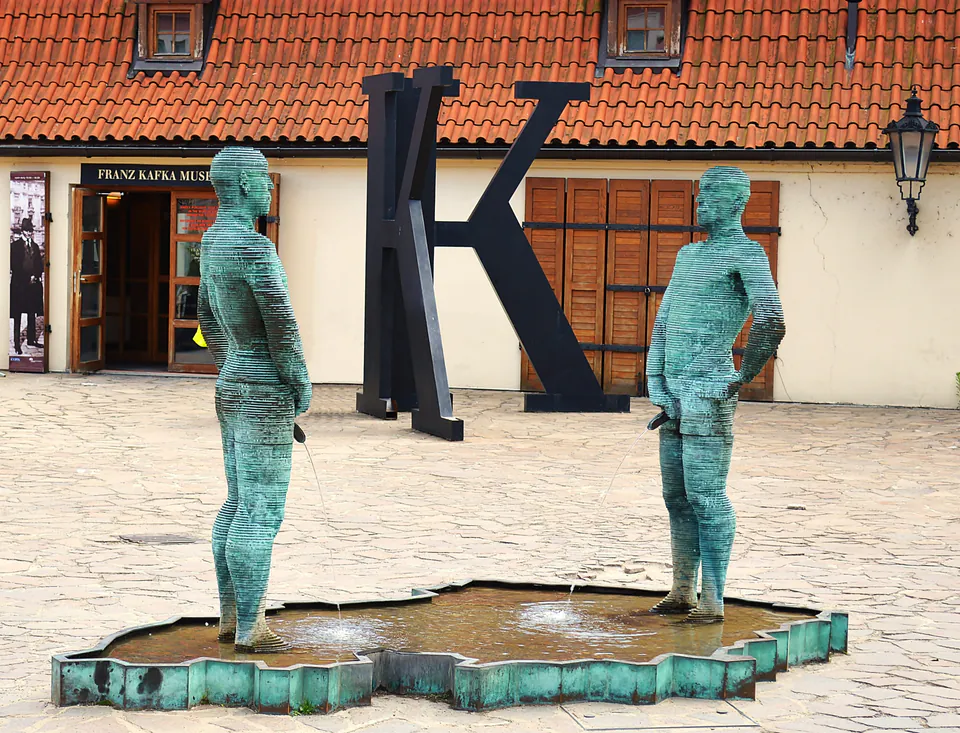
Check the 'Proudy' statue in the yard. It's by David Černý. Text +420 724 370 770. The bronze men will pee your message into the pool.
Expect to feel lost. The red lights and dark halls are meant to confuse you. Just go with it.
Buy the 'Franz Kafka's Prague' map. It costs 60 CZK. Use it to find his old apartments later.
Cross the river to U Radnice 5. That's his birthplace. Look for the plaque.
Bring your glasses. There is a lot of small handwriting. The lights are dim.
Best Time to Visit
"Go between 10:00 AM and 1:00 PM on a Tuesday or Wednesday. You'll have the dark halls to yourself."
Nearby Hotels
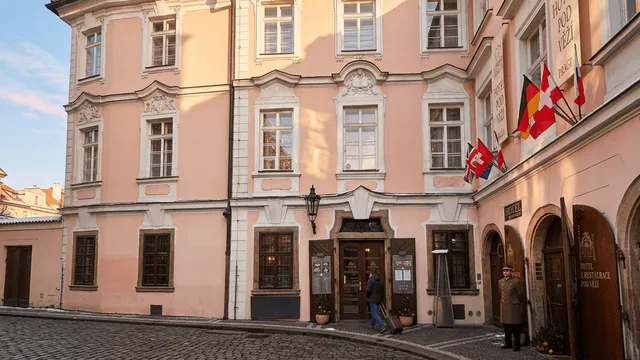
3 min walk (241m)
Unrivaled micro-location situated a mere 10 meters from the Charles Bridge Gothic Tower. · Private, guest-exclusive 3rd-floor rooftop terrace providing panoramic views of Prague Castle.
Price From €160/night
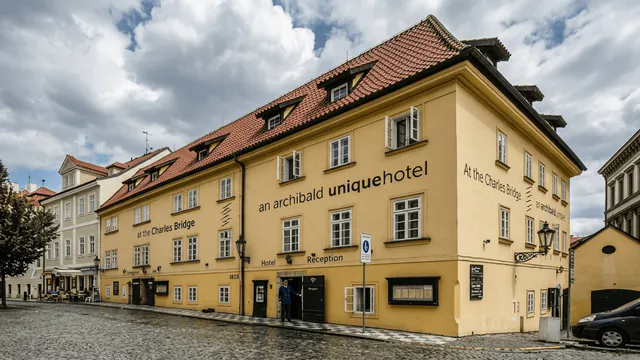
3 min walk (251m)
National Heritage Architectural Preservation: A meticulously preserved 16th-century structure with authentic vaulted brick ceilings. · Unobstructed River and Bridge Topography: Premium rooms offering direct sightlines of the Vltava River and the Charles Bridge.
Price From €90/night
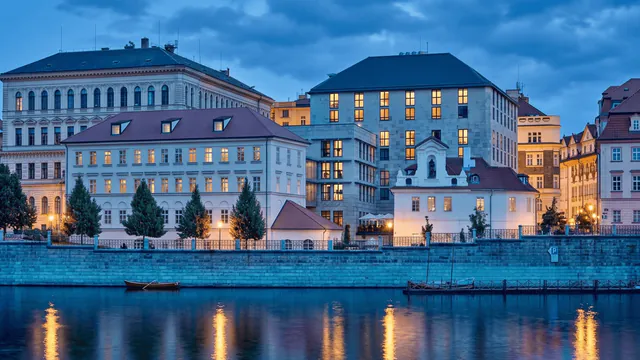
5 min walk (375m)
AVA Spa featuring local mineral waters and thermal therapies overlooking the castle · CottoCrudo restaurant with an exclusive riverside terrace and premium raw bar
Price From €535/night
Nearby Restaurants
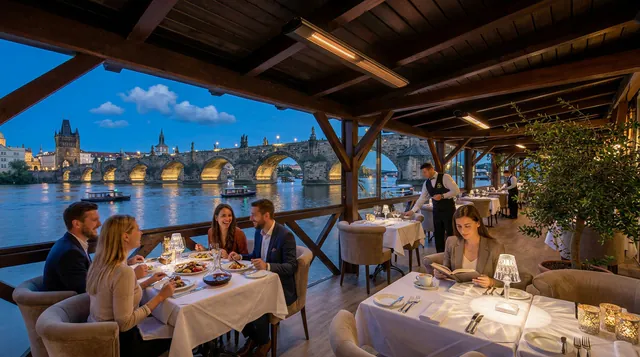
Kampa Park Restaurant
International Fine Dining • Luxury
You'll find Kampa Park Restaurant Prague right where the Vltava hits the stone a...
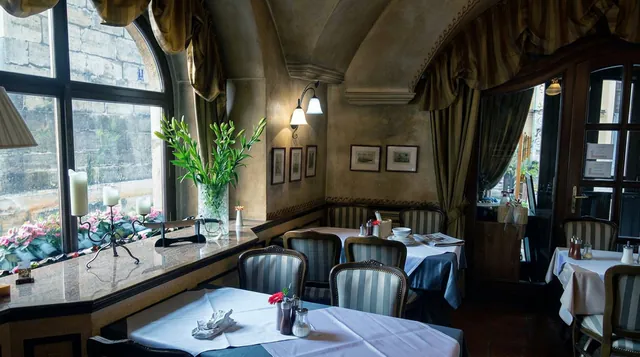
Restaurant Pod Věží
International Fine Dining • Premium
Find this spot right under the Lesser Town Bridge Tower. It's a quiet break from...
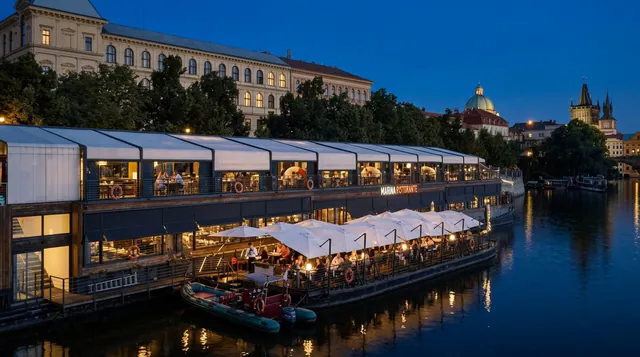
Marina Ristorante
Italian Fine Dining • Premium
You'll find Marina Ristorante permanently docked at Alšovo nábřeží. It's a massi...
Frequently Asked Questions
How do I get to the Franz Kafka Museum in Prague?
What other attractions are near the Franz Kafka Museum?
Is photography allowed inside the Franz Kafka Museum?
What makes the Franz Kafka Museum different from a typical biography exhibit?
Should I bring anything specific for my visit to the Franz Kafka Museum?
What is the significance of the Franz Kafka Museum's location?
Are there places to eat near the Franz Kafka Museum?
Is the Franz Kafka Museum a good choice for a rainy day in Prague?
What are the opening hours of Muzeum Franze Kafky?
How much does it cost to visit Muzeum Franze Kafky?
How long should I spend at Muzeum Franze Kafky?
Is Muzeum Franze Kafky wheelchair accessible?
Quick Facts
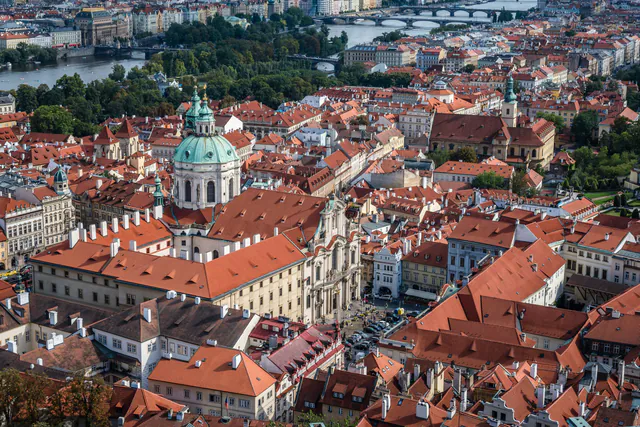
The Neighborhood
Malá Strana: Malá Strana
Read Guide