Absintherie Jilská
Museum
About the Experience
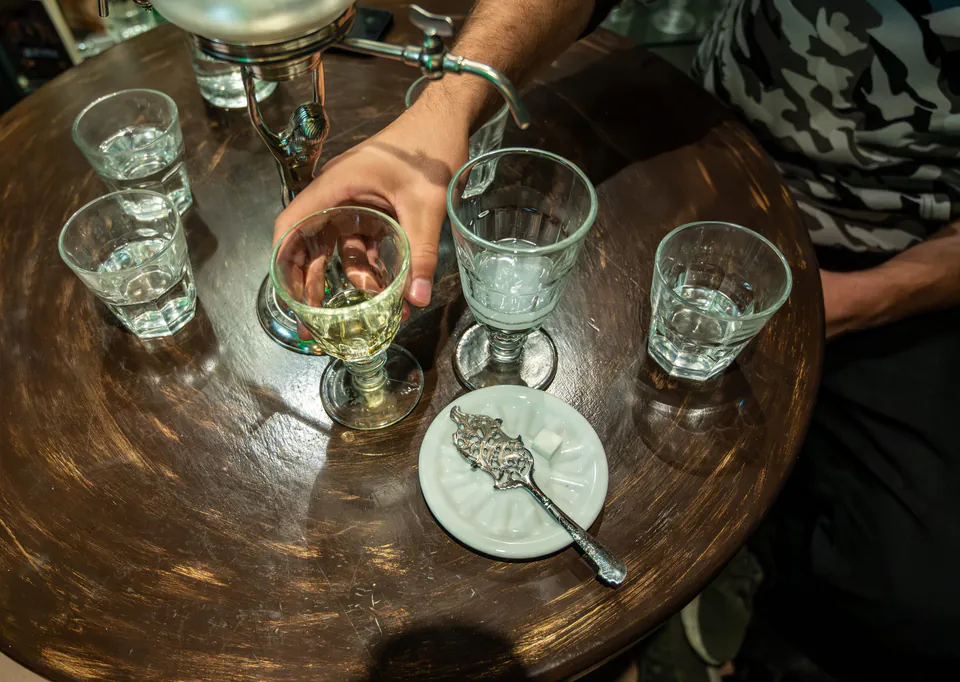
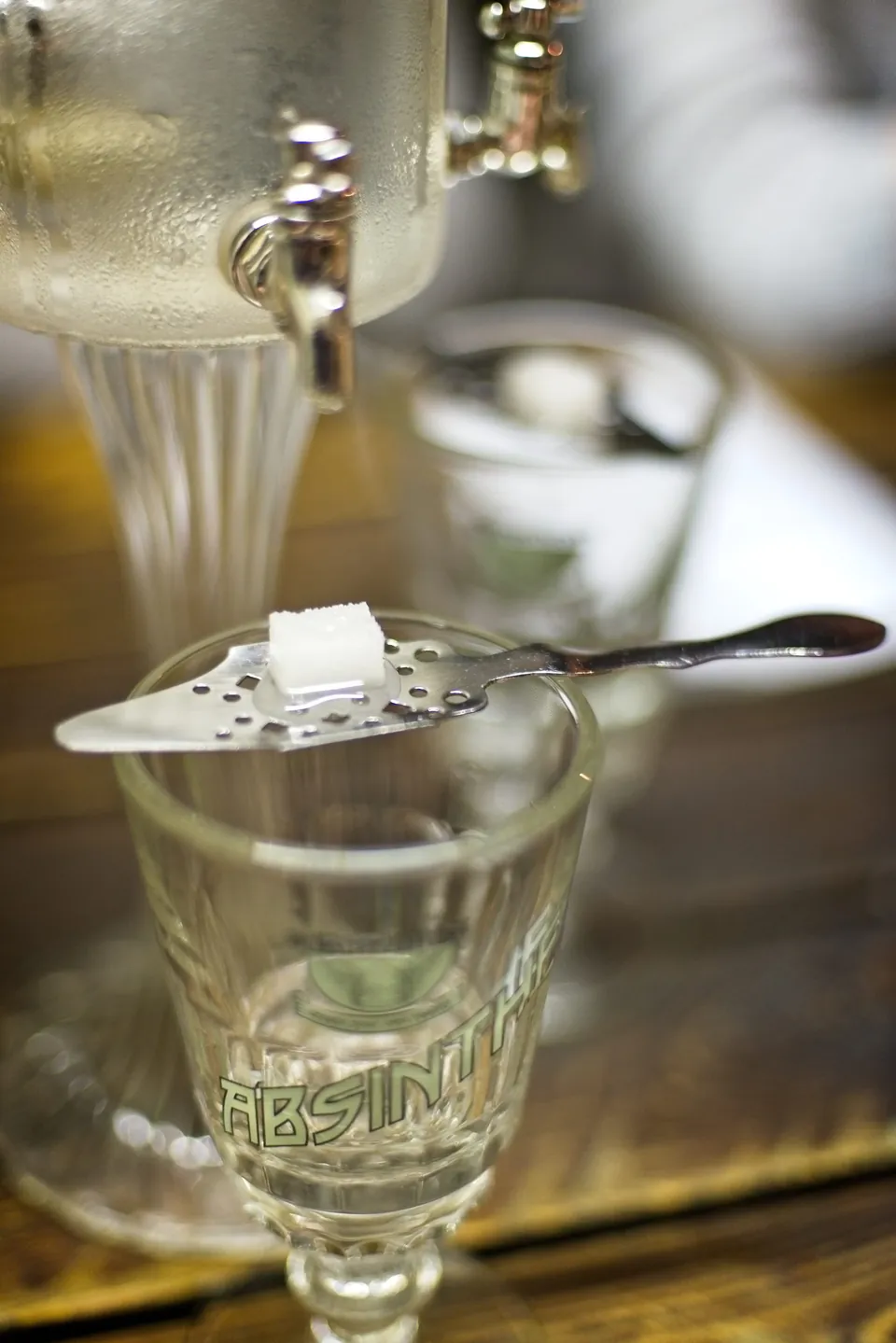
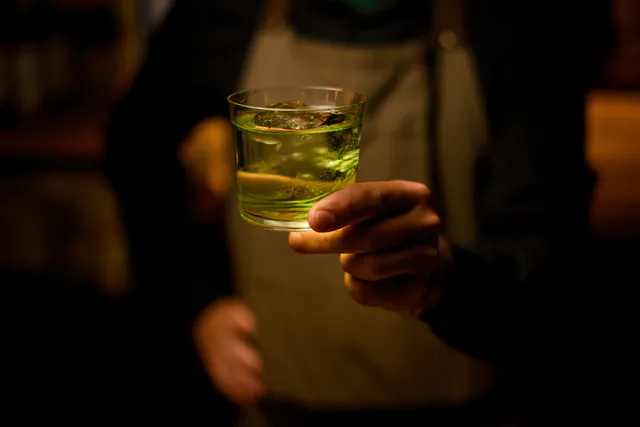
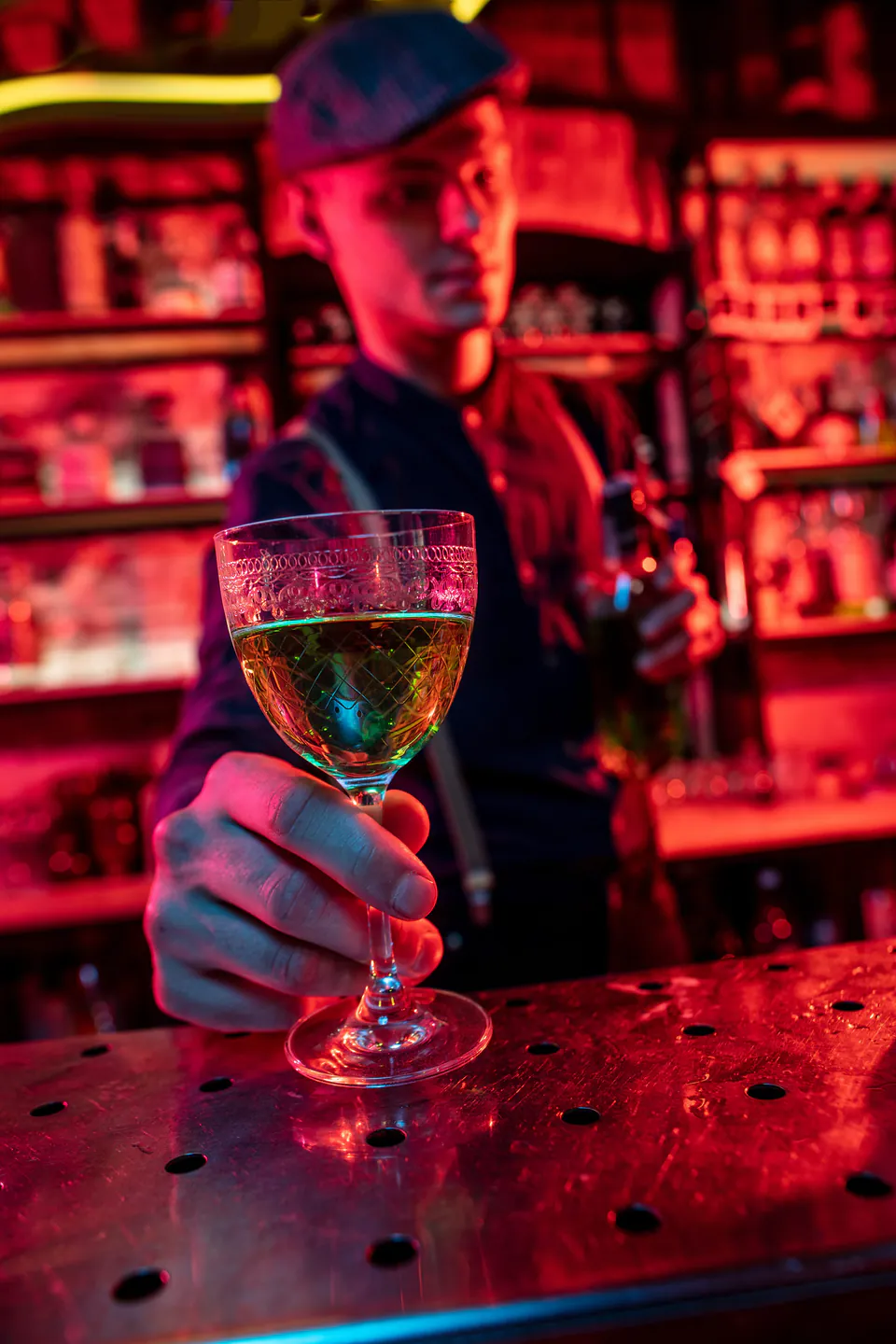
Skip the neon-lit traps selling fake firewater to stag parties. You'll find Absintherie Jilská on a quiet side street in the Old Town. It works as both a museum and a high-end lounge. The mission is simple. They want to kill the myths about the green fairy and treat the spirit with respect. Inside, the noise of Staré Město disappears. You're surrounded by 250 rare bottles in lit cabinets. Look for the antique brass fountains and those delicate slotted spoons from the Belle Époque. Peruse the artifacts before you sit down. The lounge feels analytical but very atmospheric. Sit down and pick from 100 different types. The staff are experts. They'll do the "louche" right at your table. Watch the ice water drip from the fountain. The green liquid slowly turns into a cloudy, opalescent mist. It's a bit of a show. But it's also the correct way to drink it. You can try a local Žufánek or a "Death in the Afternoon" cocktail while the piano plays. It's a smart escape from the usual crowds. It appeals to anyone who wants to engage with Prague's Bohemian legacy without the gimmicks. You'll find the history and the chemistry of the spirit are actually more interesting than the myths.
Photos
History & Significance
This spot opened in the early 2010s to fix the bad reputation of Czech spirits. It draws on a tradition that never actually stopped. Back in the First Republic, between 1918 and 1938, writers and artists sipped absinthe at Slavia Café or the Daliborka bar. It was the drink of choice for the city's creative elite. While France and most of the world banned the stuff in 1914, Czechoslovakia just kept on distilling. The wine industry couldn't lobby hard enough here to shut it down. After the Velvet Revolution in 1989, brands like Staroplzenecký and Hill’s hit the market hard. This bar is the peak of that national revival. It holds one of the biggest collections of absinthe gear in Central Europe. You can see how the spirit evolved from a simple herbal remedy into a cultural icon. It's a piece of Prague's history that stayed legal through wars and revolutions.
The Alchemy and Botany of the Green Fairy
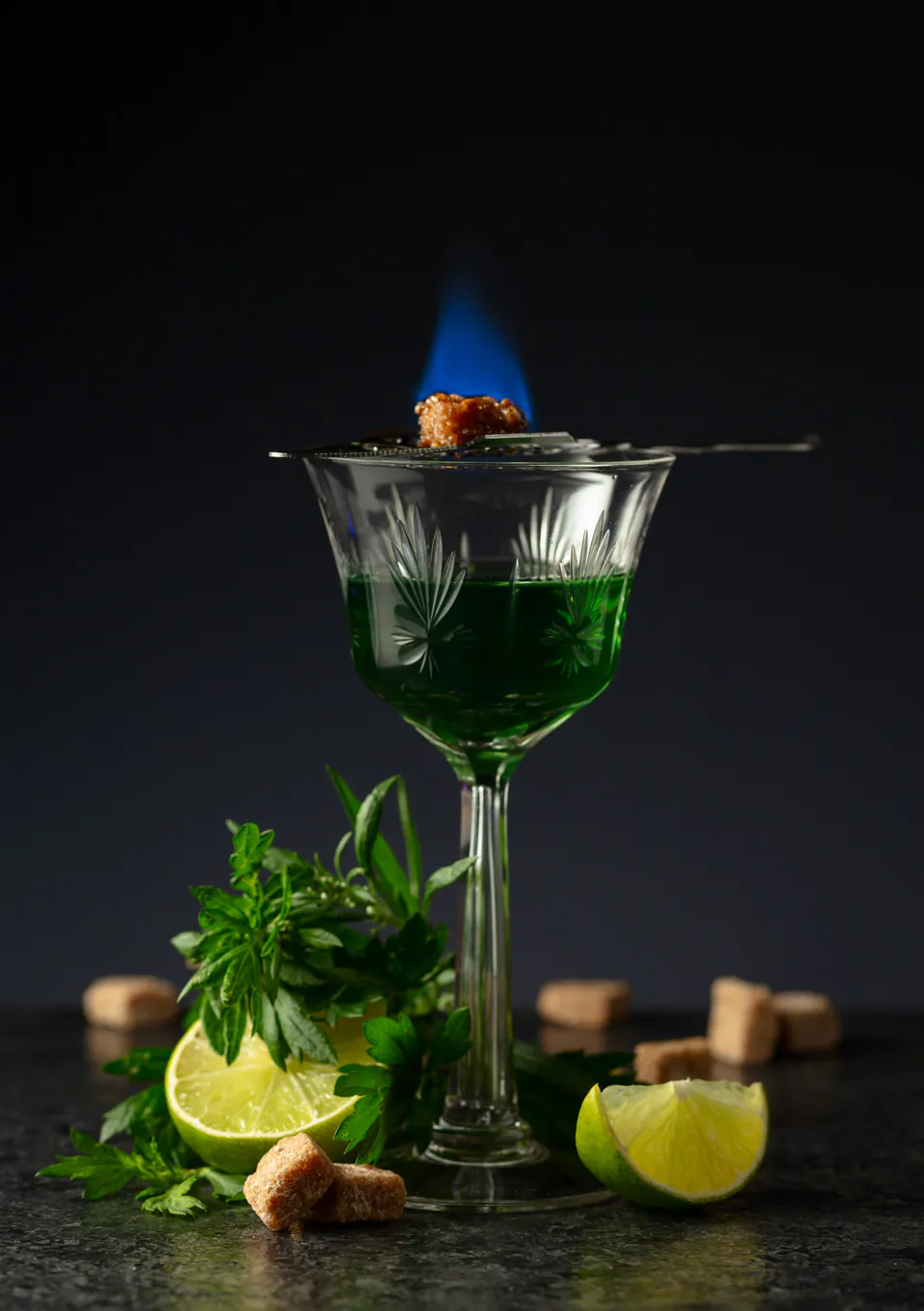
Real absinthe relies on a very specific mix of herbs. It starts with the "holy trinity." This means grande wormwood. Then comes green anise and Florence fennel. These provide the core bitter and sweet notes. But master distillers add their own secrets too. You'll often find hyssop or lemon balm in the mix. People used to fear the thujone in wormwood. They thought it caused hallucinations. It didn't. Most of those stories came from cheap alcohol or toxic dyes. Every bottle here meets strict EU standards. You'll choose between distilled or macerated types. Go for distilled if you want something smooth. Macerated Bohemian styles are earthier and much more bitter.
The Global History of Prohibition
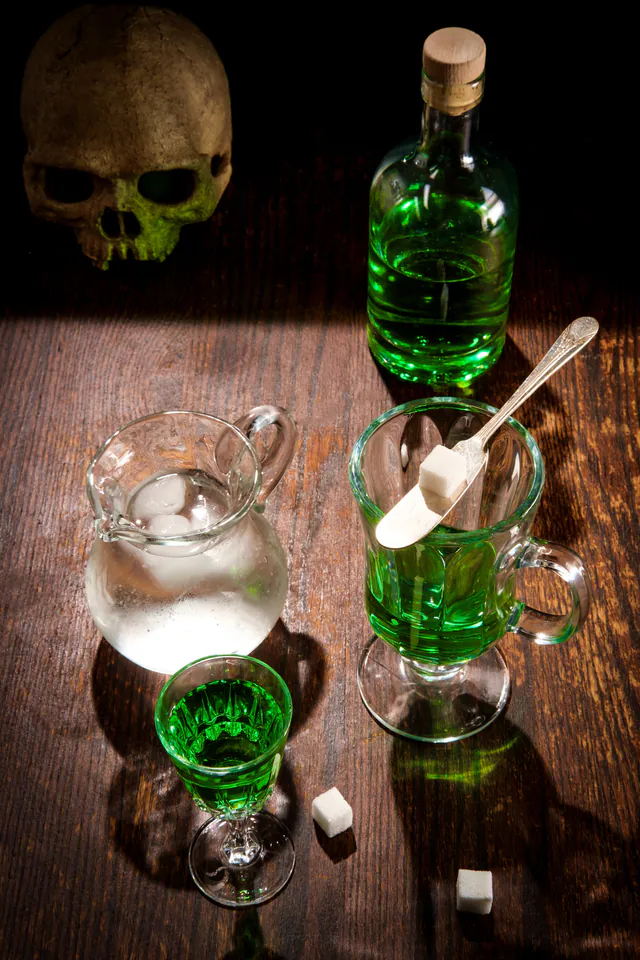
Dr. Pierre Ordinaire cooked up the modern recipe in 18th-century Switzerland. By 1805, Maison Pernod Fils was the world standard. It stayed that way for a century. Then came the bans. French soldiers brought the taste back from Africa in the 1840s. By the 1860s, "The Green Hour" was a Parisian ritual. But the wine industry got nervous. They started a smear campaign. They called it a dangerous narcotic to save their own sales. Temperance groups and the press joined in. By 1914, most of Europe and the US had shut it down.
The Bohemian Legacy and Czech Revival
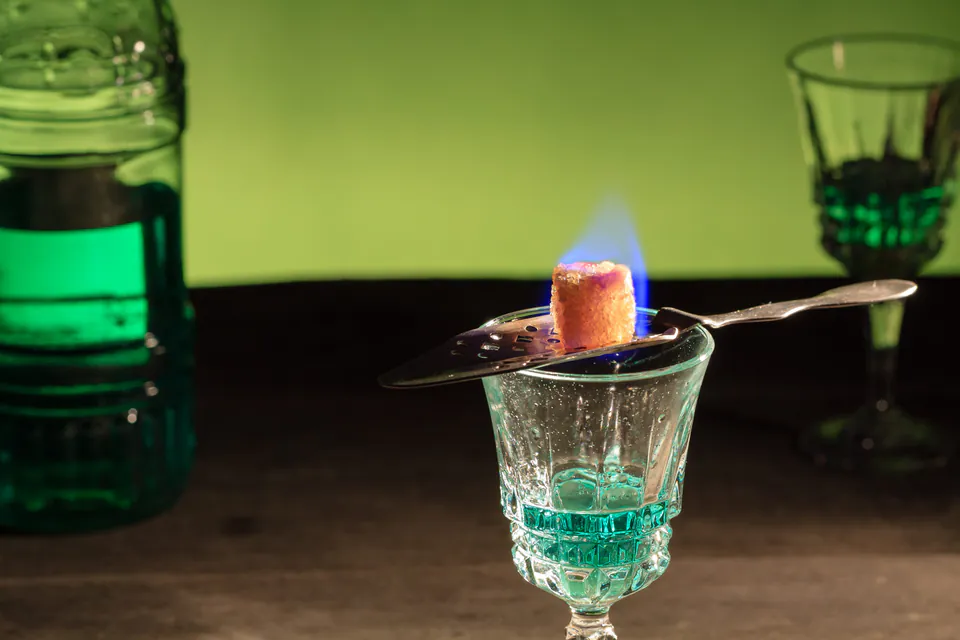
Prohibition never really took hold in the Czech lands. During the First Republic era, you could still find it everywhere in Prague. Intellectuals used it to fuel debates at Café Slavia. You can still see Viktor Oliva’s famous "The Absinthe Drinker" painting in the city today. It's part of the local legacy. After 1989, local makers brought the culture back to life. It started with rough, green spirits. But now there's a serious craft movement. Local distillers produce excellent, historically accurate bottles. The spirit didn't die here. It just evolved.
Curating the Museum and Tasting Experience
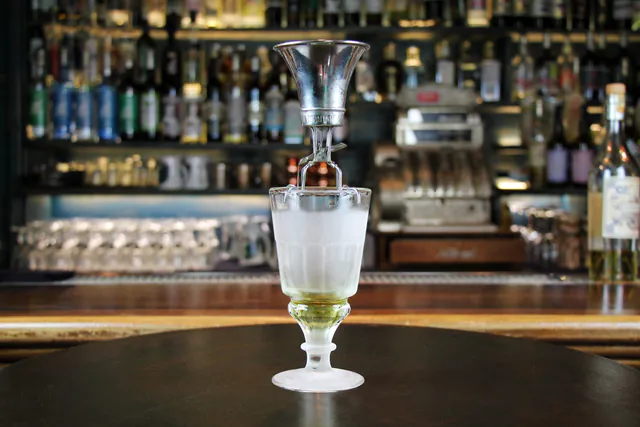
This museum is a physical archive of European drinking culture. With 250 bottles, it’s a major collection for Central Europe. You can see rare pre-ban Pernod Fils bottles from the 1800s. These are the gold standard of distillation. It's not just bottles, though. You'll see the brass fountains and the specialized spoons used for the sugar ritual. The menu lists over 100 labels. They divide them into distilled and macerated categories. If you want the full experience, try a tasting flight. They even have a selection with actual 19th-century vintages. Try a classic drip or a "Truffle Old Fashioned." Every choice is designed to show the spirit the respect it deserves. Whether you're a beginner or a collector, you'll find a tangible connection to the past here.
Tours & Experiences Nearby
Top-rated tours and experiences starting near Absintherie Jilská.
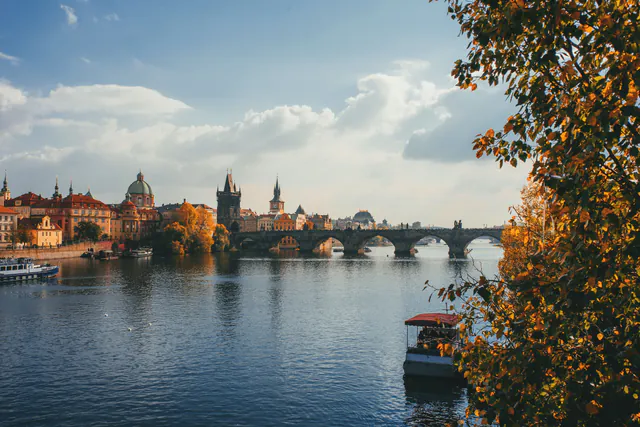 bike tour
 walking tour
 walking tour
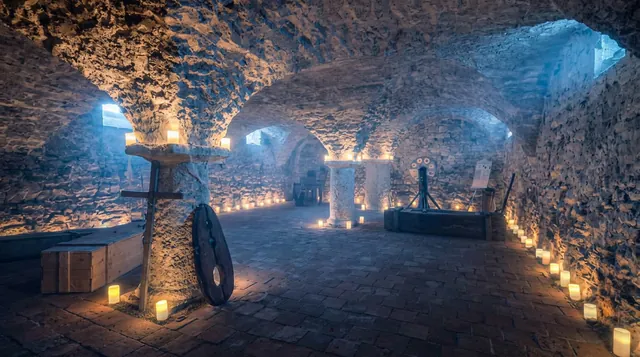 walking tour
Essential Visitor Tips
Ask about the styles. There's a big difference between Swiss distilled absinthe and the bitter Bohemian macerated stuff.
Catch the piano. A resident pianist plays Wednesday through Saturday evenings. It changes the whole mood.
Watch the louche. Order a distilled "verte" or "blanche" just to see the water-dripping ritual at your table.
Don't worry about hallucinations. The thujone levels follow strict EU limits. You won't see any fairies.
Try the chocolate. They serve absinthe-infused sweets and ice cream if you want the flavor without the high proof.
Check for vintages. If you're serious about it, look for the 19th-century Pernod Fils or barrel-aged bottles.
Best Time to Visit
"Go between Wednesday and Saturday evenings for the live piano music. If you want to browse the museum without the crowds, show up at 3:00 PM."
Nearby Hotels
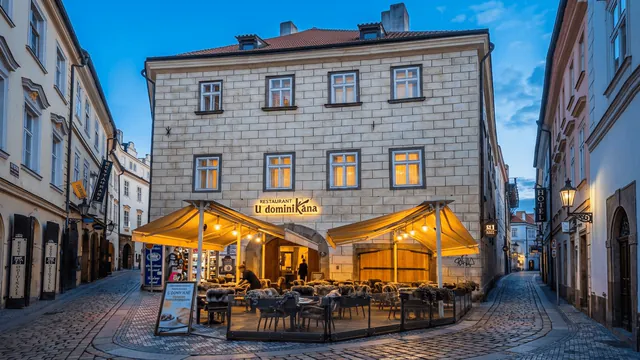
1 min walk (45m)
Original 14th-century hand-painted wooden ceilings and wall frescoes in select rooms. · Climate-controlled, glass-roofed central atrium for morning dining.
Price From €160/night
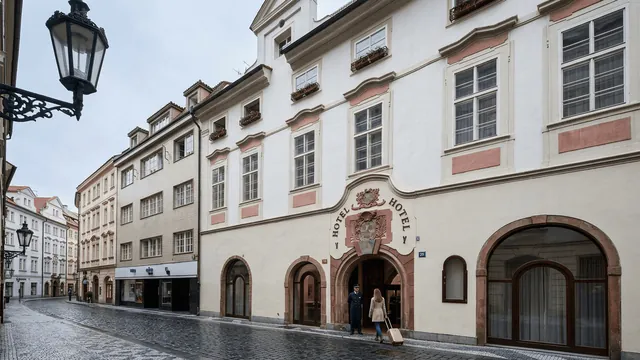
1 min walk (65m)
14th to 18th-century original frescoes and painted wooden ceilings hidden for centuries · Acoustic-buffering private internal courtyard garden shielding guests from city noise
Price From €150/night
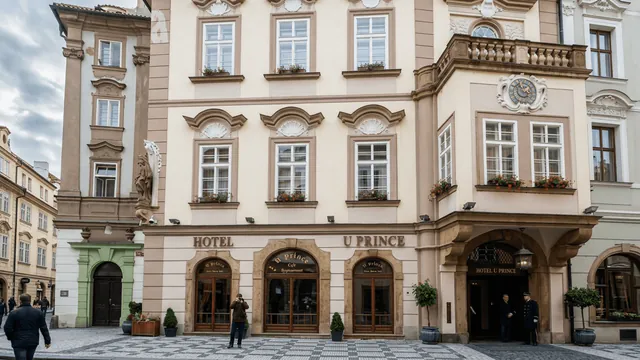
2 min walk (142m)
The Terasa U Prince rooftop offering heated, year-round 360-degree views of the Astronomical Clock. · Black Angel's Bar, a globally awarded 1930s-style speakeasy located in a genuine gothic stone cellar.
Price From €150/night
Nearby Restaurants
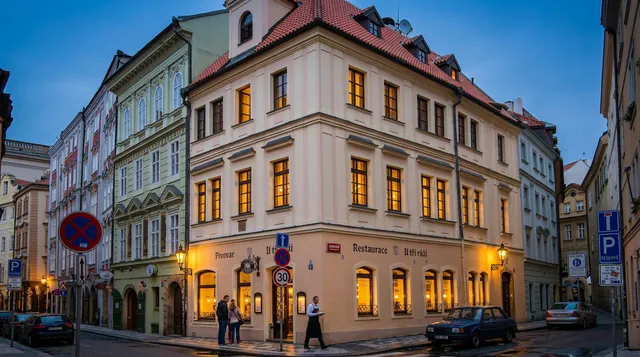
Pivovar a restaurace U Tří růží
Czech Bistro • Premium
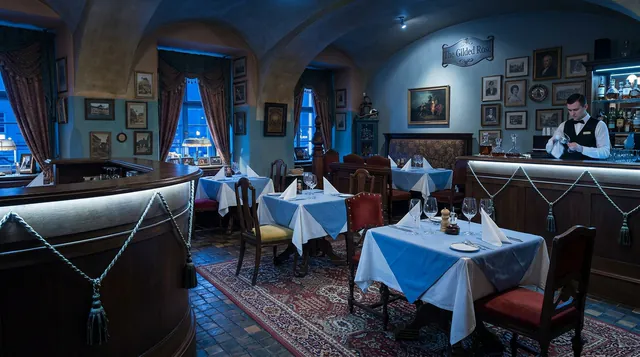
You’ll find Pivovar a restaurace U Tří růží on Husova, a narrow street in Staré ...
U Modré kachničky
Czech Fine Dining • Luxury
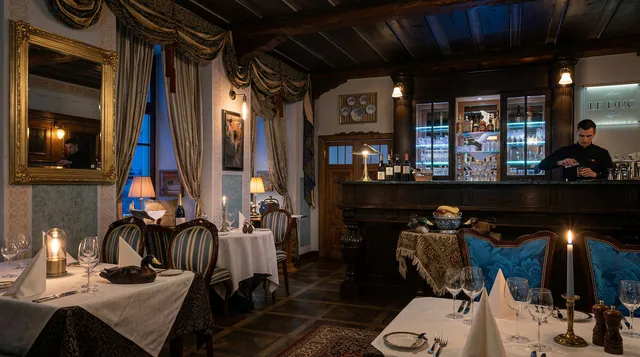
Tucked away in the quiet backstreets of Malá Strana, U Modré kachničky (At the B...
U Modré kachničky II.
Czech Fine Dining • Premium
You'll find U Modré kachničky II on the narrow stones of Michalská street, just ...
Frequently Asked Questions
Is the absinthe at Absintherie Jilská different from the spirits sold in tourist shops?
Does Absintherie Jilská offer anything for visitors who do not want to drink strong spirits?
When is the best time to experience the live music at Absintherie Jilská?
What are the most interesting historical exhibits at the Absintherie Jilská museum?
Is Absintherie Jilská a good spot for photography?
How do I find Absintherie Jilská in the maze of the Old Town?
What should I wear when visiting Absintherie Jilská?
Are there any good restaurants near Absintherie Jilská for dinner?
What are the opening hours of Absintherie Jilská?
How much does it cost to visit Absintherie Jilská?
How long should I spend at Absintherie Jilská?
Is Absintherie Jilská wheelchair accessible?
Quick Facts
Find Hotels Nearby
The Neighborhood
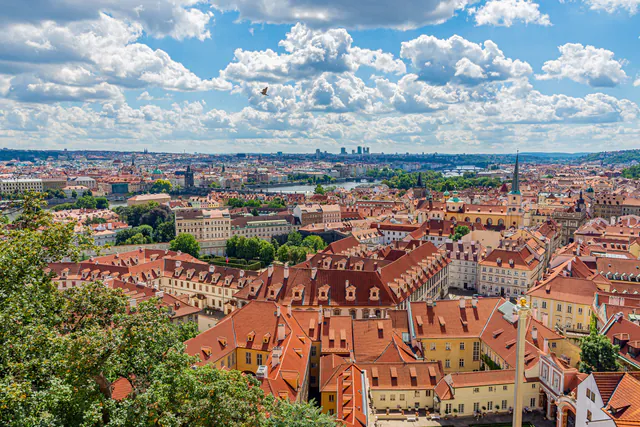
Staré Město: Staré Město
Read Guide