Liszt Fest International Cultural Festival
Cultural Festival
About This Event
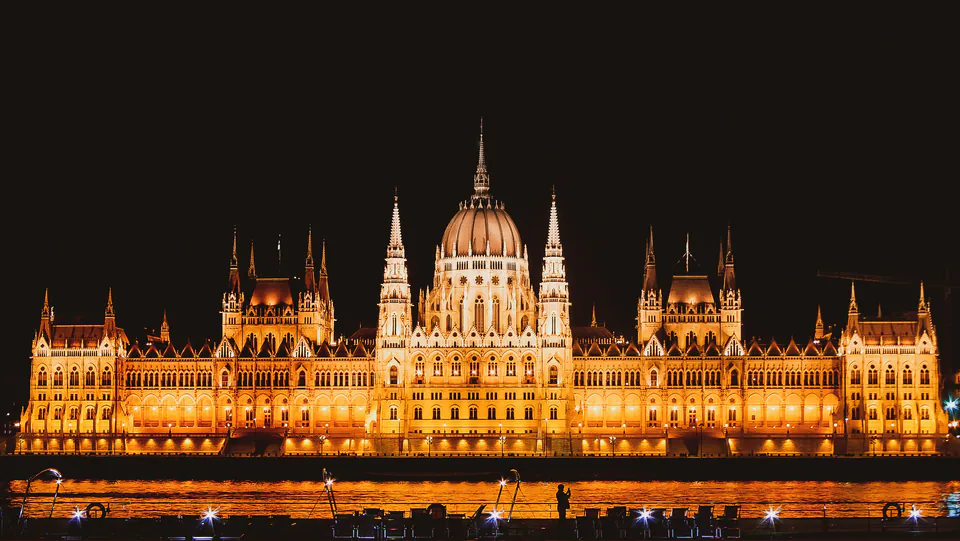
When October turns the Danube riverbank gold, Budapest drops the high-brow pretense and gets loud with the Liszt Fest. Named for Hungary’s original rockstar, Franz Liszt, this isn't your grandma’s stiff classical series. It is a two-week takeover of the city’s best stages, mirroring the composer's own habit of breaking every musical rule in the book. You'll find the heavy hitters at Müpa Budapest, but the schedule refuses to play it safe. Expect a collision of 19th-century soul and 21st-century grit. Think grand oratorios one night and underground electronic sets the next. It’s moody, sophisticated, and perfectly timed for the autumn chill. And while it honors the past, the festival feels entirely modern. You aren't just here to listen. You're here to see how Liszt’s wild energy still pulses through the city streets today.
History
Budapest launched this festival in 2021 to celebrate 210 years since Franz Liszt first started melting Victorian-era hearts. Müpa Budapest created it to anchor the autumn season, and it didn't take long to find its footing. It was never meant to be a museum piece. Instead, the organizers leaned into Liszt’s reputation as an avant-garde disruptor. In just a few years, it has revived lost operas like 'Sardanapalo' and dragged the classical canon into the light of the present day. By folding in the Margó Literary Festival and indie showcases, it has turned a birthday tribute into a broad platform for anything bold and new. It's a living legacy that proves Hungary's most famous son is still the coolest guy in the room.
The Programme
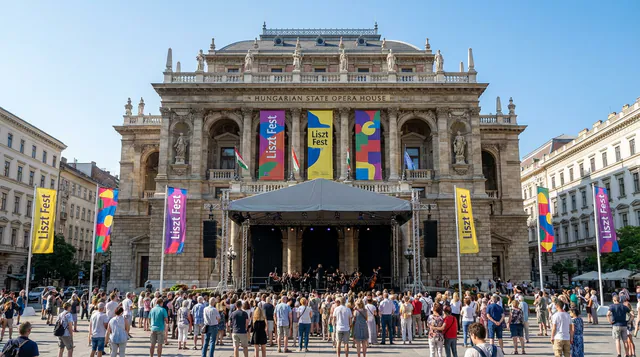
The schedule is a bit of a wild card. You'll find the expected pillars of Liszt’s career, like massive symphonic poems and sacred masses, but the curation is intentionally restless. One night you’re in a velvet seat for a piano solo; the next you’re watching a silent film with a live, improvised organ soundtrack. It’s about the 'future of music,' not just the hits of the 1800s. The 'Isolation Budapest' series is the best example of this. It brings indie and experimental acts into the fold, creating a sharp contrast that keeps the energy high. And if you're into the written word, the partnership with the Autumn Margó Literary Festival adds slam poetry and author talks to the mix. It isn't just a concert series. It's a full-throttle cultural ecosystem.
Key Venues
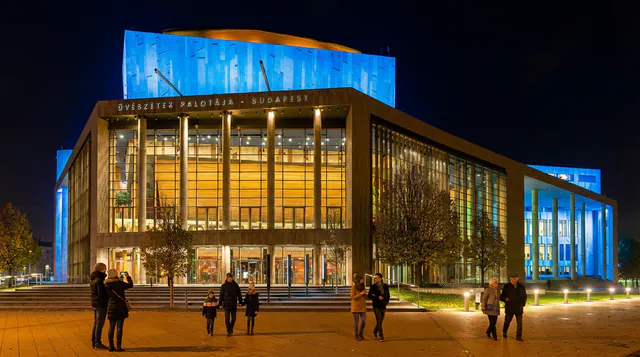
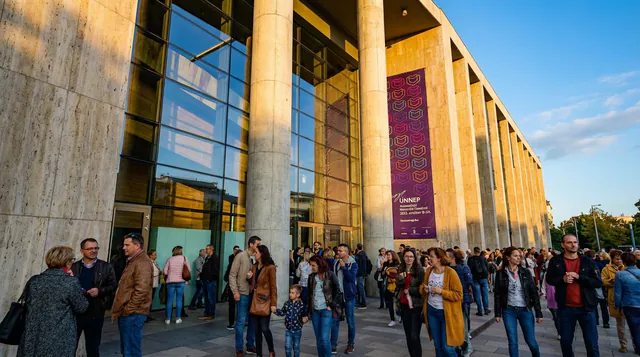
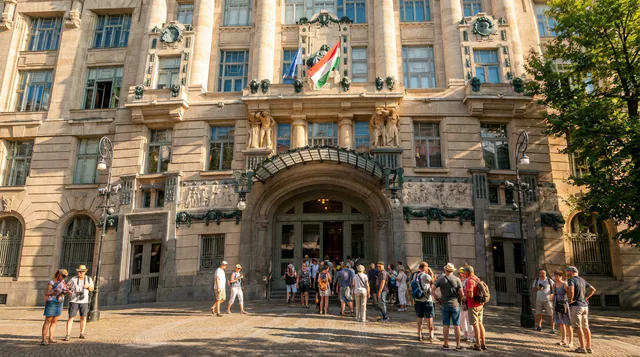
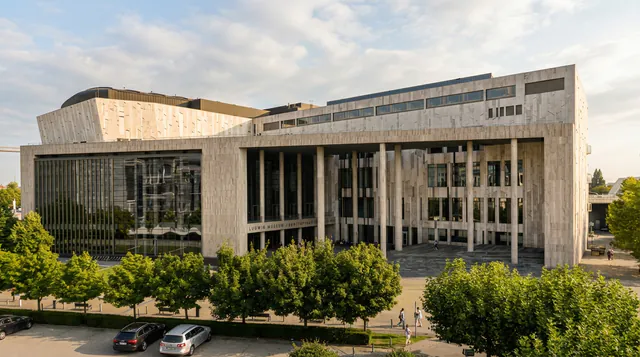
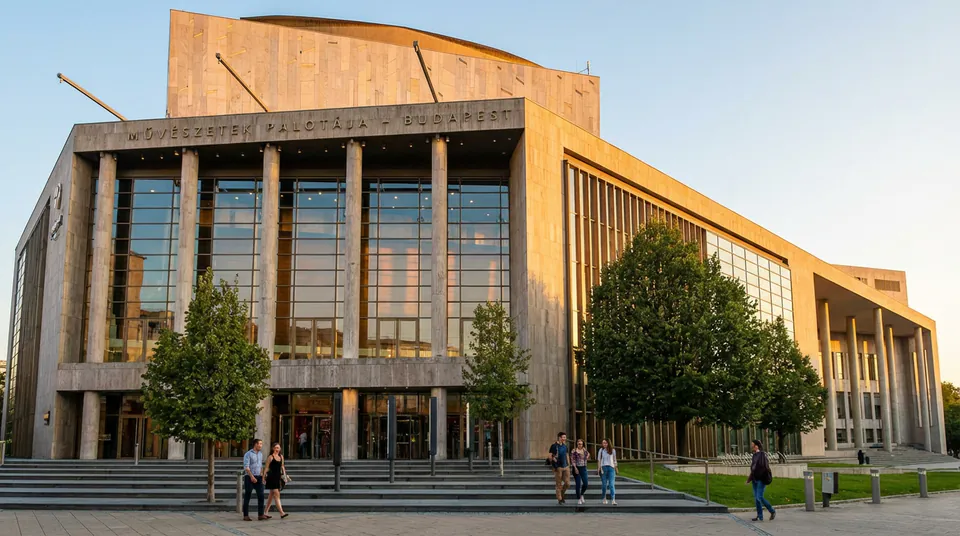
Müpa Budapest is the mothership. Located on the Danube in District 9, this glass-and-concrete palace houses the Béla Bartók National Concert Hall. The acoustics here are world-class, and the wood-paneled interior is a sight in itself. But don't stay glued to one spot. The festival often ducks into the Liszt Academy of Music on Grand Boulevard. It’s an Art Nouveau masterpiece that Liszt himself helped found. For the grit and sweat of the underground acts, you'll likely head to Akvárium Klub in the city center or the Budapest Music Center (BMC). Toggling between these spots is a crash course in Budapest architecture. You get the gilded mythology of the old world and the industrial-chic vibe of the new cultural quarter in Ferencváros.
Highlights & Must-Sees
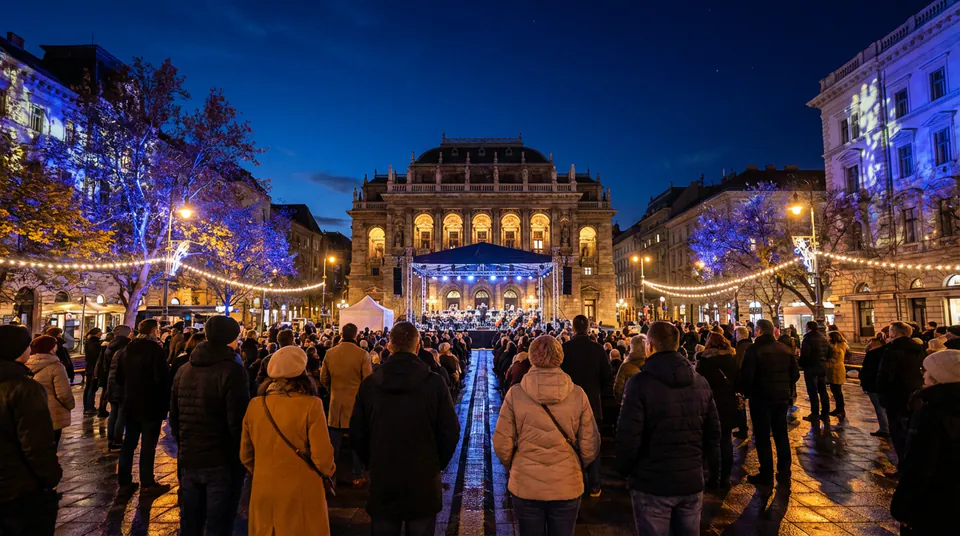
Go for the big stuff. Liszt's massive oratorios, like 'Christus,' are logistical nightmares to stage, which makes hearing them here a rare treat. These are the spiritual anchors of the festival. But for a real thrill, catch the improvisation battles. Watching a virtuoso take a theme by Liszt and shred it on a pipe organ or grand piano is incredible. It's a throwback to when the man himself would dazzle crowds with off-the-cuff brilliance. Don't skip the cross-genre shows either. The Recirquel Company often debuts contemporary circus pieces that blend acrobatics with classical themes. These performances are visual gold. They’re a great entry point if you want the high-art experience without the three-hour orchestral commitment. Much like the Jewish Cultural Festival Budapest earlier in the season, it's about seeing tradition through a new lens.
Getting There
Public Transport
Take Tram 2 (the 'scenic route' along the Danube) to the 'Müpa – Nemzeti Színház' stop. Alternatively, take the H7 HÉV suburban railway from Boráros tér to the same stop, or Tram 1 to 'Közvágóhíd'.
By Car
Müpa Budapest has a large underground garage. Ticket holders for evening performances can park for free; you must validate your parking ticket at the cloakroom or info desk before leaving.
By Taxi / Rideshare
Ask for 'Müpa' or 'Palace of Arts'. Drop-off is directly at the main entrance on the Danube side. Bolt and Főtaxi are reliable apps.
Tips
- •Tram 2 offers the best views of the Parliament and Castle on your way to the venue.
- •After the show, trams can be crowded; consider walking to the H7 station for a faster connection to the ring road.
Event Location
Venue
Müpa Budapest (Palace of Arts)
Address
1095 Budapest, Komor Marcell u. 1.
Tips & What to Know
Move fast on tickets. The festival uses dynamic pricing, so that €25 seat will cost you significantly more if you wait until the week of the show.
Look sharp but stay comfortable. You don't need a tuxedo, but 'smart casual' is the move at Müpa and the Liszt Academy. Locals like to dress for the theater.
Stack your schedule. The Margó Literary Festival and Art Market Budapest often run at the same time, so you can easily pivot from a piano recital to a gallery opening.
Skip the parking fees. If you drive to Müpa, don't use the machine. Get your parking card validated at the info desk inside for a free exit.
Don't be late. Venues like the Béla Bartók National Concert Hall are ruthless. If the doors close, you're stuck watching on a monitor until the intermission.
Gallery