Bartók Spring International Arts Weeks
Cultural Festival
About This Event
When winter finally lets go of the Danube, the Bartók Spring International Arts Weeks (Bartók Tavasz) takes over as Budapest's heavy hitter. Named for Béla Bartók, Hungary's most rebellious 20th-century composer, this isn't some dusty tribute. It's a living, breathing beast of a festival. Most European spring seasons play it safe with 19th-century romantics. Not this one. Expect a sharp mix of elite orchestras, experimental jazz, and contemporary dance that would've made Bartók himself grin.
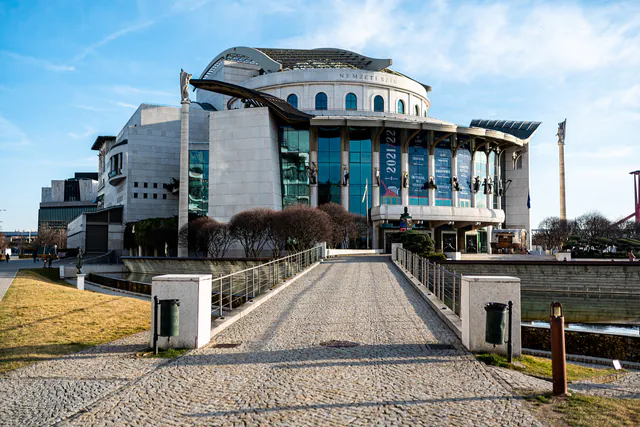
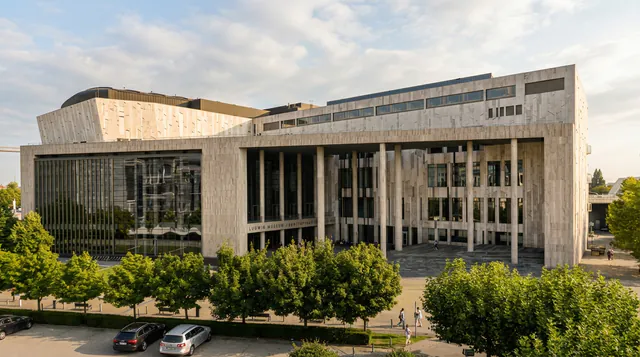
Most of the action centers on Müpa Budapest, a glass-and-steel temple of sound in District 9. The Béla Bartók National Concert Hall is the star here, with wood-paneled walls and acoustics so precise they feel like a cathedral. But the festival doesn't stay boxed in. It spills into the organic curves of the House of Music Hungary in City Park and various spots across the capital.
What makes Bartók Spring worth your forints is its refusal to be boring. One night you're gripped by a massive Concerto for Orchestra, and the next you're at the Budapest Ritmo series, where electronic beats collide with raw folk rhythms. It's high culture without the stuffiness. If you want to see how Hungary’s deep musical roots feed modern grit, get here in April.
History
Bartók Spring is a fresh face on the scene, launched in 2021 to mark 140 years since Béla Bartók was born. It stepped in to fill the gap left when older festivals were reshuffled, and it didn't waste time. The team at Müpa Budapest wanted a brand that commanded immediate respect, leaning hard into Bartók's global reputation as a modernist titan.
Launching during a pandemic isn't easy, but the festival survived on high-res streams and small, punchy live events. It showed the same grit the composer had. Since then, it has exploded. While it now reaches cities like Debrecen, Győr, and Miskolc, Budapest is the undisputed base. In just a few years, big names like Tan Dun and Branford Marsalis have graced the stage. It's no longer the new kid; it's a premier Central European fixture.
The Programme
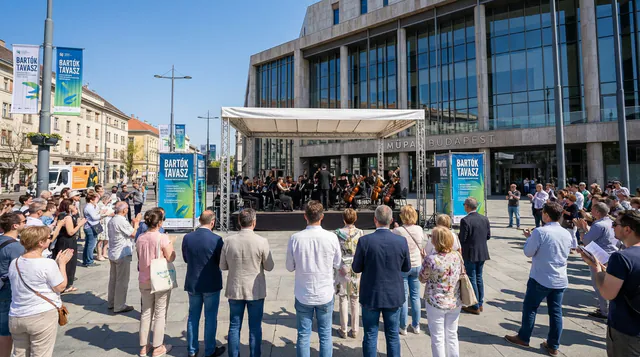
The schedule is a massive, multi-layered beast designed to match Bartók’s own wide-ranging tastes. He is the anchor, but the music goes far beyond his scores. You'll find a steady rotation of the world's top-tier symphony orchestras. These are the festival's pillars, bringing in the kind of violinists and pianists who usually sell out in London or New York.
But the real magic is in the variety. Since Bartók was obsessed with folk music, the 'Budapest Ritmo' series is woven right into the festival. It brings global sounds to the Danube. You might catch a haunting performance of 'Bluebeard's Castle' on Tuesday and a Senegalese kora player on Wednesday. Jazz legends and modern ballet troupes round out the mix. And it isn't just a museum of old hits. The festival regularly commissions new works from Hungarian composers, keeping the local scene moving forward.
Key Venues
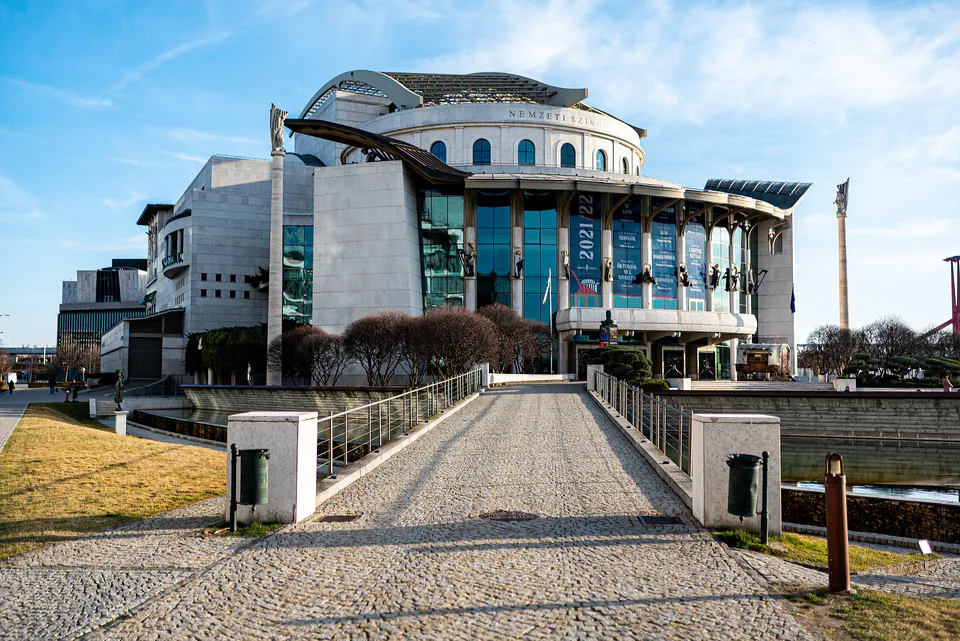
Müpa Budapest is the festival's brain. Sitting in the Millennium City Center, this place is a masterclass in modern architecture. The Béla Bartók National Concert Hall is the crown jewel. It's basically a giant instrument. Thanks to movable resonance chambers designed by Russell Johnson, the sound can be tuned for a delicate piano set or a thundering symphony.
In the same building, you'll find the Festival Theatre. It's smaller, sharper, and perfect for dance or jazz where you want to see the sweat on the performers' brows. The lobby is a vast, airy space that feels electric before a show. While Müpa is home base, don't ignore the House of Music Hungary in City Park. Designed by Sou Fujimoto, it's a wild, organic space that hosts the more intimate workshops and Ritmo events. You might also find yourself in the historic Pesti Vigadó or the underground Akvárium Klub, depending on the night.
Highlights & Must-Sees

If you consider yourself a purist, the orchestral galas in the National Concert Hall are non-negotiable. Look for the Hungarian National Philharmonic. When local ensembles play Bartók’s 'The Miraculous Mandarin' or 'Bluebeard’s Castle', they bring a rhythmic punch that foreigners can't quite replicate. It's in their blood.
Don't sleep on the dance. The Győr Ballet and Recirquel Company often debut massive, visually heavy pieces here. They blend contemporary movement with live music in ways that make a standard seated concert feel static. Finally, keep an eye on the world music lineup. If you're looking for something with a bit more edge than a violin concerto, the Balkan or African folk artists at Budapest Ritmo deliver. They provide the same raw energy that inspired Bartók to go out and record villagers a century ago.
Getting There
Public Transport
The most scenic route is Tram 2, which runs along the Danube embankment; get off at the 'Müpa – Nemzeti Színház' stop. Alternatively, take the H7 Suburban Railway (HÉV) from Boráros tér to the same stop. Tram 1 also stops nearby at 'Közvágóhíd' (approx. 5 min walk).
By Car
Müpa has a large underground garage. Parking is free for ticket holders on the day of the performance—validate your parking ticket at the information desk in the main lobby before leaving.
By Taxi / Rideshare
Taxis can drop you off directly at the main entrance on Komor Marcell utca. A ride from the city center (District 5) typically costs around €10-15. Use the Bolt or Főtaxi apps for reliable service.
Tips
- •Tram 2 offers stunning views of the Parliament and Castle Garden Bazaar on the way to the venue.
- •After the show, trams can be crowded; consider walking to the nearby Rákóczi Bridge for Tram 1 if heading to Pest districts.
Event Location
Venue
Müpa Budapest
Address
1095 Budapest, Komor Marcell u. 1.
Tips & What to Know
Museum Bonus
Don't toss your ticket. It usually gets you into the Ludwig Museum of Contemporary Art for free on the day of the show. It's right inside Müpa, so arrive early and browse the galleries.
Dress Code
You don't need a tuxedo, but don't show up in gym gear. Smart casual is the baseline. Locals like to dress up for the National Concert Hall, so a jacket or a nice dress won't feel out of place.
Pre-Order Drinks
The bars at intermission are a madhouse. Head to the café counter before the lights go down, pre-order your wine and snacks, and skip the queue when the doors open.
Acoustic Sweet Spots
For big symphonies, grab seats in the center stalls or the first tier gallery. The sound is solid everywhere, but these spots offer the most balanced mix in the hall.
Explore the Area
Walk the Danube promenade before the show. The Ziggurat lookout tower by the National Theatre next door offers a killer view of the river and the venue's sharp architecture.
Gallery