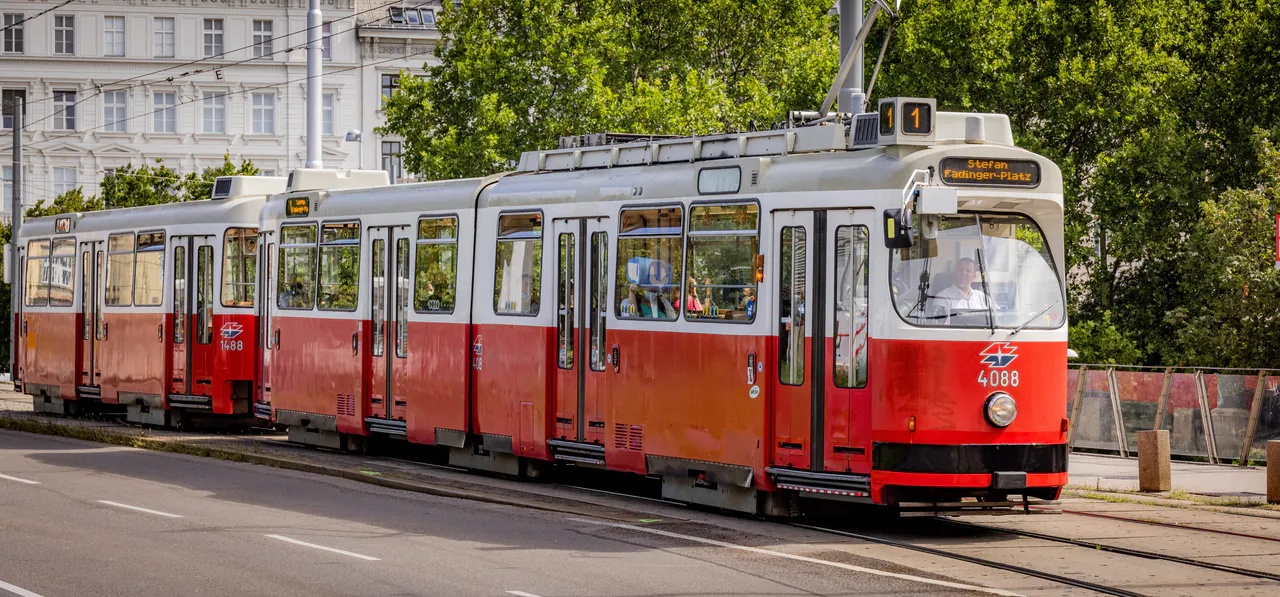
Navigating Vienna's Public Transport: The Ultimate Local Guide
Written by
Nils Johansson | Founder
Vienna glides. While other capitals choke on traffic, the Austrian city moves to the rhythmic hum of its "Öffis" (public transport). Operated by Wiener Linien, this network of subways (U-Bahn), trams (Bim), and buses carries over two million people daily. Navigating like a local means ditching the car and trusting the system. It is efficient, clean, and remarkably simple. Don't worry about complex zone maps unless you're hitting the deep suburbs or the airport. The entire city is one single fare zone. You won't find gates or turnstiles blocking your path either. Vienna runs on an honesty system. But don't mistake that trust for a free ride. Plainclothes inspectors roam the cars daily, and the fines for skipping a fare are brutal. With 2026 bringing price hikes and new digital ticket rules, you need to know the ropes. This guide gives you the specific hacks to ride the rails with the confidence of a born-and-bred Viennese.
Photos
The Anatomy of Vienna's Öffis and the Trust System
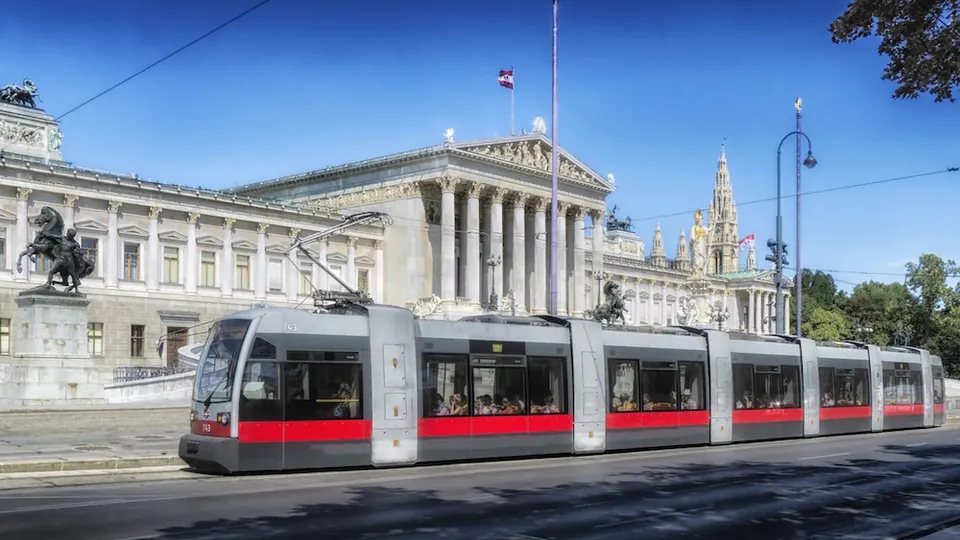
Understanding Vienna public transport starts with its philosophy. It is a seamless web of five U-Bahn lines, 29 tram routes, and over 100 buses. It is so reliable that more locals hold annual transit passes than own cars. Step off the sidewalk and onto a train without passing a single barrier. It feels like a gift. It isn't. This is the honor system in action, enforced by the "Schwarzkappler" (ticket inspectors). These undercover officers look like anyone else on your morning commute. But once those doors lock, they pull their badges and demand "Fahrscheine, bitte." If you are caught "Schwarzfahren" (riding black), expect an immediate €135 fine as of January 2026. Playing the confused tourist won't work. They have heard it all. Buy your ticket. If it's paper, punch it in the blue stamping machines at the station entrance or on the bus before you start moving. No exceptions.
Mastering the U-Bahn: Fast, Clean, and Color-Coded
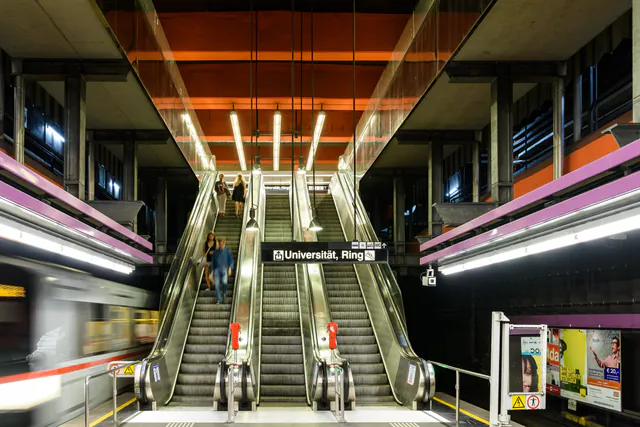
The U-Bahn is the city's heavy lifter. Trains arrive every two to five minutes during the day. The lines are color-coded: U1 (Red), U2 (Purple), U3 (Orange), U4 (Green), and U6 (Brown). If you are looking for the U5, wait until 2030. That turquoise line is currently under construction to become the city's first driverless subway. For now, use the U1 to hit Stephansdom or cross the Danube. The U4 is your best bet for the imperial grounds of Schönbrunn Palace. If you want a local vibe, ride the elevated U6 along the Gürtel beltway. It's usually packed with students and commuters. And here is a win for night owls: while weekday service ends at midnight, the entire U-Bahn runs 24 hours on Friday and Saturday nights. Trains come every 15 minutes. It beats paying for a taxi after a late night of wine at a local tavern.
The Charm of the Bim: Trams as Sightseeing Chariots
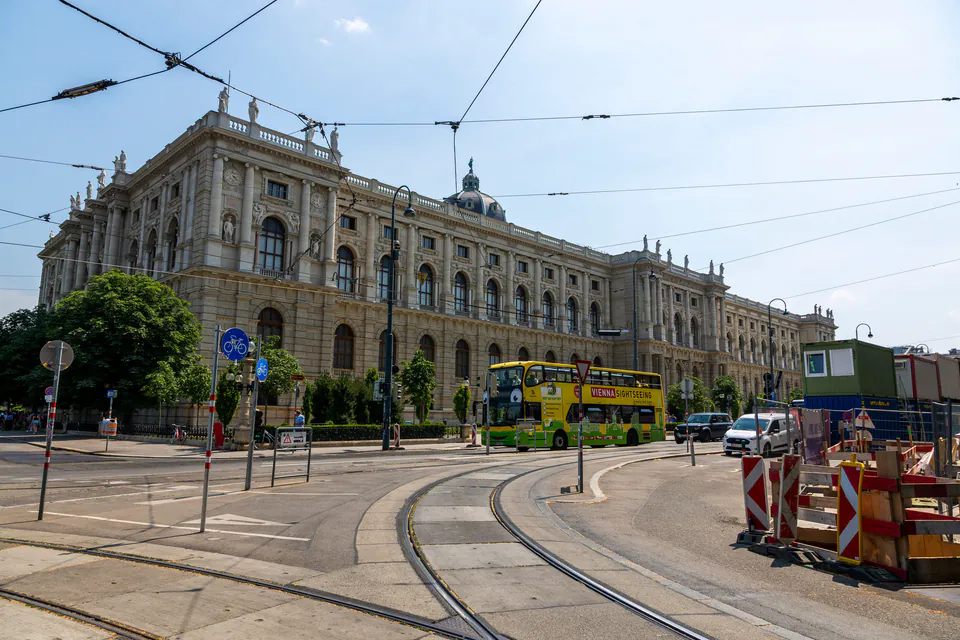
The U-Bahn is for speed, but the tram—the "Bim"—is for the views. Vienna has one of the world's largest tram networks. Skip the cheesy, overpriced tourist buses and use your standard transit ticket for a DIY tour. Lines 1, 2, D, and 71 are the heavy hitters. They loop the Ringstrasse, the grand boulevard circling the old city. Line 1 passes the Hofburg Palace and the Parliament. Line D is a secret weapon. It veers off the Ring to drop you at the Belvedere Palace before heading toward the vineyards of Nussdorf. Line 71 goes to the Zentralfriedhof cemetery. Locals joke that dying is just "taking the 71." Mind the etiquette here. Front seats are for the elderly and pregnant women. If you grab an old-school high-floor model, let people get off before you try to squeeze in. Grab a window seat and watch the imperial architecture roll by.
The Airport Transfer Trap: Skipping the CAT
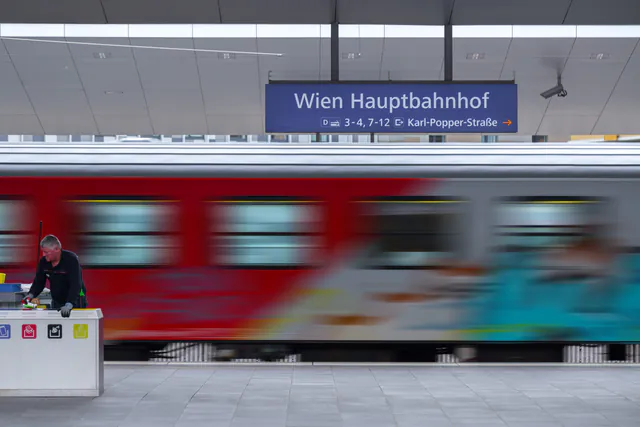
Don't fail your first test at Schwechat airport. The airport sits in Lower Austria, 18 kilometers outside the city, so standard city tickets won't cover the whole trip. You'll see bright green signs for the City Airport Train (CAT). It costs €14.90 for a 16-minute ride to Wien Mitte. Ignore it. Walk past the green machines and find the red ÖBB kiosks. Buy a ticket for the S7 commuter train or the Railjet. The S7 takes 25 minutes to reach the same station as the CAT. The Railjet hits the Hauptbahnhof in just 15 minutes. The price? Only €5.40. If you already have a multi-day city pass, you just need a €2.20 supplement for the outer zone. Save that extra ten euros for a Sachertorte and coffee in the city. It's the easiest win you'll have all trip.
Navigating the 2026 Fare Updates and Ticket Strategy
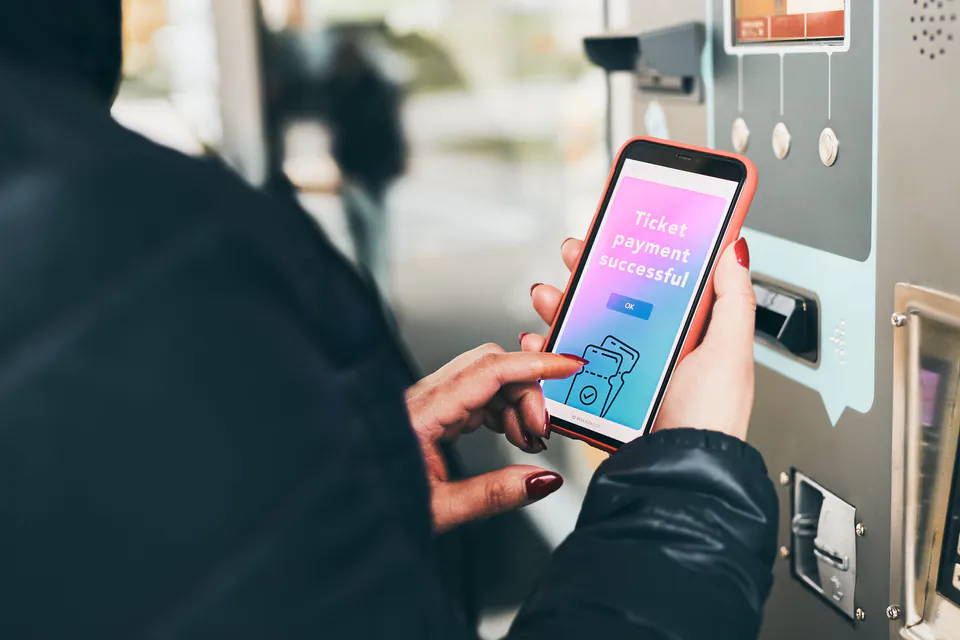
2026 changed the game for Vienna public transport prices. While the famous €365 annual pass still exists for residents, visitors pay more now. A single ride is €3.20 at the machine, or €3.00 if you use the WienMobil app. The old 48-hour and 72-hour paper passes are gone. Now, you choose between a 24-hour pass for €10.20 or a flexible 7-day ticket. The 7-day digital version is the best deal at €25.20. It covers every subway, tram, and bus in the city limits. If you're here for three days, just get the 7-day pass and stop worrying about stamping tickets. Traveling with family? Kids under six ride free. Those under 15 ride free on Sundays, public holidays, and during all Vienna school holidays. Download the WienMobil app for real-time arrivals and digital tickets. It keeps you organized and away from the ticket inspectors.
Practical Tips
- 1Ditch the CAT: Ignore the €14.90 City Airport Train. Take the red ÖBB S7 or Railjet for €5.40 instead. It's the same speed for a fraction of the cost.
- 2Punch your ticket: Vienna uses an honor system. If you have a paper ticket, stamp it in the blue machines before boarding. A missed stamp costs €135.
- 3Download WienMobil: Digital tickets are roughly 5% cheaper than paper. A 7-day pass is €25.20 on the app versus €28.90 for a paper version.
- 4Ride the Ring: Use Trams 1, 2, D, or 71 for a cheap sightseeing tour. They pass the Parliament and Hofburg for the price of a standard fare.
- 5Sunday family deals: Kids under 15 ride for free on Sundays, public holidays, and during Vienna school breaks. Under-sixes are always free.
- 624-hour weekend trains: Forget calling a cab on Friday or Saturday nights. The U-Bahn runs all night long with 15-minute frequencies.
- 7Add the supplement: Your city pass stops at the city limits. If you're heading to the airport or Mödling, buy the €2.20 outer zone ticket.
Where to Stay
Our top hotel picks in Vienna
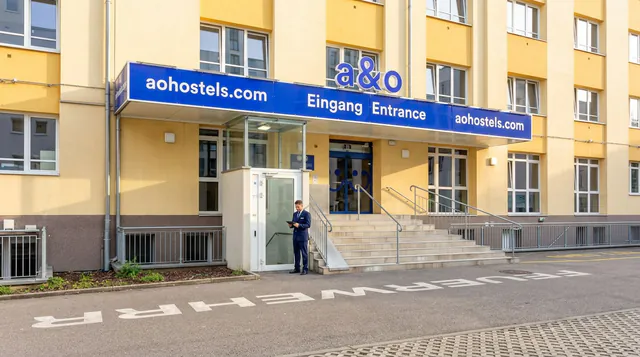
a&o Wien Hauptbahnhof
Drop your bags and start exploring. Located right behind the tracks of Vienna's Central Station, a&o Wien Hauptbahnhof is a no-nonsense hybrid that works for an
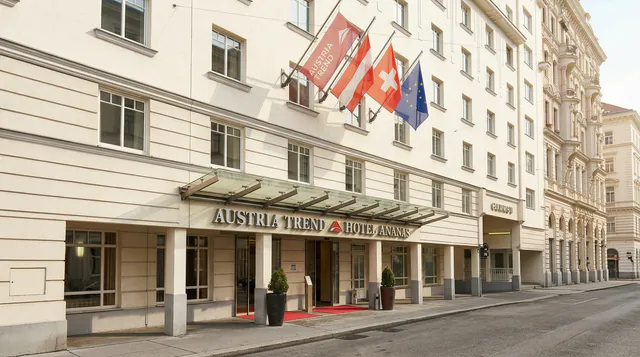
Austria Trend Hotel Ananas
Don't let the 522 rooms scare you off. The Austria Trend Hotel Ananas is the largest four-star property in the country, but it uses that massive scale to your a
Tours & Experiences
Book popular tours in Vienna
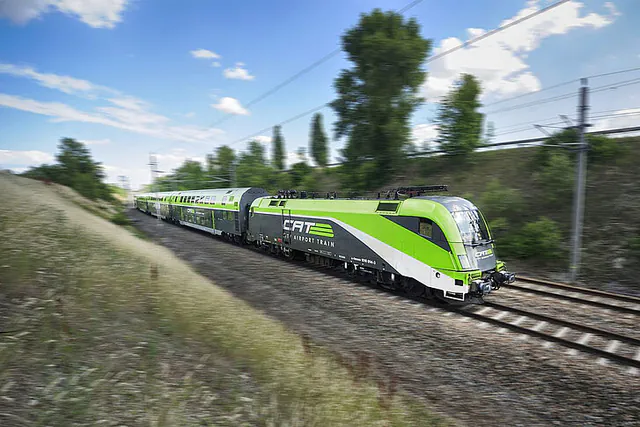
Vienna City Airport Train - CAT
Welcome to Vienna. If you want the fastest route from the tarmac to the city center, the Vienna City Airport Train—or CAT—is your best bet. It hits Wien Mitte s
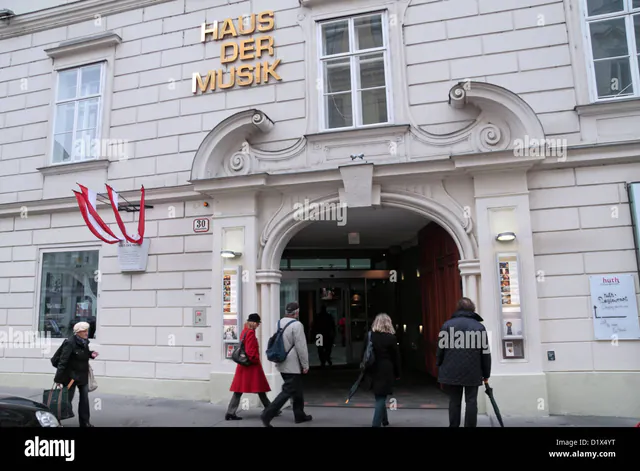
Vienna House of Music Entrance Ticket
Ditch the stuffy galleries and get your hands on the gears of music at Haus der Musik. Set inside the Palace of Archduke Charles, this place trades glass cases
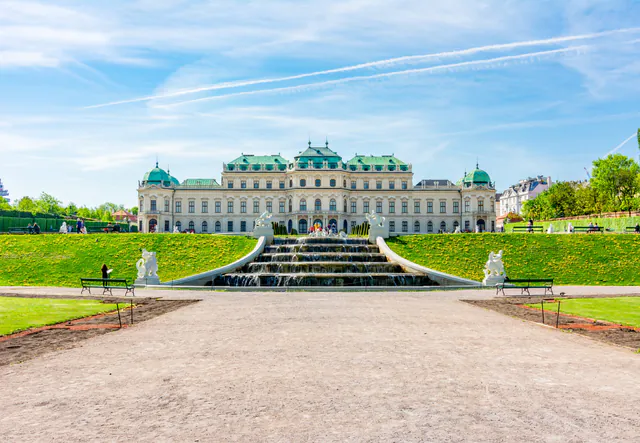
Entry Ticket Upper Belvedere, Klimt's Kiss & Permanent Collection
Don't just visit a museum. Step into Prince Eugene of Savoy’s 18th-century summer palace and see how the Habsburgs did luxury. This UNESCO site isn't just about
Where to Eat
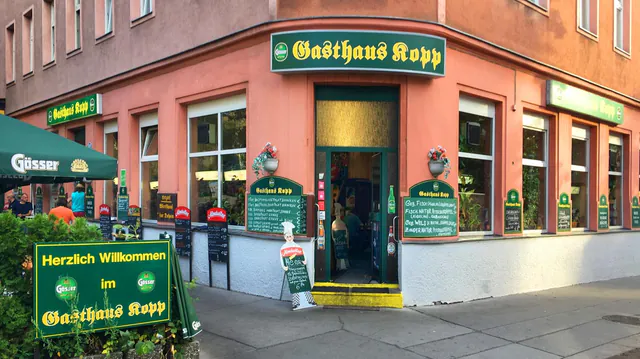
Gasthaus Kopp
Ditch the overpriced schnitzel traps in the first district and head to the 20th. Gasthaus Kopp isn't trying to be hip. It’s a loud, wooden, unapologetic time ca

Le Burger Mariahilfer Straße
Drop the shopping bags and grab a seat at Le Burger on Mariahilfer Straße. This isn't your standard fast-food assembly line. Located in the 7th District, it ser
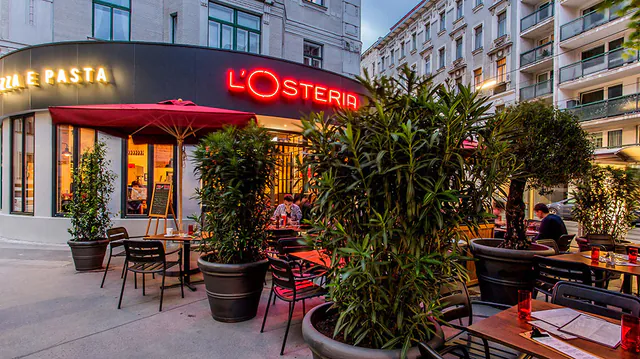
L'Osteria Wien Bräunerstraße
Drop into L'Osteria Wien Bräunerstraße for a loud, unapologetic slice of Italy in the middle of Vienna's First District. Located just off the Graben and a short
Frequently Asked Questions
Is public transport in Vienna free?
How much is a single ticket in Vienna?
What is the best way to get from Vienna Airport to the city center?
Do I need to validate my ticket in Vienna?
Does the Vienna Metro run all night?
What is the fine for riding without a ticket in Vienna?
Related Guides
- Vienna Airport to City Center: The Complete Local's Guide
- Vienna Metro & Subway Guide: Navigating the U-Bahn Like a Local
- Vienna Night Transport Guide: Getting Around After Dark
- The Ultimate Local's Guide to Taxis and Rideshares in Vienna
- Vienna Transport Tickets & City Passes: The Ultimate Guide
- The Ultimate Vienna Tram Guide: Scenic Routes, Tickets, and Local Tips
- The Perfect 24 Hours in Vienna: An Insider's 1-Day Itinerary
- The Ultimate 3-Day Vienna Itinerary: Imperial Grandeur to Hidden Heurigen
Trip Budget Calculator
Get a realistic cost estimate for your {city} trip in seconds.
Try itTags
Places in Vienna
Related attractions, hotels, and more.