Prague Dining Etiquette, Tipping, and Historic Hospitality
Written by
Nils Johansson | Founder
Don't just stand there staring at the Astronomical Clock. Duck inside the Old Town Hall (Staroměstská radnice) first. It's the best place to wrap your head around Prague's social quirks before you hit the local pubs. This Gothic pile in the middle of Staré Město is more than a pretty facade. It is the city's brain. The Tourist Information Centre inside gives you the keys to the city. You will get the context you need for everything from grand Austro-Hungarian coffee houses to rowdy beer halls.
The building is a mix of medieval houses that grew together over hundreds of years. It looks like a maze because it is one. This reflects the local culture perfectly. It is deep, historical, and full of stories. Forget the mechanical apostles for a second. Use this hall as your classroom. Grab the Prague Visitor Pass here. Talk to the actual locals behind the desk. They are experts in how the city breathes. They'll tell you how the local hospitality machine really works.
You'll walk out onto the cobblestones feeling like a traveler, not a target. Don't be a confused tourist. Be an informed guest. If you care about getting the culture right, go here first. Learn the tipping rules. Understand why the food tastes the way it does. The hall used to run the city's business. Now it manages its local intelligence. It is the definitive spot for anyone who wants to respect the city.
The Sociocultural Mechanics of Bohemian Dining Etiquette and Linguistic Protocols
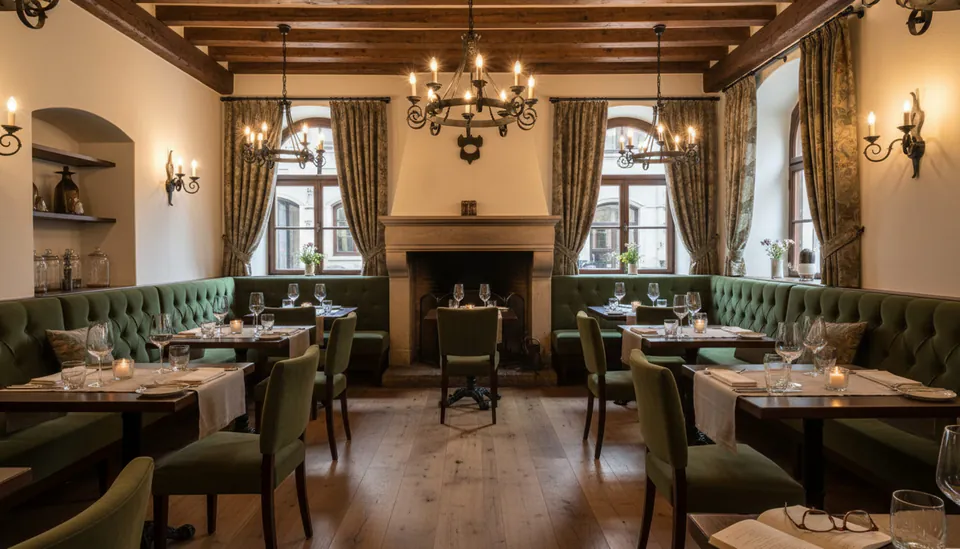
Walking into a traditional Czech pub (hospoda) is a specific dance. Don't wait for a host to seat you. Just walk in and find a gap. If a table has people at it, ask "Je tu volno?" (Is this seat free?). Make direct eye contact. A simple nod or a shrug means you're in. It's a communal way to drink. It's how the regional beer culture works. Czech beer culture is egalitarian. Everyone sits together. You might start the night with a question about a chair and end it with a new friend. This is how life happens in a Prague pub.
Politeness is your best currency. Use the formal version of "you" with staff. Always say "Dobrý den" (Good day) when you walk into any shop or restaurant. Skipping this is a fast way to get ignored. It shows respect. It isn't just a greeting. Say "Prosím" (Please) and "Děkuji" (Thank you) often. "Prosím" is a workhorse word. Use it to order beer. Use it to say "you're welcome." Use it to get the server's attention. It makes the whole meal run smoother.
Tipping & Restaurant Budgeting
You need to tip here. It's part of the local deal. Czech bills almost never include a service charge. What you see on the paper is just the cost of the food. Aim for 10% to 15% if you liked the meal. Withholding a tip is a loud statement. It tells the server you hated their work. Don't do it unless things went sideways.
Don't leave cash on the table and walk away. That's a rookie move. Pay the server face-to-face. Tell them the total you want to pay while you hand over the money. If the bill is 460 CZK, give them a 500-note and say "Five hundred." This "rounding up" is how it is done. It works for hairdressers and spas too. It's direct. It's fast.
The Historical Tapestry of Czech Gastronomy: From Rettigová to Post-Soviet Rebirth
Czech food is heavy for a reason. It is the result of being stuck at the crossroads of Europe. You'll taste centuries of Austro-Hungarian rule in every sauce. In the 19th century, Magdalena Dobromila Rettigová wrote the book on Czech cooking. She turned simple rural traditions into a national identity. She used recipes to build a country's pride.
Then came 1948. Communism turned dining into a boring math problem. The state used recipe books called Normy to tell chefs exactly how many grams of meat to use. It was fuel for workers, not art for eaters. But after the 1989 Velvet Revolution, things changed. Chefs started reclaiming their history. Now, classics like Svíčková na smetaně and Vepřo knedlo zelo are getting a reboot. They are top-tier again.
The Duality of Prague's Beverage Culture: Grand Cafes and Traditional Beer Halls
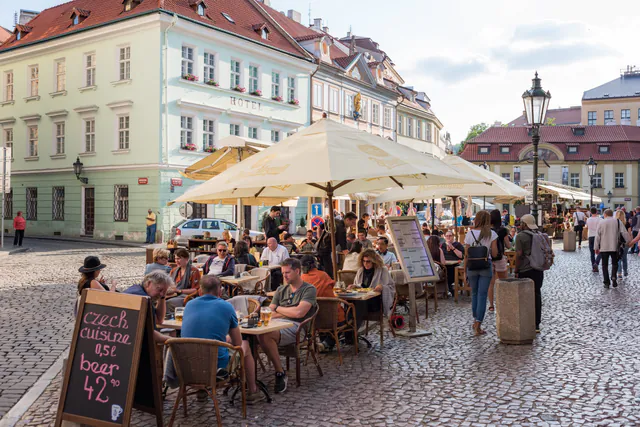
Prague lives in two places: grand cafes and rough beer halls. Spots like Café Slavia or Café Louvre feel like old imperial Vienna. They were offices for philosophers and writers. German-speaking thinkers and Czech dissidents sat here. Franz Kafka and Albert Einstein found a refuge in these high ceilings. These are places for quiet talk. They are elegant.
The beer hall (pivnice) is the opposite. It is the city's heart. Sit down and put a cardboard coaster (tácek) in front of you immediately. It's a signal. The server will drop a beer without asking. They will keep them coming until you stop them. To end the session, put your coaster on top of the empty glass. That tells them to bring the bill. It's a simple, silent contract.
Practical Tips
- 1Greet the staff with a clear and formal "Dobrý den" immediately upon entering any dining establishment.
- 2State the final combined total you intend to pay out loud when handing cash to a server to seamlessly include your tip.
- 3Place a cardboard coaster on the table before the waiter arrives to signal readiness and respect for the furniture.
- 4Make unwavering, direct eye contact with every person at the table during the initial toast when drinking beer.
- 5Instruct the server to add your specific tip amount to the total before tapping your card, as many portable payment terminals lack a tip prompt.
- 6Wear appropriate, supportive footwear if you plan to walk to nearby dining establishments, as the historical cobblestones are challenging.
Tours & Experiences
Book popular tours in Prague
Where to Eat
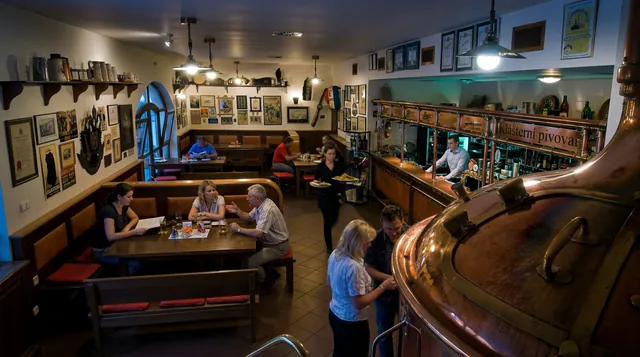
Pivovar Strahov
Walk through the heavy iron gates of the monastery and follow the smell. You'll catch the scent of boiling wort before you even see the door. This is Pivovar St
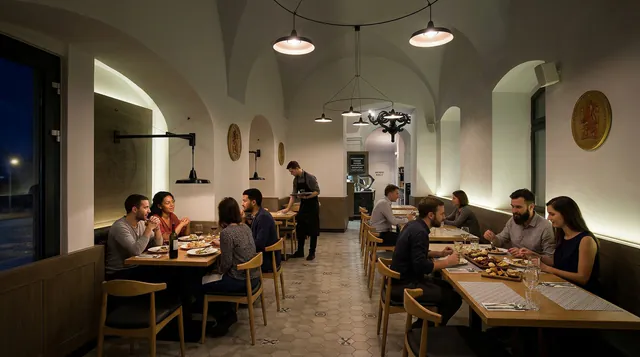
Restaurace Mincovna
You'll find Restaurace Mincovna right on the heavy stones of Old Town Square. But don't let the prime location worry you. Skip the tourist traps. This is a shar
Café Savoy
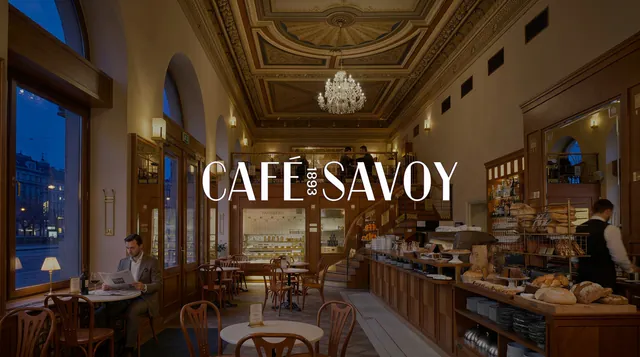
Cross the threshold on Vítězná and you're in the First Republic. It sits on the Vltava's west bank, steps from Legií Bridge and Kampa Park. This landmark belong
Frequently Asked Questions
How much should I tip at a restaurant in Prague?
What happens if I say "thank you" while handing cash to the waiter?
Is it true that I have to find my own table at traditional pubs?
Do servers automatically bring another beer when I finish my drink?
Can vegans easily participate in traditional Czech food tours?
When should I order my beverage at a traditional Czech restaurant?
Related Guides
- U Kunštátů – Craft Beer Bar & Garden
- Lokál Dlouhááá
- The Definitive Guide to Prague Nightlife
- The Plant-Based Paradigm: Prague's Vegetarian & Vegan Dining Guide
- Vinograf Senovážné
- The Ultimate 1-Day Prague Itinerary: Navigating the Royal Route and Historic Centre
- Strategic 72-Hour Prague Itinerary
- Ultimate 5-Day Prague Itinerary
Restaurant Finder
Filter restaurants by cuisine, price, and more.
Try it