National Technical Museum (Národní technické muzeum)
Museum
About the Experience
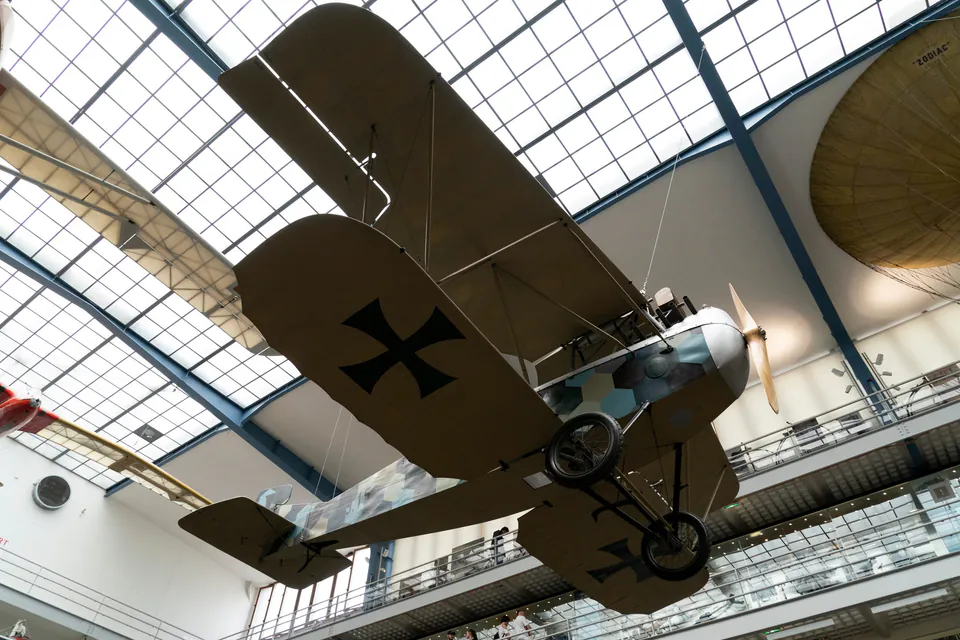
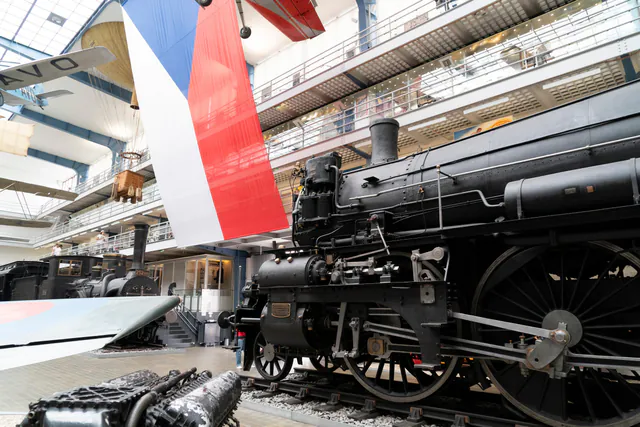
You'll see it looming over Letná plain, a massive functionalist block that hides one of the best collections in Central Europe. Forget the gothic spires for a morning. The National Technical Museum Prague is about the machines and minds that turned Bohemia into an industrial power. We're talking 14,000 square meters of history spread over seven floors. It's huge. You start in the Transport Hall, a sun-drenched atrium where planes literally hang from the ceiling over vintage cars and massive steam engines. It isn't just a collection of old metal. You can walk through a replica coal mine in the basement or handle the brass tools Kepler used to track the stars. The building itself is a masterpiece of design, sitting on the park's edge with views over the city. Inside, the focus shifts from kings to the mechanics, aviators, and chemists who pushed this region to the top of the industrial world. It's a playground for engineers and anyone who likes seeing how things actually work.
Photos
History & Significance
It opened on July 5, 1908, as the Technical Museum of the Czech Kingdom. The idea grew from the 1717 State Engineering School and Vojtěch Náprstek’s 1862 Industrial Museum. By 1910, they were showing off collections in the Schwarzenberg Palace. Architect Milan Babuška started the current Letná building in 1938, but the Nazis moved in during 1941 for their Ministry of Post. The museum spent years in exile. It partially reopened in 1948 and was nationalized in 1951, but the staff didn't get the whole building back until 1990. After the 2002 floods wrecked the archives, the place had a massive decade-long renovation. It finally reopened fully in 2013, exactly as Babuška planned.
The Cathedral of Locomotion: Transport History Unveiled
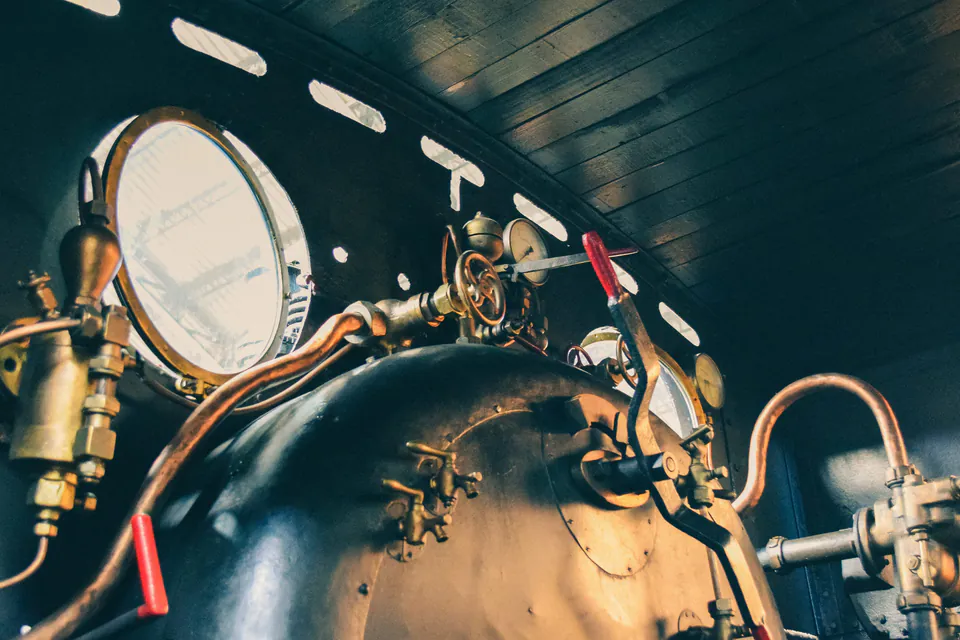
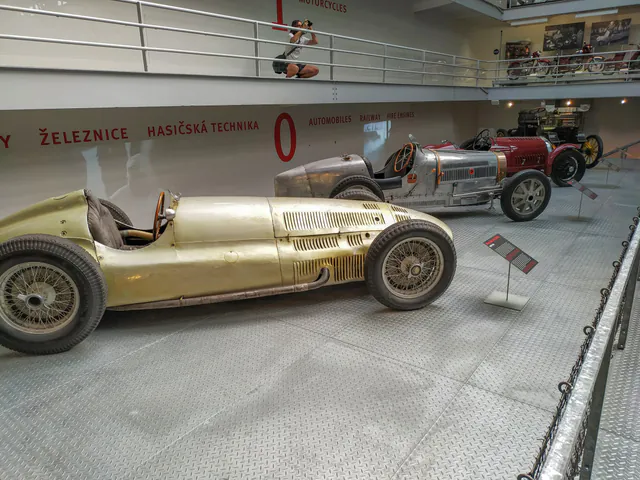
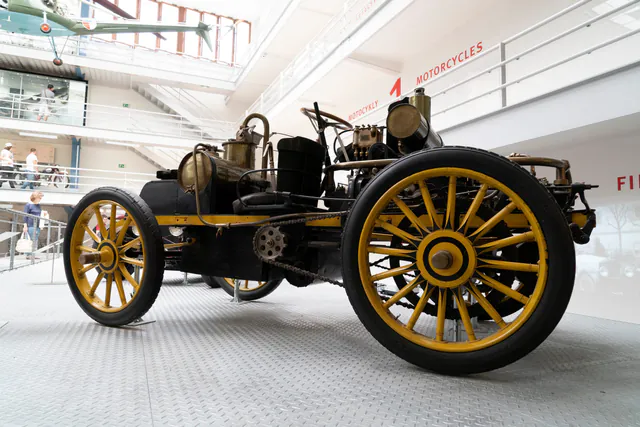
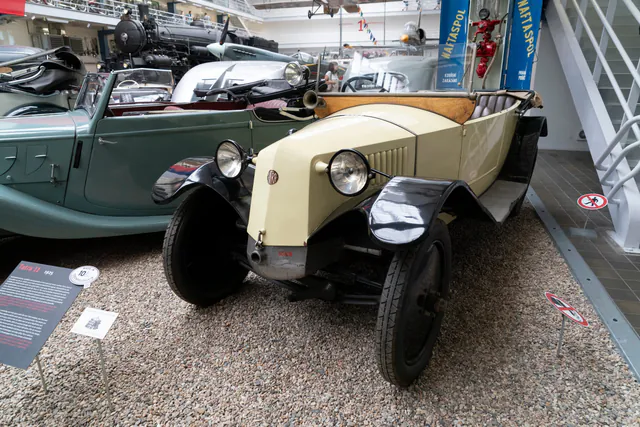
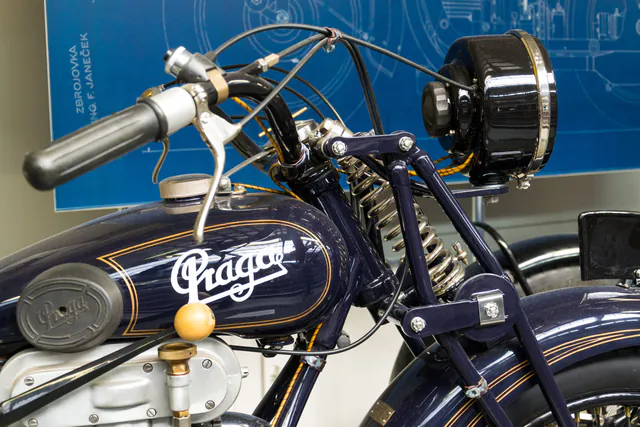
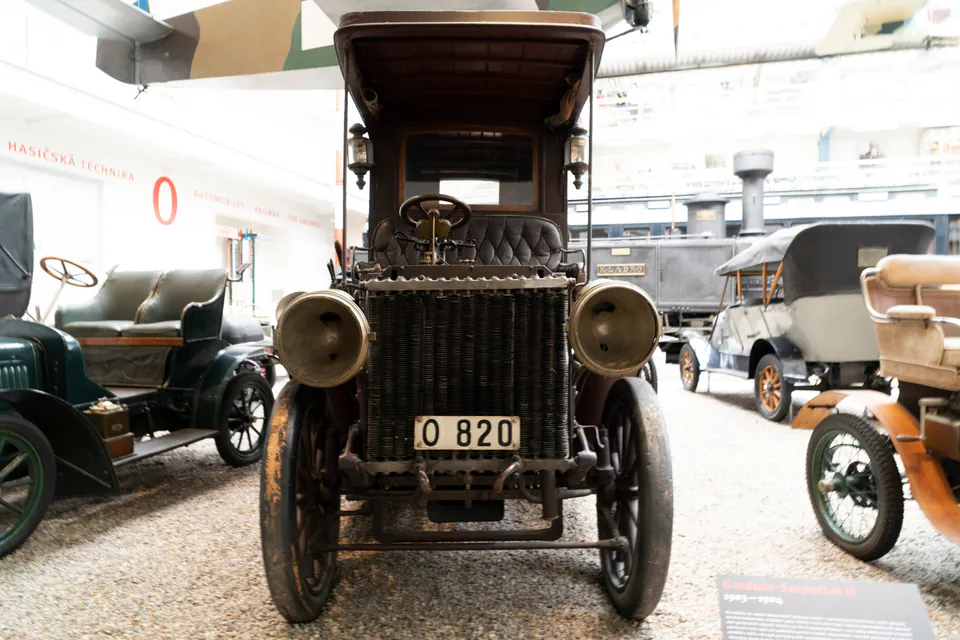
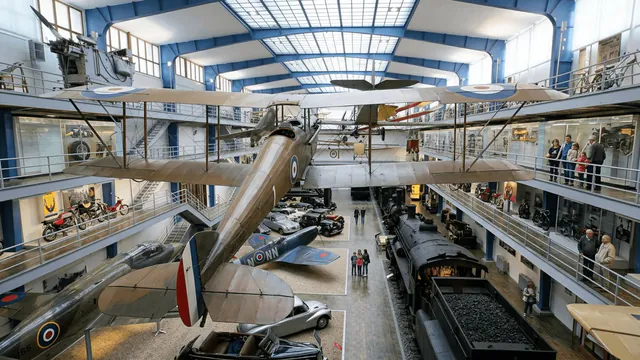
The Transport Hall is the heart of the museum. It's a three-story hangar for every machine that ever moved a Czech. You'll see the NW President from 1898, the first car built in these lands. It looks like a carriage without the horse. Then there's the Tatra 80 from 1935. This bulletproof beast belonged to President Tomáš Garrigue Masaryk. Look up and you'll spot Jan Kašpar’s 1911 monoplane, the first craft to make a long-distance flight in the country. Right next to it hangs a 1945 Supermarine Spitfire. It's a powerful monument to the Czech pilots who flew with the RAF in the war. You'll see rows of gleaming vintage cars from manufacturers like Škoda and Praga that once dominated European roads. Giant steam engines sit on real tracks, looking ready to pull out of the hall at any second. It’s a dense, heavy collection that shows exactly how Bohemia became the workshop of an empire.
Subterranean Realities and Chemical Triumphs: Industry and Invention
Head to the basement for something different. The replica coal mine is 490 meters of dark, cramped tunnels. They built it in the 50s using real timber and drills from actual mines. It’s loud. You hear the pneumatic tools and see the dim glow of carbide lamps. It feels real. The tour isn't just for show; it takes you deep under the building into a network of tunnels that mirror the conditions workers faced for decades. Upstairs, the chemistry exhibit shows off the lighter side of Czech genius. Don’t miss the toy-like machine Otto Wichterle built on his kitchen table in 1961. He used a Merkur building set and a bicycle dynamo to cast the first soft contact lenses. That little contraption changed the lives of millions. It's a mix of heavy industrial grit and high-level intellectual breakthroughs.
Celestial Mechanics: Astronomy in the Age of Kepler and Brahe
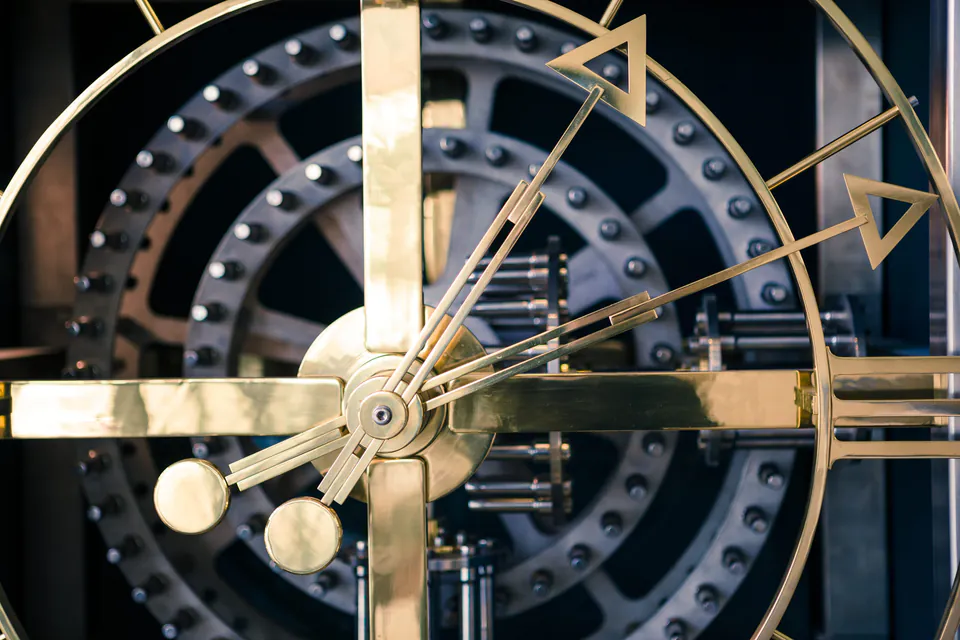
Humans have been mapping the stars for 6,000 years. This gallery tracks that obsession. You can actually touch an iron meteorite that slammed into Argentina 5,000 years ago. But the real draw is the Rudolf II era. Back in the late 1500s, Prague was the scientific capital of Europe. Giants like Tycho Brahe and Johannes Kepler lived here. The museum has the actual brass sextants they used. These tools, built by Habermel and Bürgi around 1600, were incredibly precise. Kepler used the data from these exact brass instruments to figure out how planets actually move. It’s the birth of modern space science in one room. When Emperor Rudolf II invited the best minds to his court, he turned the city into a giant laboratory. These massive observation tools are more than just museum pieces; they are the devices that proved the earth wasn't the center of everything.
The Art of Capture and Daily Life: Photography, Architecture, and Polygraphy
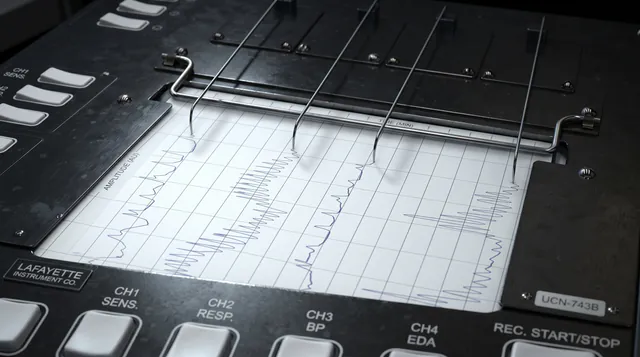
Beyond the massive engines, the museum looks at how technology changed the home. The Intercamera gallery has a rare 1840 daguerreotype from Louis Daguerre himself. You’ll also see the first camera that ever filmed in the Czech lands. In the Printing section, you can see how books were made before screens took over. They have old presses where you can see how lead type was hand-set and inked. It was hard work. The museum even covers the history of your own home. The Household Appliances exhibit tracks how daily life got easier (and more electric) over the last century. You can trace the design shift from ornate Victorian machines to the sleek, functional lines of the Soviet era. It’s a relatable, human way to end your visit before heading back out into the modern streets of Holešovice.
Tours & Experiences Nearby
Top-rated tours and experiences starting near National Technical Museum (Národní technické muzeum).
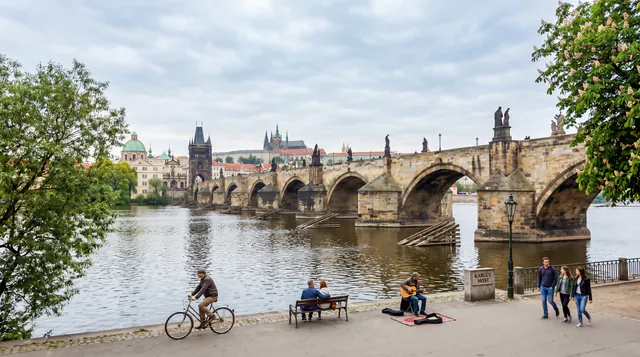 food tour
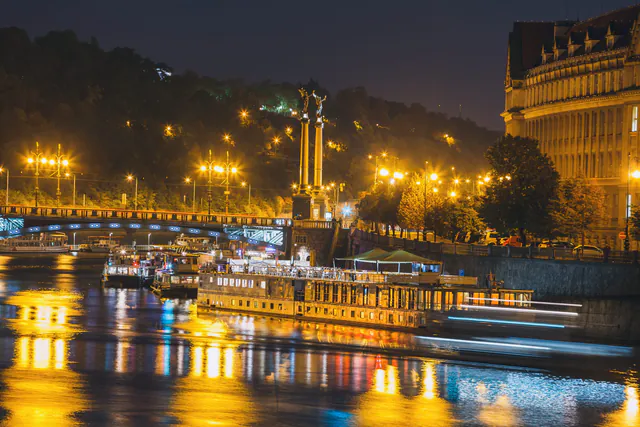 river cruise
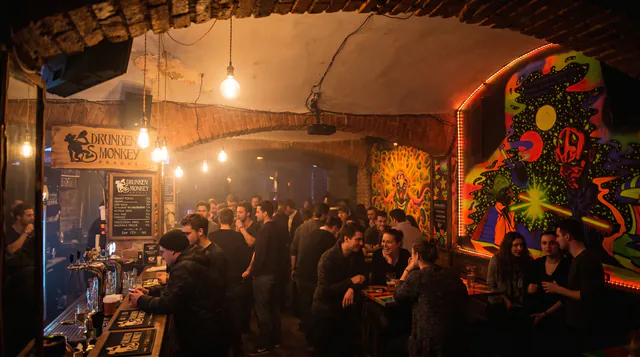 pub crawl
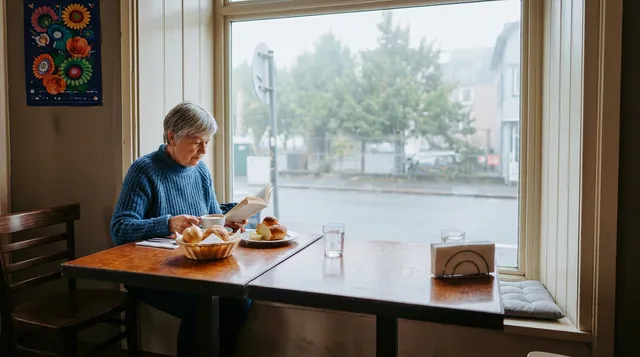 food tour
Essential Visitor Tips
- **Grab mine tour tickets fast
** The Ore and Coal Mine in the basement is only open via guided tours. They sell out. Buy your national technical museum tickets online before you arrive.
- **Target the Letná Carousel
** If you're here between May and September (Fri-Sun), walk across the street. This 1894 platform carousel is Europe's oldest. It's worth a look.
- **Hit Café Museum to refuel
** The onsite cafe has a solid retro vibe. Good coffee, light food, and a spot for kids to run around.
- **Look for cheap entry
** You might score free or discounted entry on state holidays like July 5 or October 28. Check the official site before you go.
- **Start at the top
** Take the lift to the top floor and work your way down. Or just head straight for the Transport Hall if you're short on time.
Best Time to Visit
"Go on a Tuesday or Wednesday morning. You'll dodge the weekend crowds and the loud school groups that swarm the place by midday."
Nearby Hotels
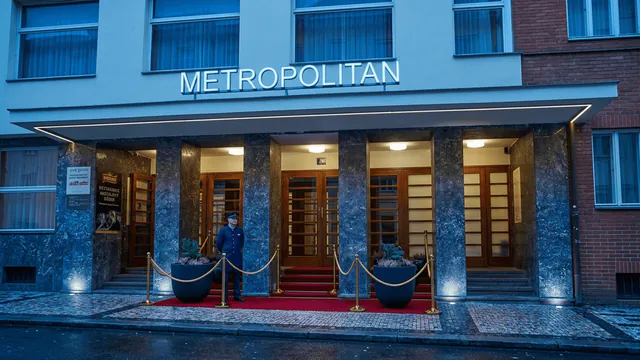
8 min walk (676m)
Panoramic rooftop Metropol Bar featuring signature mixology and garden chess · Complimentary inclusion of the multi-tiered CZECH INN Prague Pass for all guests
Price From €70/night
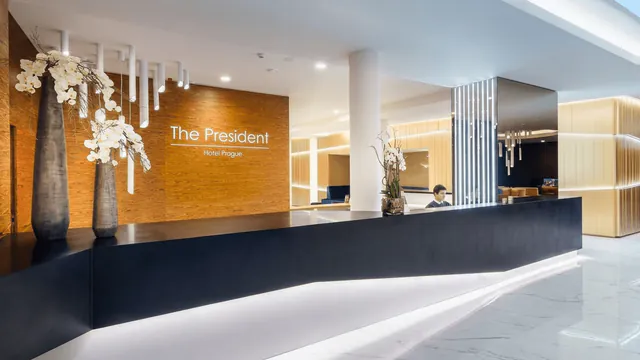
8 min walk (677m)
Panoramic river and Prague Castle views · Michelin-starred dining (Levitate)
Price From €160/night
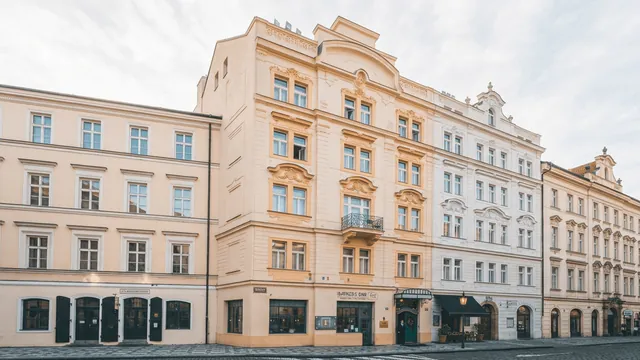
9 min walk (693m)
Unbroken six-generation continuous ownership by the Hanslík family since 1726 · Ground-floor access to the 1930s-themed Banker’s Bar and whiskey vault
Price From €130/night
Nearby Restaurants
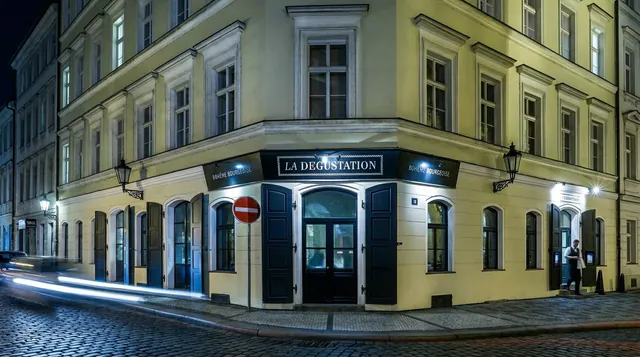
La Degustation Bohême Bourgeoise
Czech Fine Dining • Luxury
Head to Haštalská street in Old Town to find La Degustation Bohême Bourgeoise. I...
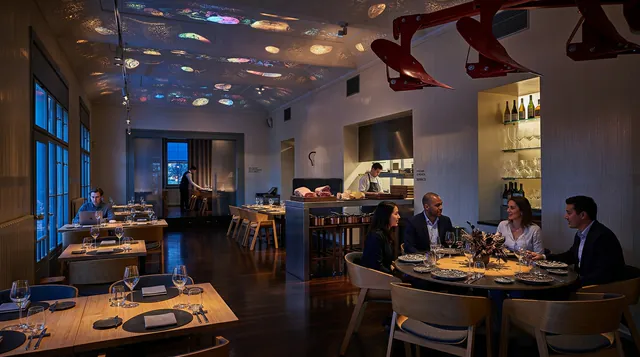
Field Restaurant
Fusion Fine Dining • Premium
Walk down U Milosrdných street in the quiet corner of Staré Město near the St. A...
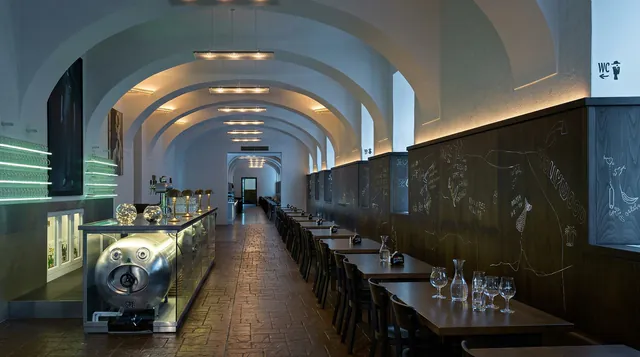
Lokál Dlouhááá
Czech Casual • Moderate
Lokál Dlouhááá is a 70-meter stretch of beer-fueled energy in the middle of Old ...
Frequently Asked Questions
How do I get to the National Technical Museum in Prague using public transport?
What else is there to do near the National Technical Museum?
Is photography allowed inside the National Technical Museum?
Is the National Technical Museum a good activity for a rainy day in Prague?
Are there places to eat near the National Technical Museum?
Is the National Technical Museum suitable for young children?
What is the architectural style of the National Technical Museum building?
Why is the National Technical Museum considered a hidden gem in Prague?
What are the opening hours of National Technical Museum (Národní technické muzeum)?
How much does it cost to visit National Technical Museum (Národní technické muzeum)?
How long should I spend at National Technical Museum (Národní technické muzeum)?
Is National Technical Museum (Národní technické muzeum) wheelchair accessible?
Quick Facts
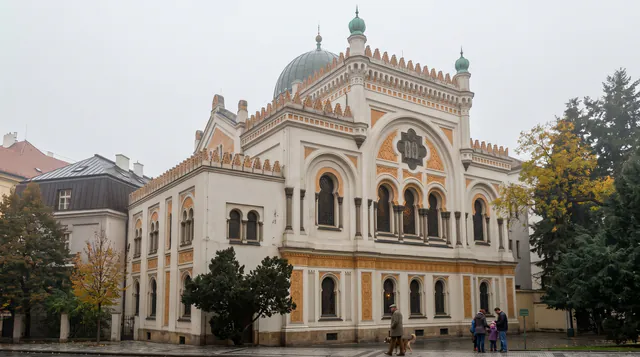
The Neighborhood
Josefov: Josefov
Read Guide