Národní galerie Praha
Gallery
About the Experience
Forget the single museum building concept. The National Gallery Prague is scattered across the city in half a dozen palaces and convents. You'll have to hike from the concrete functionalism of the Trade Fair Palace in Holešovice to the quiet Gothic cloisters of St. Agnes in the Old Town. It's a lot of ground. But the buildings are often as impressive as the art. You can stare at Albrecht Dürer’s legendary Feast of the Rosary one hour and confront avant-garde visions by Picasso or Klimt the next. It’s rarely as packed as the Louvre. You get space to breathe. And time to actually look. The gallery manages 399,000 items, spanning four centuries of local collecting and global buys. It's a serious operation. Serious historians will find deep value in the Old Masters and Czech modernism. Casual visitors will enjoy the visual drama of the palaces and the French Impressionists. Architects will love how the venues track European design from Gothic arches to stark functionalism. You'll find 13,000 Asian artifacts in neoclassical rooms and Baroque canvases under timber ceilings. This takes time. You’re exploring the city’s history through brick and oil paint.
History & Significance
A group of local nobles and intellectuals started the thing on February 5, 1796. They called themselves the Society of Patriotic Friends of the Arts. Their goal was simple. Make Prague more cultured. The collection actually goes back to 1606. That was when Emperor Rudolf II grabbed Dürer's Feast of the Rosary. After Czechoslovakia became a country in 1918, the state took over. By 1949, it was officially the central state collection you see today.
The Trade Fair Palace and the Evolution of Modernity
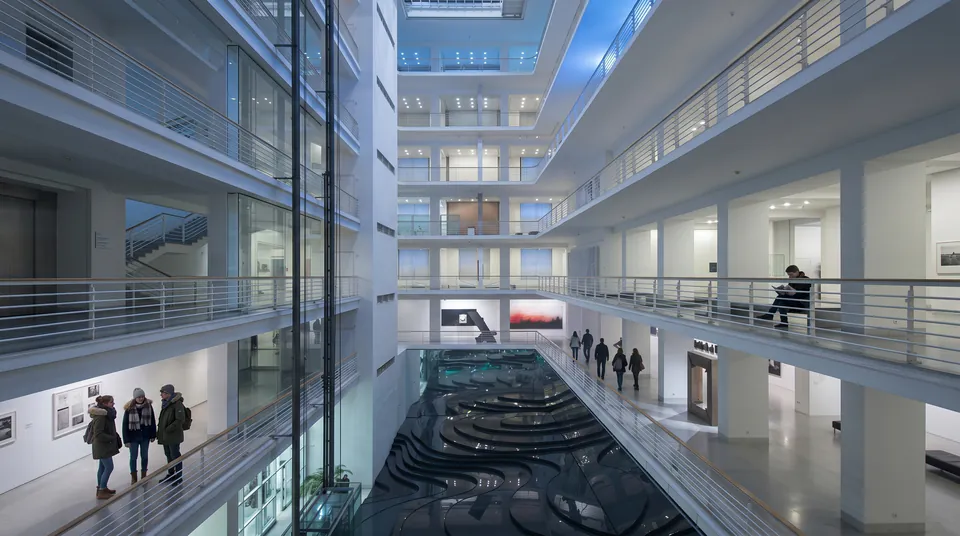
Veletržní palác is a massive concrete beast. Built between 1925 and 1928, it’s a functionalist icon that looks like a docked ocean liner. Inside, the light-drenched atriums hold 19th- to 21st-century art. It’s the best place to see how Czech artists like Kupka and Toyen fit into the global scene. Don't miss the 1923 French collection with its Van Goghs and Cézannes. Start at the top. Work your way down. This path follows the timeline of the art from the 19th century through the First Republic and into post-war conceptualism. The building is home to the Studio Hrdinů theater and a minimalist café, plus a specialist bookstore on the ground floor.
Aristocratic Grandeur at Hradčanské Square
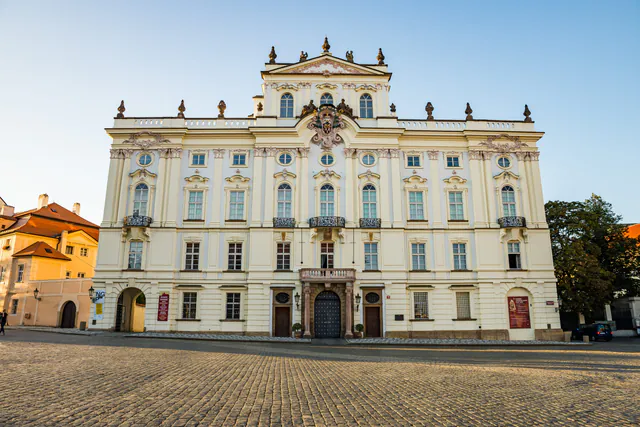
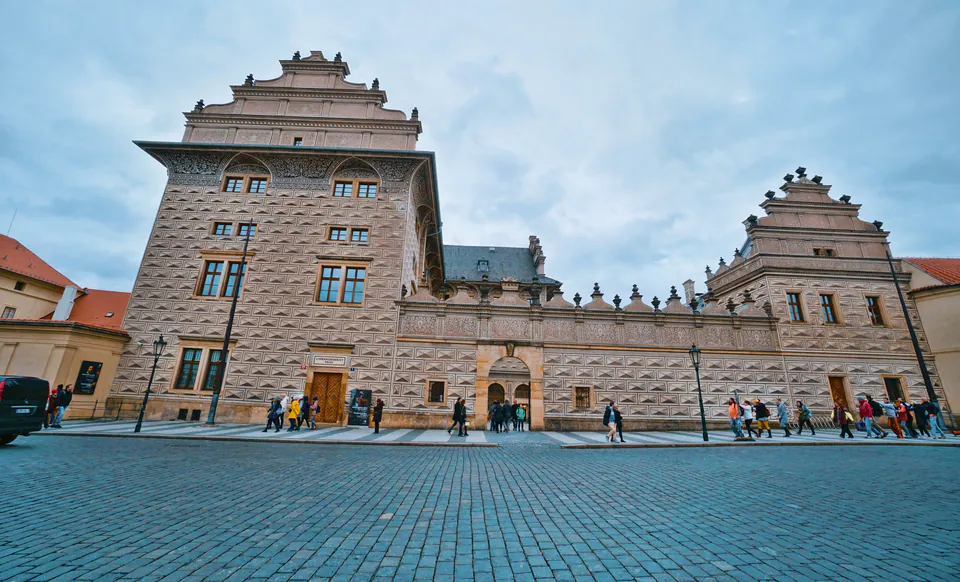
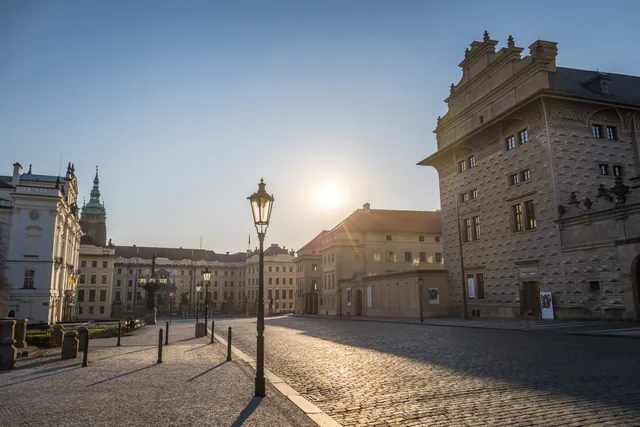
Hradčanské Square is home to the Schwarzenberg and Sternberg palaces, plus the Salm Palace. The Schwarzenberg is the one with the spiky black-and-white sgraffito walls. Inside are the Old Masters. Think dark, dramatic Baroque canvases under heavy timber ceilings. The Sternberg Palace is tucked away down a narrow alley. It’s a Baroque gem holding the real prizes. You'll find Dürer’s Feast of the Rosary and Rembrandt’s Scholar at his Study, plus Rubens’ Expulsion from the Garden of Eden. There is even a terraced garden overlooking the Stag Moat. The neoclassical Salm Palace houses the Asian Art collection. It is a strange mix of 13,000 Japanese and Chinese artifacts inside 19th-century European geometry. But it works.
Serenity, Spirituality, and the Convent of St. Agnes

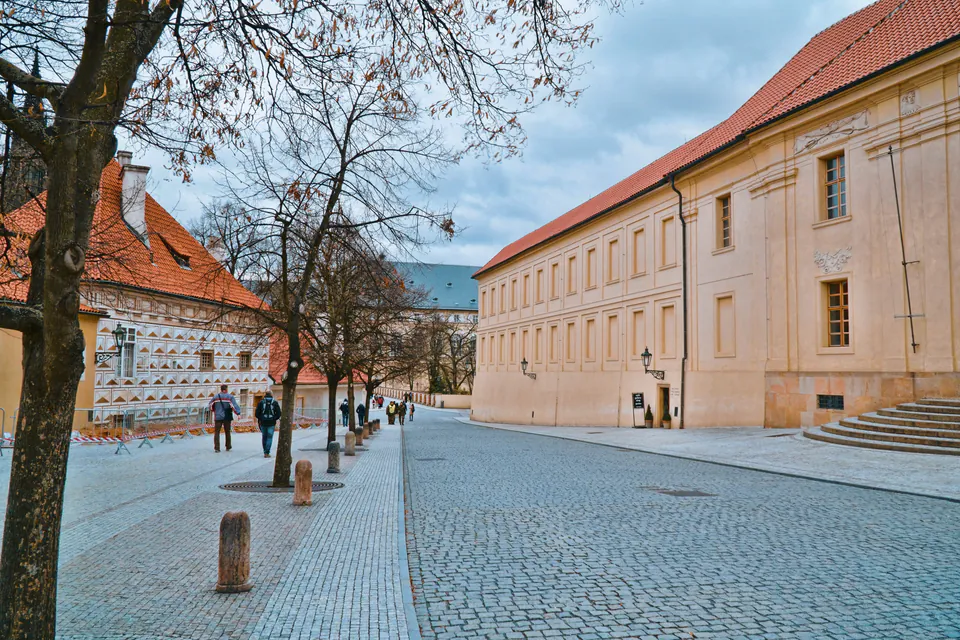
The Convent of St. Agnes is the oldest Gothic building in town. It’s quiet here. The stone walls and high vaults are the perfect spot for medieval altarpieces and carvings. You’re looking at the Golden Age of Bohemia under Emperor Charles IV. Masterpieces by Master Theodoric and the Master of the Třeboň Altarpiece are the stars. Seeing the 14th-century Madonna of Zbraslav in a real medieval convent hits differently than seeing it in a modern hall. Walk through the sculpture garden outside afterward. It's one of the few places in the center that feels genuinely peaceful. They even have tactile exhibits for visually impaired visitors to feel the Gothic sculptures.
Curatorial Breadth and Future Trajectories
The gallery is sitting on over 400,000 prints and drawings. You won't see them all at once because light ruins paper. They rotate these works in short exhibitions. It means the gallery always has something new to show. They also run a huge library at the Sternberg Palace and a massive architectural archive. By 2026, they’ll be celebrating 230 years. There is a big push for more free entry programs. And everyone is waiting for the permanent home for Mucha’s Slav Epic in the city center. These moves keep the National Gallery Prague at the center of the local art scene.
Tours & Experiences Nearby
Top-rated tours and experiences starting near Národní galerie Praha.
 bike tour
 segway tour
 walking tour
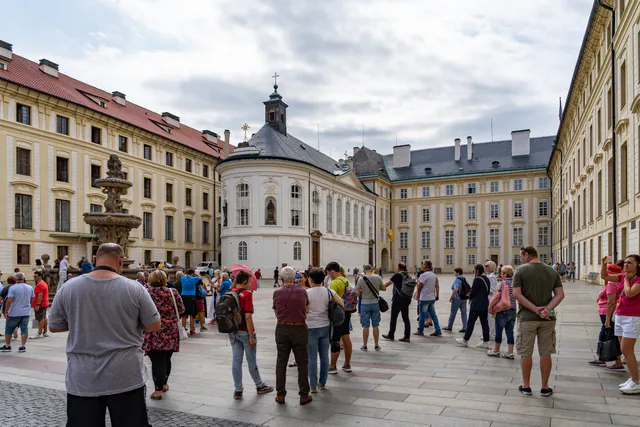 walking tour
Essential Visitor Tips
Grab the 750 CZK 10-Day Pass if you're hitting more than three palaces. It’s better for your wallet and your sanity.
At the Trade Fair Palace, take the lift to the top and walk down. It follows the timeline of the art and saves your legs.
Look for free entry days on May 18, October 28, and November 17. The first Sunday of every month is also free.
Take a break in the gardens at St. Agnes and Sternberg Palace. They are the best spots to escape the crowds.
Use tickets from local Studio Hrdinů shows to get 50% off at the Trade Fair Palace.
Check the official site for closures. Historic buildings often need rolling repairs and you don't want to miss a wing.
Best Time to Visit
"Go on a weekday morning in May, June, September, or October. You'll get cool walking weather and fewer school groups blocking the masterpieces."
Nearby Hotels
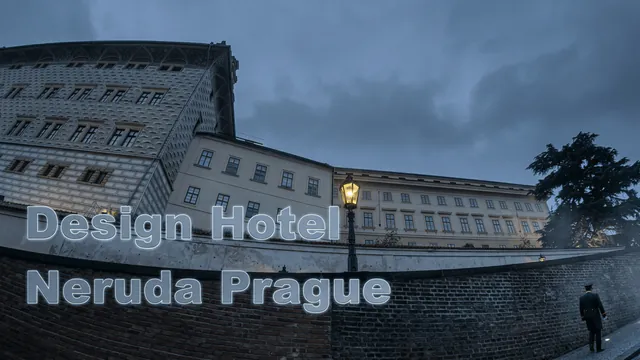
1 min walk (77m)
14th-century convent and House of the Three Eagles integration · Bespoke glasswork by acclaimed designer Bořek Šípek
Price From €110/night
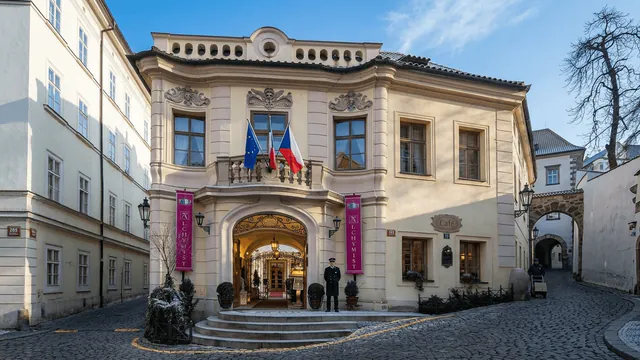
4 min walk (340m)
An expansive 11th-century Gothic cellar housing the tranquil Ecsotica Spa · A highly secluded, flower-adorned interior courtyard featuring a central fountain
Price From €215/night
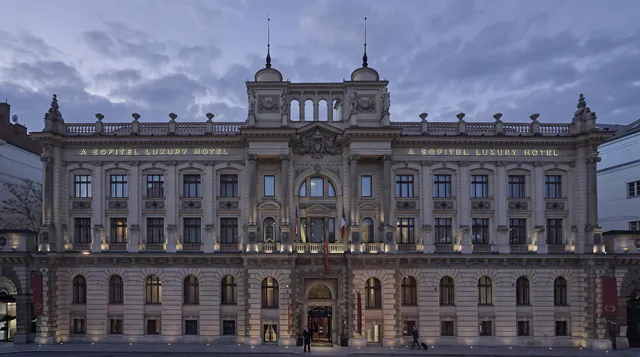
6 min walk (468m)
Exclusive private entrance to the UNESCO-listed Baroque Vrtba Garden (open seasonally). · Comprehensive musical theme featuring a dedicated musicologist and a 5,000+ CD/DVD library.
Price From €285/night
Nearby Restaurants
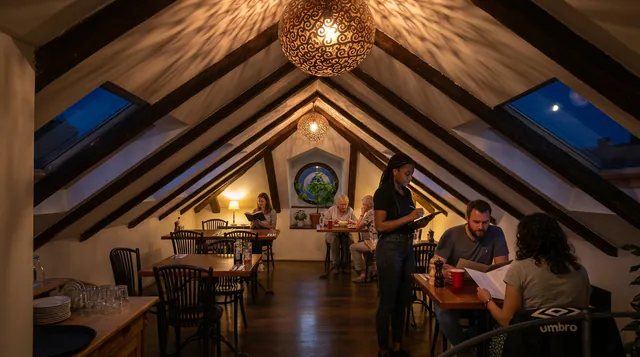
Vegan's Restaurant Prague
International Casual • Moderate
You'll find this spot tucked into the attic of a 16th-century house on Nerudova ...
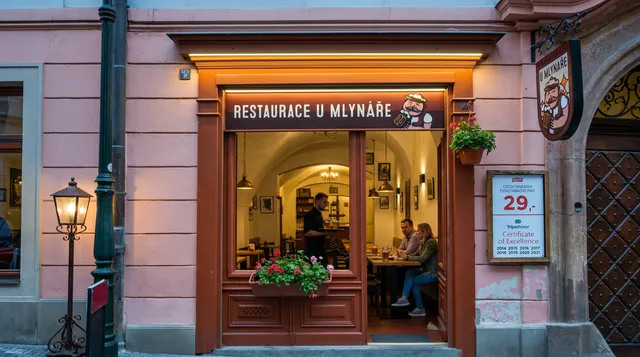
Restaurace U Mlynáře
Czech Casual • Moderate
You'll find Restaurace U Mlynáře on Nerudova Street, the steep climb toward Prag...
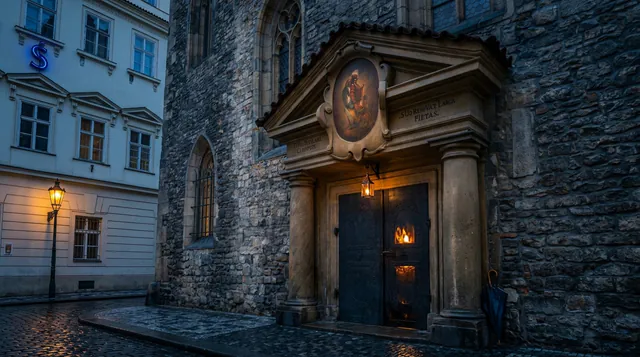
St. Martin
Fusion Bistro • Moderate
Tucked away on a quiet street in Malá Strana, St. Martin is your escape from the...
Frequently Asked Questions
How many buildings make up the Národní galerie Praha?
What is near the Národní galerie Praha Kinský Palace?
Can I take photos inside the Národní galerie Praha?
Are there good food options near the Národní galerie Praha?
What should I bring for a day at the Národní galerie Praha?
What is unique about the Convent of St. Agnes branch of the Národní galerie Praha?
Is the Národní galerie Praha a good activity for a rainy day?
How do I get between the different Národní galerie Praha sites?
What are the opening hours of Národní galerie Praha?
How much does it cost to visit Národní galerie Praha?
How long should I spend at Národní galerie Praha?
Is Národní galerie Praha wheelchair accessible?
Quick Facts
Find Hotels Nearby
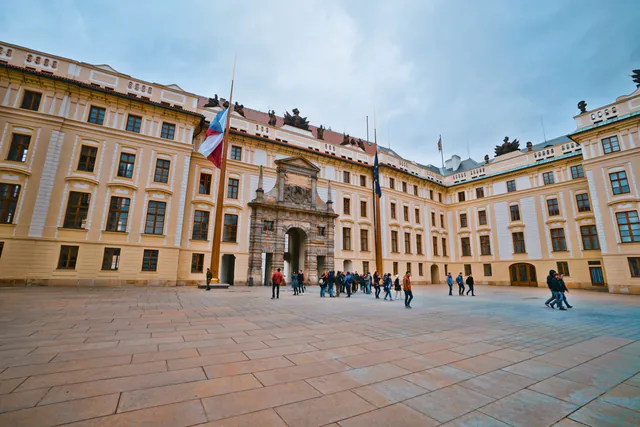
The Neighborhood
Hradčany: Hradčany
Read Guide