Chocotopia | Čokoládové zážitkové centrum
Museum
About the Experience
Don't look for Chocotopia in Prague’s Old Town anymore. The old spots on Celetná are permanently closed. This 4,000-square-meter monster is now located in Průhonice, right on the edge of the city. It’s a massive upgrade. You're inside a functional factory. It's miles away from a dusty museum. It's the only plant-to-bar facility in the country open to the public. You’ll smell the roasting beans the second you walk in. The scale here is different. You aren't just looking at pictures. You're watching a full-scale industrial operation where the sights and smells dictate your day.
The tour starts in a dense indoor jungle with live parrots to show you where cacao actually grows. It’s a humid replica of a Mexican plantation. You'll see how the trees are grown and harvested. Then you move into the iron age. Huge 19th-century machines show how chocolate became a global staple. You'll see the massive iron gears and early roasting drums that turned a luxury drink into a bar you can buy anywhere. It's a loud, mechanical history lesson that documents the exact moment chocolate went mass-market.
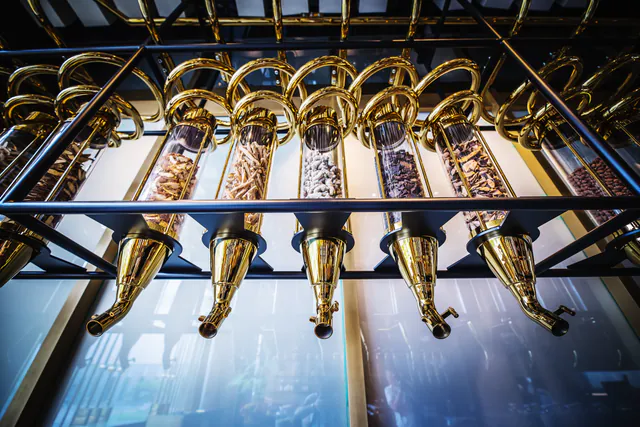
But the real draw is watching the masters work. You’ll see them temper and mold pralines behind giant glass panels. It’s industrial. It’s loud. You can follow the beans from the raw state all the way to the cooling tunnels. There are tasting stations everywhere. You don't have to wait for the end to start eating. Master chocolatiers show off their skills while the machines hum in the background. It demystifies the science of modern production while keeping the artisanal feel alive.
This place works for anyone. Families can dump the kids in the "Fantasy World" play area. Serious foodies can focus on the ethical sourcing and the factory floor. It’s a top-tier look at cacao culture for anyone willing to drive 20 minutes out of the city center. You get unrestricted access to the artistry and the history of the world's favorite snack. It’s a multi-sensory experience that ends with a lot of chocolate in your bag. You’ll walk away with a deep understanding of why the world is obsessed with these beans.
History & Significance
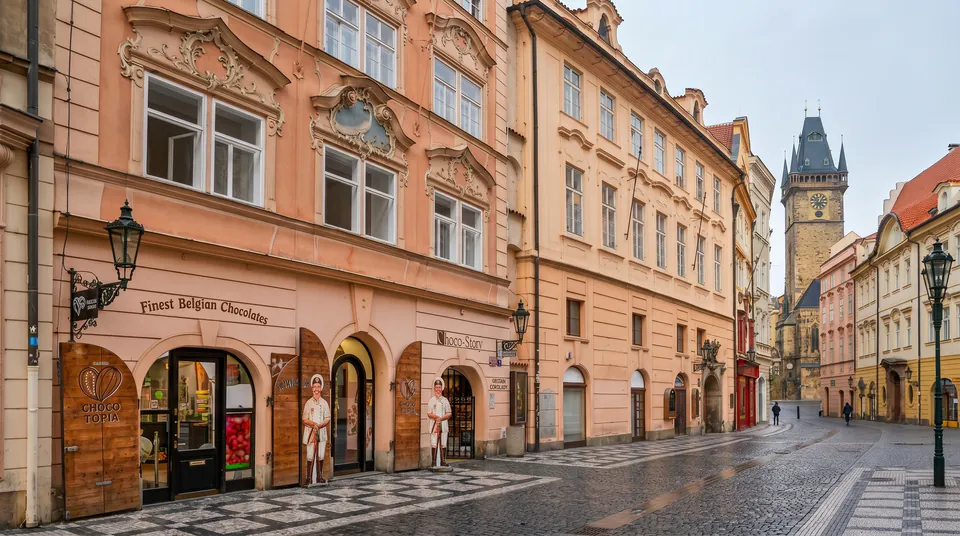
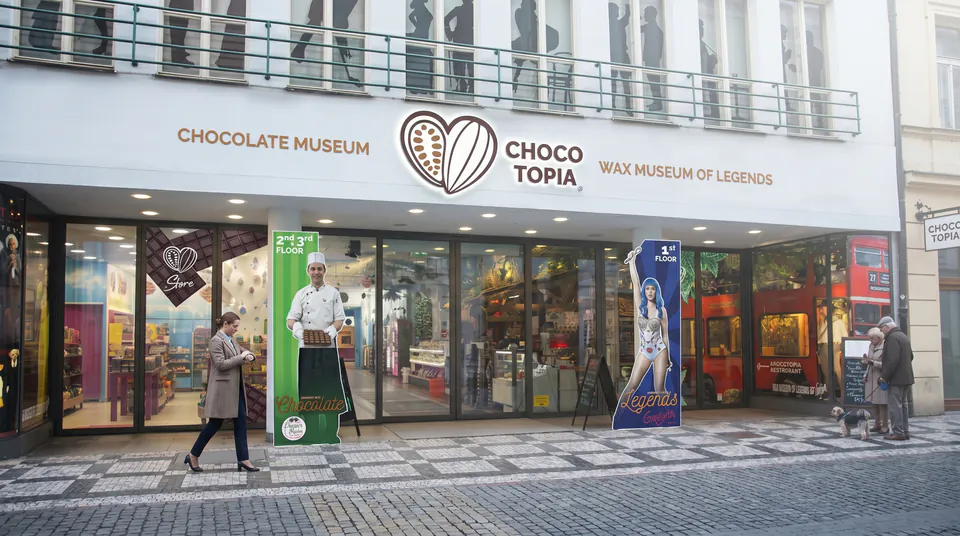
Henk Mestdagh and his wife Simona started this in 2008 with a small museum at Celetná 10. They grew fast and bought a wax museum next door in 2018. But they wanted to make chocolate, not just talk about it. In June 2020, they shut their central Prague locations for good. They moved every machine and exhibit to this custom-built 4,000-square-meter factory in Průhonice. It turned a boutique museum into a serious production center.
The Mesoamerican Genesis and the Economic Paradigms of Cacao
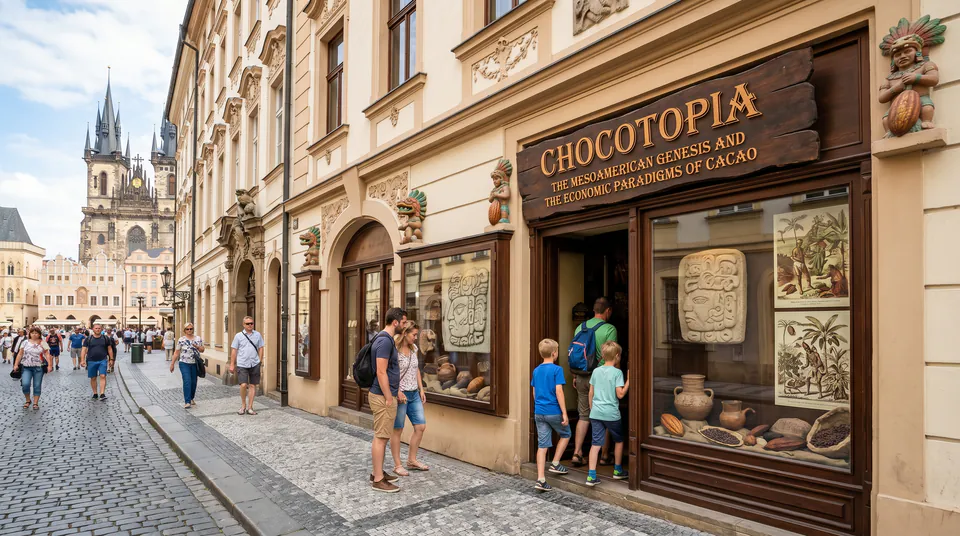
Forget the cheap candy bars for a second. The first halls take you back to the Olmecs and Aztecs. They treated cacao like gold. Literally. The seeds weren't just food. They were a spiritual and medicinal pillar of society. They were also the basis of the economy. You’ll see the exchange rates on the walls. Ten beans bought you a rabbit. Forty got you a turkey. If you had a hundred, you could buy a human life. It’s a sobering look at how a plant fueled an empire.
The museum goes deep into the economics. In the 15th century, cacao was a standardized currency. You’ll see how the Aztec tax system worked and how they valued their goods. It’s a cold, hard look at the value of a bean. You’ll also learn to spot the difference between the rare, red Criollo beans and the common Forastero stuff. Most cheap supermarket bars use Forastero because it's tough and easy to grow. But the Criollo is where the real flavor is. It's rare and complex. You'll learn why it doesn't have that harsh bitterness before you hit the tasting rooms.
The Industrialization of Sweetness: 19th-Century Machinery and Food Science
The middle of the tour feels like a Victorian engine room. It’s full of heavy 19th-century iron. These are the steam-powered beasts that changed everything. Before these hydraulic presses arrived in the 1820s, making chocolate was back-breaking work. You had to grind tough cacao nibs into paste by hand. These machines stripped away the fat and turned seeds into the smooth bars you recognize.
The hydraulic press was the massive technological leap. It applied enough pressure to extract the cocoa butter and leave behind a soluble powder. This allowed the world to have solid chocolate bars for the first time. Seeing these rust-colored giants next to the shiny modern factory floor shows you exactly how far food science has come. It’s a mechanical timeline of how we learned to mass-produce sweetness. You aren't just looking at scrap metal. You're looking at the birth of modern food science that made chocolate affordable for everyone.
Where the Cacao Comes From
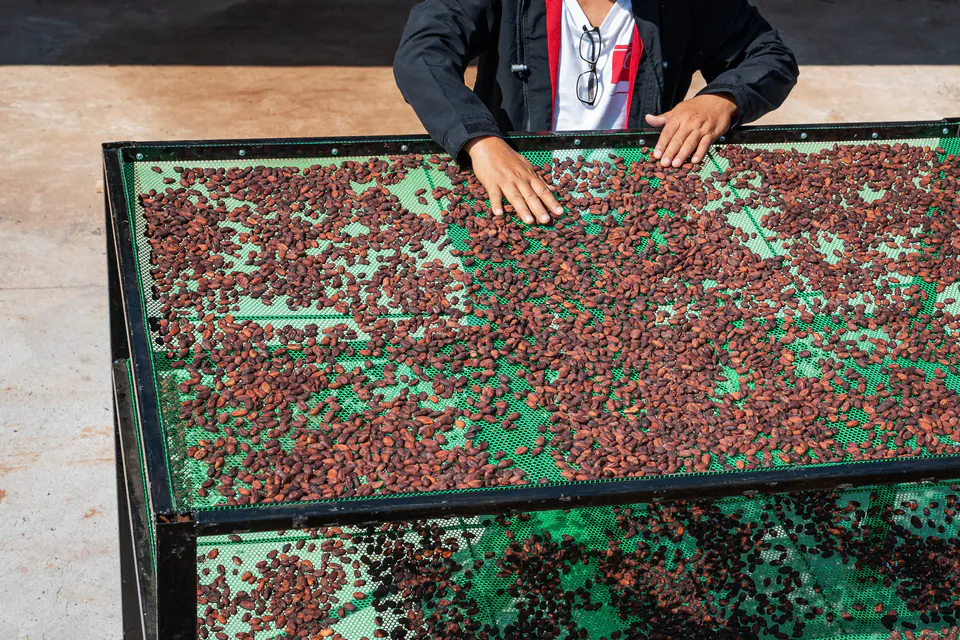
You hit the jungle before the factory. It’s a humid, green replica of a Mexican plantation. It serves a real purpose. The owners actually co-own a plantation in Mexico to control their supply. You’ll walk under broad leaves while parrots scream from the rafters. It's where you learn about the tiny midges that pollinate the trees. You'll see how the beans ferment under banana leaves to develop their flavor.
This section shows you how sustainable cultivation works. You'll learn about global ecology and the reality of ethical sourcing. It’s a powerful look at the labor conditions of the people who actually grow the stuff. Walking through the humid air and hearing the birds makes the whole supply chain feel real. It turns the tasting into something more than just a snack. You start to appreciate the interconnectedness of the global food trade. The whole experience connects the dirt of the farm to the silver foil of the wrapper.
The Interactive Laboratory: Plant-to-Bar Production and Master Workshops
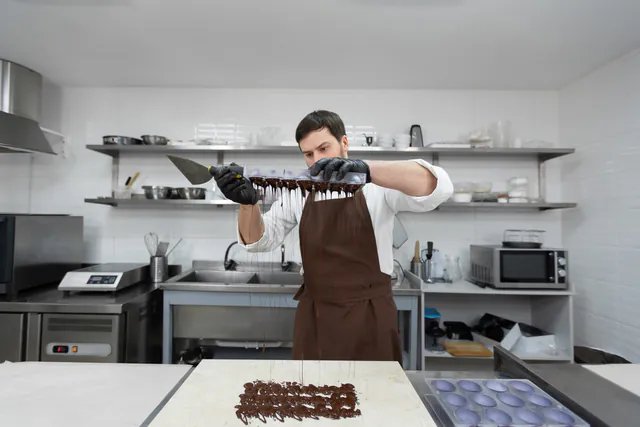
This is where the history and the botany finally meet. You're standing right on the modern factory floor. It’s the top plant-to-bar maker in the Czech lands. Huge glass panels give you a clear view of the whole process. You can watch the masters run the tempering vats and the cooling tunnels. You'll see them managing the microscopic texture of the chocolate. It’s a high-tech lab disguised as a kitchen.
If you pay for the workshop upgrade, you get to cross the line. Put on an apron and start crafting in a professional studio. You'll learn to pipe tempered chocolate into molds. You can also design custom lollipops. Or try creating tablets with exotic toppings. You’ll walk away with 300g of your own handmade bars as a souvenir. Then hit the tasting room. You can try 15 different types until your sugar levels redline. It's the ultimate souvenir from a day spent inside a chocolate lover's dream. You won't find a more hands-on experience in Prague.
Essential Visitor Tips
The old Old Town locations are dead. Don't waste time going to Celetná. Head straight to Průhonice.
Pay for the workshop upgrade. It's worth it. You'll make and keep 300g of your own handmade bars.
Look for the 'Oxanti' bars in the gift shop. They're packed with antioxidants and based on old medicinal recipes.
Grab the audioguide immediately. It explains exactly what the machines are doing behind the factory glass.
Take it slow in the tasting room. You have 15 different flavors to try. Don't burn out your palate in five minutes.
Best Time to Visit
"Go on Wednesday or Thursday afternoon. You’ll dodge the weekend families and actually have space to talk to the staff."