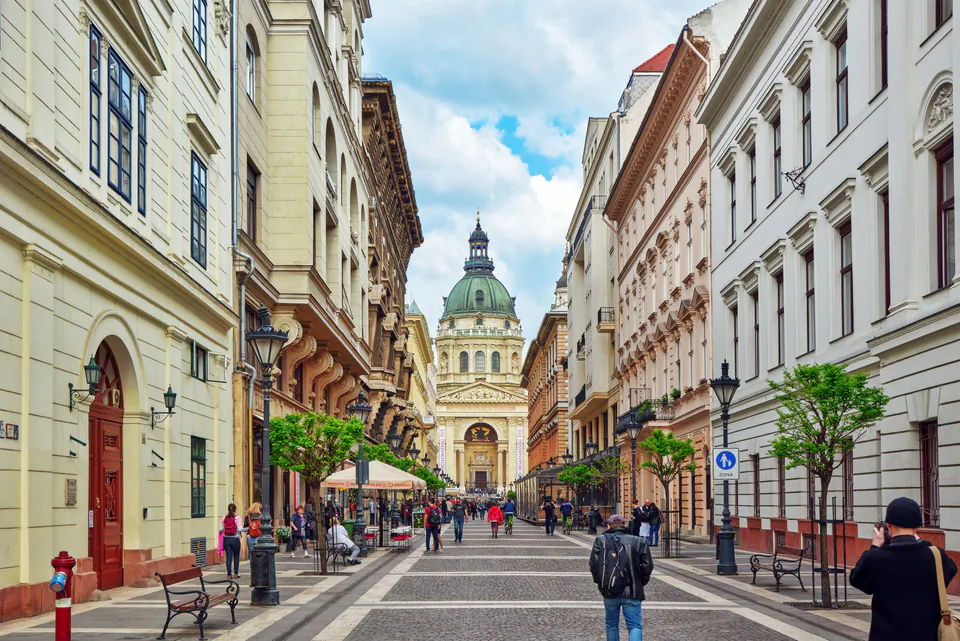
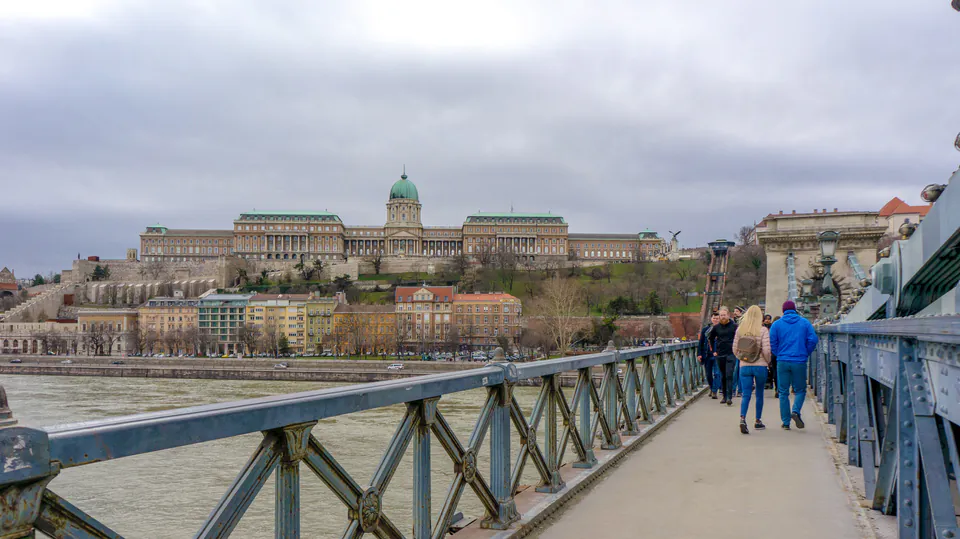
Budapest is a city of two distinct halves, and if you try to tackle it without a plan, you will end up with blistered feet and a very shallow understanding of its complex history. The divide between the imperial grandeur of Buda and the gritty, commercial energy of Pest is best bridged on foot. While the iconic yellow trams are useful, they cannot take you through the narrow Jewish Quarter alleys or the quiet, cobblestone residential streets of the Castle District. Most visitors make the mistake of staying only in the flat areas of District V, but the real magic happens when you climb the stairs from Batthyány Square or ride the historic M1 Millennium Metro out to the City Park.
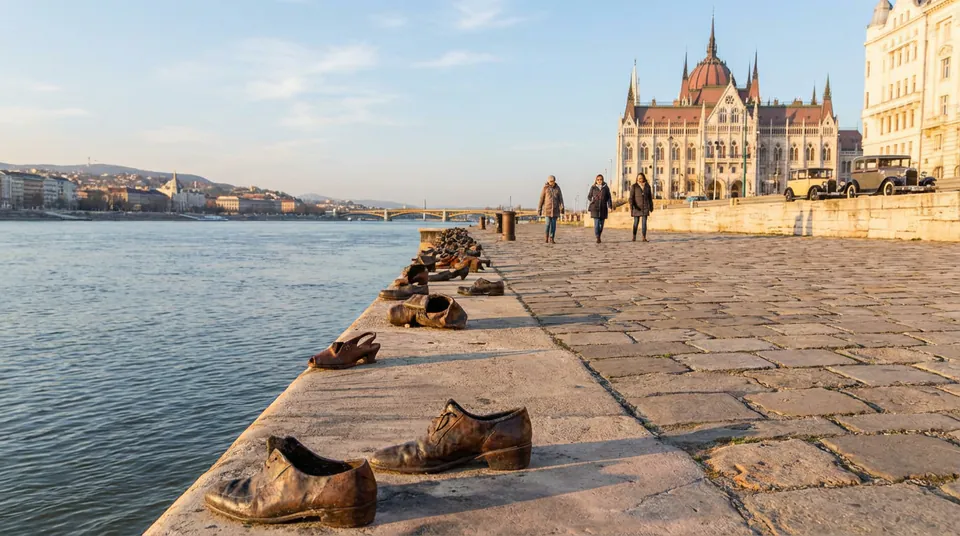
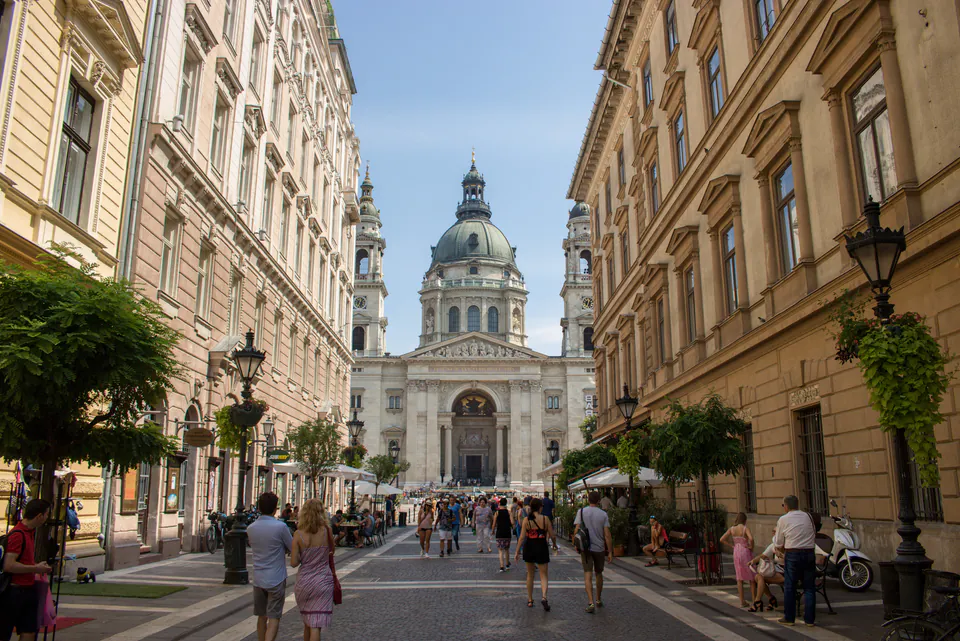
For those on a budget, the free walking tours are surprisingly high quality, though you should expect to tip around 10 to 15 EUR per person for a professional experience. If you want more than just a surface level glance at the Parliament, the themed walks focusing on the 1956 Revolution or the Shoes on the Danube Bank offer much needed context for Hungary's 20th century trauma. Private tours like the Essentials Highlights and Hidden Gems are the way to go if you want to skip the lines at St. Stephen's Basilica, which can be a nightmare during the peak summer months.
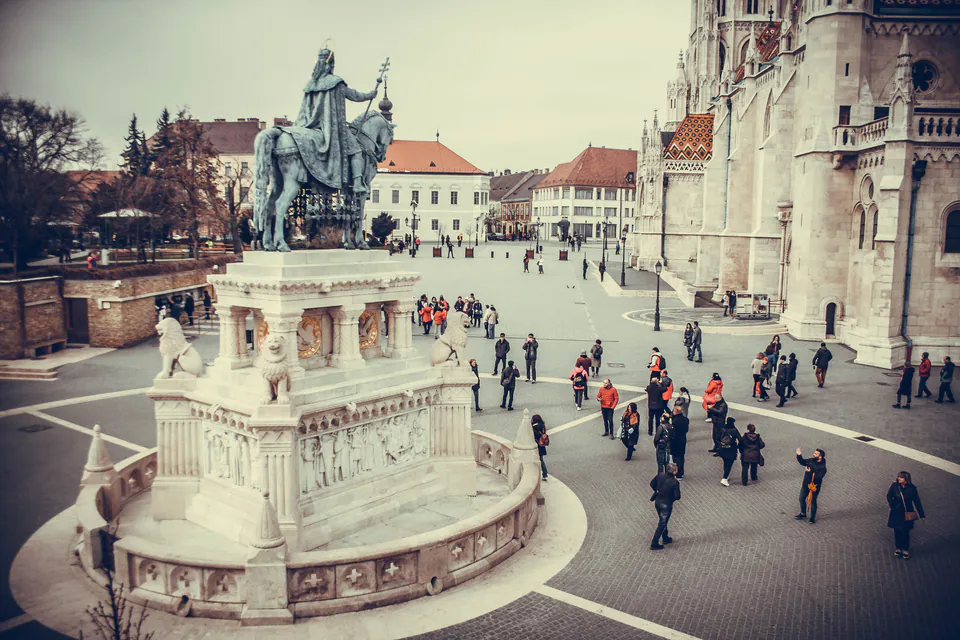
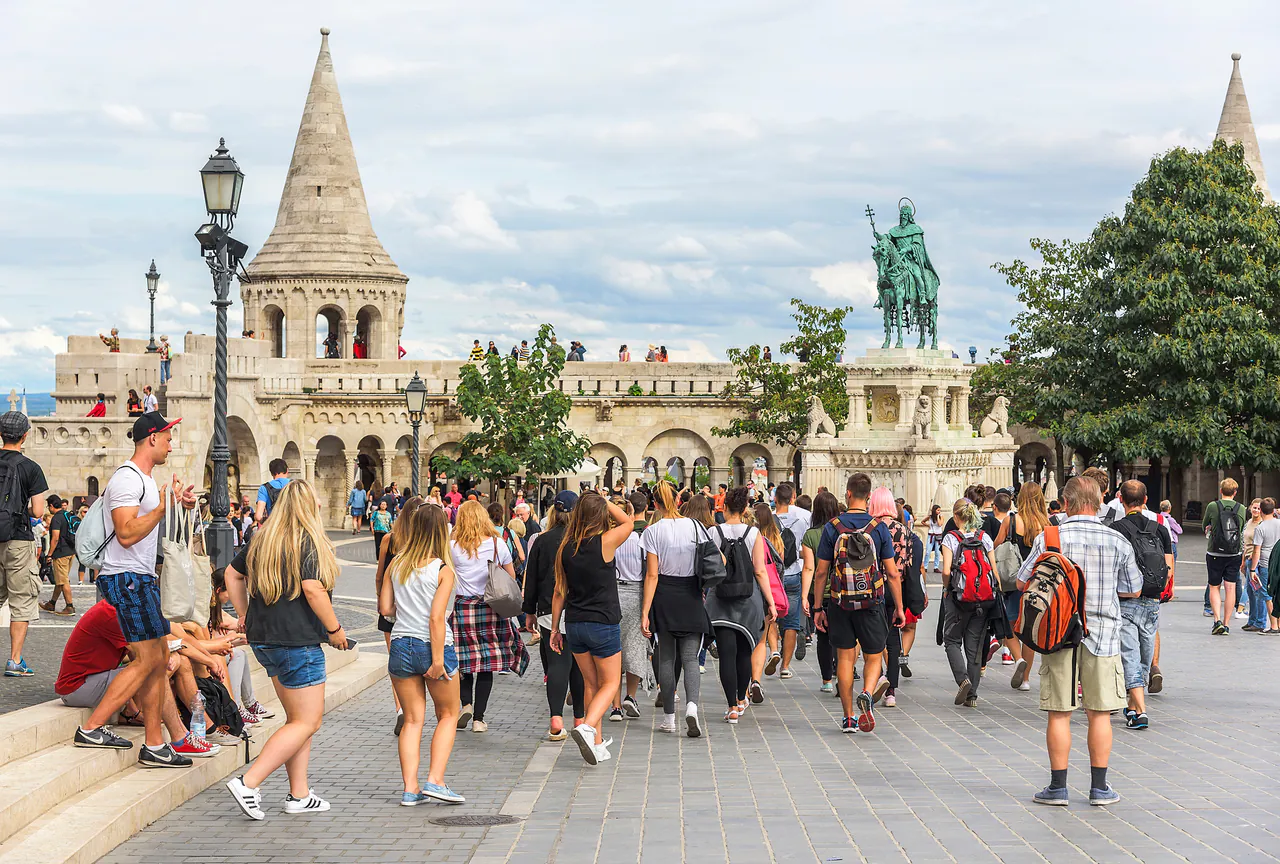
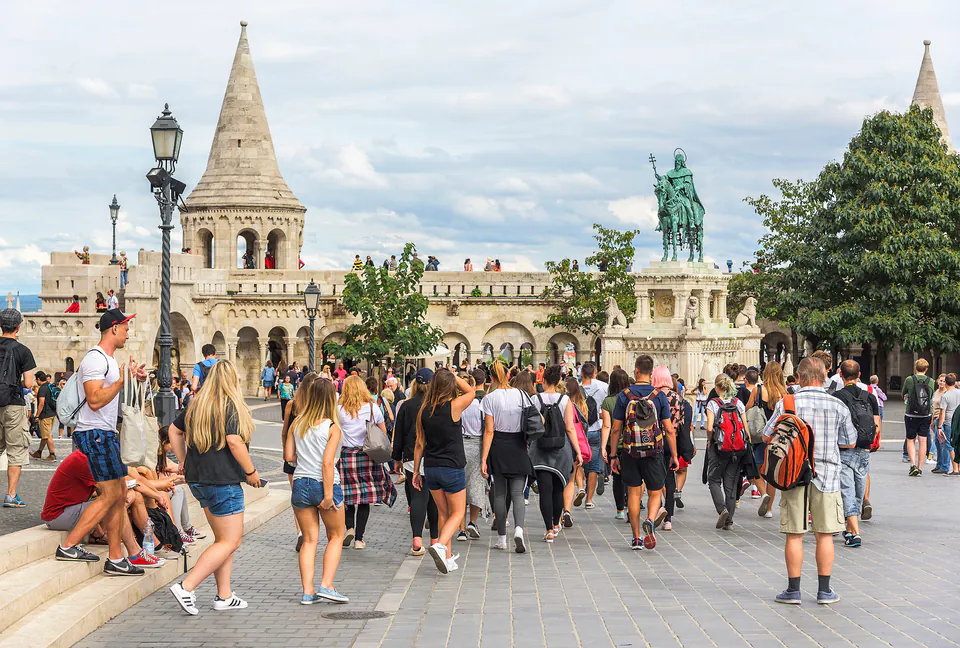
Expect to spend about two to four hours on a comprehensive tour. The All in One tour is particularly good value because it includes the metro fare and a strudel stop, saving you the hassle of navigating ticket machines yourself. Whether you are looking for the panoramic views from Fisherman's Bastion or the Art Nouveau details of Liberty Square, these eight tours represent the most efficient and engaging ways to see the city. They move beyond the dry dates of a textbook to tell the stories of the people who built, fought for, and rebuilt this capital.
 #1
#1