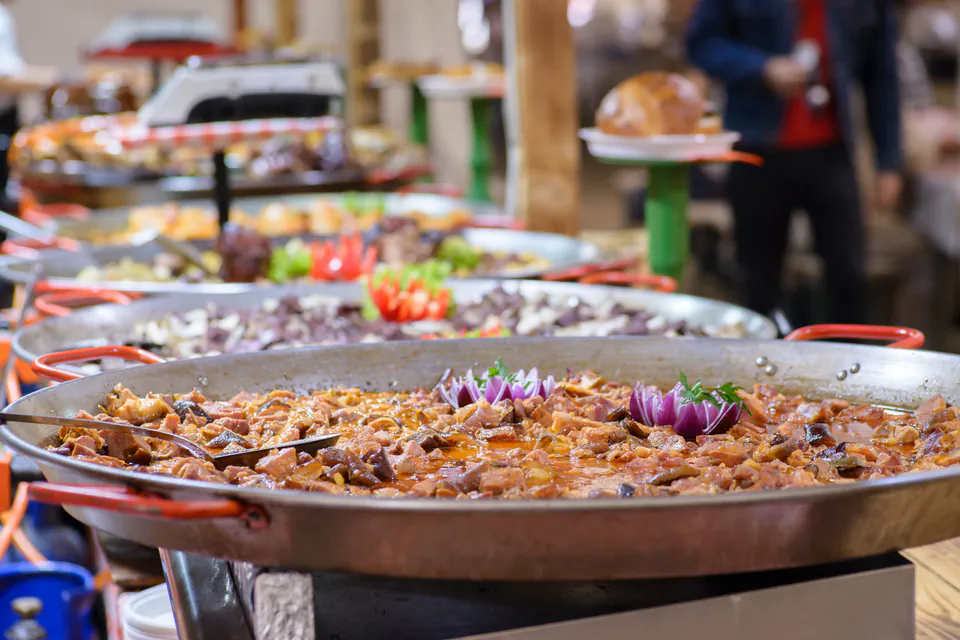
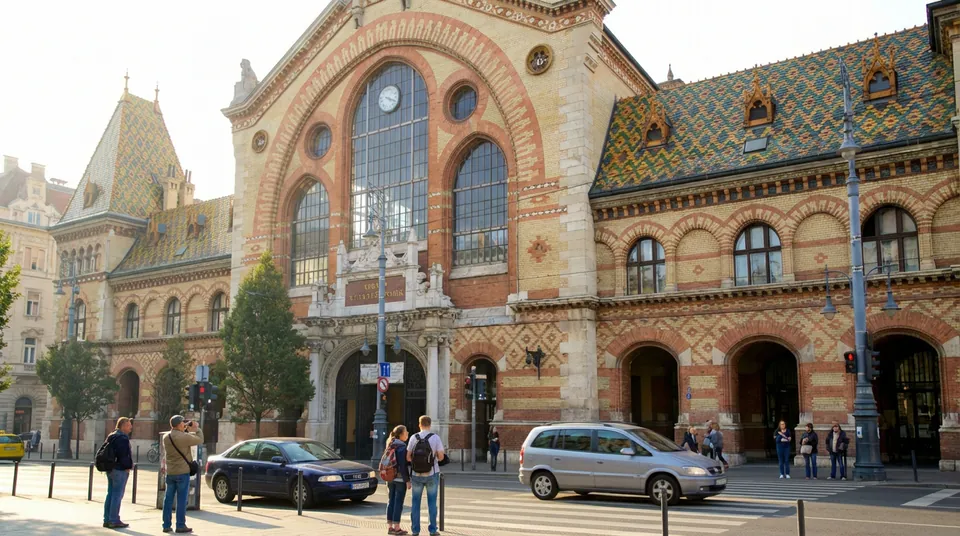
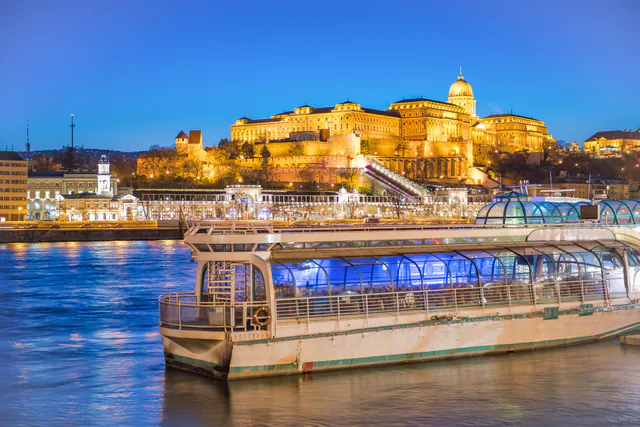
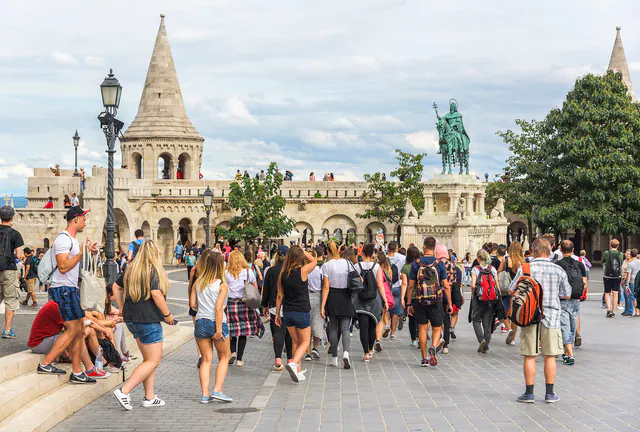
Budapest is no longer just about cheap beer and heavy paprika. The city has matured into a sophisticated culinary hub where 19th-century market halls meet avant-garde wine cellars. To find the soul of Hungarian cuisine, you have to look past the neon signs of Váci utca and head into the Palace District or the hidden taverns of the Jewish Quarter. These experiences are not just about eating, they are about understanding the complex history of the Carpathian Basin through its flavors. Expect to pay anywhere from 60 EUR for a focused tasting to 110 EUR for a full-day excursion into the countryside.
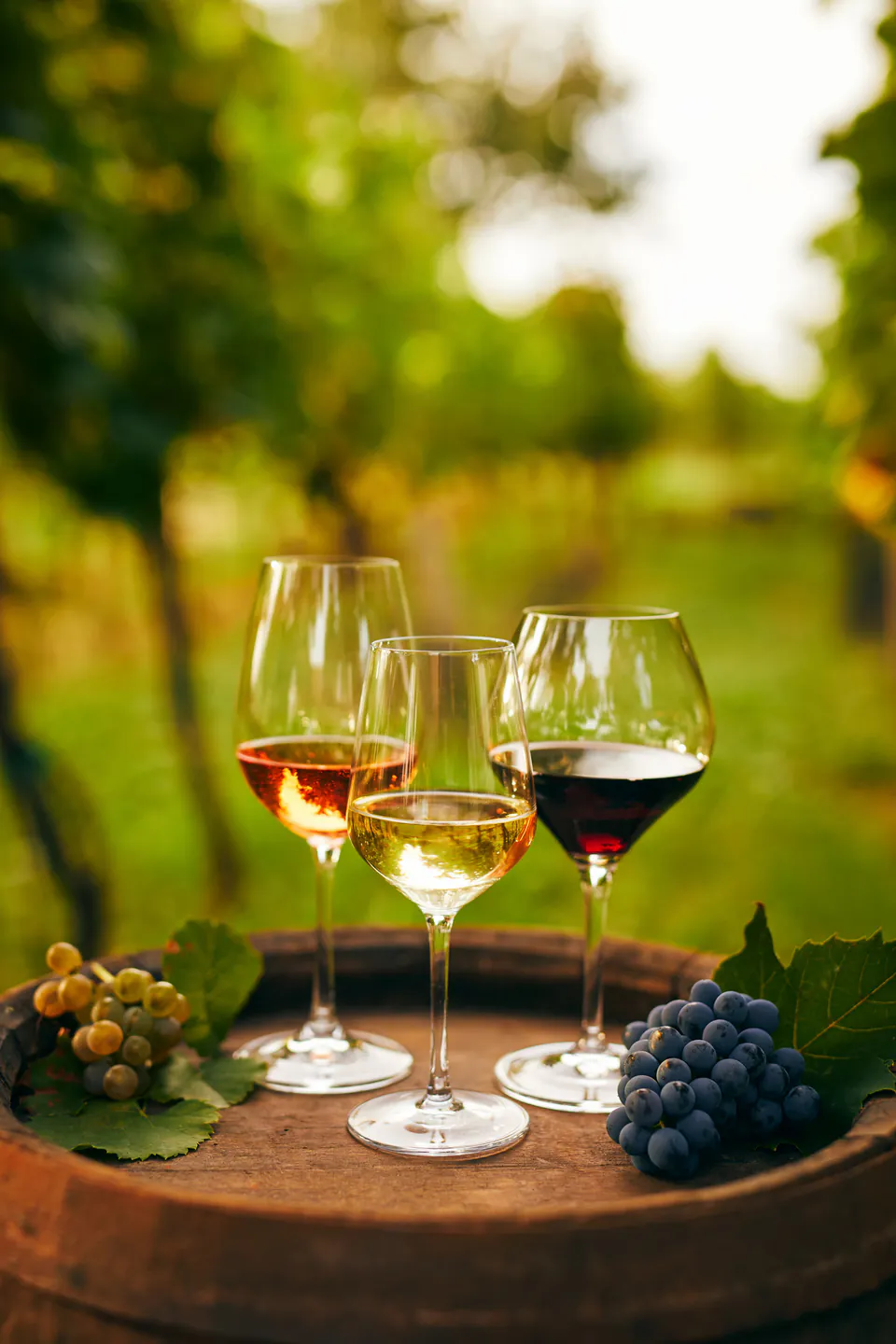
When choosing a tour, the Great Market Hall is the obvious starting point, but the real magic happens in the smaller, family-run spots. A 90-minute wine tasting in a vaulted cellar offers a sharp, academic look at the country's 22 wine regions, while a 300-minute trip to Etyek provides a visceral connection to the land. If you are a hands-on learner, skip the standard walking tours and book a session in a private apartment where you can actually get your hands floury making Nokedli. The difference between a mediocre Goulash and a great one lies in the quality of the paprika and the patience of the cook, details you will only learn from a local expert.
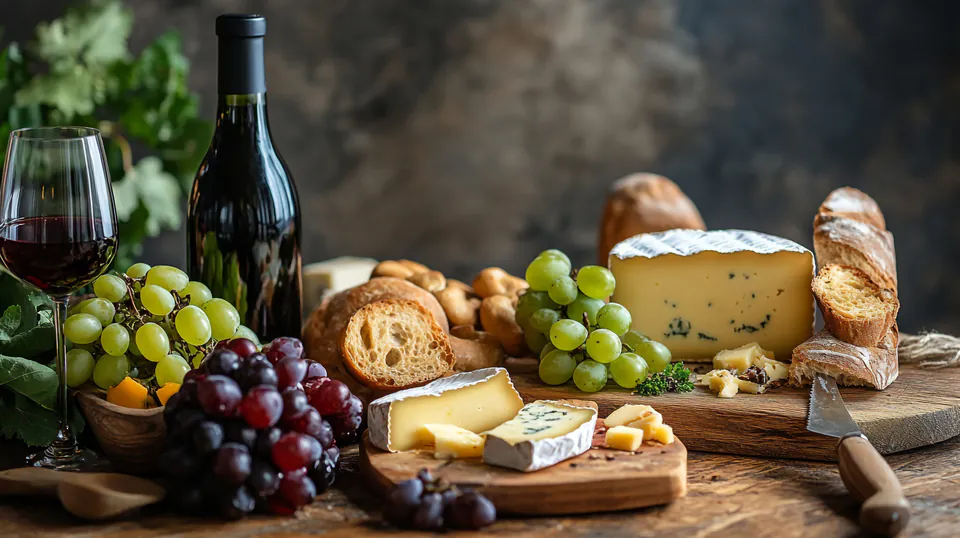
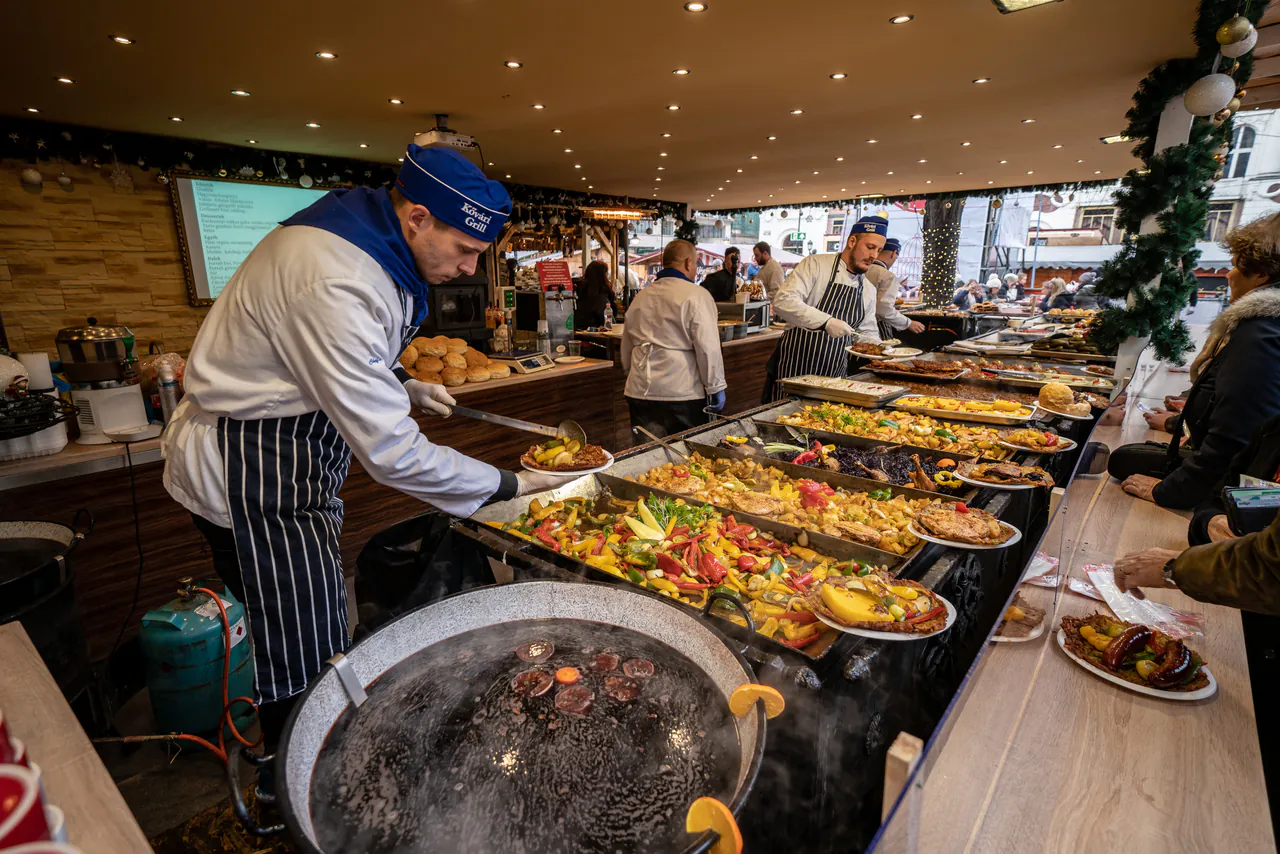
The value here is found in the access. You are paying for the guide who knows which butcher has the best Mangalica pork and which sommelier has a hidden stash of vintage Tokaj. Do not settle for the generic tourist menus advertised on the riverfront. The best food in Budapest is tucked away in the 8th District or the rolling hills of the Buda countryside, and these curated tours are the most efficient way to find it. Whether you are sipping sparkling wine in a cellar or sampling artisanal cheeses in a market, these tours justify their price by cutting through the noise of the city's more commercialized districts.
 #1
#1