Prague Metro Guide
Geschrieben von
Nils Johansson | Gründer
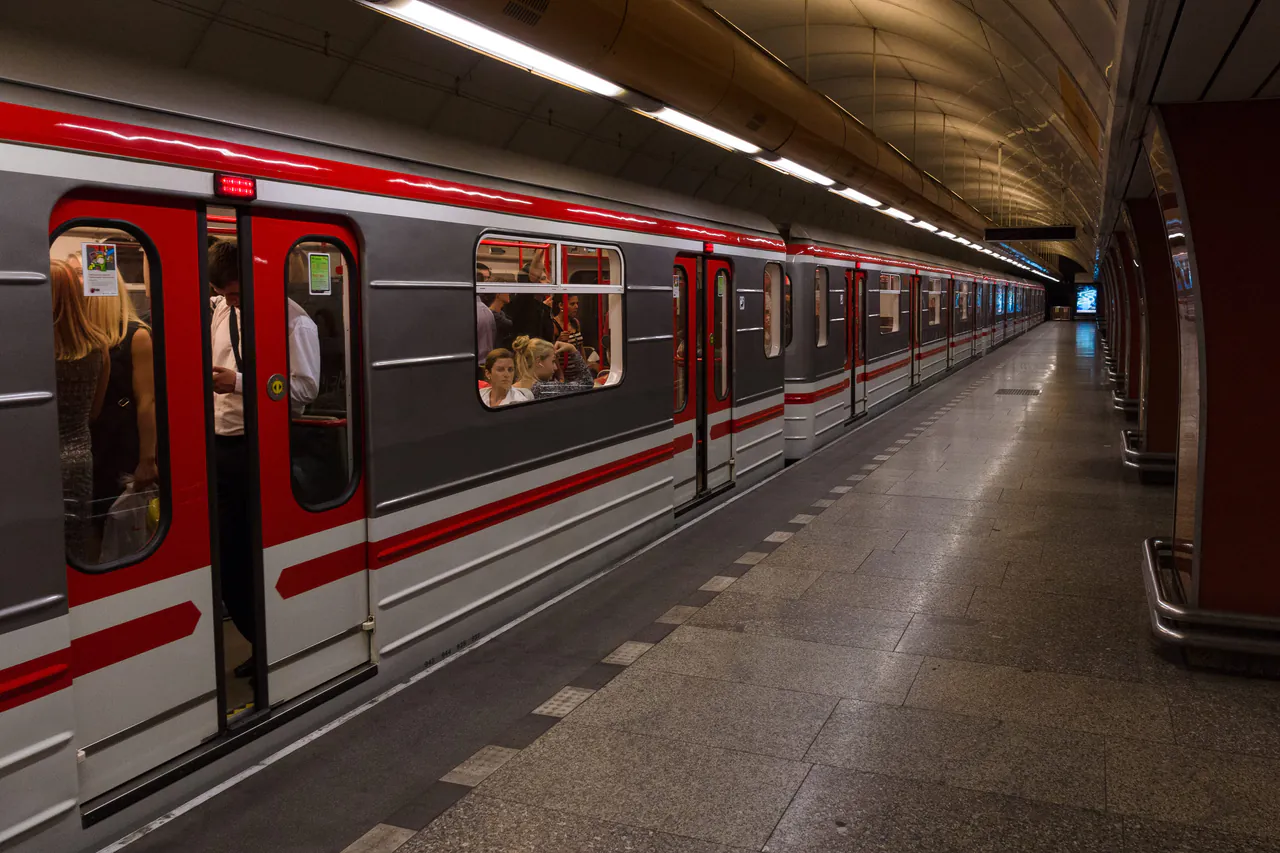
You're heading underground into the fastest way to cross town. The Pražské metro is a massive machine moving over a million people a day while traffic above crawls. It is high-speed and climate-controlled. The system handles 600 million riders a year across a 65.2-kilometer network. You'll love the efficiency. Trains arrive every two to three minutes during rush hour. No more waiting. No more guessing. You'll descend on some of the longest and steepest escalators in the EU. They feel like they're diving into the geological bedrock. Once you hit the platforms, you're in a time capsule. There are three lines. Take the Green (A) or Yellow (B) lines. Or catch the Red (C) line. Sixty-one stations in total. Line A features space-age, op-art aluminum claddings. Line B shows off brutalist concrete and socialist-realist bronze reliefs. It's the city's nervous system. Use it.
Fotos
The Architectural Symphony of Line A
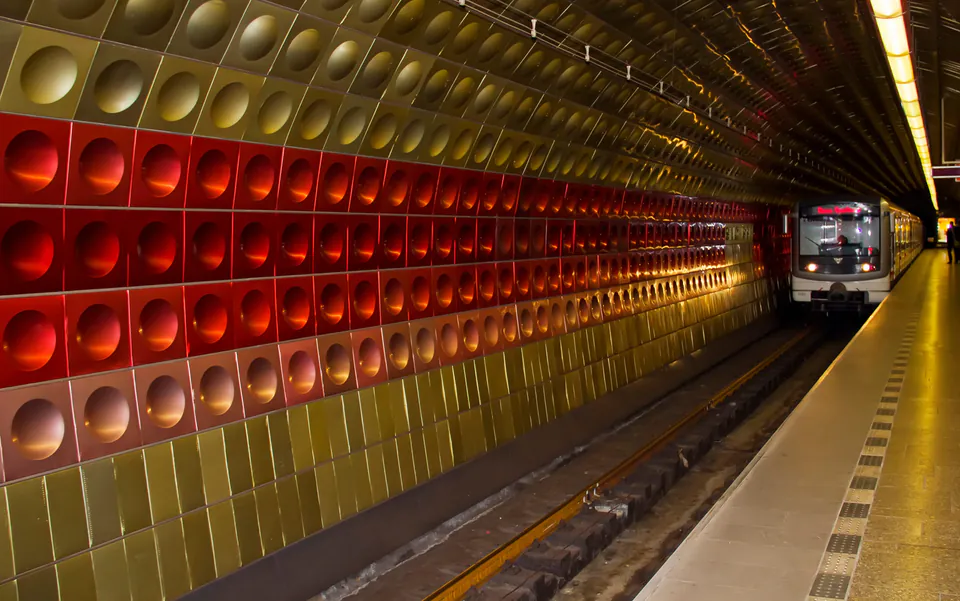
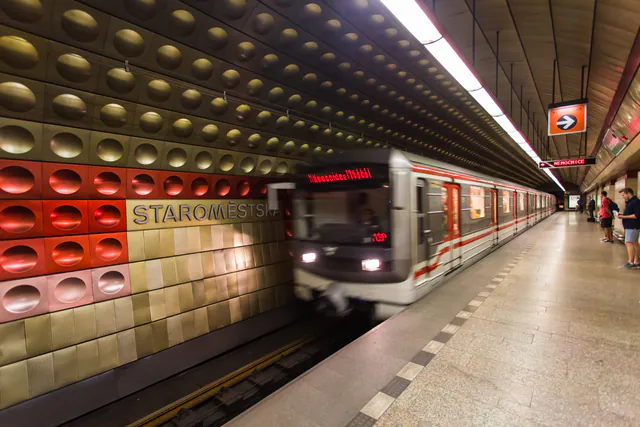
Line A is the peak. Jaroslav Otruba designed those dimpled aluminum panels back in the '70s to kill the noise. They work. Convex and concave tiles swallow the roar of the trains. Look at the colors. Green at Malostranská mimics the nearby royal gardens. The deep red at Staroměstská has a purpose. It marks the blood spilled in Old Town Square. It's smart engineering. And it's art. Catch a train and see for yourself.
Subterranean Brutalism and Socialist Realism
Lines B and C feel different. They were built as nuclear fallout shelters. You can still see the massive steel blast doors tucked away. It's pure cold war grit. Go to Anděl station. It used to be called Moskevská. Check out the bronze reliefs there. Then head to Háje for the 'Kosmonauti' mosaic. These aren't just stations. They're time capsules of a 20th-century ideology. It's a sharp contrast to the modern cafes above ground.
Engineering Extremes: Depth and Escalators
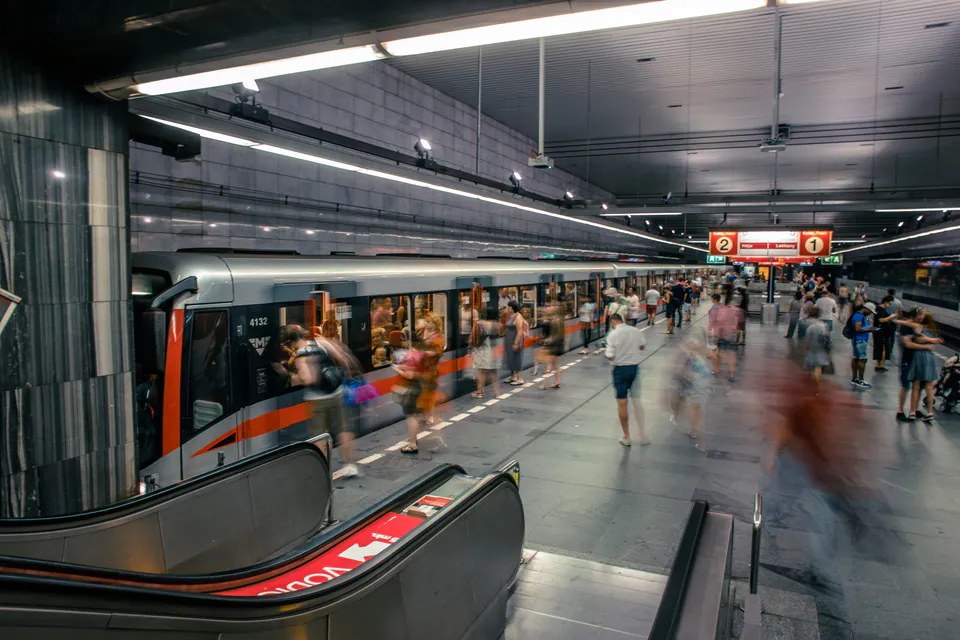
Prague's hills forced the tracks deep. Náměstí Míru is the record holder. It sits 53 meters underground. You'll spend two and a half minutes on an 87-meter escalator just to reach the platform. This system is tough. The 2002 floods drowned 19 stations and nearly broke the city. But it came back stronger. New floodgates keep the tunnels dry now. It's a subterranean lifeline that refuses to quit.
The 2026 Modernization and Line D Automation
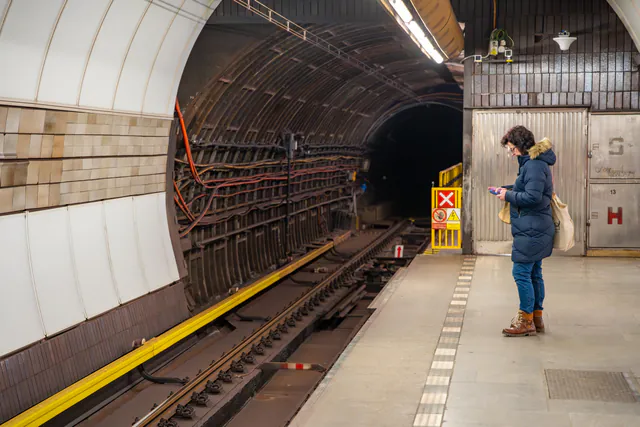
The system is changing fast in 2026. Flora station is getting a total facelift. But the big news is Line D. It's the blue line. This is Prague's first driverless route. Billions of crowns are being poured into this automation project. It'll connect the southern suburbs straight to the center. That takes the pressure off the packed Line C trains. It's the future of the city. It is faster and smarter.
Praktische Tipps
- 1Halten Sie sich auf Rolltreppen strikt auf der rechten Seite, um die linke Spur für eilige Pendler freizuhalten.
- 2Beenden Sie das Einsteigen sofort, wenn Sie die Abfahrtsansage hören, da die pneumatischen Türen mit erheblicher Kraft schließen.
- 3Stellen Sie sich darauf ein, Ihr Gepäck eine lange Treppe hinaufzutragen, wenn Sie an der Station Nádraží Veleslavín vom Flughafenbus umsteigen.
- 4Überlassen Sie Ihren Sitzplatz sofort älteren Fahrgästen, schwangeren Frauen oder Eltern mit kleinen Kindern, um die lokalen Umgangsformen zu wahren.
- 5Entwerten Sie Ihr Papierticket nur einmal in den gelben Automaten am Stationseingang, da ein erneutes Stempeln die Gültigkeit sofort aufhebt.
- 6Überprüfen Sie die digitalen Anzeigen über Ihnen, um das endgültige Ziel Ihres Zuges zu verifizieren, da einige Züge vorzeitig an Zwischenbahnhöfen enden.
Häufig gestellte Fragen
Wie viel kostet ein Standard-Metroticket, wenn ich es digital kaufe?
Wann stellt die Metro in Prague nachts den Betrieb ein?
Was passiert, wenn ich vergesse, mein Papierticket vor dem Einsteigen zu entwerten?
Wo steige ich in die Metro ein, nachdem ich am Václav Havel Airport angekommen bin?
Wie lange dauert es, bis ein digitales Handy-Ticket aktiviert wird?
Sind die historischen Zentralstationen für Reisende mit Mobilitätseinschränkungen zugänglich?
Ähnliche Reiseführer
- Václav Havel Airport Prague Guide
- Prague Bus-Guide: Stadtlinien, Nachtverbindungen & Flughafen-Transfer
- The Ultimate Guide to Prague Night Transport
- The Complete Guide to Prague Public Transportation (PID & DPP)
- Prague Taxis & Rideshare Guide
- Transport Tickets & City Passes in Prague
- Prague Public Transport Museum & Tram Guide
- The Ultimate 1-Day Prague Itinerary: Navigating the Royal Route and Historic Centre
Währungs-Spickzettel
Schnelle EUR-HUF-Referenz für Ihre Ausgaben in Budapest.
AusprobierenTags
Prague entdecken
Entdecke Sehenswürdigkeiten, Hotels und mehr.