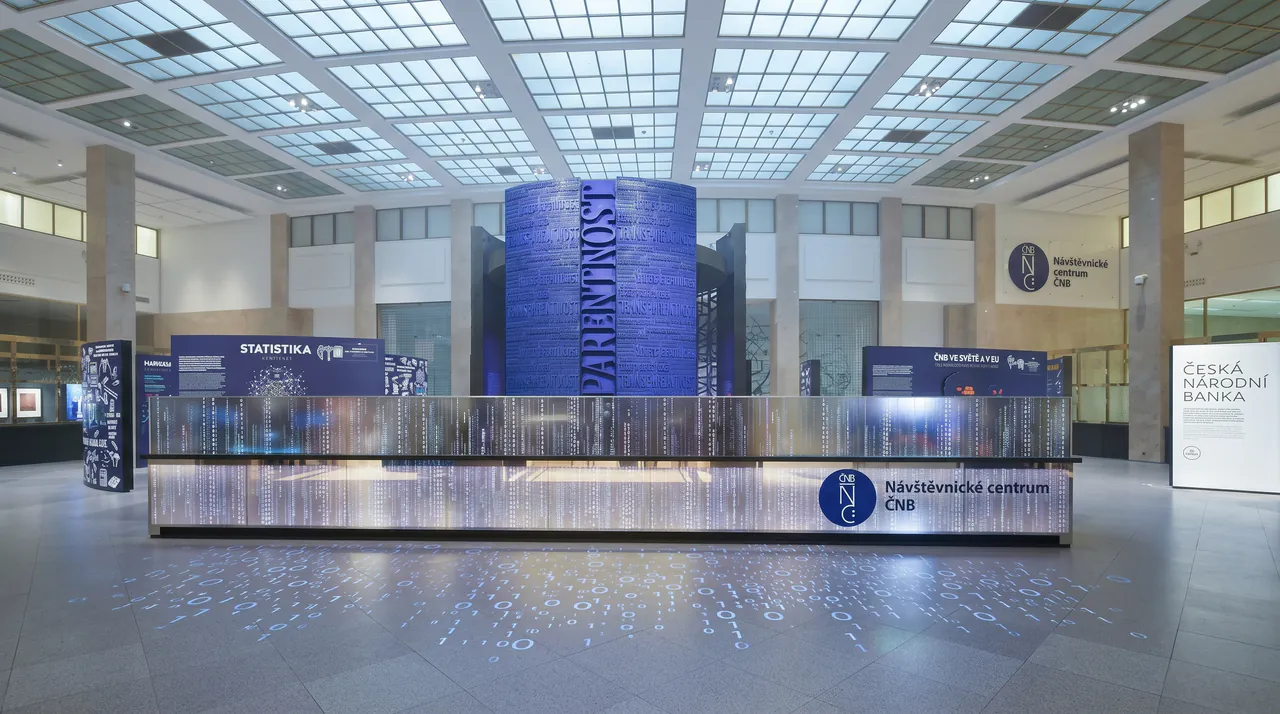
Czech National Bank Visitor Centre
Autor:
Nils Johansson | Założyciel
Walk down Na Příkopě and you'll see the massive granite fortress at number 28. It's the Czech National Bank Visitor Centre. Most people walk past it for the luxury shops. Don't do that. This isn't some dusty museum with old coins in glass cases. You're entering a high-security vault. It feels serious. You'll pass through a security zone where guards and thick steel doors remind you that this place still runs the country's economy. The transition from the retail noise outside into the quiet bank halls is a sharp change. Inside, two exhibitions map out how money evolved from trading flint to using digital ledgers. You'll head deep into the basement. The original underground strongroom holds the star of the show. It's a gold coin weighing 130 kilograms. Yes, you read that right. It's the biggest in Europe. But you aren't just looking at things. You can try to lift a real 12.5kg gold bar in a wooden box. It's heavier than it looks. Watch the immersive film about Alois Rašín too. He's the man who created the currency when the empire fell. It's a fascinating look at how money actually works.
The Subterranean Vault and the 100-Million-Koruna Colossus
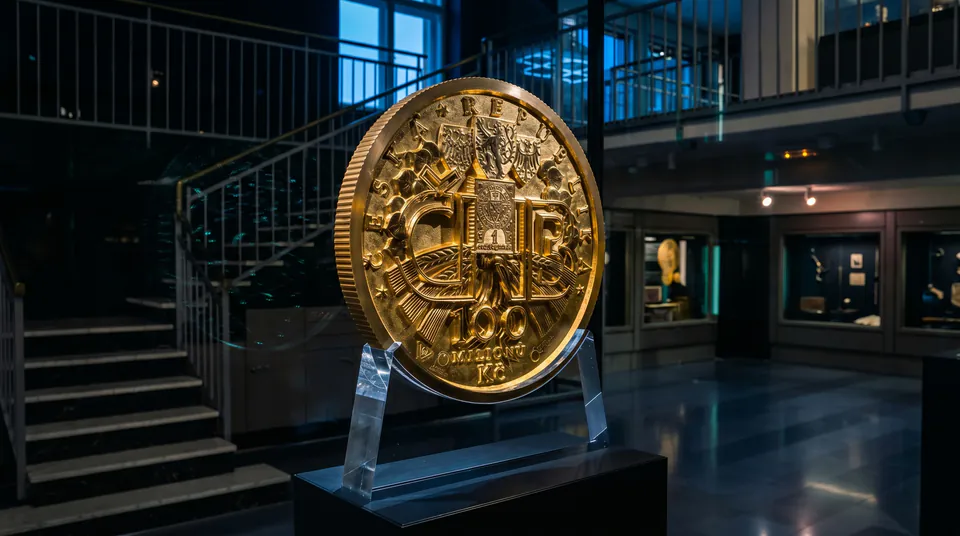
You have to go down. The "People and Money" exhibition ends in the bank's original basement strongroom. You'll walk through a reinforced steel door that looks like it belongs in a heist movie. The air feels different here. It's quiet and cool. Look for the bulletproof case in the middle of the room. It holds the 100-million-koruna gold coin. The bank made it in 2019 to celebrate 100 years of the crown. It's 535mm wide and 48mm thick. It weighs 130kg of pure gold. That makes it the largest milled coin on the planet. And the largest gold coin in Europe. Check out the reverse side. You'll see the double-tailed lion and a nod to the old 1921 50-heller coin. It's massive. It's shiny. It's worth a fortune. The vault serves as more than just a background. It's part of the story. The vintage banknote scanners and raw concrete walls show you the reality of 20th-century banking.
Alois Rašín and the Evolution of the Central Bank
You can't talk about Czech money without talking about 1918. The Austro-Hungarian Empire had just crashed. Things were messy. Enter Alois Rašín. He was the first Minister of Finance. He was tough. He pushed for strict rules to keep the new koruna stable. It worked. While other currencies nearby were failing, the Czech crown became one of the strongest in Europe. Rašín's policies were controversial but they cut ties with the dying Austrian currency. That independence is why the bank still focuses on price stability today. The "Behind the Currency" exhibition explains why this matters. The bank's main job is keeping prices steady. They watch over the banks and the insurance sector. They keep the economy on track. It's all about inflation targeting and staying independent from politics.
Architectural Metamorphosis: From Palace to Stronghold
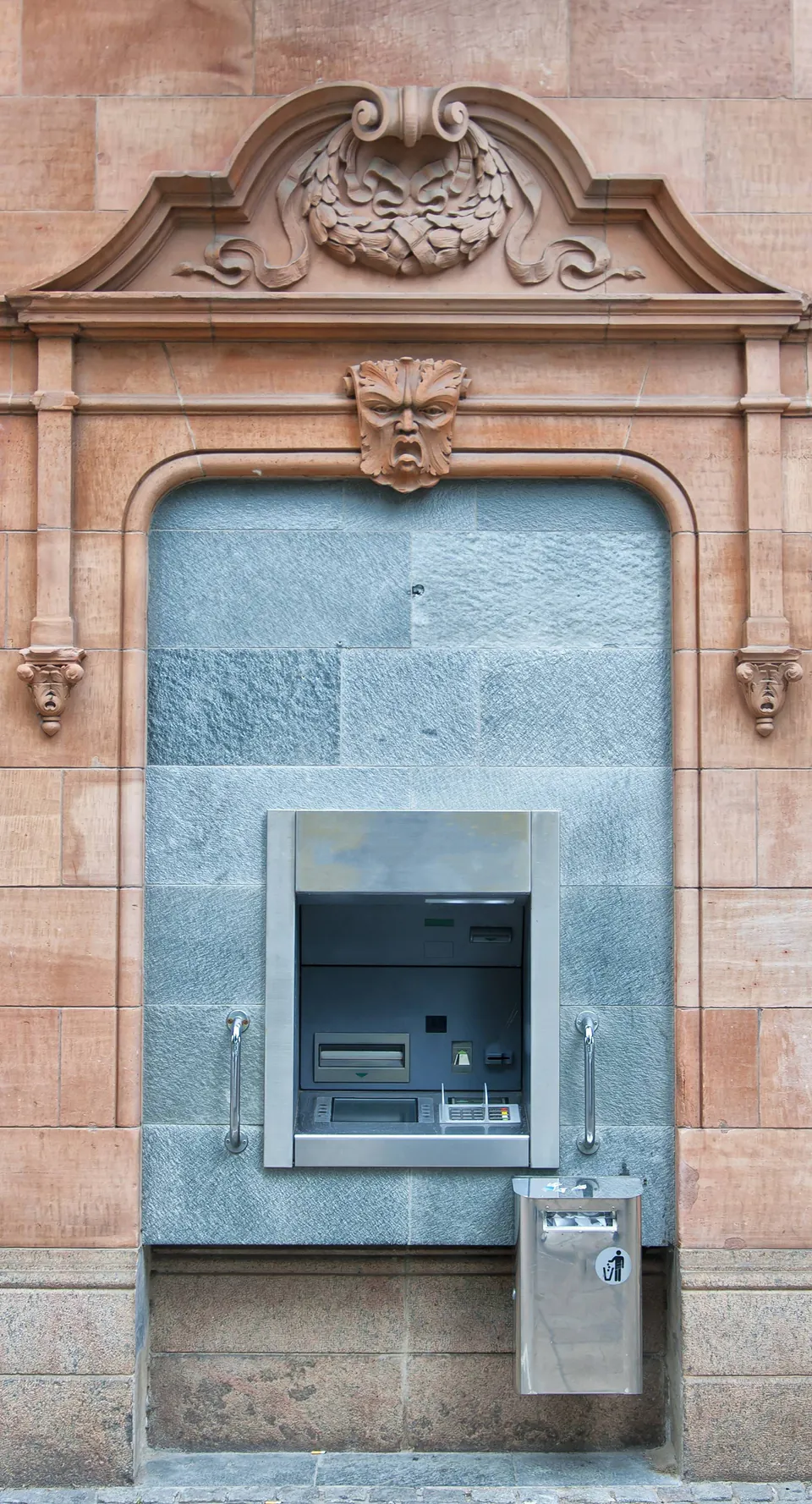
The building at Na Příkopě 28 is a giant. This spot was once where silver from the Kutná Hora mines arrived in the city. František Roith designed the current structure between 1935 and 1942. It's a masterclass in Art Deco and functionalism. The grey granite facade looks like a wall. It was meant to project power and safety. It still does. Roith designed the building to look permanent. Between 1997 and 2000, the bank spent 4.8 billion koruna to modernize everything. They kept the marble halls but added 21st-century tech. It's a blend of old-school grit and digital security. Walking through the grand entrance to see the exhibits lets you see one of the best preserved functionalist landmarks in Prague.
Navigating the Prague Currency Landscape
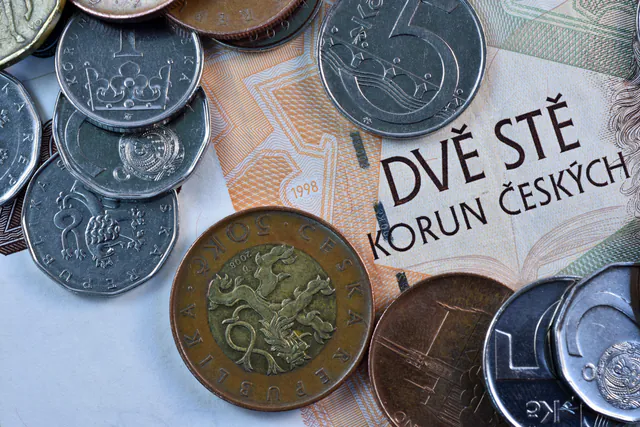
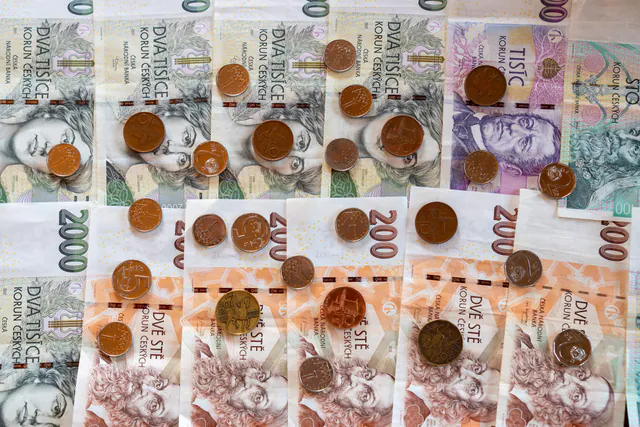
Learning about money in a vault is one thing. Spending it on the street is another. Prague is still a cash city. You'll need coins for a beer or a quick snack. Avoid those random ATMs on the street corner. They'll rob you with high fees and bad conversion rates. Stick to bank machines. If you get scammed at a change booth, you have rights. The law says you can get a full refund within three hours for amounts under 1,000 Euro. Just bring your receipt. It has to be in Czech and English. Use what you learned in the exhibit. Look at the "we buy" rate on the boards. Don't get fooled by big numbers meant for people selling koruna back to the bank. Combine these tips and you'll navigate the city with zero stress.
Wskazówki praktyczne
- 1Poproś o bezpłatną broszurę z tłumaczeniem na język angielski lub niemiecki w głównej recepcji przed wejściem do skarbca.
- 2Sięgnij do drewnianego pudełka przy wystawie gigantycznej monety, aby osobiście porównać wagę prawdziwej sztabki złota z drewnem, stalą i ołowiem.
- 3Obejrzyj immersyjną projekcję filmową w A. Rašín's Study, aby poznać dramatyczną historię powstania niezależnej czechosłowackiej waluty.
- 4Skup się wyłącznie na kursie „skup” (we buy) na tablicach w kantorach ulicznych i ignoruj mylące znaki „0% Commission”.
- 5Zachowaj paragon z wymiany walut, aby skorzystać z ustawowego prawa do zwrotu w ciągu trzech godzin, jeśli otrzymasz skrajnie niekorzystny kurs.
- 6Zabierz ze sobą ważny dokument tożsamości, jeśli potrzebujesz dostępu do specjalistycznych stref naukowych, takich jak czytelnia CNB Archive.
Najczęściej zadawane pytania
Ile kosztuje wstęp do Visitor Centre?
Kiedy najlepiej zaplanować wizytę, aby uniknąć tłumów?
Czy muszę rezerwować bilet wstępu z wyprzedzeniem?
Gdzie można kupić oficjalne monety pamiątkowe?
Czy istnieją ograniczenia dotyczące bagażu przy wejściu na wystawy?
Czy będę w stanie zrozumieć opisy eksponatów, jeśli nie znam języka czeskiego?
Powiązane przewodniki
- Accessible Travel Guide to Prague: Old Town Hall & Beyond
- Prague Budget Travel & Old Town Hall Expert Guide 2026
- Emergency Contacts & Services in Prague: A Comprehensive Healthcare and Security Guide
- Prague Border Survival Guide: Visas, EES Biometrics, and Entry Requirements for 2026
- The Definitive Guide to Healthcare & Pharmacies in Prague
- Comprehensive Internet and Mobile Connectivity Guide: Prague
- Linguistic Immersion and Heritage at the Old Town Hall
- Luggage Storage Infrastructure and Urban Mobility Logistics in Prague
Kalkulator budżetu podróży
Otrzymaj realną wycenę swojej podróży do Budapest w kilka sekund.
WypróbujTagi
Odkryj Prague
Odkryj atrakcje, hotele i nie tylko.