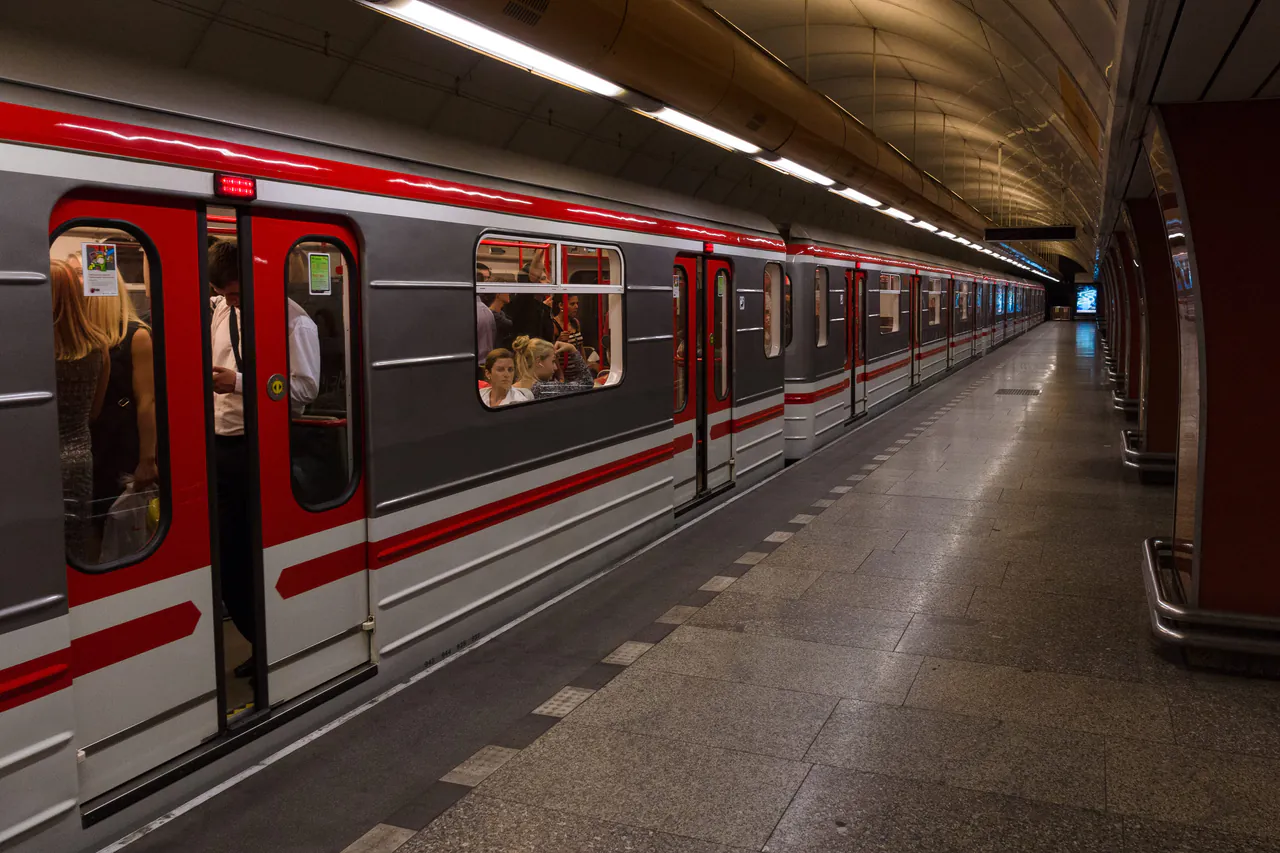
You're heading underground into the fastest way to cross town. The Pražské metro is a massive machine moving over a million people a day while traffic above crawls. It is high-speed and climate-controlled. The system handles 600 million riders a year across a 65.2-kilometer network. You'll love the efficiency. Trains arrive every two to three minutes during rush hour. No more waiting. No more guessing. You'll descend on some of the longest and steepest escalators in the EU. They feel like they're diving into the geological bedrock. Once you hit the platforms, you're in a time capsule. There are three lines. Take the Green (A) or Yellow (B) lines. Or catch the Red (C) line. Sixty-one stations in total. Line A features space-age, op-art aluminum claddings. Line B shows off brutalist concrete and socialist-realist bronze reliefs. It's the city's nervous system. Use it.
Zdjęcia
The Architectural Symphony of Line A
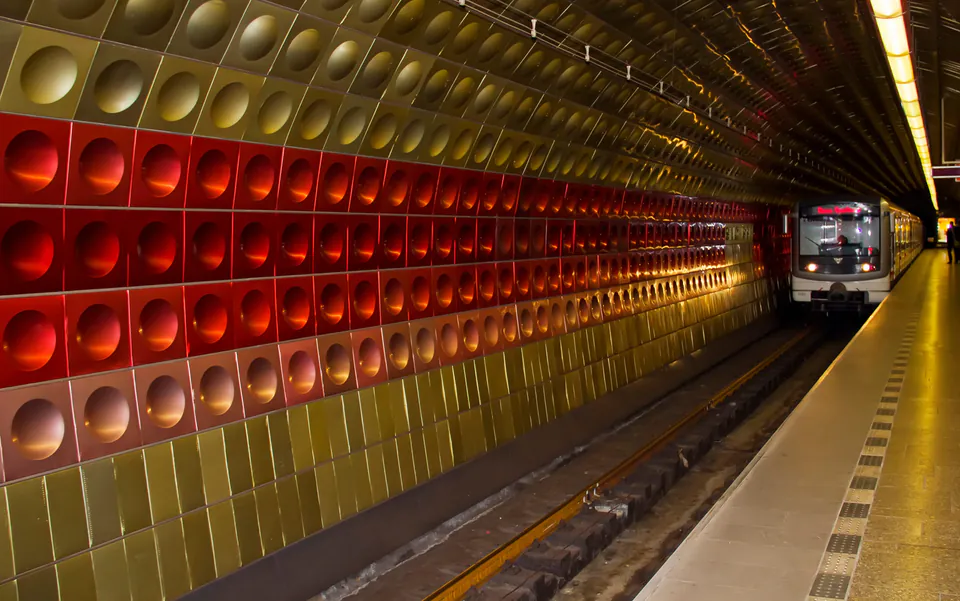
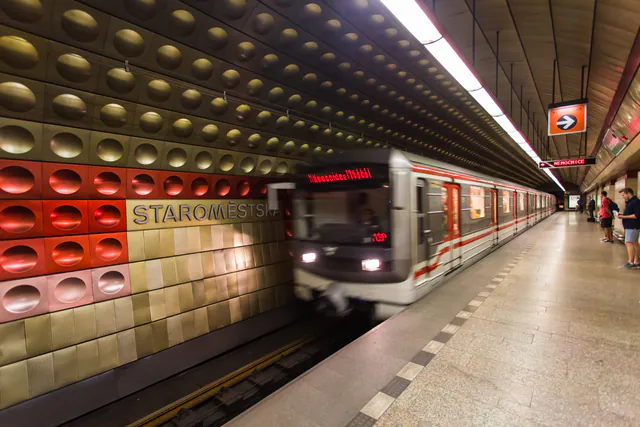
Line A is the peak. Jaroslav Otruba designed those dimpled aluminum panels back in the '70s to kill the noise. They work. Convex and concave tiles swallow the roar of the trains. Look at the colors. Green at Malostranská mimics the nearby royal gardens. The deep red at Staroměstská has a purpose. It marks the blood spilled in Old Town Square. It's smart engineering. And it's art. Catch a train and see for yourself.
Subterranean Brutalism and Socialist Realism
Lines B and C feel different. They were built as nuclear fallout shelters. You can still see the massive steel blast doors tucked away. It's pure cold war grit. Go to Anděl station. It used to be called Moskevská. Check out the bronze reliefs there. Then head to Háje for the 'Kosmonauti' mosaic. These aren't just stations. They're time capsules of a 20th-century ideology. It's a sharp contrast to the modern cafes above ground.
Engineering Extremes: Depth and Escalators
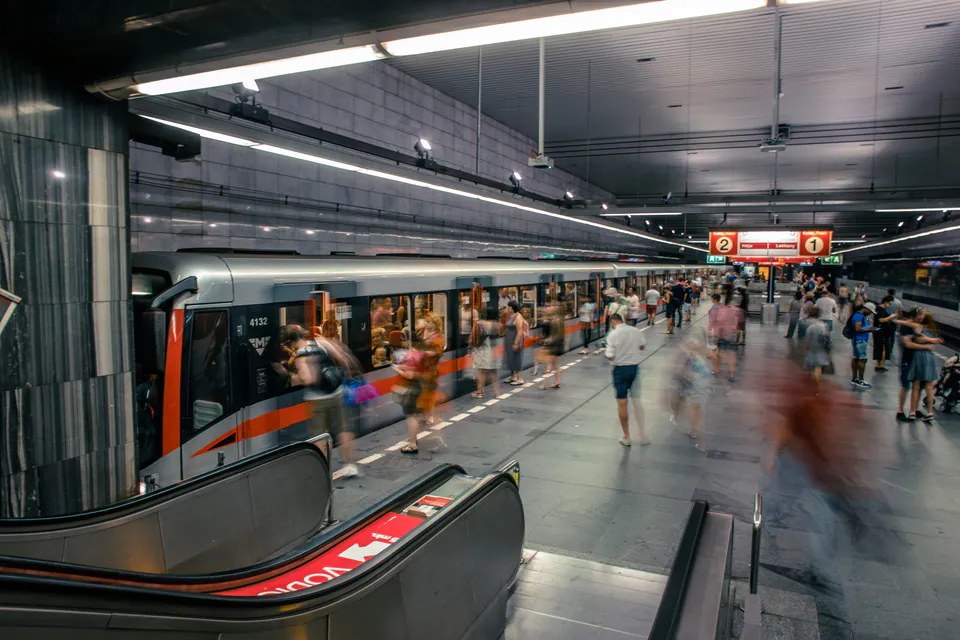
Prague's hills forced the tracks deep. Náměstí Míru is the record holder. It sits 53 meters underground. You'll spend two and a half minutes on an 87-meter escalator just to reach the platform. This system is tough. The 2002 floods drowned 19 stations and nearly broke the city. But it came back stronger. New floodgates keep the tunnels dry now. It's a subterranean lifeline that refuses to quit.
The 2026 Modernization and Line D Automation
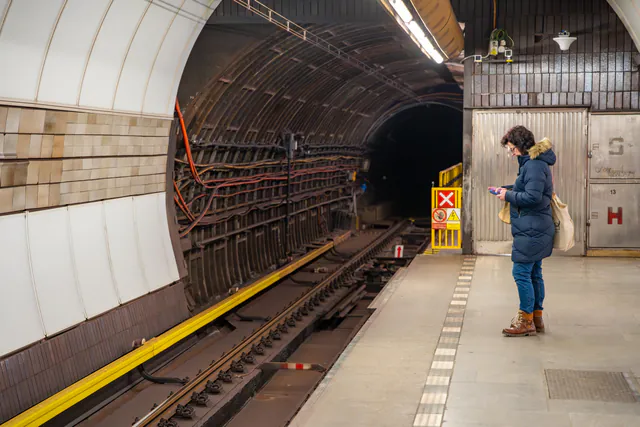
The system is changing fast in 2026. Flora station is getting a total facelift. But the big news is Line D. It's the blue line. This is Prague's first driverless route. Billions of crowns are being poured into this automation project. It'll connect the southern suburbs straight to the center. That takes the pressure off the packed Line C trains. It's the future of the city. It is faster and smarter.
Wskazówki praktyczne
- 1Stój zawsze po prawej stronie schodów ruchomych, aby zostawić lewy pas wolny dla spieszących się pasażerów.
- 2Natychmiast przestań wsiadać, gdy usłyszysz sygnał odjazdu, ponieważ drzwi pneumatyczne zamykają się z dużą siłą.
- 3Przygotuj się na wnoszenie bagażu po sporej liczbie schodów podczas przesiadki z autobusu lotniskowego na stacji Nádraží Veleslavín.
- 4Niezwłocznie ustępuj miejsca osobom starszym, kobietom w ciąży lub rodzicom z małymi dziećmi, aby uszanować lokalne normy społeczne.
- 5Skasuj bilet papierowy tylko raz w żółtym kasowniku przy wejściu na stację, ponieważ ponowne skasowanie natychmiast unieważnia bilet.
- 6Sprawdzaj wyświetlacze cyfrowe nad peronem, aby zweryfikować stację docelową pociągu, ponieważ niektóre składy kończą trasę wcześniej w zajezdniach pośrednich.
Najczęściej zadawane pytania
Ile kosztuje standardowy bilet na metro przy zakupie cyfrowym?
O której godzinie Prague Metro przestaje kursować w nocy?
Co się stanie, jeśli zapomnę skasować bilet papierowy przed wejściem?
Gdzie wsiąść do metra po przylocie na Václav Havel Airport?
Ile czasu zajmuje aktywacja cyfrowego biletu mobilnego?
Czy zabytkowe stacje w centrum są przystosowane dla osób z trudnościami w poruszaniu się?
Powiązane przewodniki
- Václav Havel Airport Prague Guide
- Przewodnik po autobusach w Prague: linie miejskie, nocne i dojazd na lotnisko
- The Ultimate Guide to Prague Night Transport
- The Complete Guide to Prague Public Transportation (PID & DPP)
- Prague Taxis & Rideshare Guide
- Transport Tickets & City Passes in Prague
- Prague Public Transport Museum & Tram Guide
- The Ultimate 1-Day Prague Itinerary: Navigating the Royal Route and Historic Centre
Walutowa ściąga
Szybki podgląd kursu EUR na HUF dla codziennych wydatków w Budapest.
WypróbujTagi
Odkryj Prague
Odkryj atrakcje, hotele i nie tylko.