Viennese Heurigen Season
Food And Drink
About This Event
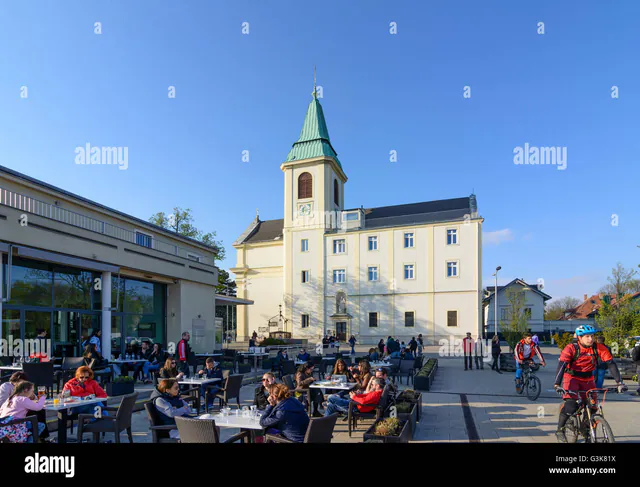
Ditch the imperial center for the vine-covered hills of the 19th district. From March through November, local vintners open their rustic doors and sun-dappled gardens to serve the year’s new wine. In Vienna, a Heuriger is both the young wine and the tavern itself. It is the home of Gemütlichkeit (a specific brand of Austrian coziness and unhurried warmth). For locals, a trip here is a weekly ritual. Look for the Buschen, a bundle of pine branches, and the 'Ausg'steckt is' sign hanging above the door. It means they're open. You'll sit at simple wooden tables in lively courtyards, swapping stories while live Schrammelmusik (accordion and guitar folk) plays in the background. These spots operate under strict licenses; they can only sell what they grow on-site. Since Vienna is the only major city with serious commercial vineyards within city limits, your wine likely came from the hill behind your seat. Order a Wiener Gemischter Satz, a localized field blend, and hit the self-service buffet. You'll pile plates with dark bread, Liptauer cheese spread, and cured meats. It’s slow, loud, and entirely authentic.
History
The Heuriger tradition isn't just a habit, it's the law. On August 17, 1784, Emperor Joseph II issued a decree allowing residents to sell their own wine and juice without a special permit. This single move created the city's wine culture. What started as simple outdoor spots where you brought your own snacks evolved into family-run taverns with full culinary spreads. The tradition is so vital that UNESCO added Viennese Heurigen culture to its Intangible Cultural Heritage list in 2019. These taverns do more than pour drinks; they keep the agricultural soul of Vienna’s hills alive.
What to Eat & Drink
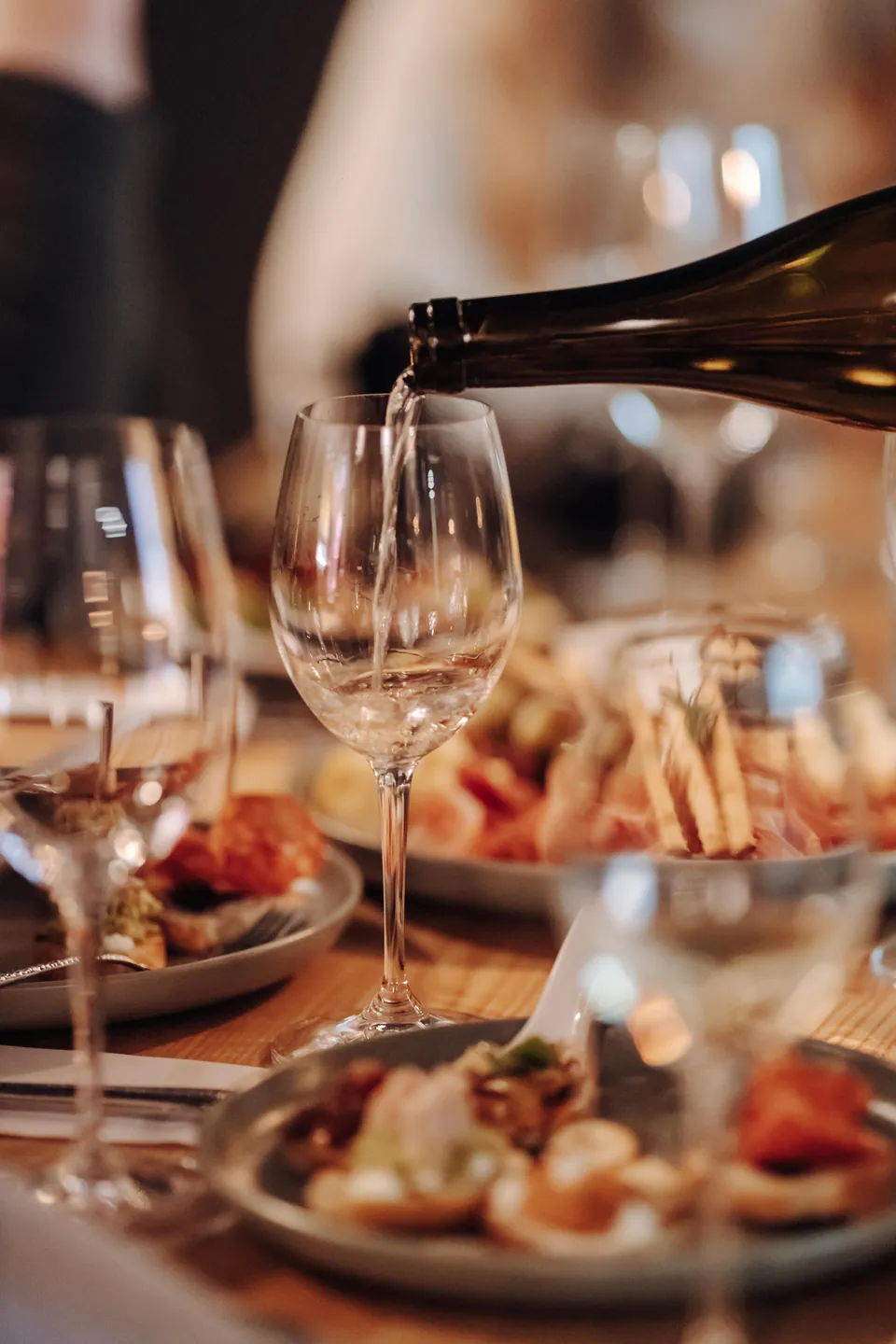
Wine is the main event. Vienna is the only capital city on earth with significant vineyards inside the city, so the juice is as local as it gets. You must try the Wiener Gemischter Satz. It’s a traditional field blend where different grape varieties are grown, harvested, and pressed together. The result is a crisp, complex white that tastes like the soil it grew in. If you're here in late summer, look for Sturm. It’s a sweet, fizzy, semi-fermented grape must that goes down way too easy. For food, forget table service. Traditional Heurigen use a self-service buffet focused on cold comfort food. The MVP is the Brettljause, a wooden platter loaded with smoked meats, speck, black pudding (Blunzn), and hard-boiled eggs. Grab plenty of dark, crusty bread and don't skip the spreads. Liptauer is the spicy cheese classic, but Grammelschmalz (pork fat with crispy cracklings) is the real pro move. You’ll also find potato salads and pickles, with more vegetarian options appearing every season.
The Producers & Vendors
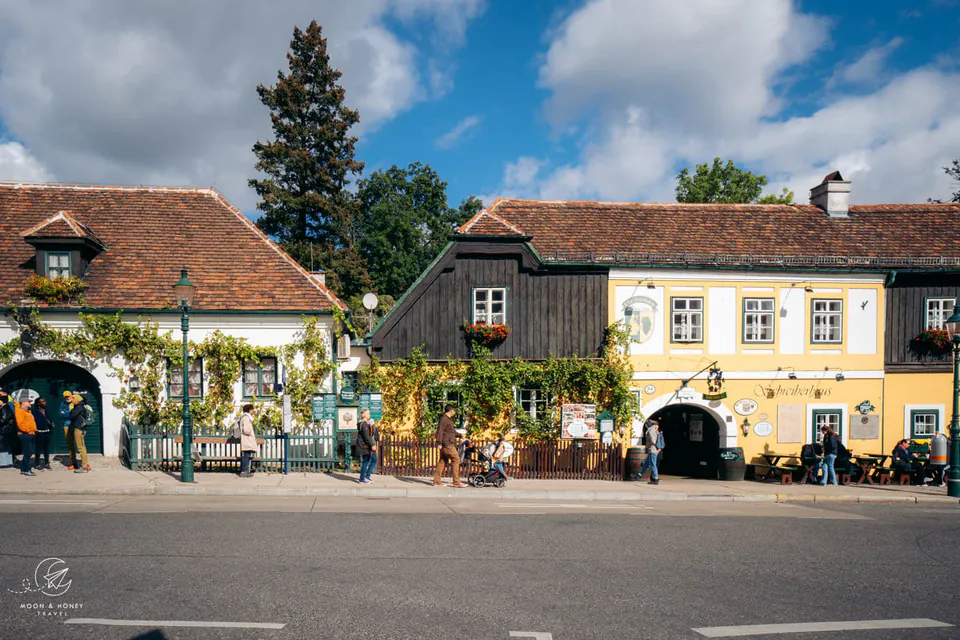
Most of these taverns are family affairs passed down for generations. You’ll find them clustered in historic wine villages like Grinzing, Nussdorf, Neustift am Walde, and Stammersdorf. Grinzing is the famous one. It sits in the 19th district at the edge of the Vienna Woods, full of narrow lanes and houses dating back to the 1600s. Some spots are tucked into quiet, vine-draped courtyards. Others, like those on the Nussberg, offer a 180-degree sweep of the Danube with the city skyline below. Don't expect every door to be open. These are working wineries, not bars. They follow an Aussteckkalender (opening calendar). A vintner might open for two weeks, then close for a month to work the vines. But don't worry. The system is staggered, so someone in the village is always pouring. Just look for the pine branch hanging over the door and walk in. While it's more of a season-long celebration than a single vienna food festival, the atmosphere during harvest is unbeatable.
Getting There
Public Transport
Take Tram 38 from Schottentor directly to the Grinzing terminus, or ride the U4 subway to Heiligenstadt and transfer to Bus 38A. The journey takes roughly 25-30 minutes.
By Car
Parking in Grinzing can be extremely limited, especially on weekends. It is highly recommended to use public transport or a taxi, allowing you to freely enjoy the local wines.
By Taxi / Rideshare
A taxi from the city center (Innere Stadt) to Grinzing typically costs €15-€20. Bolt and Uber operate extensively throughout Vienna and are convenient for late-night returns.
Tips
- •Take the seasonal Heurigen Express train that winds through the wine districts from April to October.
- •Consider walking the scenic trails from Kahlenberg down into Grinzing before settling in for a drink.
Event Location
Venue
Grinzing Wine Village (Primary Hub)
Address
Himmelstraße, 1190 Wien
Tips & What to Know
Spot the branch
A genuine Heuriger only opens when the Buschen (pine branch) is out. No branch, no wine.
Get the platter
Order the Brettljause. It’s a wooden board stacked with local cheese, cold cuts, and pickles. Perfect for sharing.
Drink the local blend
Try the Wiener Gemischter Satz. It’s the definitive taste of Vienna’s terroir in a glass.
Socialize
Sharing long wooden tables with strangers is the rule, not the exception. Embrace the noise.
Catch the Sturm
In September and October, ask for the semi-fermented Sturm. It’s a seasonal autumn essential.