Sziget Festival
Music Festival
About This Event
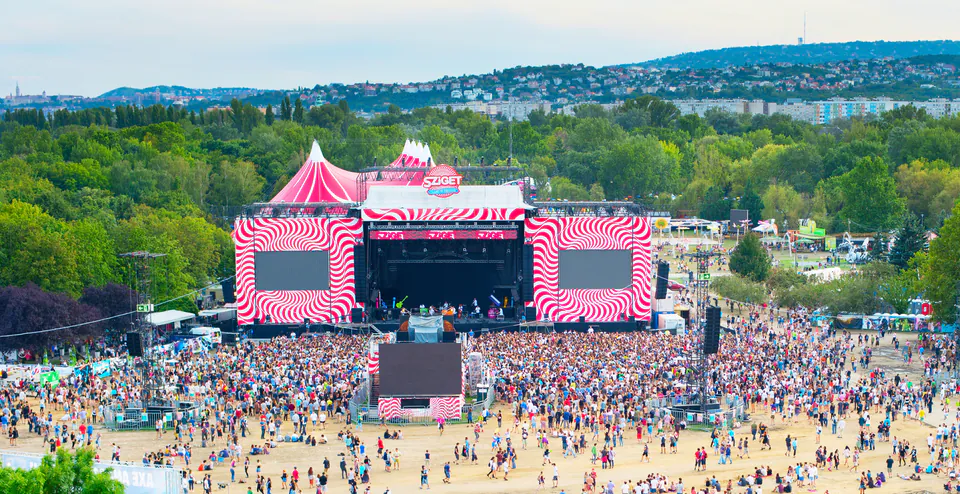
Cross the rusted iron K-Bridge and reality starts to fray at the edges. You've reached Sziget, the self-proclaimed Island of Freedom. This isn't just another stop on the European circuit. It's a massive, temporary city that swallows Óbuda Island (Hajógyári-sziget) whole for a week every August. Over 400,000 people from across the globe descend on this 108-hectare park in northern Budapest. It's dusty, loud, and entirely immersive. While the Main Stage pulls the masses for pop giants, the real soul of the place is found on the dirt paths. You might find a secret club hidden behind a porta-potty door or stumble into a midnight circus performance. It's bohemian to its core. Don't expect a sanitized experience. The heat is brutal, and by day three, the 'Sziget dust' will coat your boots and your lungs. But when you're watching the sunrise at the Colosseum with a thousand strangers, you won't care. It's a total escape where the only rule is to lose yourself in the music.
History
Sziget filled the void left when the Soviet Union collapsed. With state-run camps gone, Hungarian youth needed a place to blow off steam. In 1993, Péter Müller Sziámi and Károly Gerendai threw a low-budget party called Diáksziget (Student Island). Entry cost roughly the same as a loaf of bread. 43,000 people showed up. By 1994, it was being called 'Eurowoodstock' after Jethro Tull played. The name changed to Pepsi Sziget in the late 90s before settling on just Sziget Festival. It has survived financial crashes and ownership shifts to become a global heavyweight. It's hosted everyone from David Bowie to Dua Lipa. Despite the corporate growth, the festival still clings to its original DIY, free-spirited roots.
The Music
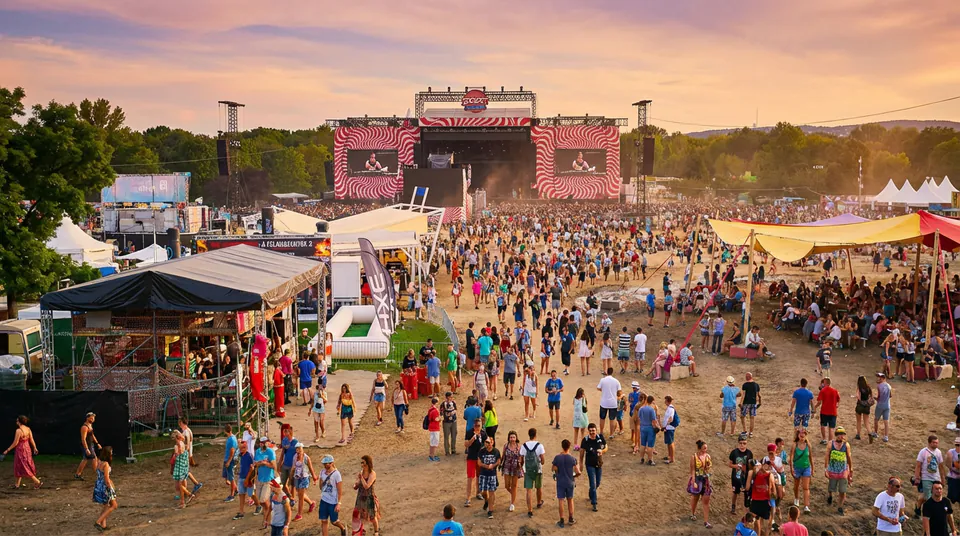
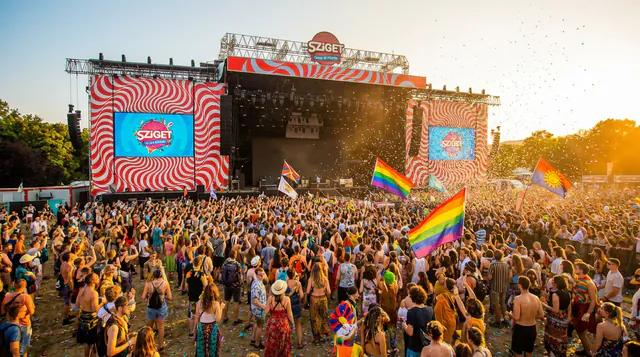
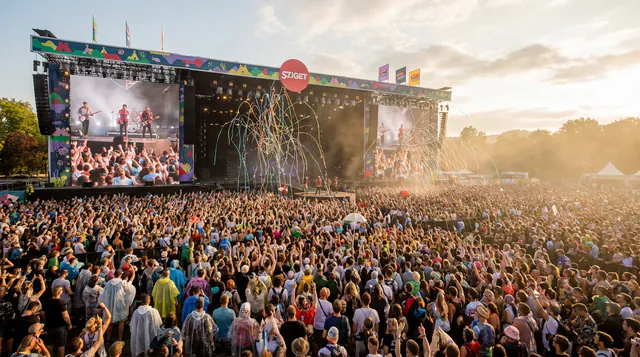
The sziget festival line-up is famously chaotic. It refuses to pick a genre. You'll find chart-toppers like Ed Sheeran or Billie Eilish on the Main Stage, but the real gems hide elsewhere. The A38 tent is a sweatbox for indie and alternative acts. It's loud, dark, and perfectly claustrophobic. Electronic fans should head straight for the Colosseum. It's a literal arena built from wooden pallets where DJs spin house and techno until the sun hits the Danube. Want something different? The Global Village hosts Balkan brass and African blues. You can mosh to metalcore at 4 PM and sway to Hungarian folk by 8 PM. And the tribute stage is always worth a look for late-night singalongs. The schedule is relentless. Silence doesn't exist here.
Beyond the Music
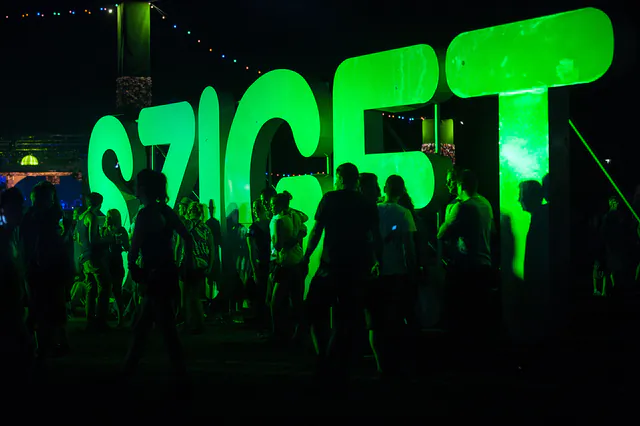
Treating this as just a concert is a rookie mistake. Sziget is a massive arts festival in disguise. Cirque du Sziget is mandatory viewing. It's a big top tent featuring elite circus troupes from France and Canada. No lions, just incredible human acrobatics. The Magic Mirror remains the island's beating heart. It's one of the oldest LGBTQ+ venues at any major festival. Go there for drag shows and vital political debate. Then look for the Art of Freedom installations scattered around the woods. These giant, glowing sculptures are perfect landmarks when your phone dies. If you need a break, hit the Sziget Beach on the island's northern tip. You can't swim in the Danube because the currents are lethal, but you can grab a shisha and a bean bag. It's the best spot to recharge before the night sets in.
Camping & Practical Survival

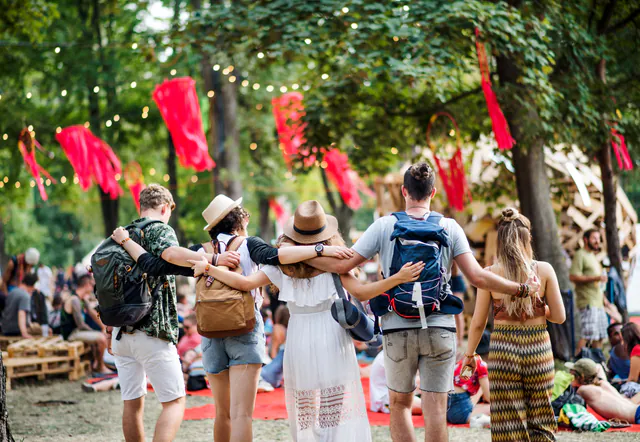
Camping here is an endurance test. Sziget uses a 'free camping' system. This means you can pitch your tent almost anywhere. The catch? So can everyone else. Arrive on Moving-in Day to snag a spot under the trees. Shade is life. The Budapest sun will turn your tent into a furnace by 7 AM. Wear a bandana. The 'Sziget Cough' is real, caused by breathing in pulverized dirt for six days. For food, skip the expensive burger stalls occasionally and do the 'Auchan Run.' There's a massive supermarket 15 minutes from the gate for cheap supplies. If you want actual sleep, avoid camping near the Colosseum or main thoroughfares. Bring earplugs. It's a gritty, exhausting way to live, but the camaraderie in the campsites is the best part of the Sziget festival in budapest.
Getting There
Public Transport
Take the HÉV H5 suburban railway from Batthyány tér (connects with Metro M2) or Margit híd to the 'Filatorigát' stop. Follow the crowd to the K-Bridge entrance.
By Car
Strictly not recommended. There is no parking on the island. Limited paid parking exists at local supermarkets, but they fill up instantly.
By Taxi / Rideshare
Use official festival partners (usually Bolt) which have a dedicated drop-off point at the K-Bridge. Do not hail random street taxis.
Tips
- •The walk from Filatorigát station to the entrance takes about 10-15 minutes.
- •Consider the Sziget Boat service from Jászai Mari tér for a scenic arrival.
Event Location
Venue
Óbuda Island (Hajógyári-sziget)
Address
Május 9. park, Budapest, 1033 Hungary
Tips & What to Know
Cover your face. The island turns into a dust bowl by day three. A bandana and saline nose spray are your best friends.
Do the Auchan run. Walk 15 minutes to the nearby supermarket for cheap breakfast and booze before heading back inside.
Get the Sziget Passport. It's a free map and schedule. Collect stamps from NGO tents to win actual festival merchandise.
Chill at the Beach. The northern tip of the island is the only quiet spot. Use the bean bags and hammocks to nurse your hangover.
Wear sacrificial shoes. Don't bring your favorite kicks. Between the mud, dust, and spilled beer, they won't survive the week.
Gallery