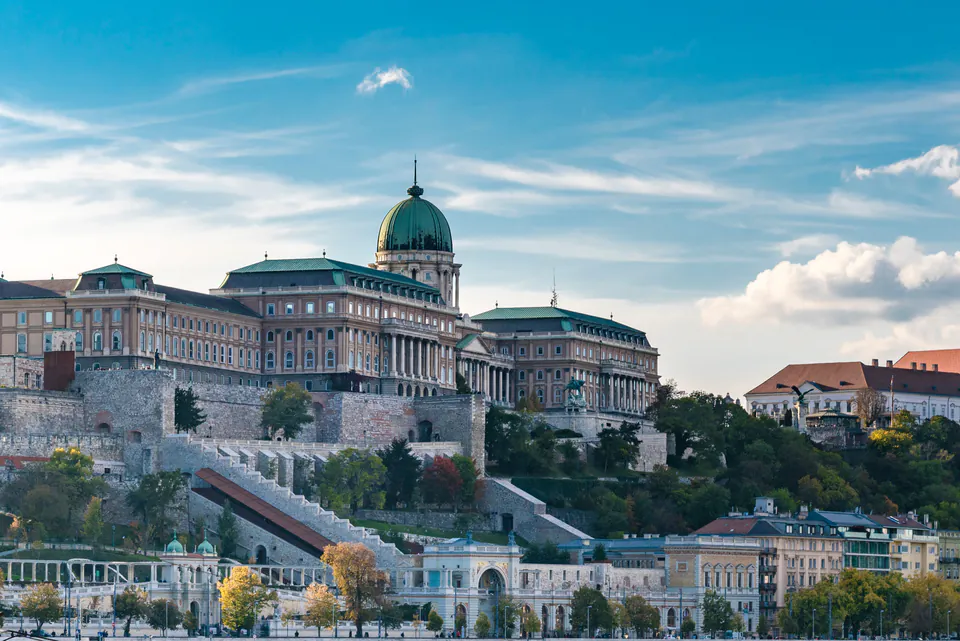
Várhegy (Castle Hill)
Landmark
About the Experience
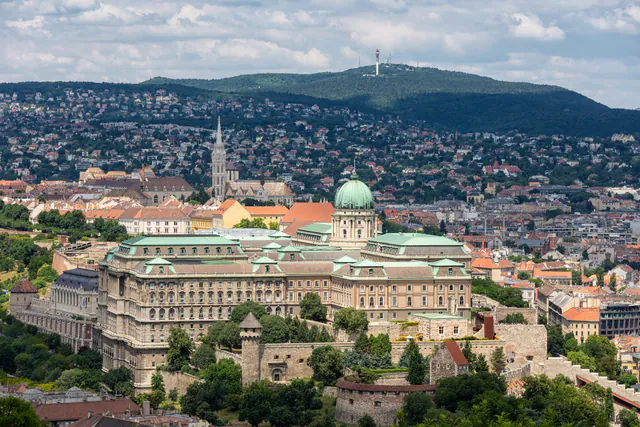
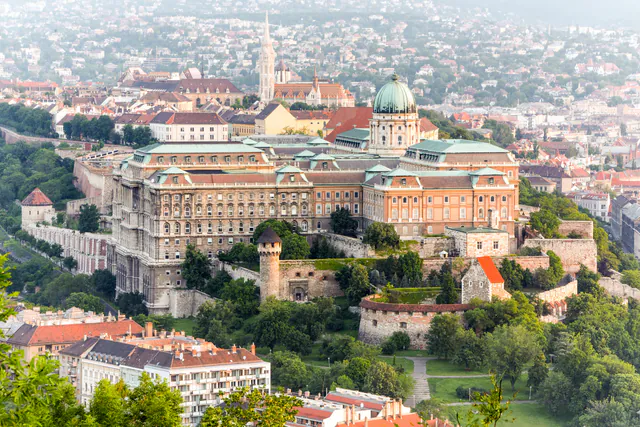
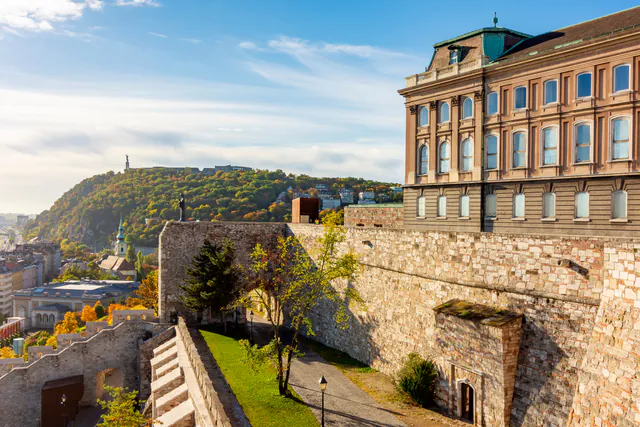
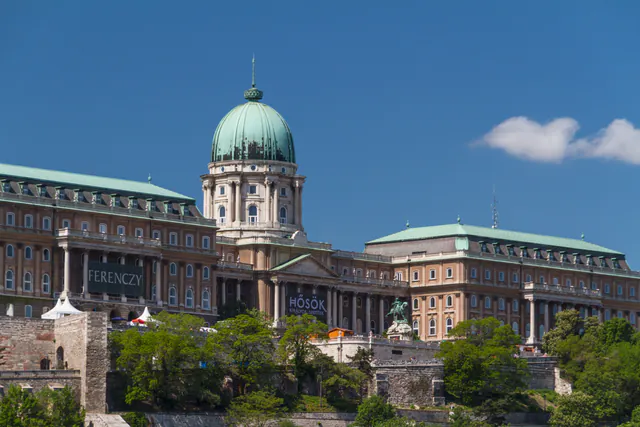
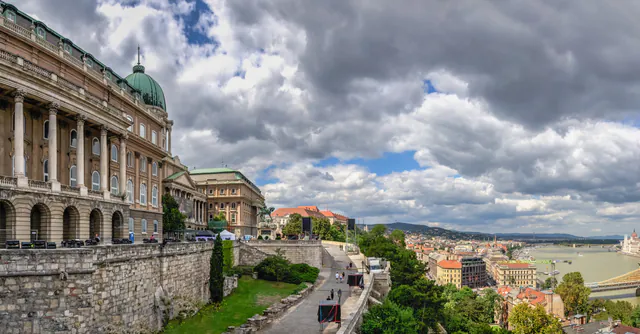
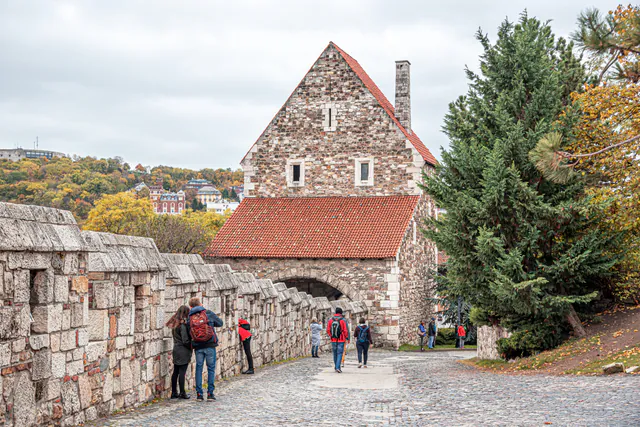
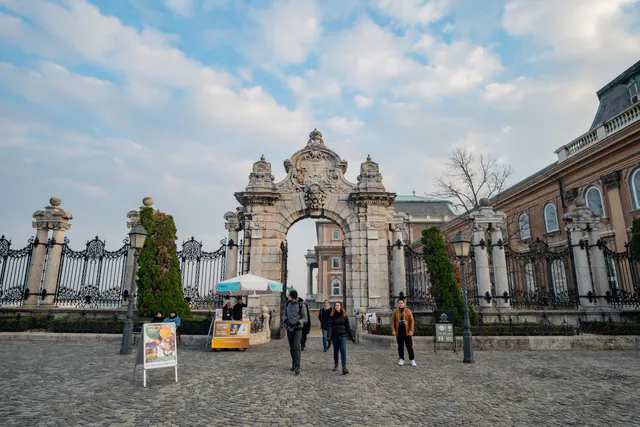
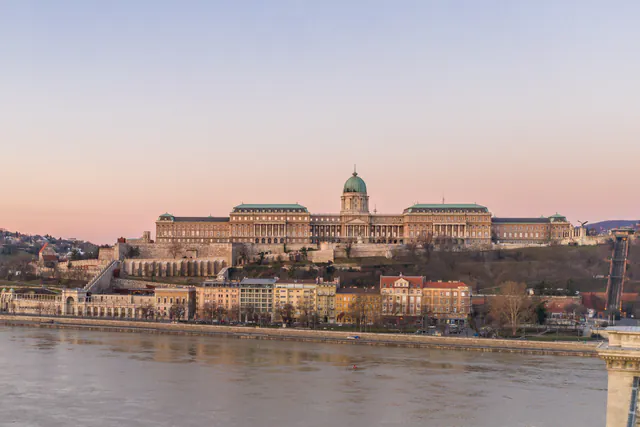
Rising 175 meters over the Danube, Várhegy is the limestone spine of Buda. It isn't just a castle. It's a fortified plateau holding the city's memory. You'll find two worlds here. The southern end belongs to the sprawling Royal Palace, a massive complex housing the National Gallery. Walk north and the mood shifts. The Civil Town (Polgárváros) is a quiet grid of pastel baroque homes and cobblestones. It's where kings ruled and soldiers died. Today, it’s a museum quarter that actually feels lived in. You'll see medieval stone seating niches (sedilia) tucked into doorways on quiet alleys. Duck away from the crowds near Matthias Church to find the Tóth Árpád sétány. It's a tree-lined promenade on the western wall. Most people come for the view of Parliament lit up gold across the river. They're right to do so. Whether you take the funicular or the steep stairs, you can't understand Budapest without standing up here.
Photos
History & Significance
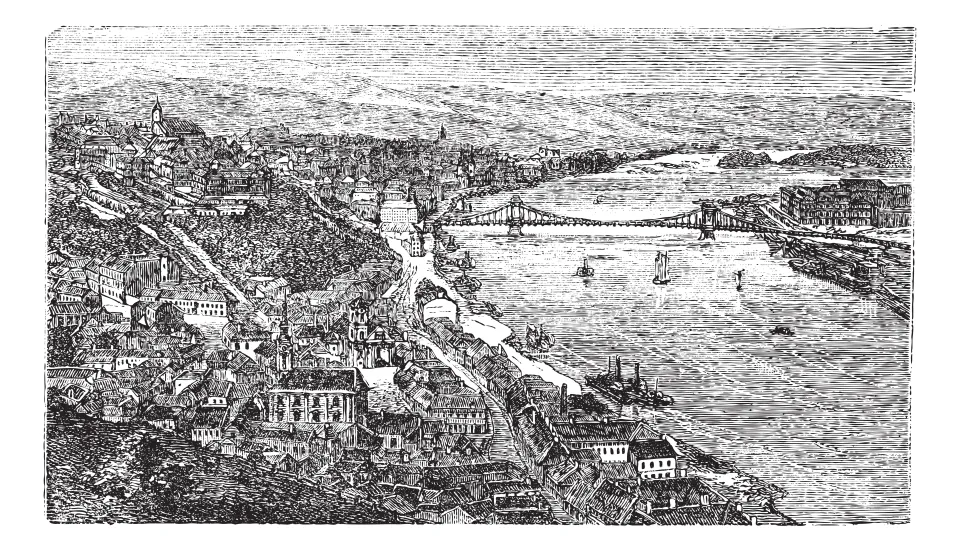
Várhegy was born from blood. After Mongols trashed the city in 1241, King Béla IV moved everyone to this hill for safety. It hit a high point under King Matthias Corvinus in the 1400s. Then the Ottomans arrived in 1541. For 145 years, bells stopped ringing and churches became mosques. The 1686 siege to kick them out leveled almost everything. What you see now is mostly the Baroque rebuild that followed. It wasn't the last fight. World War II saw the district burn during the 1944-1945 siege. Rebuilding took decades. Workers found medieval walls hidden behind 18th-century plaster. It's a place that keeps getting destroyed and keeps coming back.
The Architecture
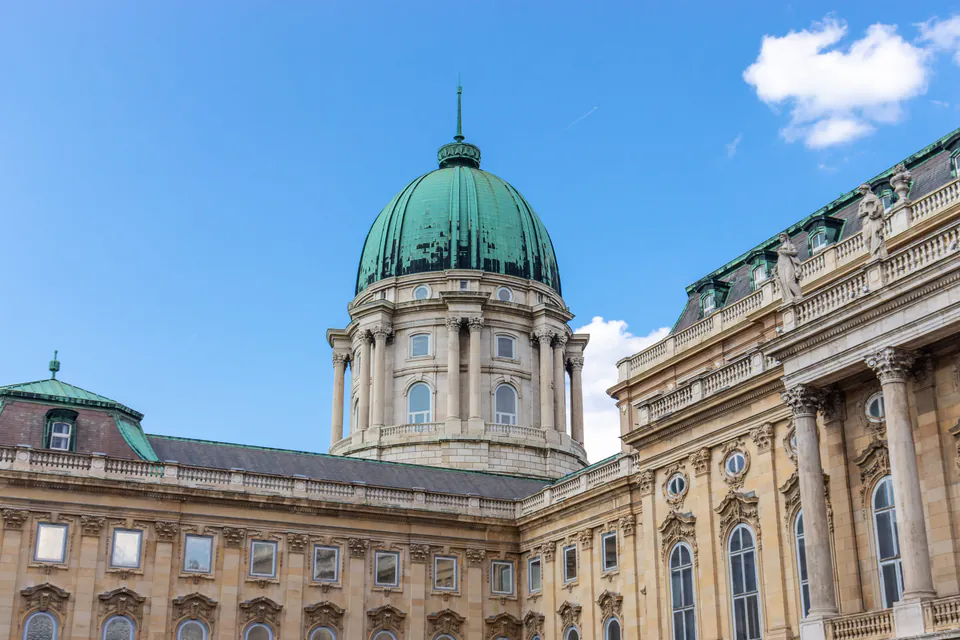
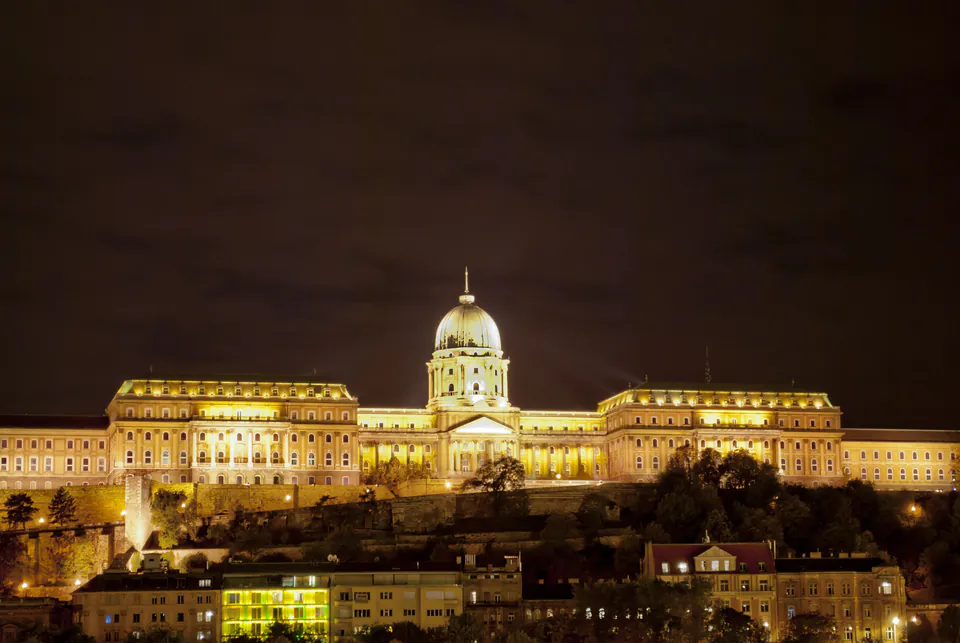
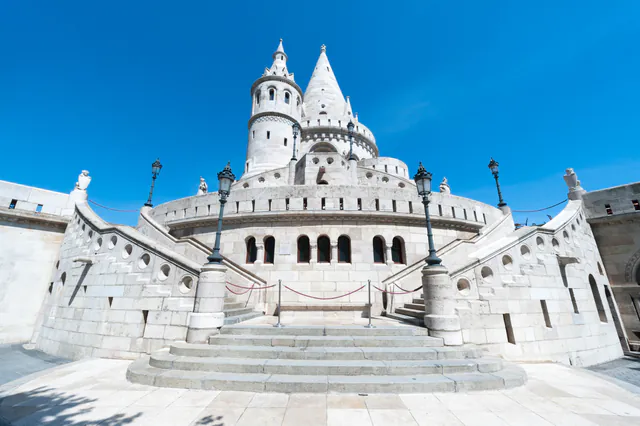
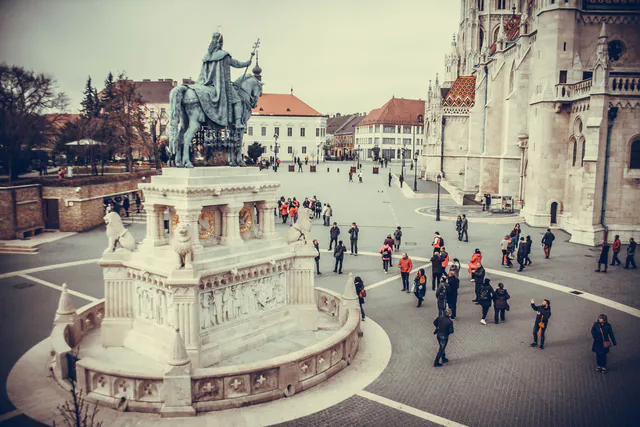
Várhegy is a massive, open-air history lesson. The Royal Palace at the south end is all Habsburg ego. It’s a Neo-Baroque giant rebuilt after the war. The outside looks royal, but the inside is mostly modern galleries. Head north and things get smaller. The Civil Town is a mix of ochre and sage burgher houses. They look 18th-century, but they sit on Gothic foundations that survived the Turks. Look for the 'sedilia' in the entryways. These stone niches were for medieval guards or merchants. Then there's Matthias Church. Its diamond-patterned Zsolnay roof tiles are unmistakable. Right next door is Fisherman's Bastion. Don't be fooled by the towers. They were built in the 19th century for looks, not for war. It's pure architectural theater designed for the view.
The Surrounding Area
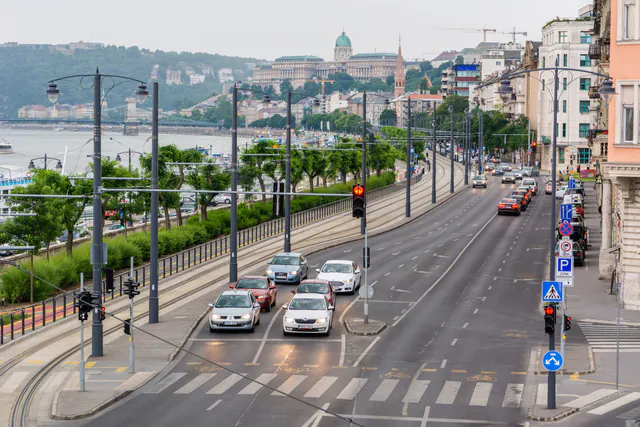
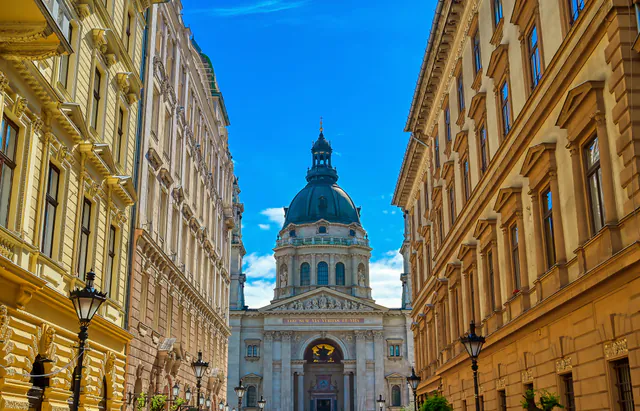
The hill isn't an island. It’s tied to the river by a maze of stairs and gardens. The eastern side is the postcard version of Budapest. Stand on the Savoyai Terrace and you're looking right at St. Stephen's Basilica and the Gresham Palace. Below you, the Várkert Bazár offers a Neo-Renaissance path down to the water. But the western side is different. The Tóth Árpád sétány feels like a real neighborhood. It looks out over the Buda hills and the quiet streets of Krisztinaváros. It’s where you go to escape the wind and the noise. At the northern end, the Vienna Gate (Bécsi kapu) still marks the old road to Austria. Walk through it to find the way down toward the Millenáris Park area.
Photography Guide
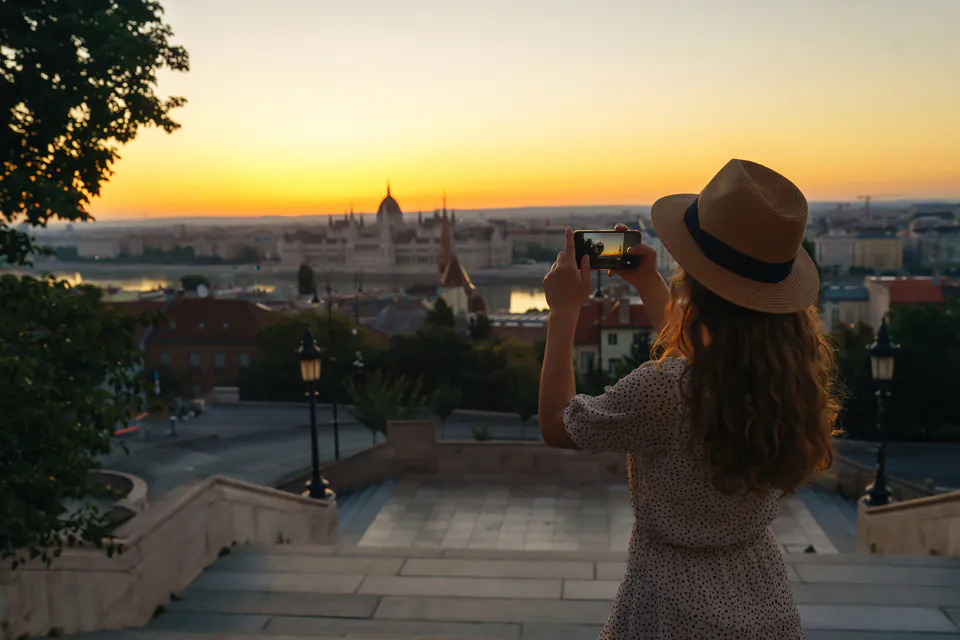
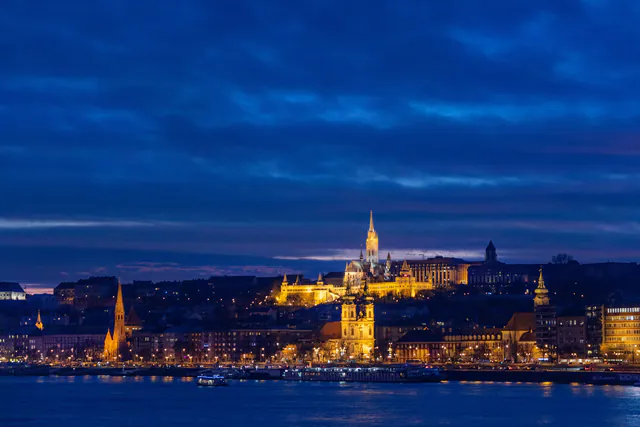
You'll want the shot of Parliament framed by a white stone arch. Everyone does. Get to Fisherman's Bastion at dawn or don't bother. The light is better and you won't have a hundred people in your frame. For a wider angle, stand by the Prince Eugene of Savoy statue. You can catch the curve of the Danube and the Chain Bridge in one go. If you like details, wander Úri utca. The wrought-iron signs and pastel facades are worth the memory card space. Stay for the 'Blue Hour' just after the sun drops. The city lights reflect off the river and the whole place glows. And don't forget to look up. The view of the castle cliffs from the Pest side or the middle of the Chain Bridge is the only way to see the true scale of the palace.
Tours & Experiences Nearby
Top-rated tours and experiences starting near Várhegy (Castle Hill).
 walking tour
 walking tour
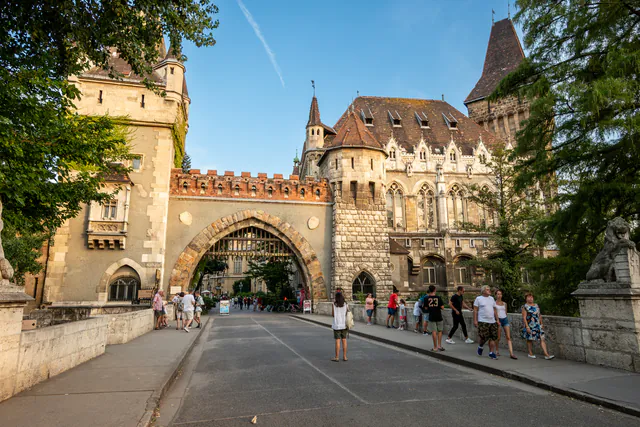
 walking tour
 walking tour
Essential Visitor Tips
- Beat the crowds at Fisherman's Bastion before 8
00 AM. You'll see the sun hit Parliament in total silence and the upper levels are usually free that early.
Don't kill your knees on the stairs. Use the free elevators at Palota út or the Várkert Bazár to reach the top of the plateau without breaking a sweat.
Walk the Tóth Árpád sétány in April. The cherry blossoms turn the western wall into a pink tunnel and it’s a favorite local haunt for a reason.
- Come back after dark. The tour groups vanish by 8
00 PM. The monuments look better under spotlights and the view of the Pest skyline is unbeatable.
Go underground. The Faust Wine Cellar and the cave system beneath the hill offer a cold, damp, and fascinating break from the surface heat.
Best Time to Visit
"Get here at sunrise for the best light and zero crowds. Weekdays are better. Avoid weekend afternoons unless you enjoy elbowing tourists for a photo."
Nearby Hotels
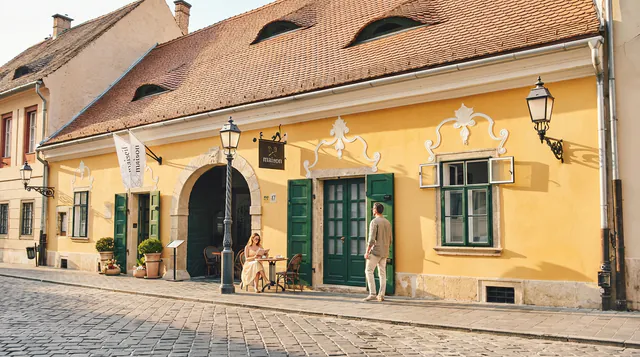
2 min walk (143m)
Housed in the 15th-century 'Spiegel House' with original Baroque facade · Historic subterranean wine cellar carved into the Castle Hill cave system
Price From €160/night
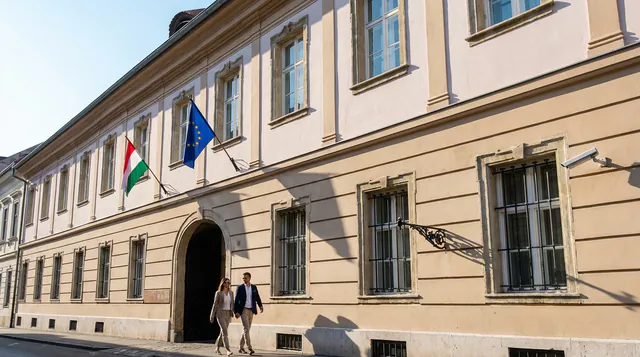
2 min walk (186m)
Located in a restored 15th-century merchant house · Private inner courtyard garden for dining and relaxation
Price From €145/night
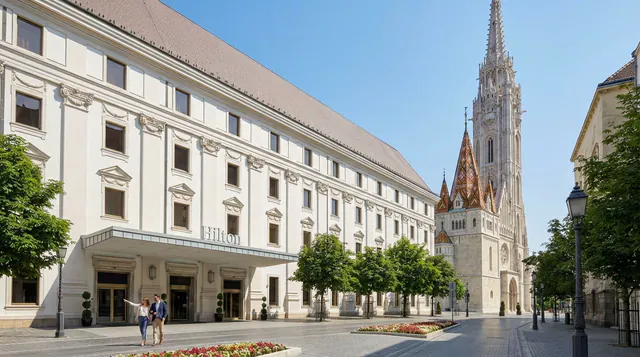
2 min walk (196m)
Incorporates the restored ruins of a 13th-century Dominican monastery · Direct panoramic views of the Hungarian Parliament and Danube River
Price From €210/night
Nearby Restaurants
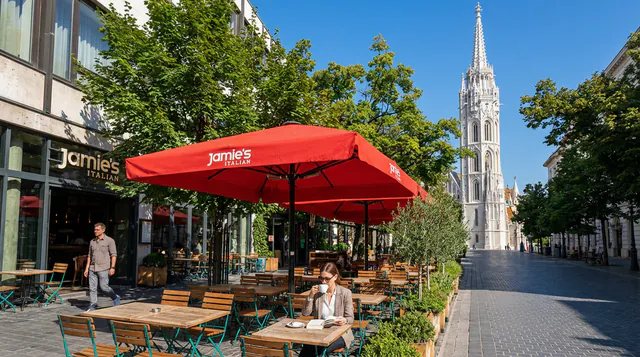
Jamie Oliver's Italian Buda Castle
Italian Casual • Moderate
Drop the overpriced tourist menus. Jamie Oliver’s Italian sits on the cobbleston...
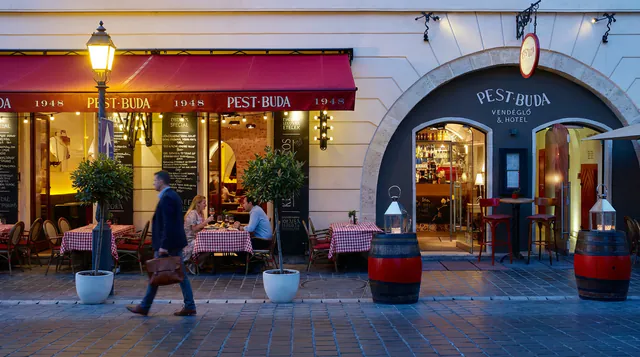
Pest-Buda Bistro
Hungarian Bistro • Upscale
Forget foam and molecular tricks. Pest-Buda Bistro is where you go for the kind ...
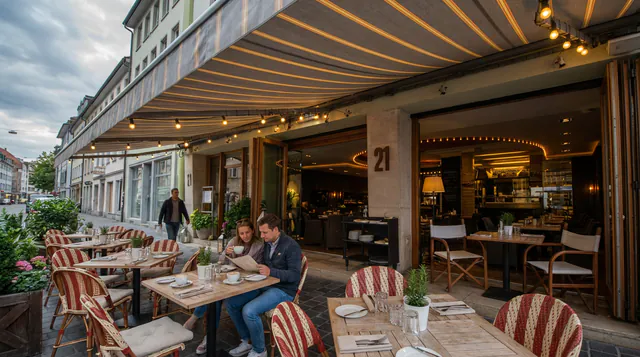
21 Hungarian Kitchen
Hungarian Bistro • Upscale
Perched on Castle Hill, 21 Hungarian Kitchen is the antidote to the tourist trap...
Frequently Asked Questions
How do I get to Várhegy from the Pest side of the city?
Where are the best photo opportunities on Castle Hill?
What is the difference between the Royal Palace and the rest of Várhegy?
Are there good places to eat near the Várhegy monuments?
What should I wear for a day of exploring Várhegy?
Can I visit the underground areas of Castle Hill?
Is Várhegy worth visiting at night?
What are some hidden gems to see on Várhegy?
What are the opening hours of Várhegy (Castle Hill)?
How much does it cost to visit Várhegy (Castle Hill)?
How long should I spend at Várhegy (Castle Hill)?
Is Várhegy (Castle Hill) wheelchair accessible?
Quick Facts
The Neighborhood
District I: Várnegyed
Read Guide